Looking for a straightforward, protein-packed approach to jumpstart your weight loss journey? The boiled egg diet has gained popularity for its simplicity and potential to deliver quick results. This structured eating plan centers around eggs—particularly boiled eggs—as your primary protein source, combined with low-carb vegetables and other lean proteins to create a powerful weight loss strategy. Whether you’re trying to break through a plateau or kickstart a new weight loss journey, this approach might be the solution you’ve been searching for.
What Is the Boiled Egg Diet?
The boiled egg diet is a low-carbohydrate, high-protein eating plan that centers around eggs—particularly hard-boiled eggs—as the main source of protein. From a nutritional perspective, this approach functions as a modified ketogenic protocol that leverages high-quality protein to stimulate satiety hormones and maximize the thermic effect of food (the calories burned during digestion).
This diet typically lasts for 14 days and is designed as a short-term metabolic reset rather than a permanent lifestyle change. The rapid weight loss many people experience comes from the body clearing out stored carbohydrates (glycogen) and water while simultaneously lowering insulin levels to encourage fat burning.

How Does the Boiled Egg Diet Work?
The boiled egg diet works through several key mechanisms:
- High Protein Content: Eggs are incredibly filling, helping you feel satisfied while consuming fewer calories overall. Protein requires 20-30% of its calories for digestion—significantly higher than fats or carbohydrates—which increases daily energy expenditure.
- Low Carbohydrate Intake: By restricting carbs, your body shifts from burning sugar (glycolysis) to burning fat stores (lipolysis), potentially accelerating weight loss.
- Ketosis Promotion: The low-carb nature of this diet may help your body enter ketosis, a metabolic state where your body produces ketones from fat and uses them as fuel instead of glucose.
- Calorie Restriction: The diet naturally limits calorie intake by restricting food choices and promoting filling, protein-rich meals.
Ready to Transform Your Body with the Boiled Egg Diet?
Don’t waste time trying to figure out the perfect meal plan on your own. Our professionally designed 14-Day Boiled Egg Diet Plan gives you everything you need to succeed!
Benefits of the Boiled Egg Diet for Weight Loss
The boiled egg diet offers several potential benefits that make it appealing for those looking to lose weight quickly:
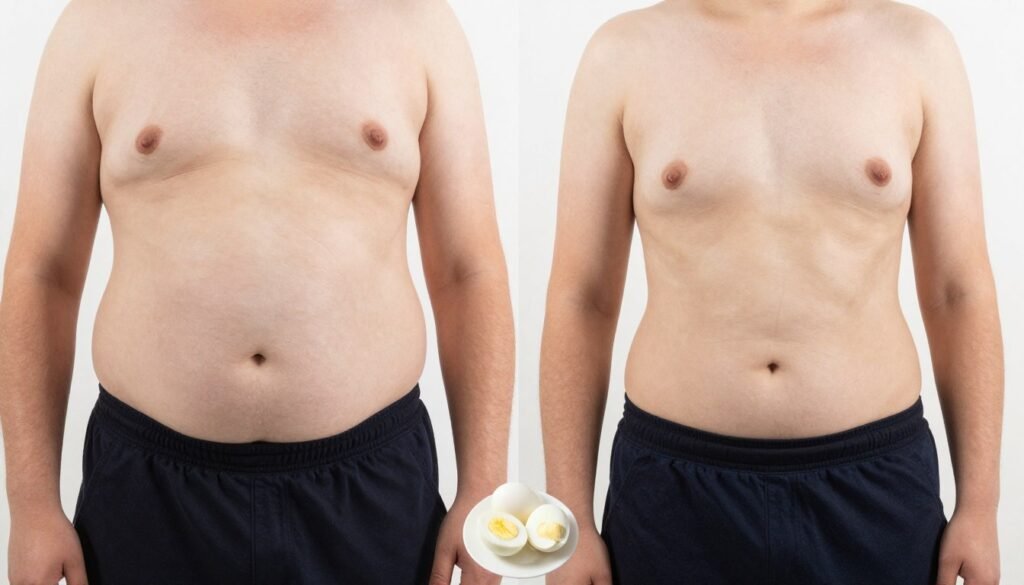
Rapid Weight Loss
Many people report losing 5-10 pounds within the first two weeks of following the boiled egg diet. This initial weight loss is often due to reduced water retention and glycogen depletion, followed by actual fat loss as the diet continues.
Reduced Appetite
Eggs are known to be incredibly filling. Research shows that eating eggs can help you feel fuller for longer periods, which naturally leads to consuming fewer calories throughout the day and promotes weight loss.
Belly Fat Reduction
Studies suggest that high-protein, low-carb diets like the egg diet may help you burn more belly fat than traditional low-fat diets. Visceral fat (belly fat) is a risk factor for heart disease and diabetes, making this benefit particularly valuable.
Improved Insulin Sensitivity
The low-carb nature of the egg diet may help reduce insulin resistance, improving your body’s ability to manage blood sugar levels. This can be especially beneficial for those with prediabetes or type 2 diabetes.
Simplicity and Affordability
One of the most practical benefits of the boiled egg diet is its simplicity. Eggs are affordable, easy to prepare, and readily available, making this diet accessible to most people regardless of cooking skills or budget.
No Calorie Counting Required
Unlike many diets that require meticulous calorie tracking, the boiled egg diet focuses more on food quality and macronutrient balance, making it easier to follow for many people.
Important Considerations Before Starting
Pros
- Quick weight loss results
- Simple to follow with minimal cooking skills required
- Affordable ingredients
- High protein content helps preserve muscle mass
- No need for calorie counting
- May improve blood sugar control
Cons
- Restrictive nature may be difficult to maintain
- Potential for nutritional deficiencies if followed long-term
- May cause fatigue during initial adaptation phase
- Not suitable for vegans or those with egg allergies
- May cause digestive issues for some people
- Should not be followed long-term (beyond 2-4 weeks)
Who Should Avoid the Egg Diet
While the egg diet can be effective for many people, it’s not suitable for everyone. You should avoid this diet if you:
- Have kidney problems or renal insufficiency
- Have a history of eating disorders
- Are pregnant or breastfeeding
- Have familial hypercholesterolemia or other genetic cholesterol disorders
- Are taking certain medications that may interact with a high-protein diet
Always consult with your healthcare provider before starting any new diet, especially if you have existing health conditions or take medications.

Sample 1-Day Boiled Egg Diet Meal Plan
Here’s a glimpse of what a day on the boiled egg diet might look like. This sample plan gives you an idea of the types of meals you’ll enjoy while following this approach to weight loss:
| Meal | Foods | Benefits |
| Breakfast | 2 boiled eggs + ½ grapefruit | Protein-packed start to boost metabolism and citrus to aid digestion |
| Lunch | 2 boiled eggs + large mixed green salad with olive oil and lemon dressing | Sustained energy, fiber for fullness, healthy fats for nutrient absorption |
| Dinner | 4 oz grilled chicken breast + steamed broccoli and spinach | Lean protein for muscle maintenance, nutrient-dense vegetables for vitamins |

This is just a basic example of one day on the diet. For optimal results and to ensure you’re getting adequate nutrition while maximizing weight loss, you need a properly structured 14-day plan that provides variety and balanced nutrition.
Want the Complete 14-Day Meal Plan?
Stop guessing what to eat! Our comprehensive 14-Day Boiled Egg Diet Plan includes detailed daily meal plans, delicious recipes, shopping lists, and preparation tips to make your weight loss journey simple and effective.
Foods to Include in Your Egg Diet Meal Plan
The boiled egg diet focuses on high-protein, low-carb foods that support weight loss while keeping you satisfied. Here are the key food groups to include:
Protein Sources
- Eggs (especially boiled)
- Chicken breast
- Turkey breast
- Lean fish (tuna, salmon)
- Lean beef cuts
Low-Carb Vegetables
- Spinach
- Kale
- Broccoli
- Asparagus
- Zucchini
- Bell peppers
Healthy Fats & Fruits
- Olive oil (in moderation)
- Avocado
- Citrus fruits
- Berries (limited)

Foods to Avoid on the Egg Diet
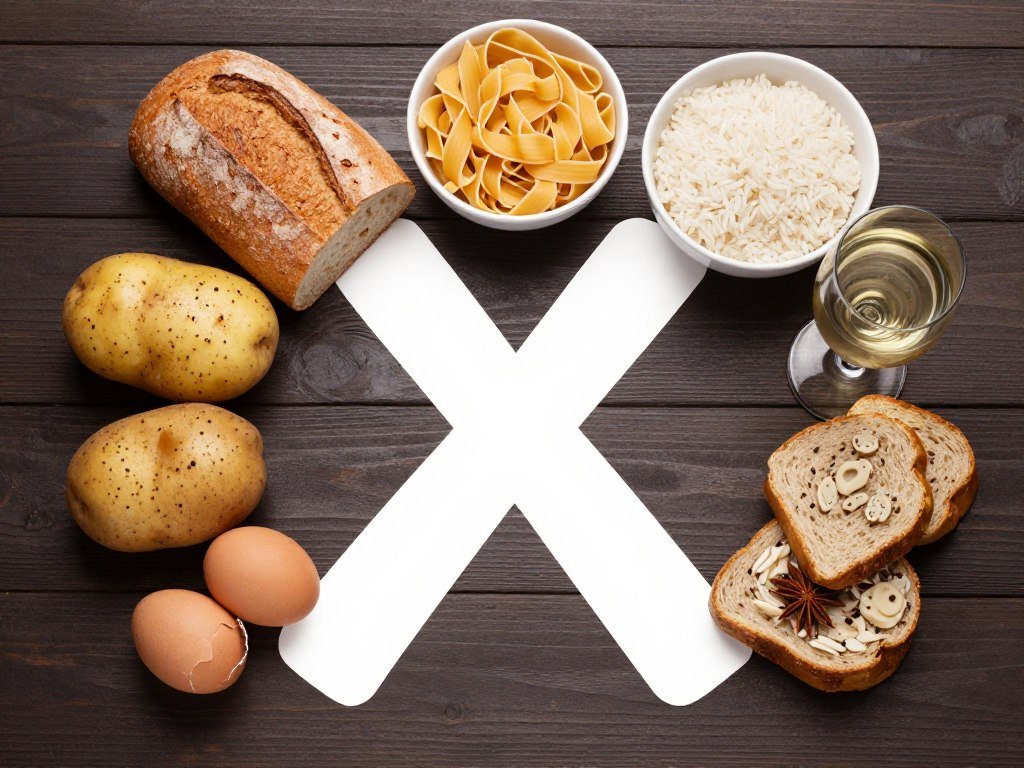
To maximize your weight loss results on the boiled egg diet, you’ll need to avoid certain foods that can spike insulin levels or add unnecessary calories:
Carbohydrates to Avoid
- Bread, pasta, and other grain products
- Rice (white and brown)
- Potatoes and other starchy vegetables
- Beans and legumes
- High-sugar fruits like bananas and mangoes
Other Foods to Eliminate
- Processed foods and fast food
- Sugar and sweetened beverages
- Alcohol of all types
- Dairy products (except in very limited quantities)
- Fried foods and unhealthy oils
Tips for Success on the Boiled Egg Diet
Follow these practical tips to maximize your results and make the boiled egg diet more manageable:
Preparation Tips
- Batch cook eggs: Boil a dozen eggs at the start of each week to have them ready to go.
- Meal prep vegetables: Wash, chop, and store vegetables in advance to make meal assembly quicker.
- Stay hydrated: Drink at least 8-10 glasses of water daily to support metabolism and reduce hunger.
- Plan your meals: Know exactly what you’ll eat each day to avoid impulsive food choices.
Lifestyle Recommendations
- Light exercise: Incorporate walking or light strength training to preserve muscle mass.
- Get adequate sleep: Aim for 7-8 hours of quality sleep to support weight loss hormones.
- Manage stress: Practice stress-reduction techniques as stress can impede weight loss.
- Track progress: Keep a journal of your meals and weight changes to stay motivated.

Stop Struggling with Diet Planning!
Our 14-Day Boiled Egg Diet Plan takes all the guesswork out of your weight loss journey. With day-by-day meal plans, shopping lists, and preparation tips, you’ll have everything you need to succeed!
What to Do After Completing the Boiled Egg Diet
The boiled egg diet is designed as a short-term solution for rapid weight loss, not a permanent lifestyle. Here’s how to transition after completing the 14-day plan:

Transitioning to Sustainable Eating
Gradually reintroduce healthy carbohydrates like whole grains, fruits, and legumes. Continue emphasizing protein at each meal, but diversify your protein sources beyond just eggs. Maintain your focus on whole, unprocessed foods while slowly increasing your calorie intake to a sustainable level.
Maintaining Your Results
To maintain the weight loss achieved on the boiled egg diet, consider these strategies:
- Continue to include eggs regularly in your diet for their protein and satiety benefits
- Practice portion control with all foods, especially carbohydrates
- Establish a regular exercise routine that includes both cardio and strength training
- Monitor your weight weekly and make adjustments to your diet if you notice weight regain
- Consider intermittent fasting or occasional low-carb days if needed to maintain results
Frequently Asked Questions About the Egg Diet
Can I lose 15 pounds in 14 days on the boiled egg diet?
While results vary from person to person, many people report losing 5-10 pounds during the 14-day boiled egg diet. Losing 15 pounds in two weeks would be unusual and is not typically recommended from a health perspective. The most sustainable weight loss occurs at a rate of 1-2 pounds per week after the initial water weight loss.
Is the egg diet safe for people with high cholesterol?
Recent research suggests that dietary cholesterol has less impact on blood cholesterol levels than previously thought for most people. However, if you have familial hypercholesterolemia or are a “hyper-responder” to dietary cholesterol, you should consult with your healthcare provider before starting the egg diet. They may recommend limiting egg yolks or monitoring your cholesterol levels during the diet.
Can I exercise while on the boiled egg diet?
Light to moderate exercise is recommended while on the boiled egg diet. Walking, yoga, and light resistance training can help preserve muscle mass during weight loss. However, intense workouts may be difficult due to the calorie restriction. Listen to your body and reduce exercise intensity if you experience excessive fatigue.
Do I have to eat only boiled eggs, or can I prepare them differently?
While boiled eggs are emphasized for their simplicity and lack of added fats, you can prepare eggs in other ways as long as you don’t add significant calories. Poached eggs, scrambled eggs with minimal oil, or baked eggs are all acceptable. Avoid frying eggs in large amounts of butter or oil.

Ready to Transform Your Body with the Boiled Egg Diet?
The boiled egg diet offers a structured, protein-rich approach to rapid weight loss that has helped thousands of people achieve their goals. With its focus on high-quality protein, low carbohydrates, and simple meal planning, it provides an effective short-term solution for breaking through weight loss plateaus or jumpstarting a new health journey.
While you now understand the basics of the boiled egg diet, implementing it effectively requires careful planning, proper food combinations, and strategic meal timing to maximize results while ensuring nutritional adequacy.
Take the Guesswork Out of Your Weight Loss Journey
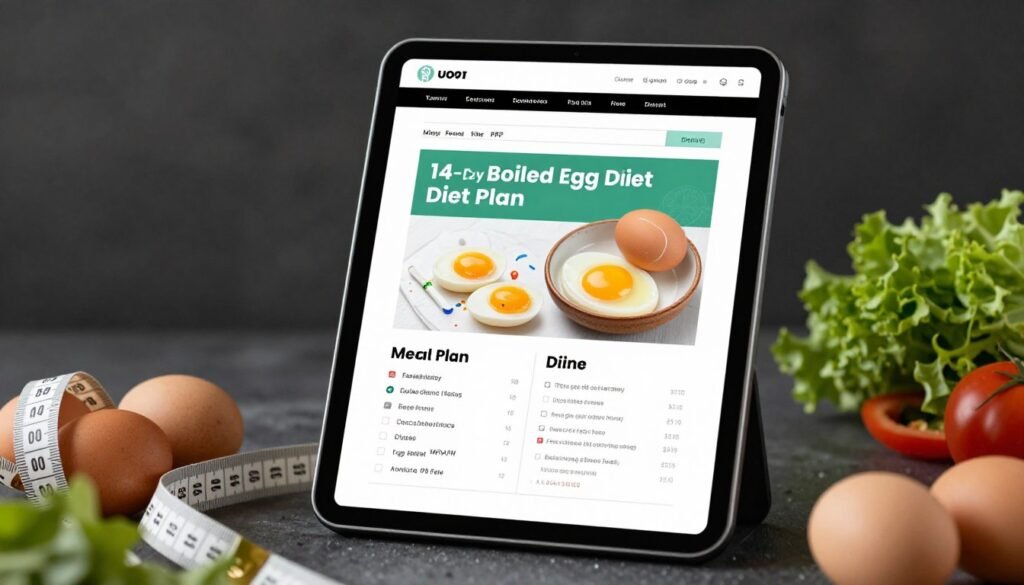
Our comprehensive 14-Day Boiled Egg Diet Plan gives you everything you need to succeed:
- Complete day-by-day meal plans for all 14 days
- Delicious, easy-to-prepare recipes that keep you satisfied
- Printable shopping lists organized by week
- Meal prep guides to save you time
- Tips for maximizing weight loss while maintaining energy
- Transition plan for after you complete the 14 days
Why struggle to create your own plan when we’ve done all the work for you?