
Surprising fact: nearly 40% of people searching “rapid weight loss in two weeks” click on short, strict plans that promise big scale drops fast.
The boiled egg plan is a restrictive, low-carb, low-calorie, high-protein short-term approach tied to a 2018 book by Arielle Chandler. It is marketed for fast changes on the scale but is hard to maintain and often leads to regained weight.
The common alternative you’ll see is a research-backed, more flexible eating pattern. This pattern tends to support steady weight loss and better long-term health through balanced meals and repeatable grocery habits.
This article will break down how the two approaches work, compare foods allowed, fullness, convenience, and likely results. You’ll get a practical side-by-side so you can pick a plan that fits real life in the United States.
Safety note: fast-loss plans can pose risks for people with heart disease, diabetes, pregnancy goals, or a history of disordered eating. Consult a clinician before starting.
Key Takeaways
- Short, strict plans can give quick scale drops but often aren’t sustainable.
- Research-backed eating patterns usually yield steadier weight loss and better health.
- We compare adherence, nutrition quality, and likely outcomes for each approach.
- Practical factors—food variety, fullness, and convenience—determine real-world success.
- Medical guidance matters for people with chronic conditions or special needs.
Why These Two Diets Get Compared for Weight Loss
Many searchers pit a short, strict reset against a long-term pattern when they want fast change on the scale. This comparison matters because the goals are different: quick loss in a set time versus steady habits that help a body keep pounds off.
Quick plans promise fast drops by cutting calories and carbs hard. Early scale wins often reflect lost glycogen and water, not just fat. That makes results feel dramatic but fragile.
Lifestyle patterns aim for repeatable routines, variety, and fewer nutrient gaps. Those approaches often help people sustain a calorie deficit and avoid quick regain.
Both styles share some features—more protein and fewer ultra-processed foods—but the level of restriction is the main difference. This article judges each plan on effectiveness, safety, and sustainability, not only what “works” in week one.
Practical life matters: travel, family meals, and holidays can push a strict plan to the side. Choose a plan that fits real routines if you want results that last.
A Great Way to Get Started on the Right Foot!
14-Day Boiled Egg Diet Plan
Recipe Guide Printable Bundle
Healthy, easy meals laid out for you day-by-day. A simple two-week structure you can start immediately.
- 14 Daily Meal Ideas
- Printable PDF Guides
- Quick & Simple Recipes
- Instant Download
Instant Download! Start Right Away!
What the Boiled Egg Diet Is and How the Two-Week Eating Plan Works
A focused, egg-forward reset uses limited foods and little snacking to drive short-term weight loss. In plain terms, it’s a one- to two-week eating plan built around high protein, very low carbs, and a small calorie window.
Core rules: eat mostly protein and non-starchy vegetables, skip snacks, and keep portions tight. That mix naturally lowers calories and raises satiety.
Typical days follow three set meals. Breakfast often includes at least two hard-boiled eggs plus a vegetable and a low-carb fruit like grapefruit or berries. Lunch and dinner rotate between additional boiled eggs or lean protein such as chicken or fish with plenty of leafy greens.
Allowed foods include hard-boiled eggs, chicken, fish, asparagus, spinach, zucchini, broccoli, tomatoes, and small amounts of berries or grapefruit. Water, unsweetened tea, and coffee are standard.
Restricted foods remove grains, many fruits (bananas, mango), starchy vegetables (potatoes, corn), most dairy, processed items, sugary drinks, and alcohol. Cutting these entire food groups simplifies choices but can complicate social meals.
| Feature | Typical guidance | Practical effect |
|---|---|---|
| Meals per day | 3 set meals, no snacks | Fewer decisions; lower daily calories |
| Main protein | Hard‑boiled eggs, chicken, fish | High satiety and muscle support |
| Carbs | Very limited; non-starchy veg only | Rapid glycogen and water loss likely |
| Simplicity | Short grocery list, repetitive menu | Easy to follow short-term; hard long-term |
Mediterranean Diet Basics for Weight Loss and Overall Health
This eating style builds meals around plants, whole grains, legumes, and healthy fats instead of strict bans. It is a pattern, not a rigid plan, so people can adapt meals to family routines and restaurants.
Core foods: vegetables and fruits form the plate base, while beans, nuts, olive oil, and whole grains add fiber and flavor. These nutritious foods help you stay full longer and lower overall calorie intake without severe restriction.
Protein approach
Fish and poultry are common protein choices, with eggs included in moderation. Research and guidance from heart-focused groups note that one egg a day is acceptable for most healthy adults, and older adults may have some flexibility.
Why it lasts
Sustainability comes from variety and ease of shopping. You can cut ultra-processed items and added sugars while still enjoying grains and legumes. That balance makes steady weight loss more likely and supports heart health over time.
- Practical: easy swaps replace processed snacks with vegetables, fruits, or nuts.
- Flexible: fits cultural and family meals without extreme rules.
- Backed by research: consistently linked to heart-supportive outcomes and lasting habits.
Mediterranean Diet vs. Boiled Egg Diet: Side-by-Side Comparison
Below we map allowed foods and banned items so you can see how each approach shapes daily meals.
Allowed food groups and restrictions
Boiled-egg style focuses on eggs, lean protein, and non-starchy vegetables. It excludes grains, many fruits, most dairy, starchy vegetables, processed foods, sugary drinks, and alcohol. That removes whole categories fast.
Style B includes whole grains, legumes, fruits, vegetables, nuts, and healthy fats. It keeps more food groups for variety and nutrition.

Fiber and fullness
Non-starchy vegetables help with satiety, but the egg-forward plan limits high-fiber staples. Missing whole grains and legumes can reduce fullness and slow digestion.
The other approach boosts fiber via grains and beans. That often keeps hunger in check longer and supports digestion.
Calories, adherence, and convenience
The strict plan usually forces a calorie cut through tight rules and three set meals with no snacks. That makes short-term loss likely but can be hard socially.
The flexible pattern lets people aim for a steady calorie deficit while keeping convenience with repeatable staples like grain bowls or bean salads.
| Feature | Strict plan | Flexible pattern |
|---|---|---|
| Key foods | Eggs, lean protein, non-starchy vegetables | Grains, legumes, fruits, vegetables, healthy fats |
| Fiber | Lower | Higher |
| Convenience | Very simple prep | Repeatable, meal-prep friendly |
Bottom line: the strict approach may deliver fast scale change. The flexible pattern supports long-term weight management and fewer diet gaps. The next section examines short-term results and why scale drops often return.
Expected Weight Loss Results: What Happens in the Short Term
Rapid results in week one are usually driven by a significant calorie gap and lower carbohydrate intake, not just fat loss. That combination can make the numbers on a scale move quickly during a two-week reset.
Why a strict, low-carb plan may show fast change
Main driver: eating far fewer calories and cutting carbs forces a calorie deficit, which prompts weight loss on the scale early on.
Low-carb approaches also tap stored glycogen. Glycogen holds water, so as stores fall, water weight follows. That makes initial results look larger than true fat loss.
Water weight versus body fat — and why regain is common
Simple idea: glycogen loss plus lower water explains many “before/after” photos. When you return to normal intake, glycogen and water refill fast and the scale rises.
Strict restriction can boost hunger after the plan ends. People often restore previous calories and carbs, so regained weight is common.
How a steady eating pattern supports lasting results
A higher-fiber, satisfying pattern helps people keep a moderate calorie deficit longer. Meals with more fiber and healthy fats slow hunger and ease adherence.
Realistic expectation: lasting weight loss usually favors the plan someone can repeat. Consistency often beats intensity for long-term body changes.
A Great Way to Get Started on the Right Foot!
14-Day Boiled Egg Diet Plan
Recipe Guide Printable Bundle
Healthy, easy meals laid out for you day-by-day. A simple two-week structure you can start immediately.
- 14 Daily Meal Ideas
- Printable PDF Guides
- Quick & Simple Recipes
- Instant Download
Instant Download! Start Right Away!
Health Risks and Downsides of the Boiled Egg Diet
Severe limits on what you eat can solve one problem—calories—but create several others for health.

Cutting entire food groups and nutrient gaps
Removing entire food groups narrows variety and raises the chance of missing key vitamins and minerals.
Possible shortfalls: potassium, magnesium, calcium, vitamin C, thiamine, folate, iron, and iodine.
Lack of fiber and digestive effects
Eggs contain virtually no fiber. Low fiber intake can cause constipation, bloating, and hunger swings.
Those symptoms often lead to fatigue and cravings that make the plan hard to sustain.
Low-carb adaptation effects
Many people report headaches, sluggishness, and bad breath in the first days of a low-carb plan.
These effects usually ease, but they can disrupt work and daily life.
Heart and bone considerations
Eggs fit into many healthy patterns in moderation, yet very high intake may raise concern for some people.
Guideline: people with high LDL, heart disease, or type 2 diabetes may be advised to limit intake to no more than 7 eggs per week.
Long-term exclusion of dairy and fruit can also lower calcium and vitamin C, which matters for bone and immune health.
Mental relationship with food
Highly restrictive plans can foster an all-or-nothing mindset that triggers guilt and rebound eating.
If past disordered eating or strong food guilt exist, consult a clinician before trying an egg diet.
| Risk area | Practical effect | Who is most at risk |
|---|---|---|
| Nutrient gaps | Low potassium, folate, vitamin C, calcium | Those who repeat the plan or avoid supplements |
| Low fiber | Constipation, bloating, energy swings | People with low baseline fiber intake |
| Low-carb effects | Headache, fatigue, bad breath | Anyone new to carb restriction |
| Cardiovascular | Higher dietary cholesterol concern | People with high LDL, type 2 diabetes, heart disease |
Potential Upsides of the Boiled Egg Diet You Can Keep Without the Extreme Rules
You can borrow useful habits from a short-term egg-focused plan without following its strict rules. Focus on signals the plan sends: higher protein, fewer processed foods, simple meals, and clear portion control.
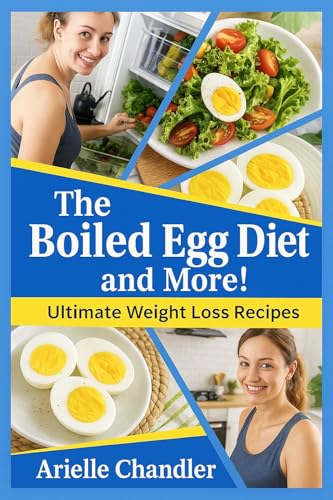
The Boiled Egg Diet: The Easy, Fast Way to Weight Loss!: Lose Up to 25 Pounds in 2 Short Weeks! (Healthy Living and More)
The Boiled Egg Diet: The Easy, Fast Way to Weight Loss!
Lose up to 25 Pounds in 2 short weeks!
- Are you looking to shed pounds quickly?
- Do you want a well-structured meal plan to get you started?
- Are you looking for a diet that will help you ditch those love handles?
If you want to burn fat, become healthier, feel great, and do it all without having to inconvenience yourself with gimmicky diets, then this book is for you.
***This is the Original, Best Selling, Boiled Egg Diet Cookbook – often imitated but never duplicated! Completely re-edited and reformatted in 2023 for your reading pleasure!***

The boiled egg diet is a diet that, as you guessed it, mainly consists of hardboiled eggs. Of course, that isn’t all that you’ll need to eat to shed those pounds! With hardboiled eggs mixed with healthy metabolism-boosting fruits, low-carb vegetables, and other lean proteins, you’ll watch the pounds melt away in as little as two weeks.
Celebrities such as Nicole Kidman and Charles Saatchi have reportedly followed a boiled-egg diet. Kidman allegedly consumed only hard-boiled eggs before starring in “Cold Mountain,” while Saatchi, the ex-husband of chef Nigella Lawson and founder of the ad agency Saatchi & Saatchi, has also adopted the boiled-egg diet.
Many people have reported losing up to 25 pounds in just a few short weeks, but results may vary. In: The Boiled Egg Diet: The Easy Fast Way to Weight Loss! Lose up to 25 Pounds in 2 Short Weeks by Arielle Chandler you’ll find all the information you need to get started, recipes to help you along the way, and a one-week meal plan to get you started on the right track. There’s no reason to deal with unwanted fat when this diet can help you shed those pounds in no time at all!
Prioritizing protein for fullness and muscle support
Lean protein helps you feel satisfied and supports muscle during weight loss. Rotate chicken, fish, tofu, beans, and Greek yogurt so an egg is one easy option, not the only one.
Portion control without eliminating nutritious foods
Build plates with half non-starchy vegetables, a palm-sized portion of protein, and a moderate serving of whole grains or healthy fats. This keeps calories in check while preserving variety and nutrients.
Reduce processed foods and add convenience
Cutting sugary drinks and packaged snacks removes empty calories without strict rules. For convenience, batch-cook proteins, pre-chop vegetables, and keep quick snacks on hand to make the plan doable on busy weekdays.
- Signal not rule: keep what works—protein, simplicity, and fewer processed foods.
- Adherence wins: a doable approach beats a short burst of restriction every time.
What Research and Expert Scores Say About Safety and Sustainability
Experts score popular quick fixes low when they lack long-term data and maintenance steps. Healthline gives the boiled egg diet a 1.33/5 and calls it a fad: highly restrictive, hard to follow, and prone to regain.
Why many call the egg-focused plan a fad
Fad labels come from narrow food lists, big promises like dramatic two-week losses, and little planning for life after the plan. That combination raises risk of nutrient gaps and rapid rebound.
What “evidence-backed” looks like in a studied pattern
Evidence-backed approaches come from long-term research showing steady benefits for health, weight control, and heart markers. They include varied foods that provide fiber, micronutrients, and healthy fats.
How to read claims: anecdotes or celebrity posts are not the same as trials. Look for peer-reviewed research and expert scoring that favors sustainability over flash results.

| Measure | Egg-focused plan | Evidence-backed pattern |
|---|---|---|
| Sustainability | Low | High |
| Nutrition quality | Limited | Diverse |
| Long-term results | Poor | Consistent |
Practical conclusion: if you want to lose weight and keep it off, treat sustainability as a feature—not a bonus.
How to Choose the Best Diet for Your Body, Goals, and Lifestyle
Choose a plan that matches how you live, your schedule, and the pace at which you want to lose weight. Start by clarifying if your main goal is rapid structure or steady weight loss over months.
If you want fast structure: safer ways to do a short-term reset
Keep protein-forward meals and add fiber from beans, oats, or whole grains if you tolerate them. Include fruit for vitamins and skip ultra-processed foods.
Boundaries: limit strict days to one or two weeks, watch energy and digestion, and stop if you get constipation, headaches, or extreme fatigue.
If you want lasting weight loss: building a heart-healthy eating plan you’ll keep
Aim for a simple breakfast, a repeatable lunch, and a flexible dinner that help you stay in a modest calorie deficit. Rotate vegetables, lean protein, whole grains, and healthy fats.
Who should be cautious
Talk to a clinician if you have type 2 diabetes, high LDL, heart disease, or are pregnant/planning pregnancy. Some people are advised to limit egg intake to ≤7 per week.
A Great Way to Get Started on the Right Foot!
14-Day Boiled Egg Diet Plan
Recipe Guide Printable Bundle
Healthy, easy meals laid out for you day-by-day. A simple two-week structure you can start immediately.
- 14 Daily Meal Ideas
- Printable PDF Guides
- Quick & Simple Recipes
- Instant Download
Instant Download! Start Right Away!
Practical tips: meals, snacks, and grocery swaps
- Swap chips for Greek yogurt + berries or nuts.
- Choose sparkling water over sugary drinks.
- Pick whole grains instead of refined ones and stock frozen vegetables for quick meals.
- Snack idea: “protein + produce” (cheese or hummus with carrot sticks).
| Goal | Simple plan | Example per day |
|---|---|---|
| Fast reset | Protein + low carbs + fiber | 3 meals, minimal snacks |
| Lasting loss | Variety, fiber, healthy fats | 3 meals + 1 snack |
| Caution | Medical review advised | Adjust intake and eggs if needed |
Final note: personalize your approach. The best diet is the one you can follow most days while protecting energy, digestion, and long-term health.
Conclusion
A highly restrictive plan can deliver quick numbers on the scale, but it usually lacks the variety and nutrients needed for lasting health. Those early results often reflect water and glycogen loss more than sustainable fat loss.
What lasts: repeatable meals, more fiber, and flexible choices help people keep weight off and protect overall health. Restrictive rules increase nutrient gaps and side effects for some people.
Keep the useful habits—higher protein and fewer processed foods—but skip extremes like banned food groups or no snacks. Try one simple upgrade this week (add beans, choose whole grains, or increase veg) and note your energy and adherence.
Medical note, consult a clinician or registered dietitian if you have heart disease, diabetes, pregnancy plans, or a history of disordered eating before trying restrictive plans.