
Surprising fact: some versions of the egg-based plan let people eat only eggs for days, and those extreme approaches can cause real problems fast.
This introduction explains what Egg Diet Safety means in real life. It’s not about whether eggs are simply “good” or “bad.” It’s about whether a plan fits your body, your meds, and your nutrition needs.
The number of eggs you eat depends on the version you follow, your whole-food intake, and personal risk factors. The American Heart Association says one each day can fit a healthy pattern for many adults, but the strict “egg-only” route raises the biggest red flag.
You can see quick scale changes early on, yet those shifts may not be pure fat loss and can bring side effects like fatigue or constipation. This guide focuses on practical guardrails for short-term weight loss in the United States, not an endorsement of extreme restriction.
Key Takeaways
- “Egg-only” plans carry the highest risk for nutrient gaps.
- Safety depends on your overall food, meds, and health profile.
- One per day can fit many heart-healthy patterns, per experts.
- Early weight changes may be water loss, not fat loss.
- This guide gives practical steps to reduce risk on short-term plans.
A Great Way to Get Started on the Right Foot!
14-Day Boiled Egg Diet Plan
Recipe Guide Printable Bundle
Healthy, easy meals laid out for you day-by-day. A simple two-week structure you can start immediately.
- 14 Daily Meal Ideas
- Printable PDF Guides
- Quick & Simple Recipes
- Instant Download
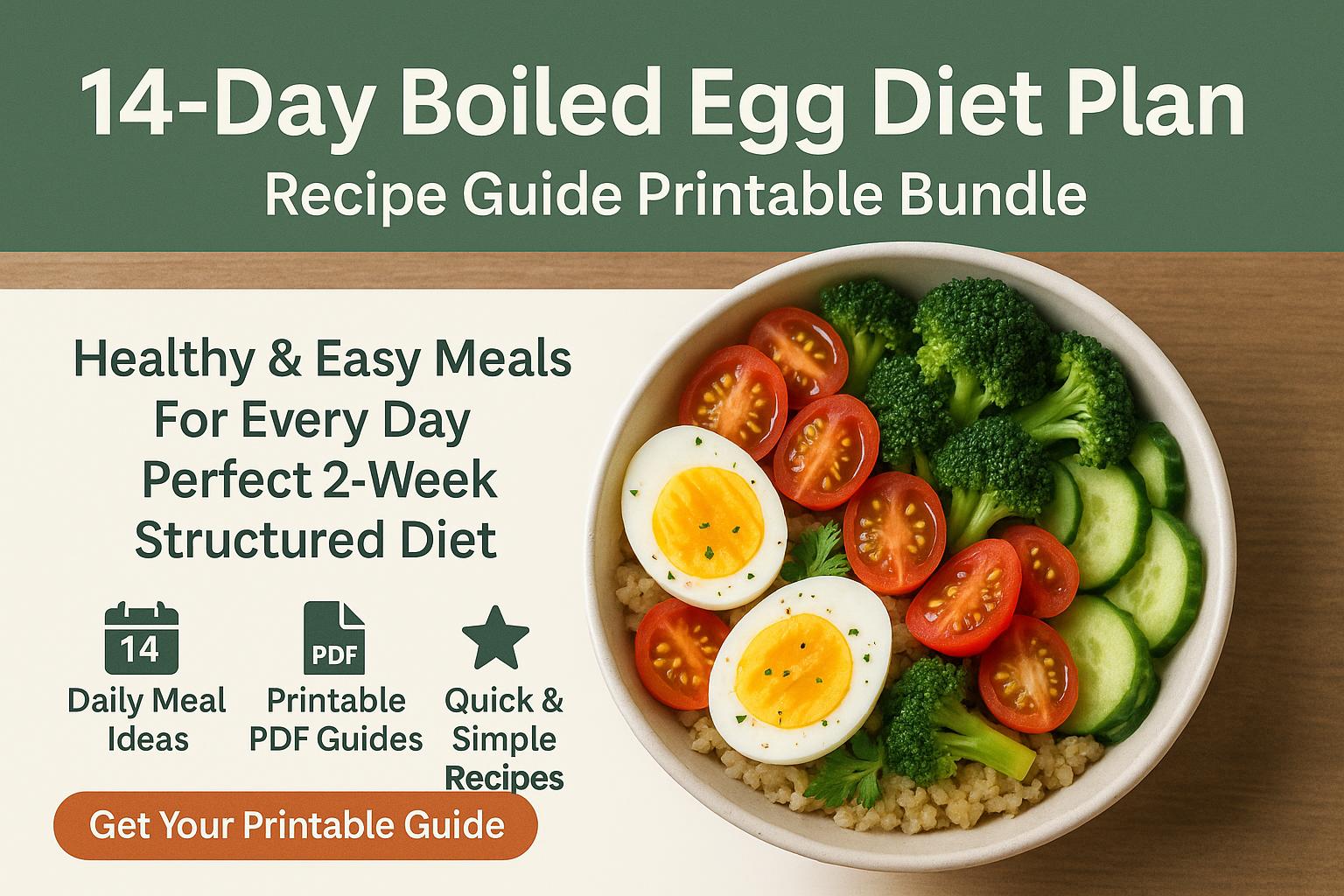
Instant Download! Start Right Away!
What the Egg Diet Is and Why Safety Matters
Many egg-centered plans vary widely, and understanding the common types helps you spot risks fast. Below are the versions you’ll see most often and the practical reasons some are risky.
- Traditional: eggs plus lean proteins, nonstarchy vegetables, and lower‑carb fruit. This version is the least restrictive.
- Egg-and-grapefruit: similar but with strict fruit pairing and fewer carbs.
- Extreme egg-only: almost no other foods — sometimes eggs and water alone.
Restriction matters because many plans ban snacks, sugary drinks, and most carbs. That cuts calories quickly but also cuts variety.
The fast early weight drop on low-carb, high-protein plans usually reflects glycogen depletion and water loss, not steady fat loss. Lower insulin and higher protein often reduce hunger, so people see scale changes and feel encouraged.
Reality check: dramatic claims of multiple pounds per day are almost always water shifts. The extreme mono‑meal approaches carry the biggest risks: no fiber, nutrient gaps, and potential digestive trouble. A safer plan aims to cut calories while keeping varied foods, not to test how long you can tolerate restriction.
Egg Diet Safety: How Many Eggs Are Too Many?
Rather than a single hard cap, safe intake depends on the pattern of your meals. The American Heart Association frames moderate egg consumption as about one per day within a heart-healthy eating plan. Older adults may find up to two per day acceptable when overall quality is high.

What “moderate” consumption looks like
Moderate means pairing eggs with vegetables, whole grains in moderation, and unsaturated fats. That mix supports fiber, vitamins, and better blood-fat profiles.
When multiple eggs per day may become a problem
Eating several eggs daily can be risky when the rest of the menu is high in saturated fat, low in fiber, or lacks variety. Combined with frequent processed meats or butter-heavy cooking, cholesterol and LDL may rise for some people.
Why total intake matters most
Context beats a number: what you cook with, how long you restrict carbs, and how many vegetables you skip shape the effect on health more than eggs alone.
“Focus on balance: use eggs as a protein anchor, not the only food on your plate.”
- Safer: eggs with salad, fruit, and olive oil.
- Riskier: eggs plus processed meat and daily fried butter.
If you regularly have several eggs each day, limit duration, track lipids, and emphasize vegetables and unsaturated fats.
Heart Health, Cholesterol, and Saturated Fat Considerations
When judging heart risk, focus less on one food and more on total fat, cooking methods, and family history.
What research says about eggs, dietary cholesterol, and cardiovascular risk
Studies are mixed. Some observational work links higher dietary cholesterol and higher egg consumption with greater cardiovascular disease risk. Other long-term cohort studies find no clear rise in mortality with moderate intake.
Bottom line: most research is observational, so pattern matters more than a single food.
How saturated fat choices can change the outcome
Saturated fat often drives blood cholesterol more than dietary cholesterol alone. Cooking with butter and pairing eggs with processed meats raises saturated fat and changes the effect on blood lipids.
Simple swaps help: use olive oil or avocado oil more often, and save butter for occasional flavor.
Who should monitor LDL more closely due to genetic risk
Certain adults show larger LDL responses. People with Familial Hypercholesterolemia, the ApoE4 variant, or a strong family history of early heart disease should track lipids when egg intake or consumption patterns change.
If you plan to increase eggs or similar foods, consider a baseline lipid panel and repeat testing after a few months.
- Focus on fiber and vegetables to support heart health.
- Prefer unsaturated oil over butter to lower saturated fat load.
- Watch processed meat pairings — they are a common hidden variable that raises disease risk.
These steps let adults include eggs while managing cholesterol and long-term heart health risk.
Who Should Avoid the Egg Diet or Get Medical Supervision
Not every adult is a good candidate for a high‑protein, low‑variety plan. Some common conditions change the balance of benefits and risk. Read this short checklist before trying an egg diet so you know if you need medical input.

A Great Way to Get Started on the Right Foot!
14-Day Boiled Egg Diet Plan
Recipe Guide Printable Bundle
Healthy, easy meals laid out for you day-by-day. A simple two-week structure you can start immediately.
- 14 Daily Meal Ideas
- Printable PDF Guides
- Quick & Simple Recipes
- Instant Download
Instant Download! Start Right Away!
Kidney disease and protein load concerns
People with chronic kidney disease (especially stages 3–5) may face trouble when protein intake jumps. Extra protein can increase the kidneys’ workload and worsen existing disease.
Do not DIY this: avoid the plan if you have moderate to advanced kidney disease without clinician approval.
Pregnancy and lactation needs
Pregnant or breastfeeding bodies need steady calories, varied carbs, and extra nutrients for fetal growth and milk supply. A very restrictive plan may fall short.
Talk to your clinician before any short-term diet change during pregnancy or postpartum.
History of eating disorders
Highly restrictive plans can trigger relapse or rigid food rules. If you have a past or current eating disorder, avoid this approach unless supervised by a mental-health team.
Diabetes, medications, and blood sugar shifts
People with diabetes—particularly type 2 diabetes—must be cautious. Lower-carb patterns can drop blood sugar quickly and may require medication adjustments.
Check glucose often and consult your provider before changing intake or stopping meds.
Anticoagulants and vitamin K changes
Patients on anticoagulants should avoid big swings in leafy greens and vitamin K. Rapid changes in food groups can alter drug dosing and risk of bleeding or clotting.
“If you plan a restrictive short-term plan, get baseline labs and set a stop plan if symptoms arise.”
| Group | Primary concern | Suggested action | Monitoring tests |
|---|---|---|---|
| CKD stages 3–5 | High protein load | Avoid plan; consult nephrologist | eGFR, creatinine, urine protein |
| Pregnant / lactating | Insufficient calories/nutrients | Do not follow restrictive plan | Weight, prenatal labs, fetal growth checks |
| Diabetes (type 2) | Rapid glucose changes | Clinician-led med review | A1c, fingerstick glucose |
| On anticoagulants | Vitamin K swings | Keep consistent greens; coordinate with prescriber | INR or medication-specific tests |
Simple safety workflow: talk to your clinician, consider baseline labs (lipids, kidney function), and agree on a stop plan if new symptoms or worsening labs occur. This helps lower risk and keeps your health the priority.
How to Do a Safer Egg Diet Plan for Weight Loss
Set clear limits up front: a short, structured timeline helps you chase weight loss without turning a temporary change into a long-term problem.
Timeline and transitions
Keep the plan brief—many people use up to 14 days. Write a return strategy so you add back carbs and whole grains slowly to avoid rebound weight gain.
Use eggs as a protein anchor
Make 1–2 eggs at breakfast a base, not the only food. Pair them with vegetables and a small serving of lower‑carb fruits for fiber and micronutrients.
Meal-building formula
- Protein: eggs or another lean protein.
- Large veggie portion: nonstarchy vegetables to boost fiber.
- Optional fruit: lower‑carb choices if they fit your calories.
Controlled fats and variety
Use measured olive or avocado oil for satiety. Rotate proteins (fish, poultry, tofu, lean beef) so the plan covers more nutrition and avoids monotony.
“Treat the plan as short-term and balanced—variety prevents common micronutrient gaps.”
Practical day example: eggs + spinach at breakfast, chicken salad for lunch, fish and broccoli at dinner, plus steady water and mindful calories.
What to Eat and What to Skip on an Egg Diet
Practical grocery choices decide whether a short-term plan helps weight loss or creates nutrient gaps.

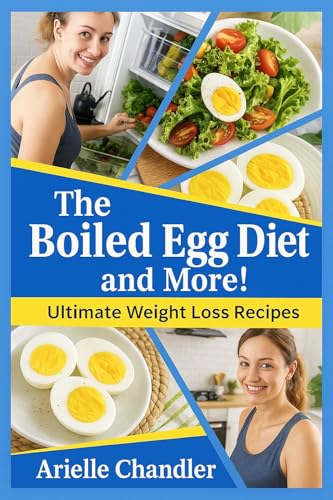
The Boiled Egg Diet: The Easy, Fast Way to Weight Loss!: Lose Up to 25 Pounds in 2 Short Weeks! (Healthy Living and More)
The Boiled Egg Diet: The Easy, Fast Way to Weight Loss!
Lose up to 25 Pounds in 2 short weeks!
- Are you looking to shed pounds quickly?
- Do you want a well-structured meal plan to get you started?
- Are you looking for a diet that will help you ditch those love handles?
If you want to burn fat, become healthier, feel great, and do it all without having to inconvenience yourself with gimmicky diets, then this book is for you.
***This is the Original, Best Selling, Boiled Egg Diet Cookbook – often imitated but never duplicated! Completely re-edited and reformatted in 2023 for your reading pleasure!***

The boiled egg diet is a diet that, as you guessed it, mainly consists of hardboiled eggs. Of course, that isn’t all that you’ll need to eat to shed those pounds! With hardboiled eggs mixed with healthy metabolism-boosting fruits, low-carb vegetables, and other lean proteins, you’ll watch the pounds melt away in as little as two weeks.
Celebrities such as Nicole Kidman and Charles Saatchi have reportedly followed a boiled-egg diet. Kidman allegedly consumed only hard-boiled eggs before starring in “Cold Mountain,” while Saatchi, the ex-husband of chef Nigella Lawson and founder of the ad agency Saatchi & Saatchi, has also adopted the boiled-egg diet.
Many people have reported losing up to 25 pounds in just a few short weeks, but results may vary. In: The Boiled Egg Diet: The Easy Fast Way to Weight Loss! Lose up to 25 Pounds in 2 Short Weeks by Arielle Chandler you’ll find all the information you need to get started, recipes to help you along the way, and a one-week meal plan to get you started on the right track. There’s no reason to deal with unwanted fat when this diet can help you shed those pounds in no time at all!
Allowed foods that fit a low-carb, high-protein approach
Stock your cart with: eggs, lean proteins (chicken, turkey, fish), and nonstarchy vegetables like spinach, broccoli, and zucchini.
Include a few lower‑carb fruits (apple, kiwi, avocado, lemon) and measured fats such as olive or avocado oil. Herbs, spices, low‑fat dairy options, and calorie‑free drinks complete meals without excess calories.
Foods to avoid that can stall results or reduce diet quality
Avoid added sugars, refined grains, starchy tubers, high‑carb fruits, alcohol, and ultra/processed foods such as chips, fries, and hot dogs.
Common pitfall: pairing eggs with processed meats or cooking everything in butter increases saturated fat and undermines heart and metabolic goals.
Why cutting entire food groups can backfire on nutrition
Removing whole groups without planning often causes shortfalls in thiamine, folate, magnesium, calcium, iron, and iodine.
Instead of strict bans, use simple swaps: crunchy cucumbers for chips, unsweetened coffee or tea for sugary drinks, and measured oil for cooking rather than free‑pouring fats.
“Aim for meals that keep you full and cover basic nutrition — balance beats strict exclusion.”
| Category | Suggested choices | Why it helps |
|---|---|---|
| Proteins | Eggs, chicken breast, fish, tofu | Supports muscle, satiety, and steady blood sugar |
| Vegetables & fruits | Spinach, broccoli, zucchini, apple, avocado | Fiber, vitamins, and minerals |
| Fats & oils | Olive oil, avocado oil (measured) | Satiety with less saturated fat when used properly |
| Foods to skip | Sugary drinks, refined grains, chips, alcohol | These add calories, stall results, and reduce diet quality |
Quick tips: rotate proteins, prioritize vegetables, and keep portions of oils measured. The goal isn’t perfection — it’s building meals that help you feel full, control intake, and cover basic nutrition while restricting carbs.
Side Effects to Watch For and How to Reduce Risk
When you cut carbs and raise protein, your body adapts fast and some common effects can show up within days. Expect mild symptoms early; most are manageable with simple steps.
Common early effects
What you may notice: constipation (especially if vegetables and fiber are low), fatigue, headache, dizziness, bad breath, and a “keto flu”–type feeling. These often peak in the first week and then ease.
Constipation and fiber fixes
Zero-fiber meals raise constipation risk. Add nonstarchy vegetables, leafy greens, or small servings of legumes if allowed to keep bowels regular.
Hydration and protein-related intake
Aim for about 35 ml per kg of body weight per day to support kidney filtration and replace water lost with glycogen depletion. That target helps manage fatigue and dizziness that can come with higher protein intake.
Electrolytes: simple guidance
Lower carbs reduce insulin and raise urine output, which can flush sodium and potassium. Some people benefit from modest sodium and potassium support, but check with a clinician first, especially if you have high blood pressure or kidney issues.
Stop signs that mean pause or stop
- Persistent dizziness or fainting
- Heart palpitations or rapid heartbeat
- Severe weakness or confusion
- Worsening gastrointestinal pain or persistent vomiting
If any of these occur, stop the plan and contact your provider.
Training to protect lean mass
To improve weight loss quality, prioritize resistance training about three times per week. This helps preserve muscle while you cut calories; cardio can be added but is secondary for lean-mass retention.
“Feeling awful isn’t required for progress — tolerability is part of good long-term health.”
Quick risk-reduction checklist: add vegetables and fiber, meet hydration targets, avoid extreme calorie cuts, include 3x/week resistance sessions, and get medical input if you have chronic conditions. Small changes make the plan safer and more sustainable.
A Great Way to Get Started on the Right Foot!
14-Day Boiled Egg Diet Plan
Recipe Guide Printable Bundle
Healthy, easy meals laid out for you day-by-day. A simple two-week structure you can start immediately.
- 14 Daily Meal Ideas
- Printable PDF Guides
- Quick & Simple Recipes
- Instant Download
Instant Download! Start Right Away!
Conclusion
In closing, think of eggs as one useful tool rather than the whole toolbox.
Quick recap: the egg diet can deliver fast weight loss but becomes risky when it cuts out variety or runs long. Moderate consumption—paired with vegetables, whole grains, and lean proteins—fits many heart‑healthy patterns.
Who needs extra care? People with kidney issues, those who are pregnant or breastfeeding, anyone with an eating‑disorder history, people on certain diabetes meds, and those on anticoagulants should talk to a clinician before trying this plan.
After short-term results, shift to a balanced pattern like Mediterranean or DASH. That way eating eggs supports your nutrition instead of replacing it, and you get repeatable, sustainable results.