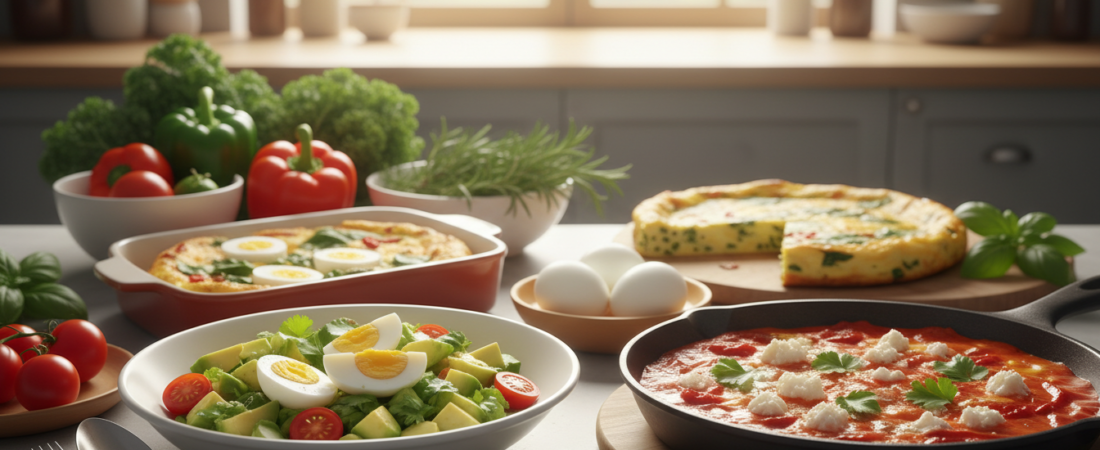
Surprising fact: nearly half of midlife women who change their diet report measurable relief in hot flashes and energy within four weeks.
Registered dietitians built a structured seven-day framework using ESHA Food Processor to guide intake. The sample plan sits at 1,800 calories with 1,500 and 2,000 options. It aims to provide ~80 g protein and ~30 g fiber daily while prioritizing protein, healthy fats, complex carbs, calcium, and magnesium.
This approach uses eggs as a flexible anchor while rotating other proteins like fish, chicken, tofu, and beans so nutrition stays balanced. It is an informational, expert-inspired how-to framework, not medical advice.
Why it helps: the plan simplifies choices at breakfast, lunch, and dinner, supports steadier energy, curbs intense cravings, aids weight management, and keeps nutrition steady when sleep is disrupted.
Coming next: symptom triggers, daily targets, a step-by-step “build your plate” method, grocery lists, meal-prep tips, a 7-day framework, and calorie adjustments you can try at home.
Key Takeaways
- Expert-created 7-day framework analyzed with ESHA targets ~80 g protein and 30 g fiber daily.
- Flexible use of eggs plus varied proteins keeps nutrition balanced and practical.
- Focus on protein, fiber, omega-3s, calcium, and magnesium supports midlife health.
- Designed to steady energy, reduce cravings, and help manage weight.
- Not medical advice—use as an actionable how-to plan and adapt calories to 1,500–2,000 as needed.
Why Egg-Centered Eating Works During Menopause
Changes in hormones can quietly reset appetite signals and make weight gain feel easier, even when your routine stays the same.
As estrogen falls, metabolism tends to slow; many women burn roughly 250–300 fewer calories per day. That shift can weaken hunger-suppressing cues and boost cravings for quick sugars, which hurts steady energy and can lead to unwanted loss of control over portions.
How hormone shifts affect appetite and sleep
Poor sleep tied to hormonal changes worsens next-day hunger and blood sugar swings. A structured breakfast helps blunt cravings and keeps the body more balanced.
What this protein-rich option adds beyond protein
That quick, easy protein also brings nutrients like vitamin D (in yolks) that help calcium absorption for bone health. It’s a practical, portable choice when fatigue makes cooking feel hard.
- Works best alongside vegetables, whole grains, beans, fruit, and healthy fats.
- Supports steady energy and satisfaction—small consistent choices matter more than perfection.
Menopause Symptoms Food Can Influence
Many midlife people notice clusters of heat, low energy, and mood swings that foods can either soothe or worsen. Below are common symptom groups and practical ways food affects each one.
Hot flashes and night sweats triggers to watch
Common triggers include alcohol, caffeine, spicy foods, and high-sugar meals. Try testing each trigger one at a time and track patterns rather than banning everything at once.
Sleep, mood, and blood sugar swings
Refined carbs and added sugar can cause a spike-crash cycle that feels like anxiety or irritability, especially when sleep is poor.
Balanced meals with protein + fiber + healthy fat help steady sugar and support more stable mood and energy through the day.
Joint pain, inflammation, and immune support
Diet quality links to inflammation and joint comfort. Aim to add omega-3-rich foods such as chia, walnuts, avocado, and fatty fish to support recovery and immune resilience.
Colorful plants and whole foods also lower overall risk and boost long-term health.
- Map symptom clusters: heat episodes, sleep disruption, mood changes, fatigue.
- Test triggers (alcohol, caffeine, spicy foods, high-sugar meals) and track results.
- Prefer balanced plates to reduce sugar swings and steady energy.
Takeaway: You can’t control every symptom, but daily food choices give you real influence over how often and how intensely they occur.
A Great Way to Get Started on the Right Foot!
14-Day Boiled Egg Diet Plan
Recipe Guide Printable Bundle
Healthy, easy meals laid out for you day-by-day. A simple two-week structure you can start immediately.
- 14 Daily Meal Ideas
- Printable PDF Guides
- Quick & Simple Recipes
- Instant Download
Instant Download! Start Right Away!
Set Your Daily Targets Before You Plan Meals
Define three daily targets first — protein, fiber, and fluids — then build meals around them. Choosing numbers up front makes planning faster and keeps the focus on habits that protect muscle, gut comfort, and steady energy.
How to estimate protein needs
Experts suggest about 0.8–1.2 g protein/kg/day. For a 70 kg person, that equals roughly 56–84 g protein each day.
A practical rule: aim for about 20–30 g protein per meal at breakfast, lunch, and dinner to support muscle and healthy weight over time.
Fiber goals for gut health and steady energy
Most guidelines land around 25–30 g fiber/day, though some recommend up to 45 g. Targets help with satiety, gut comfort, and blood sugar control.
Easy build: add one fruit, one whole-grain or bean-based carb, and at least two cups of vegetables across the day. Increase slowly to avoid bloating.
Calorie needs and why very-low-calorie plans backfire
Metabolism often drops by ~250–300 calories/day in midlife. Very-low-calorie diets (for example, ~1,200/day) can cause hunger, low energy, and nutrient gaps and are usually unsustainable.
Use a realistic calorie range that supports strength and gradual weight loss rather than extreme restriction.
Hydration basics
Water should be your default beverage. Hot flashes and night sweats raise fluid needs, so sip regularly and pair fluids with salty snacks or electrolyte-rich foods if sweating a lot.
- Non-negotiables: protein, fiber, hydration each day.
- Estimate protein with 0.8–1.2 g/kg and target 20–30 g per meal.
- Build fiber by adding fruit, whole grains/beans, and extra vegetables.
Build Your Plate: The Menopause-Friendly Macros (Protein, Fats, Carbs)
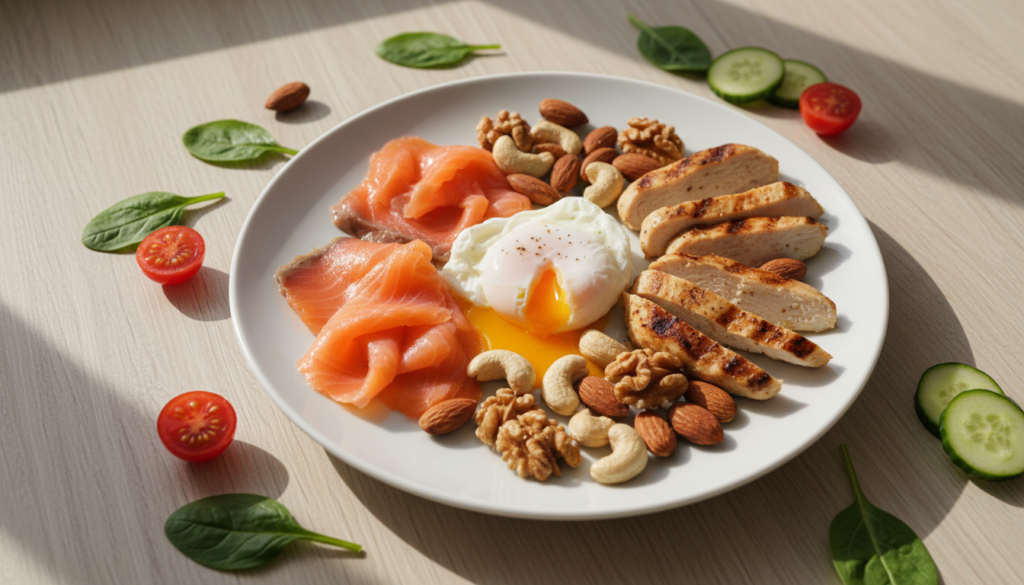
Anchor your plate with protein to protect lean mass and maintain steady energy between meals. Start there, then add fiber-rich produce, a smart carb, and a small portion of healthy fats for satisfaction.
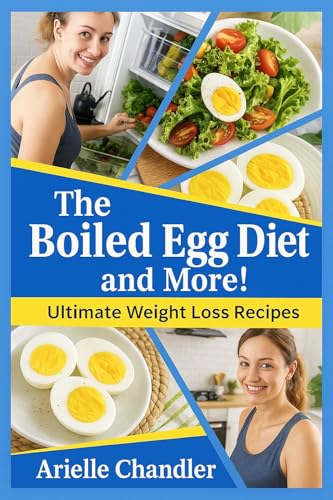
The Boiled Egg Diet: The Easy, Fast Way to Weight Loss!: Lose Up to 25 Pounds in 2 Short Weeks! (Healthy Living and More)
The Boiled Egg Diet: The Easy, Fast Way to Weight Loss!
Lose up to 25 Pounds in 2 short weeks!
- Are you looking to shed pounds quickly?
- Do you want a well-structured meal plan to get you started?
- Are you looking for a diet that will help you ditch those love handles?
If you want to burn fat, become healthier, feel great, and do it all without having to inconvenience yourself with gimmicky diets, then this book is for you.
***This is the Original, Best Selling, Boiled Egg Diet Cookbook – often imitated but never duplicated! Completely re-edited and reformatted in 2023 for your reading pleasure!***

The boiled egg diet is a diet that, as you guessed it, mainly consists of hardboiled eggs. Of course, that isn’t all that you’ll need to eat to shed those pounds! With hardboiled eggs mixed with healthy metabolism-boosting fruits, low-carb vegetables, and other lean proteins, you’ll watch the pounds melt away in as little as two weeks.
Celebrities such as Nicole Kidman and Charles Saatchi have reportedly followed a boiled-egg diet. Kidman allegedly consumed only hard-boiled eggs before starring in “Cold Mountain,” while Saatchi, the ex-husband of chef Nigella Lawson and founder of the ad agency Saatchi & Saatchi, has also adopted the boiled-egg diet.
Many people have reported losing up to 25 pounds in just a few short weeks, but results may vary. In: The Boiled Egg Diet: The Easy Fast Way to Weight Loss! Lose up to 25 Pounds in 2 Short Weeks by Arielle Chandler you’ll find all the information you need to get started, recipes to help you along the way, and a one-week meal plan to get you started on the right track. There’s no reason to deal with unwanted fat when this diet can help you shed those pounds in no time at all!
Anchor each meal with protein
Protein slows muscle loss and steadies blood sugar. Aim to include a solid serving at breakfast, lunch, and dinner.
Try rotations that feel fresh: eggs + Greek yogurt, eggs + beans, eggs + smoked salmon, or eggs + tofu scramble. These combos hit protein goals without repetition.
Choose fats that help mood and inflammation
Prioritize olive oil, walnuts, chia, flax, avocado, and fatty fish for anti-inflammatory benefits. These healthy fats support brain health and may ease mood swings.
Pick complex carbs and whole grains for steady energy
Favor oats, quinoa, brown rice, barley, whole-wheat wraps, beans, and lentils. These grains digest slowly and help prevent cravings and energy dips.
- Simple plate template: protein + vegetables + whole grain + healthy fat.
- Quick balance check: if your plate is mostly refined carbs, swap in a protein and leafy veg to reduce cravings.
Bone Health Priorities: Calcium, Vitamin D, and Magnesium
Midlife brings faster bone turnover, so small daily food choices add up to meaningful protection. Estrogen declines accelerate bone loss, making nutrition a practical prevention strategy you can control.
Pairing calcium-rich foods with vitamin D sources
Why it matters: calcium needs vitamin D to absorb well. Aim to include a calcium source and a vitamin source in the same day — and often the same meal — to boost uptake and help protect bone strength.
Easy, doable add-ins
- Quick combos: veggie omelet plus a side of yogurt; scrambled eggs with canned salmon for a vitamin boost.
- No-cook options: cottage cheese snack jars, plain Greek yogurt with berries, or fortified plant milks in oats.
- Greens and swaps: kale or spinach in scrambles and canned sardines or fortified milks as simple calcium sources.
Don’t forget magnesium. Nuts, seeds, legumes, and leafy greens support bone and muscle function and fit easily into everyday meals.
Keep it simple: aim for consistent, small “bone-supporting reps” each week rather than chasing perfection.
Egg‑Based Meal Plans for Menopause: The Step-by-Step Build
A repeatable sequence—anchor, fiber, omega-3, bone-support—lets you create meals without recipes. Use this short checklist to make balanced plates that fit your schedule. The idea is to keep the anchor steady and rotate supportive sides so choices stay simple and sustainable.
Choose your anchor
Step 1: pick the egg anchor that fits your day. Hard-boiled eggs work for grab-and-go. A quick scramble fits rushed mornings. A frittata or egg bake can be batch-cooked for several meals.
Add fiber-rich sides
Step 2: add vegetables at lunch and dinner and fruits at breakfast or snacks. Include legumes or whole grains to extend fullness and avoid sugar dips.
Layer omega-3s and healthy fat
Step 3: sprinkle chia or flax seeds into oats, add walnuts to yogurt, include avocado in bowls, or choose salmon/tuna at lunch and dinner to support mood and inflammation.
Finish with bone-supporting choices
Step 4: round out plates with yogurt, cottage cheese, leafy greens, or fortified milks to keep calcium and vitamin D present most days.
“Keep the anchor the same and let the sides rotate — that’s how plans stay doable long term.”
Quick build example: egg-and-spinach breakfast + berries; tuna salad with olive oil at lunch; cottage cheese snack; salmon with greens and quinoa for dinner. Flexible, repeatable, and easy to scale.
Choose the Best Egg Styles for Your Schedule
Choosing practical egg preparations helps you stay nourished when time is tight and energy is low. Plan a few formats that fit your typical day so breakfast won’t default to quick carbs when fatigue hits.
Fast formats that work on rush mornings
Hard-boiled options are grab-and-go and pair well with fruit or whole-grain toast. They suit mornings with zero time and help you hit protein goals quickly.
Low-mess prep that lasts through a busy week
Sheet-pan egg bites or muffin-tin bakes let you make multiple portions in one session. Store single portions in containers and rotate flavors like salsa, herbs, or veggies to avoid boredom.
5-minute fixes when cooking feels tiring
A quick scramble with spinach and whole-grain toast gives balanced energy and takes minutes. Keep pre-washed greens or frozen veggies handy to shave time.
- Prevent protein gaps by prepping batches on low-effort days.
- Pair prepped portions with fruit, yogurt, or nuts to balance carbs and fats.
- Use sealed containers and label dates; prep a few days at a time to maintain freshness.
| Format | Prep Time | Best Use | Storage |
|---|---|---|---|
| Hard-boiled | 10–12 min | Grab-and-go mornings | Refrigerate 5–7 days |
| Sheet-pan egg bites | 20–30 min (batch) | Busy weeks, portion control | Refrigerate 4–5 days; freeze 1 month |
| Quick scramble | 5 min | Same-day breakfasts | Eat immediately; refrigerate leftovers 1–2 days |
“A little prep saves time later: reliable protein early can cut late-afternoon snacking.”
Quick tip: prep 3–4 servings, rotate mix-ins, and stash single portions so every busy day still supports steady energy and better choices.
Stock a Menopause-Smart Grocery List
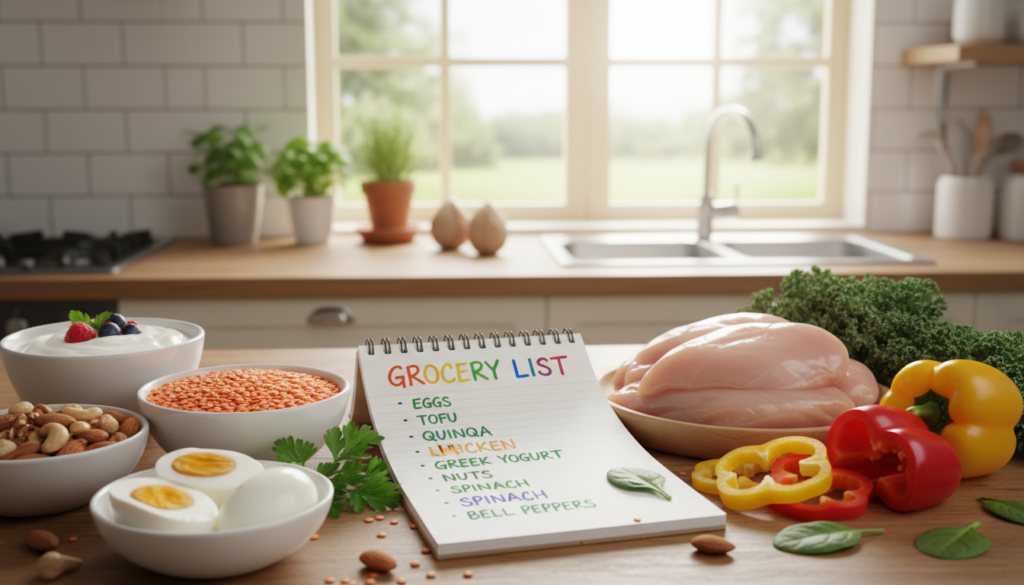
Start your shopping with a short list of versatile building blocks you can mix into simple, satisfying plates all week.
A Great Way to Get Started on the Right Foot!
14-Day Boiled Egg Diet Plan
Recipe Guide Printable Bundle
Healthy, easy meals laid out for you day-by-day. A simple two-week structure you can start immediately.
- 14 Daily Meal Ideas
- Printable PDF Guides
- Quick & Simple Recipes
- Instant Download
Instant Download! Start Right Away!
Proteins to keep on hand
Proteins: eggs, salmon, tuna, chicken, tofu, tempeh, canned beans, and lentils. Rotate these to add variety and steady amino acids across days.
Fiber boosters and vegetables
Stock oats, quinoa, brown rice, whole grains wraps, berries, broccoli, Brussels sprouts, cauliflower, and frozen legumes. These choices add bulk and help support fiber goals without fuss.
Healthy fats, seeds, and bone-support staples
Make olive oil your default. Add walnuts, chia, flax, and avocado to boost omega-3s. Keep plain Greek yogurt, cottage cheese, leafy greens, and fortified milk for calcium and vitamin D.
Busy-week shortcut: frozen vegetables, canned beans, and pouch tuna make a balanced plate in under 10 minutes.
| Category | Examples | Why it helps |
|---|---|---|
| Proteins | Eggs, salmon, chicken, tofu, lentils | Builds muscle and satiety |
| Grains & fiber | Oats, quinoa, brown rice, whole-wheat wraps | Steady energy and gut health |
| Fats & seeds | Olive oil, walnuts, chia, flax, avocado | Supports mood and inflammation |
“A short menu of staples helps you mix and match without a recipe book.”
How to Structure a Day of Meals and Snacks
Designing a simple day with protein-led meals and purposeful snacks cuts sugar spikes and supports better sleep. Think of the rhythm as four anchors: breakfast + A.M. snack, lunch + P.M. snack, and a mindful dinner. This pattern helps steady energy and keeps cravings predictable.
Breakfast + A.M. snack that won’t spike blood sugar
Start with protein and add fiber to blunt sugar swings. Pair an egg-focused plate with oats, fruit, or whole-grain toast and a few vegetables to slow digestion.
For an A.M. snack, pick protein plus fiber—Greek yogurt with berries, a small handful of nuts, or apple slices with nut butter. These choices keep focus and prevent a quick crash.
Lunch + P.M. snack for steady energy and fewer cravings
Build lunch around protein, veggies, a healthy fat, and a complex carb. This mix helps you avoid the 3 p.m. slump and reduces late-afternoon reach for sweets.
Use the P.M. snack intentionally. Cottage cheese, edamame, or a bit of hummus with raw veg bridges lunch to dinner so hunger doesn’t drive choices.
Dinner for satiety, sleep support, and recovery
Make dinner satisfying but not heavy. Aim for protein and lots of vegetables plus a moderate serving of whole grains or starchy veg. That balance supports recovery and better sleep.
Mind timing: limit alcohol and late caffeine to reduce night wakings and hot flashes. Hydration and avoiding known triggers help digestion and rest.
“A steady daily rhythm—planned snacks and protein-rich meals—keeps energy predictable and nights calmer.”
A 7-Day Expert-Inspired Framework You Can Follow
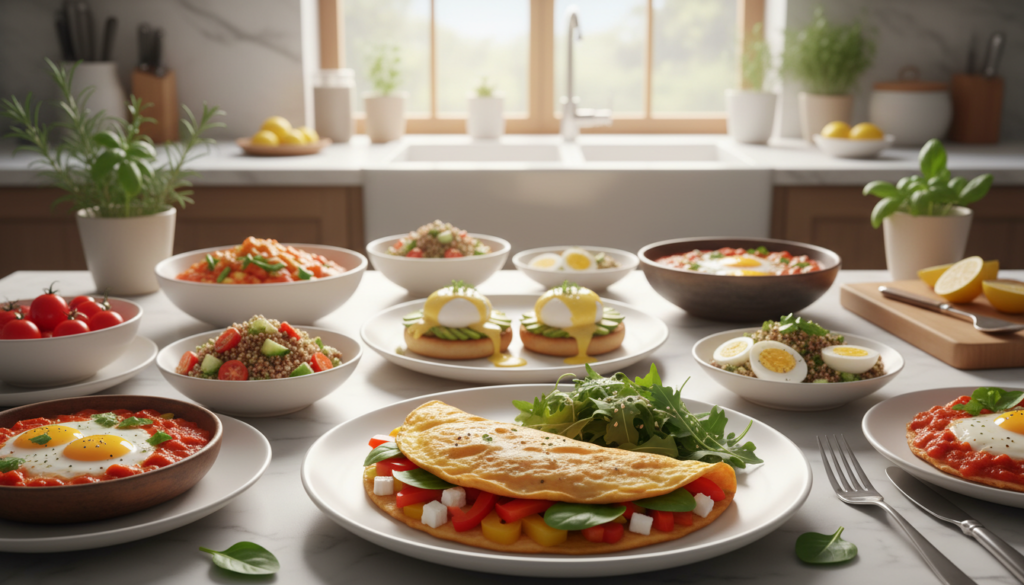
Use a simple weekly rhythm to reduce decision fatigue while hitting protein and fiber targets most days. The EatingWell-style 7-day approach lands near 1,800 calories and aims for ~80 g protein and ~30 g fiber daily.
What a typical 1,800-calorie day looks like
Think: an oats + egg breakfast, a protein-forward lunch, a balanced dinner, and two purposeful snacks. Totals often range 1,757–1,897 calories with protein commonly 87–137 g and fiber 30–41 g.
Breakfast patterns
Rotate oatmeal with an egg, breakfast bowls, and tofu scramble options to keep mornings fresh while meeting protein goals.
Lunch patterns
Choose wraps, big salads with chicken, or tuna-based bowls for quick protein and omega-3s. These pack well and travel easily.
Dinner patterns
Include salmon nights, tofu curry with rice, and comfort-style chicken Parmesan to balance enjoyment and nutrition.
Snack patterns
Lean on yogurt, cottage cheese jars, edamame, nuts, and fruit to bridge meals without ultra-processed choices.
“Pick 2–3 breakfasts you like and repeat them, then rotate lunches and dinners to cut planning fatigue.”
- Repeatable framework: not locked to recipes—follow patterns that hit protein and fiber.
- Usability tip: batch 2–3 dinners and two snacks to simplify busy days.
Calorie Adjustments Without Rewriting the Whole Plan
Small, repeatable tweaks let you change daily calories without losing the balance that protects muscle and mood. The goal is to keep structure—protein at each meal, fiber, and healthy fats—while dialing portions or add-ons up or down.
How to modify meals for 1,500 calories
Trim add-ons, not core servings. Preserve protein portions and shave calories by removing or shrinking extras: skip the P.M. snack, omit salsa at lunch, or drop an avocado or a small handful of walnuts on heavier days.
- Omit A.M. or P.M. snack on selected days.
- Remove high-calorie toppings like salsa or extra nuts rather than shrinking every meal.
- Keep a cup of yogurt or a hard-boiled egg (if used) to protect protein and support weight loss goals.
How to modify meals for 2,000 calories
Add nutrient-dense boosts. Increase calories with items that raise protein and quality: add ½ cup salsa at lunch, include an extra hard-boiled egg or a serving of cottage cheese, add more oats or an extra portion of energy balls, or add ½ avocado or extra walnuts.
Why 1,200-calorie days aren’t recommended for most people
Very-low-calorie days make it hard to meet protein, fiber, and micronutrient targets. The 2020–2025 Dietary Guidelines note that most adults will struggle to get adequate nutrition and sustain the routine.
For safe weight loss, prioritize steady protein, strength training, and modest calorie reductions you can repeat. Small, sustainable changes beat drastic cuts that collapse after a week.
“Adjust the dials—snacks and add-ons—so the structure stays the same and the plan is repeatable.”
Mix-and-Match Swaps That Keep Nutrition on Track
A few simple rules make trading lunches or dinners easy and reliable.
Match the big three: aim to swap recipes with similar calories, similar amounts of protein, and comparable sodium so your daily targets stay intact. This keeps the 1,800-calorie framework steady and avoids surprise hunger.
Practical swap rule: if you trade a higher-calorie lunch for a lighter one, adjust a snack later rather than skipping dinner or restarting the day. Small edits keep balance without stress.
A Great Way to Get Started on the Right Foot!
14-Day Boiled Egg Diet Plan
Recipe Guide Printable Bundle
Healthy, easy meals laid out for you day-by-day. A simple two-week structure you can start immediately.
- 14 Daily Meal Ideas
- Printable PDF Guides
- Quick & Simple Recipes
- Instant Download
Instant Download! Start Right Away!
How to repeat without losing progress
It’s fine to repeat the same breakfast or lunch. Breakfasts in the framework run about 196–422 calories and lunches about 328–588 calories, so repeating saves decision time and helps hit targets.
Quick examples and a time-saving tip
- Tuna salad lunch ↔ salmon pita — similar protein and calories.
- Tofu curry dinner ↔ chicken sheet-pan meal — swap plant and animal proteins with similar portions.
- Oatmeal + egg breakfast ↔ breakfast bowl with eggs — keep fiber and protein steady.
“Treat the plan as a framework: consistency beats perfection when symptoms or schedules get tough.”
Menopause Symptom Triggers to Limit (Without Feeling Deprived)
Some items in your regular diet can raise the number and intensity of hot flashes and disturb sleep. Learn to test one change at a time so you can spot real triggers without feeling punished.
Added sugar, refined carbs, and ultra-processed foods
Why it matters: added sugar and refined carbs cause quick spikes and crashes in blood sugar. Those swings can increase cravings, irritability, and the chance of more flashes.
Ultra-processed foods—think sugary drinks, packaged snacks, and fast food—often pack sugar, sodium, and saturated fat. They are easy to overeat when fatigue is high and can worsen inflammation and weight concerns.
Alcohol, caffeine, and spicy foods if they worsen hot flashes or sleep
Alcohol and caffeine can trigger hot flashes and cut into sleep quality. You don’t have to quit, but watch timing and amount: try limiting alcohol in the evening and switching to decaf after noon if sleep is fragile.
Spicy foods create immediate heat episodes for some people; others tolerate them fine. Treat spicy items as an optional trigger to test.
- Experiment, don’t punish: change one thing for two weeks and note flash frequency and sleep quality.
- Swap without deprivation: fruit + yogurt instead of dessert; sparkling-water mocktails instead of a second drink.
- Small wins: reduce added sugar and choose whole foods to support better sleep and overall health.
“Track one trigger at a time and keep the goal practical: fewer flashes, better sleep, and a more sustainable diet.”
Include Phytoestrogens and Soy Foods Strategically
Small, steady servings of soy and flaxseed spread through the day may help lower how often hot flashes occur. Phytoestrogens are plant compounds that act like mild estrogens in the body. Researchers note they can reduce hot flashes and night sweats when included regularly.
Where tofu, edamame, and tempeh fit alongside eggs
Think of soy as a weekly add-on, not a total swap. Use tofu, edamame, tempeh, or soy milk on some days to diversify protein and boost fiber. Keep familiar protein anchors on other days so the plan stays simple.
Simple ways to spread flax and soy through the day
Practical placement ideas:
- Morning: stir ground flaxseed into oats or yogurt.
- Lunch: toss edamame into salads or grain bowls.
- Dinner: add marinated tofu or tempeh to a veggie bowl.
- Snacks: soy milk smoothies or roasted edamame as a P.M. option.
Why spacing matters: steady intake seems more helpful for symptom relief than occasional large portions. If soy doesn’t agree with you, choose other high-fiber legumes and seeds to support overall health and reduce flashes.
| Food | When to eat | Benefit |
|---|---|---|
| Tofu | Dinner or scramble | Protein + fiber boost |
| Edamame | Lunch or snack | Easy protein, fills in fiber |
| Ground flaxseed | Breakfast or smoothies | Omega-3s and extra fiber |
| Tempeh | Grain bowls or stir-fries | Fermented soy, hearty protein |
“Consistent, small servings of phytoestrogen-rich foods may lower hot flash frequency when used as part of a balanced routine.”
Meal Prep and Lifestyle Habits That Make the Plan Stick
A few simple habits—meal prep, short strength sessions, and small food additions—make this way of eating easier to keep up. Systems beat motivation when sleep is poor or cravings surge.
Plan meals ahead when fatigue and cravings hit
Why it matters: fatigue and disrupted sleep make willpower unreliable. Planning ahead reduces impulsive choices that fuel weight gain and energy crashes.
Weekly prep checklist:
- Boil eggs and portion protein-rich snacks.
- Wash greens and prep a veggie tray.
- Cook a whole grain and portion single servings (quinoa, brown rice).
- Portion yogurt, cottage cheese, and edamame into snack containers.
Add strength training to support muscle mass and bone health
Exercise guidance: aim for 150 minutes/week of moderate activity plus at least two full-body strength sessions, which support muscle, bone, and metabolism (Midi Health guidance).
Try two short sessions weekly with body-weight moves or dumbbells—progress beats intensity.
Use “add, don’t subtract” to improve nutrition over time
Focus on adding one small change: a vegetable at lunch, chia in breakfast, or a protein snack. Over weeks, less helpful foods get crowded out naturally and weight trends can stabilize.
“Small additions and simple habits create lasting shifts in lifestyle and health.”
| Habit | Action | Why it helps |
|---|---|---|
| Meal prep | Batch cook grains, wash greens, portion snacks | Reduces impulsive choices that lead to weight gain |
| Strength training | Two full-body sessions/week (20–40 min) | Preserves muscle, supports bone health, boosts metabolism |
| Add-first approach | Add vegetables, seeds, or protein snacks | Improves nutrition without strict restriction |
Conclusion
Menopause brings real shifts in appetite and metabolism, but a simple, protein-forward routine can make food choices easier.
Big picture: focus on protein at every serving, fiber daily, omega-3 fats and seeds, plus calcium paired with vitamin D to support bones and energy. Hydration helps hot flashes and digestion, and very-low-calorie days usually backfire.
Practical method: pick a reliable protein anchor, add vegetables and fruits for fiber, include healthy fats, and keep yogurt or fortified milk in rotation for calcium and vitamin support. Track symptoms—hot flashes, sleep, mood, and energy—to see what to limit (sugar, alcohol, caffeine, spicy foods).
Make it sustainable: modest calorie tweaks beat extreme cuts. Aim for a Mediterranean-leaning, whole-food pattern with consistent meal timing and room for enjoyment. Start small: choose one breakfast pattern and one snack this week, then build the routine as it feels natural.