

Surprising fact: research shows that small changes in breakfast habits can improve focus over weeks for many adults, not instantly.
This guide sets realistic expectations. You’ll learn how a single, practical food can fit into a focus-first morning routine without promising a quick fix.
We’ll explain what people mean by steady attention, fewer energy dips, and steadier mood. Then we’ll show why breakfast timing and simple pairings matter for daily brain performance.
Why this food helps: it supplies protein, choline for memory signals, and tryptophan that supports mood pathways. That mix can support clearer thinking over time when paired with a solid diet pattern like Mediterranean or MIND.
Later sections cover quick US-friendly recipes, how to handle cholesterol questions, and what the research says about memory risk. The focus is on repeatable habits, not one miracle item.
Key Takeaways
- Small breakfast changes can boost focus over time.
- Steady attention links to stable energy and mood.
- This food offers protein, choline, and tryptophan for brain support.
- Pairings and routine matter more than a single meal.
- We’ll address cholesterol risk and practical morning options.
Why Eggs Support Brain Function and Focus
A focused morning often starts with nutrients that help brain cells talk to each other.
Choline: a simple way to boost memory signaling
Choline helps make acetylcholine, a chemical that lets brain cells communicate. This supports short-term recall, so you miss fewer “where did I leave that” moments.
High-quality protein for steady energy
Protein at breakfast slows glucose spikes, which can lower the mid-morning crash many people face. Compared with sugary options, a protein-forward start tends to keep you satisfied longer, so focus stays steadier.
Tryptophan, serotonin, and mood support
Tryptophan is used to make serotonin, a neurotransmitter linked to mood balance. A steadier mood often makes it easier to stay sharp during work, study, or chores.
Note: this food works best as part of a varied, nutrient-rich pattern, not as a single fix.
| Nutrient | Role | Everyday effect |
|---|---|---|
| Choline | Acetylcholine production | Better recall, task switching |
| Protein | Steady blood sugar | Longer satiety, sustained focus |
| Tryptophan, B12, lutein | Serotonin support, cell protection | Mood stability, antioxidant benefits |
How to Use Eggs and Mental Clarity as a Daily Focus Strategy
Start your day with a simple plan that supports focus: a protein base plus fiber and produce.

A Great Way to Get Started on the Right Foot!
14-Day Boiled Egg Diet Plan
Recipe Guide Printable Bundle
Healthy, easy meals laid out for you day-by-day. A simple two-week structure you can start immediately.
- 14 Daily Meal Ideas
- Printable PDF Guides
- Quick & Simple Recipes
- Instant Download

Instant Download! Start Right Away!
Choose a brain-friendly breakfast that starts with eggs
Focus breakfast formula: eggs + fiber + color (produce) + healthy fat. This meal pattern supports steady energy and satiety while supplying key nutrients for the brain.
Pair with fiber-rich foods
Fiber supports the gut-brain axis. Try oats, berries, whole-grain toast, beans, or plain Greek yogurt with low added sugar.
Add leafy greens and cruciferous vegetables
Spinach, kale, broccoli, and Brussels sprouts supply vitamin E, K, beta carotene, and folate that protect brain cells from oxidative stress.
Include healthy fats
Olive oil, avocado, nuts, or seeds add monounsaturated fatty acids for fullness and long-term brain support.
Simple meals for real mornings
Scramble with pre-chopped veggies, batch hard-boil for grab-and-go, or microwave eggs in a mug.
| Component | Why it helps | Quick options |
|---|---|---|
| Protein | Sustains focus, reduces crash | Scramble, omelet, hard-boiled |
| Fiber | Supports gut-brain signaling | Oats, berries, whole-grain toast |
| Produce | Vitamins, antioxidants | Spinach, broccoli, peppers |
| Healthy fat | Satiety, fatty acids for brain | Olive oil, avocado, nuts |
How many per day: Many people fit about one egg per day within a balanced diet, but needs vary. If you track cholesterol, consult your clinician for personalized advice.
Build a Brain-Healthy Diet Around Eggs (Not Just One “Superfood”)
Good brain support comes from a steady pattern of nutrient-rich choices, not a single magic item. Think long term: combine protein with plants, healthy fats, and omega-3–rich fish to help preserve focus over months and years.

A Great Way to Get Started on the Right Foot!
14-Day Boiled Egg Diet Plan
Recipe Guide Printable Bundle
Healthy, easy meals laid out for you day-by-day. A simple two-week structure you can start immediately.
- 14 Daily Meal Ideas
- Printable PDF Guides
- Quick & Simple Recipes
- Instant Download
Instant Download! Start Right Away!
Omega-3s from fatty fish
Practical tip: salmon, trout, and sardines are high in DHA, a fatty acid that helps build brain cells and may reduce inflammation. Regular servings of these fish can support brain structure and stable energy levels.
Blueberries, nuts, and dark chocolate
Blueberries’ flavonoids help blood flow to the brain and may boost concentration. Walnuts and other nuts add plant-based omega-3s and healthy fats. A small square of 85% dark chocolate offers flavonoids and a mild caffeine lift for focus.
Olive oil: an easy upgrade
Swap butter for olive oil when cooking, or drizzle it over salads. Olive oil supplies antioxidants and monounsaturated fats that support long-term cognitive health.
Mediterranean and MIND patterns made simple
Follow these rules: more vegetables, whole grains, beans, berries, nuts, and fish; less red meat, butter, sweets, and fried foods. These diet patterns are linked to better brain outcomes over time.
Sample day of brain-boosting foods
| Meal | Example | Why it helps |
|---|---|---|
| Breakfast | Scrambled eggs with spinach + blueberries | Protein, choline, flavonoids |
| Snack | Handful of walnuts or almonds | Healthy fats, plant omega-3s |
| Lunch | Greens salad with olive oil & lemon | Antioxidants, monounsaturated fat |
| Dinner | Grilled salmon, quinoa, roasted vegetables | DHA, whole grains, fiber |
“Small changes — like swapping butter for olive oil or adding a fish serving twice weekly — add up to measurable differences in brain health.”
Snack strategy: replace ultra-processed treats with blueberries, nuts, or a tiny piece of dark chocolate to support steady concentration through the day.
What Research Says About Eggs, Memory, and Risk Factors
A Great Way to Get Started on the Right Foot!
14-Day Boiled Egg Diet Plan
Recipe Guide Printable Bundle
Healthy, easy meals laid out for you day-by-day. A simple two-week structure you can start immediately.
- 14 Daily Meal Ideas
- Printable PDF Guides
- Quick & Simple Recipes
- Instant Download
Instant Download! Start Right Away!
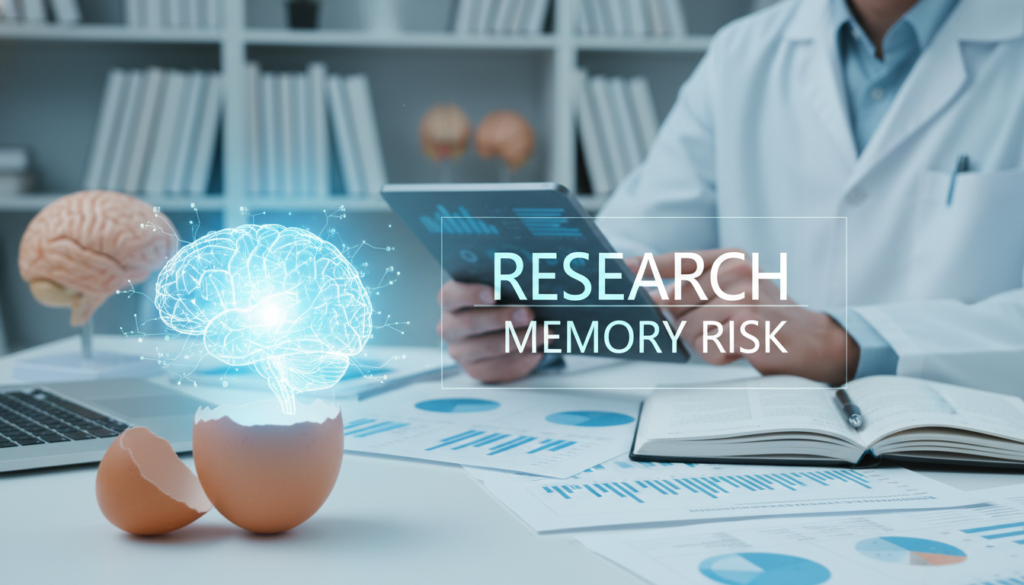
Decades-long research offers a clearer view of whether one common breakfast item affects later memory. Large cohort studies help set expectations about food as part of a brain-support plan.
Long-term study findings
Key takeaway: the Finnish Kuopio 30-year study found that eating about one egg per day did not raise memory disorder risk in that population. Dietary cholesterol showed no association with dementia or Alzheimer’s there. Higher intake linked to slight gains on some brain tests.
Link versus proof and APOE4
Observational research can show a link but cannot prove cause. Results may vary by country, sex, or overall diet. APOE4 is a genetic factor tied to higher dementia risk; some people may react differently to dietary cholesterol. Discuss personal factors with a clinician.
How to tell if a brain-friendly plan is working
Clinicians monitor blood levels for nutrients, run memory tests and broad cognitive assessments, sometimes order imaging. Tracking these measures over months helps show change.
Supplements versus whole food
Practical note: supplements such as omega-3s or B12 may help when tests find a deficiency. For most people, whole food sources provide a fuller mix of nutrients and are the preferred source for brain function support.
“If you have questions about personal risk, review family history, blood work, and diet with your clinician.”
Conclusion
Make one practical breakfast change this week: build a morning around eggs, then back it up with fiber, plants, and healthy fats for steadier focus.
Why it works: protein helps steady energy and key nutrients support brain function when you include these foods as part of a balanced diet.
For longer-term health, add fish for omega-3s, berries, nuts, olive oil, and leafy greens to reduce inflammation and support concentration over time.
Try one simple egg breakfast 3–4 mornings this week, track how you feel, and adjust. Most people can include eggs, but check with a clinician if you monitor cholesterol or other risk factors.
Realistic promise: consistent whole-food choices can benefit the mind and body. Small daily changes add up.