
Surprising fact: some studies show that eating a single daily serving can change markers linked to inflammation in as little as four weeks.
This raises a simple question: do these common pantry staples calm inflammation, spark it, or do both depending on who eats them?
Research is mixed. Whole eggs carry different compounds in yolks and whites. Yokes hold fats, vitamins D and carotenoids; whites deliver protein and phospholipids.
That split helps explain why studies can seem to point in opposite directions. Some components may promote inflammatory pathways while others may help lower them.
What to expect next: we’ll define inflammation, show how researchers measure it, flag common worries about cholesterol and heart health, and weigh the evidence on risks and benefits. By the end, you should be able to decide how these foods fit your eating plan and when to check with a clinician.
Key Takeaways
- Evidence on eggs and inflammation is mixed; results vary by person and diet.
- Yolks and whites have different nutrients that affect the body in different ways.
- Scientists measure many markers, so study findings can look conflicting.
- Main concerns include cholesterol, heart health, and inflammation claims.
- The article will cover both pro-inflammatory pathways and helpful nutrients.
- You’ll get practical guidance to decide when to eat eggs and when to consult a clinician.
A Great Way to Get Started on the Right Foot!
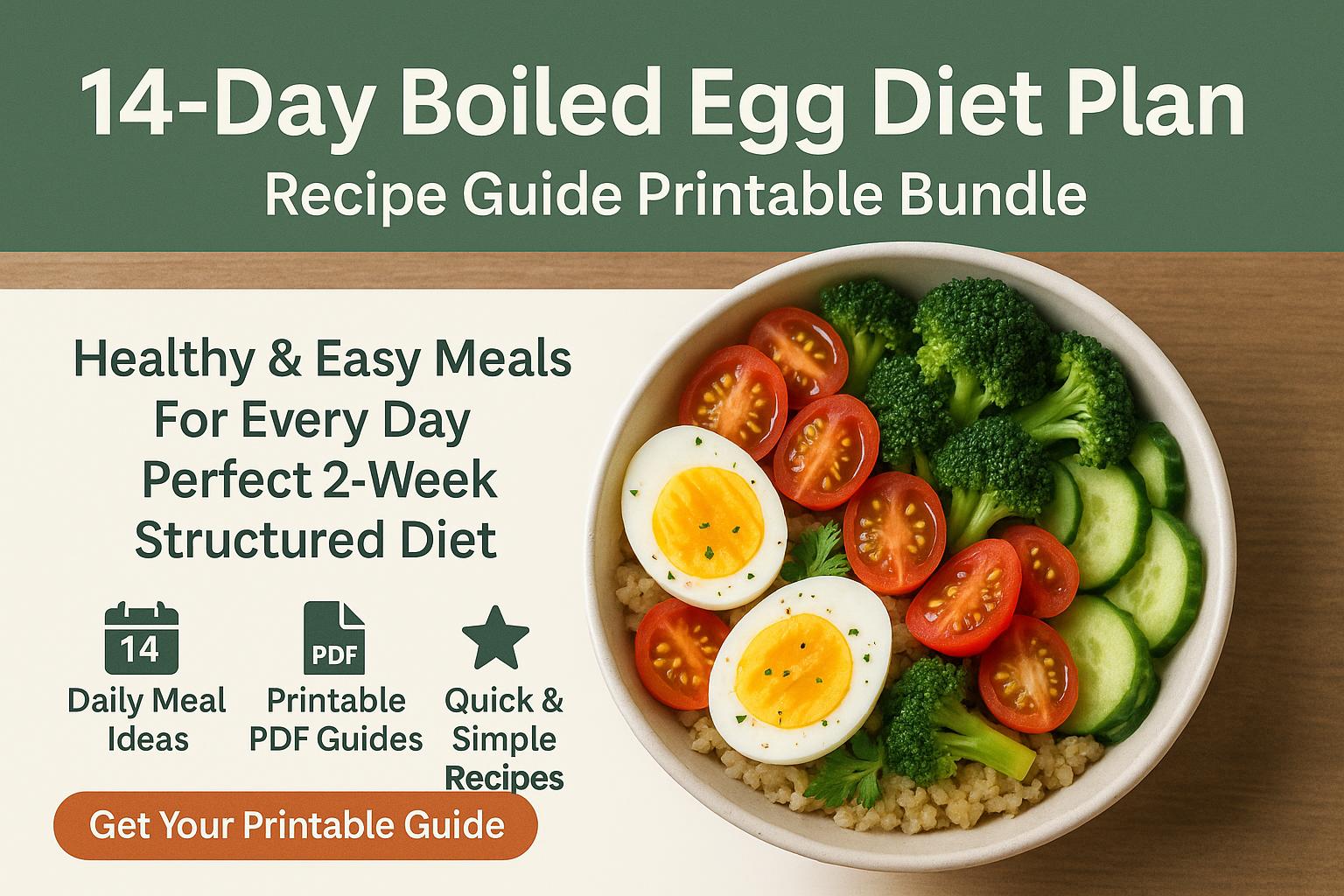
14-Day Boiled Egg Diet Plan
Recipe Guide Printable Bundle
Healthy, easy meals laid out for you day-by-day. A simple two-week structure you can start immediately.
- 14 Daily Meal Ideas
- Printable PDF Guides
- Quick & Simple Recipes
- Instant Download
Instant Download! Start Right Away!
Inflammation and Chronic Inflammation: Why Your Diet Matters
Short bursts of inflammation save lives; persistent low-level inflammation can erode health. Acute responses clear infections and repair injury. They are short and helpful.
Chronic inflammation is different: it stays low but long, and it slowly damages tissue. Over years this pattern raises risk for heart disease, diabetes, and certain cancer types without claiming direct cause for every case.
Diet nudges the immune response. Blood sugar spikes, oxidative stress, gut microbes, and fatty acid balance can shift inflammation up or down. Choosing whole foods, more vegetables, whole grains, and omega-3 sources while limiting ultra-processed foods helps lower harmful signals.
Small changes in diet can show benefits in weeks for some people, though baseline levels and existing conditions affect how fast improvements appear. This context explains why debate exists around eggs within a whole-food plan: components interact with individual risk factors and lifestyle.
“Lifestyle choices shape low-level immune activity more than any single food.”
- Focus on patterns, not single meals.
- Monitor symptoms and test levels with your clinician when needed.
Are eggs anti inflammatory? What the Research Says Today
Studies on dietary effects return varied results depending on who was tested. That simple fact explains much of the disagreement about how these foods affect inflammation.

A Great Way to Get Started on the Right Foot!
14-Day Boiled Egg Diet Plan
Recipe Guide Printable Bundle
Healthy, easy meals laid out for you day-by-day. A simple two-week structure you can start immediately.
- 14 Daily Meal Ideas
- Printable PDF Guides
- Quick & Simple Recipes
- Instant Download
Instant Download! Start Right Away!
Why studies show mixed results on inflammatory markers
Study design matters: researchers use different intake levels, compare breakfast servings to multiple daily portions, and measure different blood markers. Background diets and measurement timing also change results.
Findings in overweight people vs. healthy adults
One trial found higher intake (three or more daily) raised certain blood levels in people with higher weight and metabolic risk. Another trial showed a single serving at breakfast did not raise the same markers in healthy adults.
What “inflammatory markers” actually measure in the blood
Inflammatory markers are blood tests that act as proxies for immune activity. They show shifts in levels, not a binary on/off signal.
- Baseline health and weight influence the body’s response to foods.
- What you eat with a serving matters — refined carbs or processed meats can change outcomes.
- One study rarely settles a question; mixed results point to context and individual variation.
Why Eggs Might Increase Inflammation for Some People
Specific compounds inside the yolk may trigger pathways that raise inflammatory markers in some individuals. Not everyone responds the same, and context matters: baseline risk, gut microbes, and overall diet change outcomes.
Arachidonic acid and pro‑inflammatory eicosanoids
Arachidonic acid is an omega-6 fatty acids found in yolks. In higher amounts it can feed the body’s machinery that makes pro‑inflammatory eicosanoids.
This does not mean it causes harm in every person, but it can shift signaling when combined with other risk factors.
Choline, gut bacteria, and TMAO
Choline is essential, yet some gut bacteria convert it into compounds that raise TMAO. Studies link higher TMAO with signals tied to heart risk and inflammation.
Context matters: microbiome differences and overall eating patterns determine whether this path is important for any individual.
Saturated fat, cholesterol, and who may be sensitive
Yolks contain small amounts of saturated fat and cholesterol. Research on saturated fat and inflammation is mixed and hard to isolate from diet quality.
Who is more likely to show a stronger response? People with cardiometabolic risk, obesity, or diets high in processed fats may be more sensitive to these effects.
Nutrients in Eggs That May Help Reduce Inflammation
Some nutrients concentrated in yolks and whites offer protective effects that may ease inflammatory stress. This is one of the two truths: the same food can both nudge immune signals up in some people and supply compounds that help reduce inflammation in others.

A Great Way to Get Started on the Right Foot!
14-Day Boiled Egg Diet Plan
Recipe Guide Printable Bundle
Healthy, easy meals laid out for you day-by-day. A simple two-week structure you can start immediately.
- 14 Daily Meal Ideas
- Printable PDF Guides
- Quick & Simple Recipes
- Instant Download
Instant Download! Start Right Away!
Omega-3 enriched options
Omega-3 enriched eggs boost intake of beneficial fatty acids for people who rarely eat fatty fish. These fatty acids support healthier immune signaling and can help reduce inflammation when part of a balanced diet.
Vitamin D and immune response
Vitamin D in yolks plays a measured role in immune modulation. Research suggests vitamin D may influence markers tied to arthritis and joint pain, though it is not a cure. Discuss supplementation with your clinician if you have chronic conditions.
Antioxidants: lutein and zeaxanthin
Lutein and zeaxanthin help counter oxidative stress, a driver of inflammatory damage. These antioxidants protect cells and may lower signals linked to inflammation over time.
Proteins and phospholipids as functional food components
Egg protein and phospholipids make this food nutrient-dense. They support muscle, aid nutrient transport, and may contribute to a healthier inflammatory response when combined with whole-food choices.
- Practical tip: choose omega-3 enriched varieties if you want a simple way to improve fatty acid balance without adding more fish to your plate.
- Outcome focus: these nutrients can support overall health, reduce inflammation-related discomfort, and help lower long-term disease risk factors when used in context.
Can Eggs Fit Into an Anti-Inflammatory Diet?
How you build a meal matters more than any one ingredient. If your daily pattern favors whole foods, fruits, vegetables, whole grains, nuts, beans, olive oil, and fatty fish, a single serving can fit well.
Moderation and context
Moderation means balancing portions and watching what else is on the plate. People with metabolic risk may benefit from fewer yolk-heavy meals and more plant-forward choices.
Practical pairings that reduce inflammation
Choose combinations that boost fiber and healthy fats. Try a poached protein with sautéed spinach, tomatoes, peppers, or broccoli tossed in extra-virgin olive oil.
- Add avocado or a sprinkle of nuts for monounsaturated fat.
- Serve with whole-grain toast, oats, or a side of beans or lentils for fiber.
- Rotate in fatty fish twice weekly to improve omega-3 balance.
Cooking methods that matter
Cooking changes the health profile of a meal. Poached, boiled, or soft-scrambled preparations keep fat and oxidation low.
By contrast, deep-fried or heavily breaded dishes — especially when made in reused oils — can push a meal toward processed, pro‑inflammatory patterns.
“A Mediterranean-style plate—vegetables, legumes, whole grains, olive oil, and occasional fish—offers a simple template for healthier meals.”
| Cooking Method | Typical Fats Used | Effect on Meal Quality |
|---|---|---|
| Poached / Boiled | None | Lower added fat; preserves nutrients |
| Soft-scrambled (olive oil) | Extra-virgin olive oil | Good balance of flavor and healthy fats |
| Pan-fried (butter) | Butter or margarine | Higher saturated fat; use sparingly |
| Deep-fried / Breaded | Vegetable oils, reused oils | More processed; can increase inflammation signals |
Takeaway: Use a Mediterranean diet as a template. When meals center on whole fruits, vegetables, grains, beans, nuts, olive oil, and fish, occasional servings fit without undermining goals to reduce inflammation.
Who Should Avoid or Limit Eggs for Health Reasons
Some medical conditions make avoiding this food a clear, non-negotiable choice. If you have a confirmed egg allergy, strict avoidance is required because reactions can be severe and sudden.

A Great Way to Get Started on the Right Foot!
14-Day Boiled Egg Diet Plan
Recipe Guide Printable Bundle
Healthy, easy meals laid out for you day-by-day. A simple two-week structure you can start immediately.
- 14 Daily Meal Ideas
- Printable PDF Guides
- Quick & Simple Recipes
- Instant Download
Instant Download! Start Right Away!
Diabetes and higher intake patterns
Evidence links higher habitual intake — for example, more than 7 servings per week — with greater type 2 diabetes risk in some studies. Personal habits and overall diet quality change that risk, so tailor choices to your history.
Hyper-responders and cholesterol concerns
Some people are “hyper-responders”; their blood cholesterol levels rise more after eating dietary cholesterol. If you know your cholesterol or family history raises heart risk, discuss intake with your clinician and monitor levels regularly.
Arthritis and joint pain
Reports of increased joint pain after eating vary. Scientific links remain unclear. If you notice more pain, try a short trial reduction and track symptoms while improving fiber and whole-food choices.
“If you have chronic risk factors, focus on overall diet changes rather than blaming a single food.”
| Condition | Advice | Why it matters |
|---|---|---|
| Egg allergy | Avoid completely | Risk of severe allergic reaction |
| Type 2 diabetes risk | Limit high weekly intake (e.g., >7/week) | Some studies link frequent intake to higher risk |
| High cholesterol (hyper-responder) | Work with clinician; monitor levels | Dietary cholesterol can raise blood cholesterol in some |
| Arthritis / joint pain | Consider symptom tracking and trial reduction | Evidence is mixed; personalized approach advised |
- Decision framework: review family history, recent lab levels, and how often this food appears each week.
- Focus: raise fiber intake, lower ultra-processed foods, and treat single foods as part of an overall plan for better health.
Best Types of Eggs to Choose to Support Heart and Overall Health
Picking the right type of egg can shift your meal’s balance toward healthier fats and better heart outcomes. Small label choices make a measurable difference in fatty content and nutrient mix.
Omega-3 enriched options for a better fatty balance
Why it matters: omega-3 enriched eggs contain higher amounts of omega-3 fatty acids than standard varieties. These fats help improve the fatty profile of a meal, especially for people who eat little fish.
Shopping tip: look for “omega-3” on the label when your diet is low in fatty fish. One serving can add meaningful omega-3s to your plate.
Organic and free-range: diet, antibiotics, and perceived quality
Organic and free-range labels reflect differences in hens’ diets and reduced antibiotic use. Nutrition differences can be small, but many shoppers value the production standards and animal welfare aspects.
Practical lens: choose what fits your budget and values—nutrition gaps can be narrowed by overall diet choices.
Pasteurized eggs for higher-risk groups
Pasteurized eggs reduce the chance of foodborne illness. They are the safer pick for pregnant people, older adults, and immunocompromised individuals when recipes call for soft-cooked or undercooked egg.
| Type | Key benefit | When to choose |
|---|---|---|
| Omega-3 enriched | Higher omega-3 fatty content | Low fish intake; improve fatty balance |
| Organic / Free-range | Different hen diet; reduced antibiotics | Preference for production standards |
| Pasteurized | Lower foodborne illness risk | Pregnant, elderly, immunocompromised |
Storage and handling basics: keep refrigerated, use by the pack date, and avoid cracked shells. Safe handling ensures quality without undermining health goals.
Conclusion
Think in patterns: one meal rarely shifts the body’s steady immune signals.
Bottom line: the link between inflammation and a single food is complex. Some components may push markers up in sensitive people, while nutrients like omega‑3s, vitamin D, and antioxidants can support a healthier response.
Practical steps work best. Keep portions moderate, build meals around vegetables, whole foods, legumes, and fish, and limit ultra‑processed options to help reduce inflammation over time.
If you have heart disease risk, diabetes, high cholesterol, or unexplained symptoms, track labs and discuss intake with a clinician or registered dietitian for tailored advice.