
Surprising fact: Nearly half of U.S. adults have high blood pressure, and small diet swaps can change long-term risk for heart disease and stroke.
This short article explains how a moderate intake of whole eggs, when used wisely, can fit into a blood-pressure-friendly eating pattern without adding excess sodium or saturated fat.
You will learn what “help” means — eggs do not cure high pressure but can support a healthier plate that favors lower blood pressure over time.
Expect clear guidance on how many an individual might eat, which cooking methods keep meals heart-smart, and which add-ons can sabotage progress.
We’ll address the cholesterol debate and why experts now focus on overall diet quality and fat type more than a single nutrient for most people.
Who should be cautious: people with existing cardiovascular disease, marked cholesterol abnormalities, or known sensitivity should consult a clinician before changing intake.
Simple takeaway: moderate intake can be a useful lean-protein swap when it replaces processed, high-sodium choices and is paired with produce, whole grains, and healthy fats.
Key Takeaways
- Moderate use can support lower blood pressure when it replaces salty, processed meats.
- Egg preparation matters — choose steaming, boiling, or poaching over frying with butter.
- Pair with DASH-style sides: vegetables, whole grains, and unsaturated fats.
- They help dietary protein needs without adding excess calories or saturated fat when planned well.
- People with heart disease or cholesterol sensitivity should seek personalized advice from a clinician.
Why Hypertension Happens and How Food Affects Blood Pressure
High blood pressure means the heart and vessels work harder every day, which slowly wears them down. Over time this added strain makes arteries less flexible and raises the chance of heart disease, stroke, and kidney damage.
How this unfolds: consistently high pressure pushes on vessel walls. That stress causes small tears, scarring, and stiffness that increase workload on the heart.
Sodium raises fluid retention and expands blood volume, which often raises pressure—especially in salt-sensitive people. Excess weight, a sedentary lifestyle, and poor diet quality worsen insulin and vascular control and increase overall cardiovascular load.
Food-based steps help. Lowering sodium, eating more potassium-rich produce, and choosing unsaturated fats and fiber can cut blood pressure levels. The DASH model is a proven template: fruits, vegetables, whole grains, and lean protein while keeping sodium near recommended levels.
In that context, eggs can be a flexible protein option when they replace salty, processed choices. They are not a cure, but they fit a higher-quality, lower-sodium eating pattern that can lower long-term risk.
What the Research Says About Eggs, Blood Pressure, and Heart Disease Risk
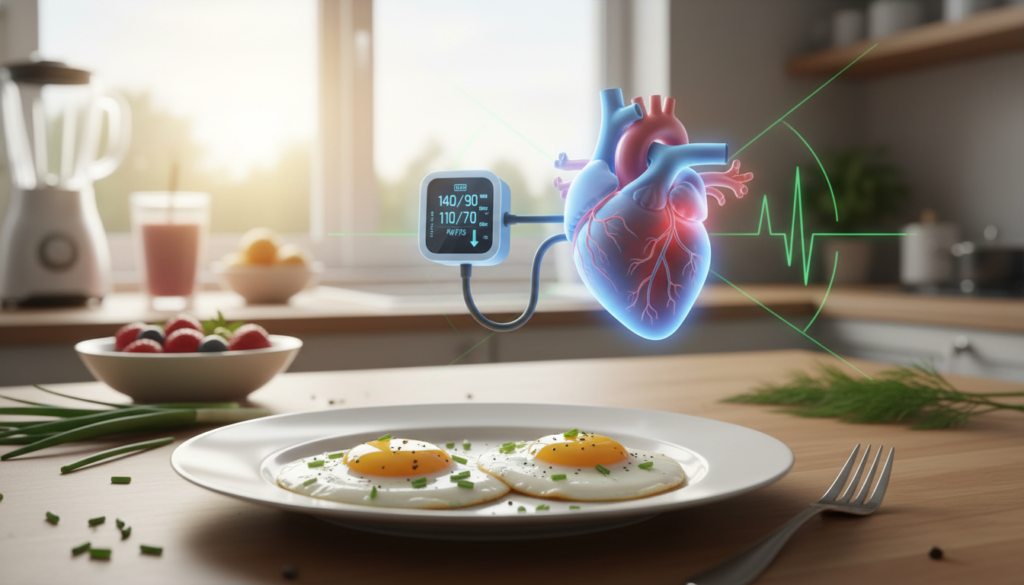
What studies generally show: Many large studies and systematic reviews find that moderate egg consumption—often defined as up to one egg per day—does not significantly raise blood pressure or increase hypertension risk in most adults.
A Great Way to Get Started on the Right Foot!
14-Day Boiled Egg Diet Plan
Recipe Guide Printable Bundle
Healthy, easy meals laid out for you day-by-day. A simple two-week structure you can start immediately.
- 14 Daily Meal Ideas
- Printable PDF Guides
- Quick & Simple Recipes
- Instant Download
Instant Download! Start Right Away!
Evidence on modest intake
Several cohort studies and randomized trials report neutral effects on pressure levels. Some reviews even note a small benefit when egg consumption replaces processed, high-sodium meats.
Replacement matters
The practical benefit often comes from what eggs replace. Swapping bacon or deli meats for an egg-based meal cuts sodium and saturated fat. That replacement effect can lower blood pressure and long-term risk more than the egg itself alters levels.
Why results can vary
Different study populations, cooking methods, and overall diet quality explain mixed findings. Individuals who are sensitive to dietary cholesterol may see larger changes in blood lipids, so labs and personal risk should guide choices.
Quick rule: eggs paired with vegetables and whole grains fit a heart-friendly plate better than eggs with processed meats and refined carbs. Treat research as guidance, then personalize based on your own blood pressure trends and lipid tests.
Egg Nutrition Basics That Matter for Heart Health
Knowing which parts of an egg hold key nutrients helps you plan meals that support steady blood pressure.
High-quality protein and why it supports a balanced diet
Protein at meals helps control appetite and steadies energy. That makes weight goals easier, which indirectly supports healthier blood pressure.
Key vitamins and minerals
Most of the important nutrients live in the yolk: vitamins A, D, B6, B12 and minerals such as selenium, iron, and zinc.
Yolk versus white: nutrient and fat differences
Yolks contain most of the vitamin and mineral content, plus fat and cholesterol. Whites are mostly water and protein and add little fat.
Lecithin and cholesterol regulation
Some sources suggest lecithin may help prevent cholesterol buildup and support elimination, but overall diet matters more than any single food’s effect.
| Component | Main content | Benefit | Practical use |
|---|---|---|---|
| Protein | High-quality amino acids | Appetite control, muscle maintenance | Add whites to boost protein |
| Vitamins & minerals | A, D, B6, B12; selenium, iron, zinc | Immune, blood, energy support | Include whole egg for nutrient density |
| Fat & cholesterol | Yolk-rich fatty content | Energy, fat-soluble vitamin absorption | Mix whole egg with extra whites to lower fat |
Takeaway: Use whole eggs when you want nutrient-dense content, or add whites to increase protein while keeping fat lower. Aim for a low-sodium, balanced plate to support heart health and steady blood pressure.
eggs for hypertension: How Many Eggs Can You Eat Safely?
How many to include in your meals depends on your overall diet and test results. Many guidelines focus on practical ranges rather than strict bans. Use simple markers—blood pressure trends and lab numbers—to pick a sensible plan.
A Great Way to Get Started on the Right Foot!
14-Day Boiled Egg Diet Plan
Recipe Guide Printable Bundle
Healthy, easy meals laid out for you day-by-day. A simple two-week structure you can start immediately.
- 14 Daily Meal Ideas
- Printable PDF Guides
- Quick & Simple Recipes
- Instant Download
Instant Download! Start Right Away!
Common guidance
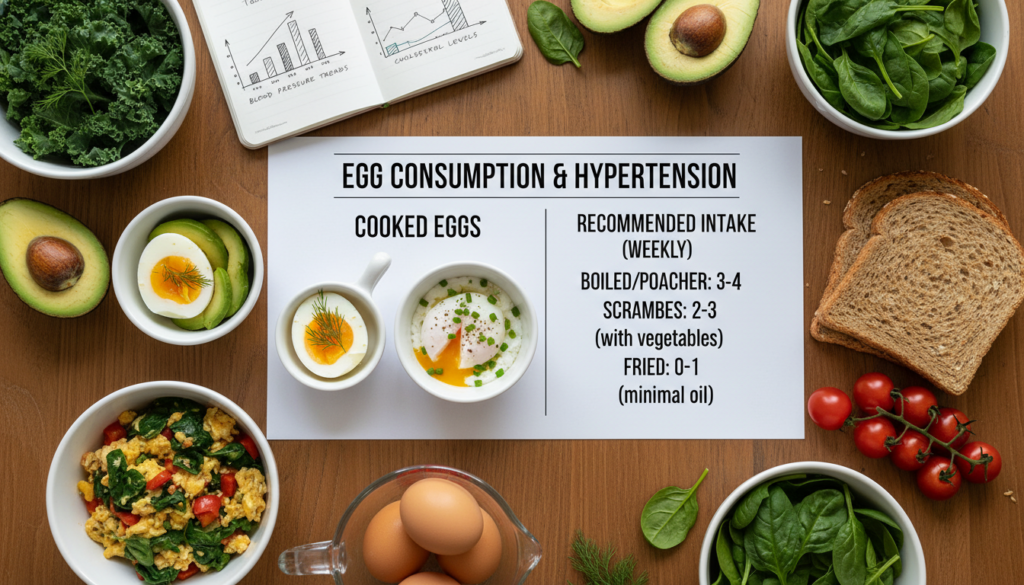
Most adults: a sensible recommendation is up to one egg per day when it replaces salty, processed protein and fits a DASH-style plate.
More conservative option
People with cardiovascular disease or high cholesterol: many experts suggest limiting whole-egg consumption to a few times per week (for example, 2–3 times per week) or emphasizing whites to lower dietary cholesterol.
How to decide your “right” intake
Look at trends: monitor home blood pressure, LDL/HDL and triglyceride levels, and overall diet quality. If pressure or lipids worsen, reduce whole-egg intake or shift toward more plant proteins and egg whites.
- If BP or labs rise: cut frequency and replace some servings with beans, fish, or nuts.
- Watch sides: avoid processed meats and high-sodium add-ons that negate benefit.
- Think day-to-day: track saturated fat and sodium across all meals, not just one serving.
Practical reminder: consistency matters more than perfection. Personalize intake with your clinician if you have elevated risk or existing cardiovascular disease.
Choose Blood Pressure-Friendly Cooking Methods for Eggs
Simple cooking swaps can keep a morning protein choice heart-friendly without losing flavor. Pick techniques that limit added fat and sodium so the meal supports steady blood pressure.
Best options to use at home
Hard-boiled: prep a batch for grab-and-go meals. No added oil, low fuss.
Poached: cook in simmering water for a soft texture with zero added fat.
Scrambled with minimal oil: use a teaspoon of olive oil or a nonstick pan and add herbs.
What to limit and why
Frying often adds saturated and total fat and invites salty seasonings. That extra fat can worsen cholesterol and raise heart risk more than the protein itself.
Watch high-fat toppings and sides like bacon, sausage, salty cheese, and packaged biscuits. They can cancel the positive effect of a low-sodium plate.
Practical swaps and a quick restaurant tip
- Use olive oil instead of butter; choose a nonstick pan.
- Season with herbs, pepper, lemon, or vinegar rather than extra salt.
- At restaurants, request poached or boiled eggs and ask for no added salt, sauces, or salty sides.
Outcome: These cooking choices keep daily sodium and saturated fat lower and make it easier to protect heart health over time. You don’t need perfection—pick one method you’ll repeat most days.
| Method | Added fat | Blood pressure impact | Practical tip |
|---|---|---|---|
| Hard-boiled | None | Lowest impact on sodium and fat | Batch cook for quick meals |
| Poached | None | Low impact; preserves texture | Use vinegar in water to hold shape |
| Scrambled (minimal oil) | Low (olive oil) | Moderate impact when oil is limited | Nonstick pan and herbs |
| Fried | High (butter/large oil) | Higher sodium/fat can raise risk | Limit frequency; request minimal oil |
Build a DASH-Style Plate Around Eggs to Help Lower Blood Pressure
Start by filling half your plate with vegetables and fruit, add a serving of whole grains, then include a modest portion of protein. This simple pattern helps the body manage sodium and supports steady blood pressure.
Pair with potassium-rich produce
Potassium helps blunt sodium’s effects. Choose bananas, potatoes, kiwifruit, or leafy greens alongside your meal.
Add fiber and whole grains
Oats or whole-grain toast add beta-glucan and steady energy. Fiber supports cholesterol and blood sugar, which benefits pressure levels.
Use healthy fats and omega-3s
Cook with olive oil and finish bowls with nuts and seeds. Include fatty fish like salmon some days to supply omega-3 fatty acids and reduce vascular inflammation.
Include nitrate-rich vegetables
Beets, spinach, arugula, and romaine boost nitric oxide pathways and vascular function when eaten regularly.
“Build the plate outward: greens, grains, then protein—season with herbs, not added salt.”
Plate formula to memorize:
- eggs + greens + whole grains + fruit, topped with nuts or seeds and a drizzle of olive oil.
| Component | Why it helps | Practical swap |
|---|---|---|
| Vegetables | Potassium, nitrates | Spinach or beets instead of fries |
| Whole grains | Fiber, beta-glucan | Oats or whole-grain toast |
| Nuts & seeds | Arginine for nitric oxide | Sprinkle on salads or bowls |
Simple Ways to Add Eggs to a Hypertension-Friendly Daily Routine
Small meal swaps can make it easier to keep blood pressure steady across the day. Use whole plates that pair a modest protein with produce and whole grains to lower sodium and boost potassium.
Breakfast templates that support steady blood pressure
Try this: a bowl of oatmeal topped with berries plus one egg or two egg whites. Oats and berries supply fiber and anthocyanins that help heart health, while the protein keeps you full.
Tip: add orange slices for citrus flavonoids and a fresh flavor boost.
Lunch upgrades without the sodium trap
Make an egg salad using mashed avocado or an olive-oil-based dressing. Pile it on mixed greens and extra raw vegetables instead of white bread or salty crackers.
Quick dinner ideas and meal prep
Cook a veggie omelet with brown rice or quinoa on the side, or bake a simple frittata with spinach and tomatoes. Batch-boil a few eggs per day for grab-and-go snacks that replace processed options.
- Shop smart: choose low-sodium whole-grain bread and no-salt-added canned beans.
- Repeat what works: pick one template you can follow most days to keep diet changes sustainable.
Foods and Habits That Can Cancel Out the Benefits
Even a healthy main can be neutralized by high-salt sides, alcohol, or hidden fats. Keep an eye on overall patterns rather than one meal. Small, repeated choices set long-term blood pressure trends.
A Great Way to Get Started on the Right Foot!
14-Day Boiled Egg Diet Plan
Recipe Guide Printable Bundle
Healthy, easy meals laid out for you day-by-day. A simple two-week structure you can start immediately.
- 14 Daily Meal Ideas
- Printable PDF Guides
- Quick & Simple Recipes
- Instant Download
Instant Download! Start Right Away!
Sodium overload: processed meals and restaurant portions
Common pitfall: pairing eggs with processed meats, fries, or heavy sauces often pushes sodium past DASH targets. Restaurant portions and packaged snacks hide large amounts of salt.
Label habit: compare sodium per serving on bread, deli items, and sauces and pick the lower option.
Alcohol limits and why more can raise pressure
Limit alcohol to two drinks daily for men and one for women. Higher consumption raises blood pressure and long-term risk of heart disease.
Caffeine and coffee: short-term spikes
Coffee can cause brief increases in blood pressure. People with sensitivity or severe hypertension should monitor readings after intake.
Hidden saturated and trans fats that affect cholesterol
Pastries, fried fast food, and creamy sauces raise LDL cholesterol more than dietary cholesterol does. These items can erase the net benefit of a low-sodium plate.
| Pitfall | Example | Effect |
|---|---|---|
| Salty add-ons | Bacon, deli slices | Raises sodium, worsens blood pressure |
| Excess alcohol | Multiple drinks nightly | Increases pressure and risk |
| Hidden fats | Pastries, creamy sauces | Raises cholesterol levels |
“Net benefit comes when a nutrient-dense protein displaces high-sodium, high-fat convenience options.”
Takeaway: protect the effect of a healthy plate by avoiding salty sides, limiting drinks, watching caffeine response, and skipping fried or creamy items. Daily patterns matter more than one good meal.
Track Results and Personalize Your Egg Consumption
Tracking simple trends is the clearest way to know whether a dietary change helps your blood pressure. Short, regular checks give meaningful insight while one reading can mislead.
Home monitoring made practical
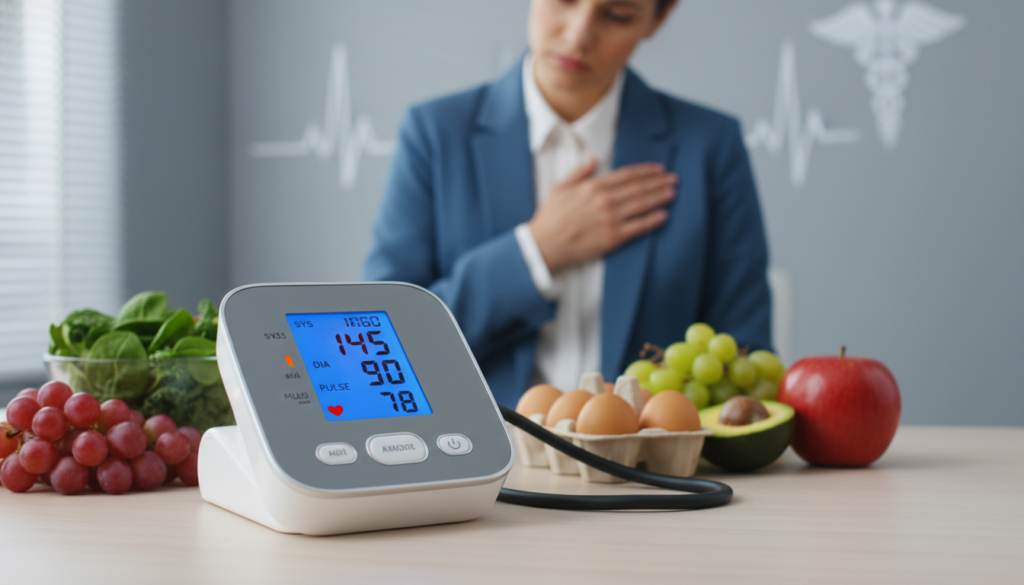
Measure at the same time each day with a properly fitted cuff. Record systolic and diastolic numbers and note the context: activity, medication changes, and meals.
Look at weekly trends rather than single values to see true shifts in pressure and blood levels.
Run a short intake experiment
Keep egg consumption steady for two to four weeks and log readings. Then change frequency and compare trends. This simple test can reveal how individuals respond.
Which labs matter and when to seek help
Check LDL, HDL, triglycerides, and overall cholesterol when personalizing intake. Talk to a clinician or dietitian if readings stay high, meds change, or labs worsen despite good habits.
“Clinicians use research and studies but your real-world response guides the final plan.”
Goal: build a sustainable routine that improves numbers over time, not a rigid rule that is hard to keep.
Conclusion
A steady, balanced plate beats perfection when the goal is better numbers and lasting habits.
Core message: Moderate intake—often up to one egg per day—can fit into a heart-focused eating plan when it replaces processed meats and salty convenience items. Cooking with minimal added fat and keeping sodium low preserves the benefit.
Pair protein with vegetables, whole grains, potassium-rich produce, and healthy fats like olive oil and nuts. Track trends in home readings and lipids, and adjust intake based on real results.
If you have cardiovascular disease or unusual cholesterol values, consult a clinician or registered dietitian before changing routine. As a next step, pick one DASH-style meal this week: egg + leafy greens + whole grain, and keep added salt low.