
The 1960s was a decade defined by specific social expectations, where it was often considered ladylike and demure to practice strict self-restraint. This cultural backdrop birthed a famous nutritional protocol that remains a topic of conversation today. Many people turn to this plan when they seek rapid physical transformation.
This approach focuses on a highly specific menu to trigger Boiled egg diet weight loss. While the promise of quick results is tempting, it is vital to look at the long-term sustainability of such a restrictive routine. We will examine the science behind this method to see if it truly supports your wellness goals or if it is merely a fleeting trend from the past.
Key Takeaways
- The protocol originated in the 1960s during an era of restrictive eating habits.
- It promises fast results by limiting caloric intake through specific food choices.
- Sustainability remains a major concern for those following this rigid plan.
- Understanding the nutritional balance is essential for long-term health success.
- Consulting a professional is recommended before starting any extreme nutritional changes.
Understanding the Boiled Egg Diet Philosophy
Understanding the logic behind this restrictive eating pattern is the first step toward deciding if it fits your lifestyle. The philosophy behind this approach centers on creating a significant calorie deficit by limiting food variety to specific, nutrient-dense items. By narrowing your choices, the plan aims to simplify the process of weight management while triggering specific metabolic changes.

Core Principles of the Diet
The primary goal of this regimen is to keep carbohydrate intake extremely low. By restricting sugars and starches, the body is encouraged to shift its primary fuel source. This metabolic shift is the cornerstone of the diet’s design.
Consistency is another vital pillar of this philosophy. Because the food list is intentionally limited, there is very little room for guesswork or unplanned snacking. This structure helps individuals maintain a strict caloric limit without the need for complex tracking or advanced meal planning.
Why Eggs Are the Primary Focus
Eggs are chosen as the central protein source because they are incredibly nutrient-dense. They provide a high-quality profile of amino acids, which are essential for maintaining muscle mass while you are in a caloric deficit. Furthermore, eggs are highly satiating, meaning they help you feel full for longer periods.
Beyond their protein content, eggs are versatile and easy to prepare in bulk. This convenience supports the diet’s philosophy of simplicity, allowing you to focus on your health goals without spending hours in the kitchen. By relying on this single, reliable food source, the plan removes the decision fatigue often associated with more complex weight loss programs.
How Many Eggs Per Day Boiled Egg Diet Guidelines
If you are curious about how many eggs per day the boiled egg diet requires, you have come to the right place. This short-term nutritional program is typically designed to last for up to 14 consecutive days. By following this structured approach, participants aim to create a calorie deficit that may support short-term weight loss.
The core of the program relies on three distinct meals each day. To see the best results, it is essential to avoid snacking between these scheduled times. Consistency is the primary driver of success during this two-week window.

A Great Way to Get Started on the Right Foot!
14-Day Boiled Egg Diet Plan
Recipe Guide Printable Bundle
Healthy, easy meals laid out for you day-by-day. A simple two-week structure you can start immediately.
- 14 Daily Meal Ideas
- Printable PDF Guides
- Quick & Simple Recipes
- Instant Download
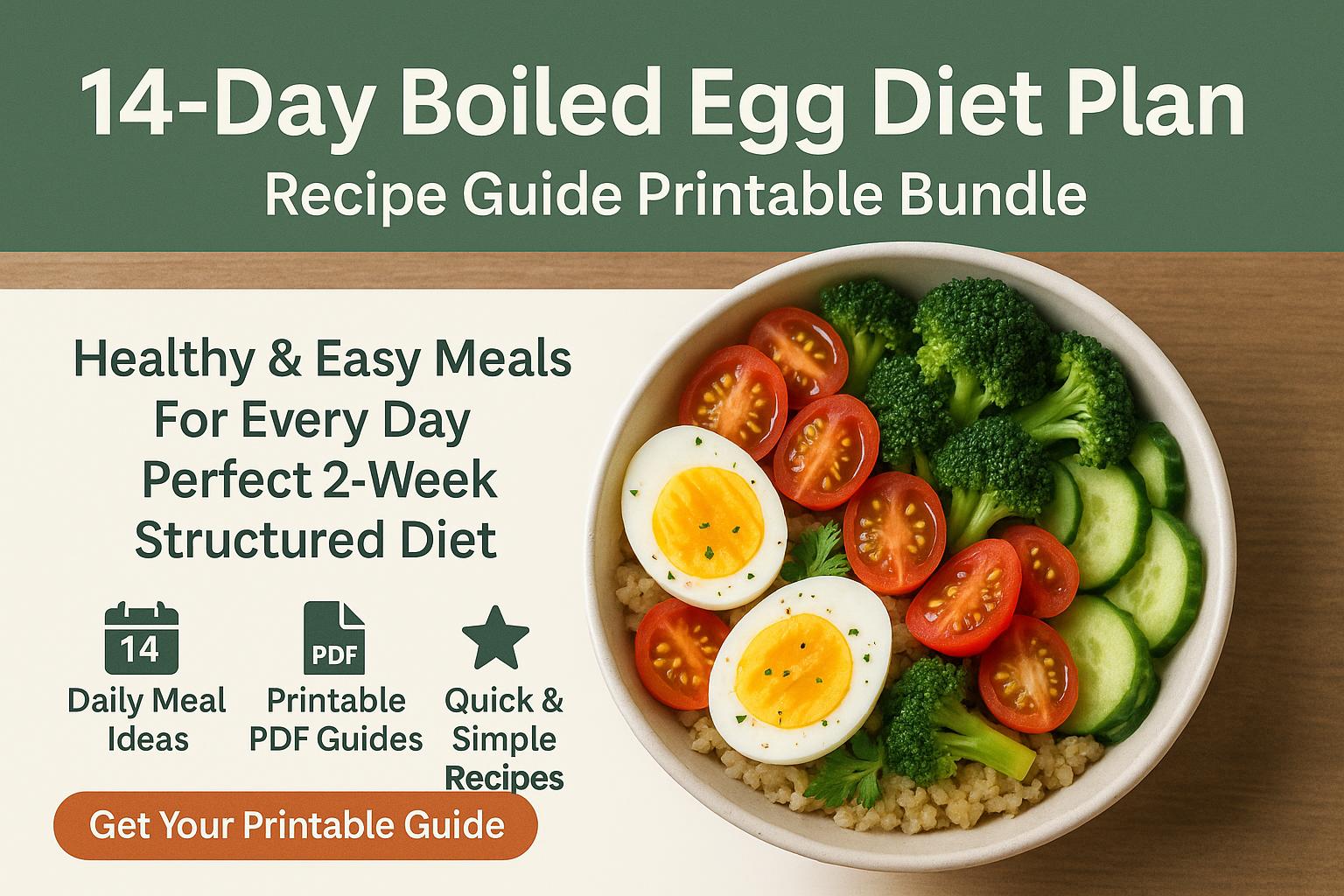
Instant Download! Start Right Away!
Daily Egg Recommendations
When you commit to a boiled egg diet weight loss journey, you will generally consume at least two to three eggs during your primary meals. The plan emphasizes high-protein intake to keep you feeling full while keeping your overall calorie count low. Because the diet is restrictive, you should focus on high-quality, pasture-raised eggs whenever possible.
Most versions of this hard-boiled egg diet plan suggest eating eggs at breakfast, while lunch and dinner may incorporate other lean proteins. By limiting your intake to these specific windows, you help your body adjust to a new metabolic rhythm. Always listen to your body and ensure you are staying hydrated throughout the day.
Structuring Your Meals Around Eggs
Organizing your day effectively is the secret to staying on track. You should view your meals as functional fuel rather than just a source of pleasure. By keeping your plate simple, you reduce the mental fatigue often associated with complex meal planning.
Breakfast Strategies
Start your morning with a protein-packed foundation. Most participants pair two boiled eggs with a serving of low-glycemic fruit, such as grapefruit or berries. This combination provides a balanced start that stabilizes your energy levels until your next meal.
Lunch and Dinner Variations
For your midday and evening meals, you should follow strict low-carb diet guidelines to maintain your progress. You can rotate between lean proteins like grilled chicken, fish, or additional eggs paired with non-starchy vegetables. Steamed broccoli, spinach, or asparagus are excellent choices that add fiber without excess carbohydrates.
| Meal Type | Primary Protein | Vegetable/Side | Goal |
|---|---|---|---|
| Breakfast | 2 Boiled Eggs | Citrus Fruit | Metabolic Kickstart |
| Lunch | Lean Chicken | Green Salad | Satiety Maintenance |
| Dinner | 2 Boiled Eggs | Steamed Greens | Caloric Control |
Nutritional Profile of Hard-Boiled Eggs
A single large egg packs a powerful punch of nutrients into a very small package. When you examine the egg nutrition facts, it is easy to see why these items are considered a foundational superfood for many health-conscious individuals.
Macronutrient Breakdown
The primary appeal of the hard-boiled egg lies in its simple yet effective macronutrient profile. A single large egg contains approximately 72 calories and 6 grams of high-quality protein.
This balance makes them an ideal choice for those looking to manage their caloric intake while maintaining muscle mass. Because they are low in carbohydrates, they fit perfectly into various dietary protocols designed for weight management.
Essential Vitamins and Minerals
Beyond the basic macros, eggs provide a wide array of micronutrients that support overall bodily function. The benefits of eating eggs extend to their rich concentration of vitamins and minerals that are often missing from modern diets.
Key nutrients found in every egg include:
- Choline: Vital for brain health and cognitive function.
- Vitamin D: Essential for bone health and immune system support.
- B Vitamins: Crucial for energy production and metabolic health.
- Folate and Iodine: Important for cellular repair and thyroid regulation.
By incorporating these nutrient-dense foods into your daily routine, you provide your body with the building blocks it needs to thrive. Understanding these egg nutrition facts allows you to make informed decisions about your health and wellness journey.
Potential Health Benefits of a High-Egg Intake
Integrating eggs into your daily routine offers more than just convenience; it provides significant health advantages. Many individuals find that the boiled egg diet weight loss approach works because it simplifies food choices while keeping nutrient density high. By focusing on whole, unprocessed foods, you can better control your caloric intake without feeling constantly deprived.
Satiety and Weight Management
One of the primary benefits of eating eggs is their remarkable ability to keep you feeling full. Research suggests that eggs are highly satiating, which helps reduce the urge to snack between meals. When you feel satisfied, it becomes much easier to maintain a consistent caloric deficit.
Consider these key ways that eggs support your weight management goals:
- They provide a high-quality source of protein that stabilizes blood sugar levels.
- The combination of healthy fats and protein slows down gastric emptying.
- They are naturally portion-controlled, making it simple to track your daily intake.
Muscle Preservation During Caloric Deficit
When you reduce your overall calorie intake, your body may look for energy sources beyond fat stores. This is where high-protein diet benefits become essential for protecting your hard-earned muscle mass. Consuming adequate protein ensures that your body has the necessary amino acids to repair and maintain tissues.
“Protein is the most important macronutrient for body composition, especially when you are trying to lose weight while keeping your muscle.”
Maintaining lean muscle is vital for keeping your metabolism active during a diet. By prioritizing eggs, you provide your body with a complete amino acid profile. This strategy helps you lose fat effectively while ensuring that your physical strength remains intact throughout your journey.

- Cooks 10 eggs in shells to a hard, medium or soft consistency with the 600-watt heater
- Poaching tray with 4-egg capacity and omelet tray with 3-egg capacity
- Brushed stainless steel lid; blue LED indicator, audible alert and standby mode

- MULTI FUNCTIONAL EGG COOKER: The Evoloop egg boiler is ideal for a busy solitary person or family to make hard-boiled eg…
- SIX EGG CAPACITY: Save time and water by cooking up to six eggs to soft, medium, or hard-boiled firmness; this method is…
- EASY TO STORE and SAVES SPACE: The boiled egg cooker measures about 7.6 inches tall and 5.6 inches wide and 8.6 inch len…

- MAKE EGGS 6 WAYS. If you and your family love eggs, you need the world’s most versatile egg cooker in your kitchen. With…
- MAKE 4 EGG BITES, 4 POACHED EGGS OR 9 HARD-BOILED EGGS. Cook up to 4 egg bites or 4 poached eggs in about 10 minutes or …
- PREPARE OMELETS, SCRAMBLED EGGS, FRIED EGGS AND MORE. Built-in 5.25” PFAS-Free nonstick skillet for making omelets, scra…
- HALF COST, HALF TIME, DOUBLE EGGS: Cook 12 eggs at once with our upgraded evoloop egg cooker, stackable design saves spa…
- MULTI FUNCTIONAL EGG COOKER: The Evoloop egg boiler is ideal for a busy solitary person or family to make hard-boiled eg…
- EASY TO STORE and SAVES SPACE: The boiled egg cooker is easy to carry around; The 2-layer design lets you customize it f…

- HALF COST, HALF TIME, DOUBLE EGGS: Cook 12 eggs at once with our upgraded evoloop egg cooker, stackable design saves spa…
- MULTI FUNCTIONAL EGG COOKER: The Evoloop egg boiler is ideal for a busy solitary person or family to make hard-boiled eg…
- EASY TO STORE and SAVES SPACE: The boiled egg cooker is easy to carry around; The 2-layer design lets you customize it f…
Risks and Considerations for Long-Term Adherence
While rapid weight loss is appealing, it is vital to consider the long-term implications of such a restrictive eating pattern. Many people often ask, is the boiled egg diet safe when followed for more than a few weeks? Understanding the risks of restrictive diets is essential before you commit to a plan that limits your food choices so severely.
Nutrient Deficiencies to Watch For
A primary concern with this eating plan is the exclusion of major food groups, such as whole grains. These foods are critical for providing fiber, B vitamins, and sustained energy throughout the day. Without them, you may experience fatigue or digestive issues over time.
When you limit your intake to only a few specific items, your body misses out on a wide spectrum of micronutrients. Long-term adherence can lead to gaps in your nutritional profile that are difficult to bridge without supplementation. It is important to monitor how your body feels as you progress through the weeks.
The Importance of Dietary Variety
A balanced approach to nutrition is usually the most sustainable path to health. While eggs are a high-quality protein source, they cannot provide every nutrient your body requires to function at its peak. Incorporating a variety of vegetables and complex carbohydrates helps ensure you receive the fuel you need.
There is also the ongoing conversation regarding dietary cholesterol and eggs. While modern research suggests that eggs do not negatively impact heart health for most people, individual health history remains a significant factor. Always consult with a healthcare professional if you have concerns about your cholesterol levels or pre-existing conditions before starting a highly repetitive diet.
Sample Meal Planning and Food Pairings
Mastering the art of food pairing can transform your daily meals into a satisfying culinary experience. While eggs serve as the foundation, adding variety ensures you stay on track with your hard-boiled egg diet plan without feeling restricted.
“The secret to a successful diet is not just what you eat, but how you combine flavors to keep your palate excited and your body nourished.”
Incorporating Lean Proteins
To maximize the high-protein diet benefits, consider adding lean animal sources to your daily routine. Integrating fish, chicken, or turkey provides essential amino acids that complement the profile of eggs.
These proteins help maintain muscle mass while keeping you full for longer periods. Try grilling a chicken breast or poaching white fish to serve alongside your eggs for a nutrient-dense lunch or dinner.
Selecting Low-Carbohydrate Vegetables
Adhering to low-carb diet guidelines is much simpler when you prioritize non-starchy vegetables. These foods add necessary fiber and volume to your plate, which helps regulate digestion and stabilizes energy levels throughout the day.
Best Leafy Greens to Pair
Leafy greens are excellent additions to any meal. Spinach, arugula, and kale offer a wealth of vitamins with very few calories. You can lightly sauté them or enjoy them raw as a fresh base for your eggs.
Cruciferous Vegetable Options
For a more substantial crunch, reach for cruciferous vegetables like broccoli, asparagus, or zucchini. These healthy egg recipes are easy to prepare by steaming or roasting with a touch of olive oil.
- Broccoli: High in fiber and perfect for steaming.
- Asparagus: A delicious, low-calorie side that pairs well with protein.
- Zucchini: Versatile enough to be grilled or spiralized.
Tips for Success and Avoiding Diet Fatigue
Consistency is the secret ingredient to any successful weight loss journey. While a calorie deficit and regular exercise are the primary drivers of progress, your daily habits determine whether you stick to the plan long-term. Adopting sustainable weight loss tips can help you navigate the challenges of a restrictive eating schedule without feeling overwhelmed.
Meal Prepping for Convenience
The most effective way to stay on track is to remove the guesswork from your daily routine. By dedicating time to meal prepping for weight loss, you ensure that healthy, pre-portioned options are always available when hunger strikes. This simple habit prevents the temptation of reaching for processed snacks when you are tired or busy.
Try boiling a large batch of eggs at the start of the week to keep in your refrigerator. Pair them with pre-washed greens or pre-cut vegetables to create a balanced meal in seconds. Preparation is the ultimate defense against impulsive eating.
A Great Way to Get Started on the Right Foot!
14-Day Boiled Egg Diet Plan
Recipe Guide Printable Bundle
Healthy, easy meals laid out for you day-by-day. A simple two-week structure you can start immediately.
- 14 Daily Meal Ideas
- Printable PDF Guides
- Quick & Simple Recipes
- Instant Download
Instant Download! Start Right Away!
Managing Cravings and Hunger
It is completely normal to feel hungry when adjusting to a new eating pattern. The key to managing hunger on a diet lies in choosing nutrient-dense foods that provide lasting satiety. Focus on high-protein choices and fiber-rich vegetables to keep your blood sugar stable throughout the day.
“Success is the sum of small efforts, repeated day in and day out.”
If you find yourself struggling with cravings, try drinking a glass of water or engaging in a short walk before deciding to eat. Often, our bodies confuse thirst with hunger. By staying hydrated and mindful, you can maintain your momentum and reach your goals with greater confidence.
Common Myths About Cholesterol and Egg Consumption
If you have ever hesitated to eat an egg because of cholesterol fears, you are not alone. For decades, nutrition advice suggested that limiting eggs was necessary to protect your cardiovascular system. However, science has evolved, and we now have a much clearer picture of how these nutrient-dense foods interact with our bodies.
Understanding Dietary vs. Blood Cholesterol
It is vital to distinguish between the cholesterol you eat and the cholesterol circulating in your bloodstream. Most people assume that eating foods high in cholesterol will automatically raise their blood levels. In reality, the liver produces the vast majority of cholesterol found in your blood to support essential bodily functions.
When you consume dietary cholesterol and eggs, your body often compensates by producing less cholesterol on its own. This regulatory mechanism helps maintain balance for most healthy individuals. Therefore, the impact of dietary intake on blood markers is significantly lower than many people realize.
What Modern Research Says About Heart Health
Recent clinical studies have shifted the focus away from eggs and toward other dietary factors. Experts now agree that saturated and trans fats have a much larger influence on blood cholesterol levels than the cholesterol found in egg yolks. This means that your overall eating pattern is far more important than the occasional egg.
When considering heart health and egg consumption, moderation remains a sensible approach for most people. By focusing on a diet rich in fiber, vegetables, and lean proteins, you can enjoy eggs as part of a balanced lifestyle. The following table helps clarify some of the most persistent misconceptions surrounding this topic.
| Common Myth | Scientific Reality | Key Takeaway |
|---|---|---|
| Eggs cause high cholesterol | Liver production is the main driver | Dietary impact is minimal |
| Yolks are dangerous | Yolks contain vital nutrients | Whole eggs are healthy |
| Eggs damage heart health | Saturated fat is the real risk | Focus on total diet quality |
A Great Way to Get Started on the Right Foot!
14-Day Boiled Egg Diet Plan
Recipe Guide Printable Bundle
Healthy, easy meals laid out for you day-by-day. A simple two-week structure you can start immediately.
- 14 Daily Meal Ideas
- Printable PDF Guides
- Quick & Simple Recipes
- Instant Download
Instant Download! Start Right Away!
Conclusion
Choosing the right path for your body requires looking beyond quick fixes. While many people wonder if the boiled egg diet is safe, true wellness relies on variety and balance.
Understanding essential egg nutrition facts helps you appreciate the value of protein in your daily routine. These nutrients support your muscles and keep you full throughout the day.
Relying on a single food source often leads to burnout and potential nutrient gaps. You should prioritize sustainable weight loss tips that emphasize whole foods and consistent habits.
Building a lifestyle around diverse vegetables, lean meats, and healthy fats creates lasting results. This approach keeps your metabolism active and your energy levels stable.
Talk with a medical professional before starting any restrictive eating plan. They can help you tailor a strategy that fits your unique metabolic needs and lifestyle.
Your journey toward better health is a marathon rather than a sprint. Focus on small, manageable changes that you can maintain for years to come.