
What if the secret to sticking to a strict eating regimen isn’t sheer willpower, but a simple piece of paper? Many people dive into new nutrition programs without a clear roadmap, which often sets them up for frustration.
This specific 14-day program is highly structured. It requires following three meals a day with no snacks in between. Studies indicate that high-protein eating can increase thermogenesis by 20-30%. This process helps your body burn more calories during digestion.
That’s why preparation is everything. Creating a thorough grocery list is the best way to ensure you stay committed for the full two weeks. Since the rules are specific, having everything organized stops you from making poor choices when you’re hungry.
The framework of this meal strategy helps remove daily decision fatigue. That mental tiredness frequently leads to off-plan choices. By mapping out your meals ahead of time, you guarantee your body receives the vital nutrients it needs. You can steadily progress toward your personal goals.
People who find success with this approach often say a physical, checked-off list made shifting their habits much easier. It turned a challenging transition into a sustainable new routine.
Key Takeaways
- Thorough preparation is the cornerstone of success on any structured meal plan.
- High-protein nutrition can significantly increase the calories your body burns processing food.
- A pre-made grocery list is a powerful tool to prevent impulsive, off-plan eating.
- Following a clear framework reduces daily decision fatigue, making adherence simpler.
- Advance meal planning ensures you meet your nutritional needs while pursuing your objectives.
- Having a physical checklist can make adopting new, healthier habits feel more manageable and sustainable.
Introduction: Why the Shopping List Matters on the Boiled Egg Diet
The difference between sticking to a strict regimen and falling off track can come down to one crucial step: preparation.
Establishing consistent eating habits is essential for any restrictive program. This 14-day approach limits you to three meals daily.
The Importance of Meal Prep in a Strict Diet
Proper meal prep ensures your body gets complete protein to maintain muscle during calorie restriction. A 2018 study supports this.
It showed that consuming three eggs daily for 12 weeks helped individuals lose weight while preserving lean muscle.

Benefits of Organizing Your Shopping List
When you organize your list, you manage daily calorie intake effectively. This is a cornerstone of the structured plan.
By keeping your kitchen stocked with the right ingredients, you avoid processed foods that sabotage progress.
| Aspect | With a Prepared List | Without a Prepared List |
|---|---|---|
| Meal Consistency | High; you follow the plan exactly. | Low; impulsive choices are common. |
| Nutritional Quality | Optimal; focus on whole foods. | Variable; may lack key nutrients. |
| Time & Stress | Reduced; shopping is efficient. | Increased; last-minute decisions cause anxiety. |
This simple tool turns a challenging transition into a sustainable routine. It provides a clear framework for success.
boiled egg diet shopping list
A well-stocked kitchen starts with a thoughtfully curated selection of foundational foods. This list focuses on nutrient-dense items that support your body’s needs during a structured eating plan.
Proteins: Eggs, Chicken, Fish, & Lean Beef
Your primary protein source should be high-quality eggs. One large cooked egg delivers 78 calories, 6.3 grams of protein, and 5.3 grams of fat with zero carbohydrates.
More importantly, eggs contain all nine essential amino acids. This makes them a complete protein that efficiently supports muscle maintenance.
Incorporate other lean proteins like skinless chicken breast and fatty fish such as salmon. These provide essential vitamins and minerals. They help keep your metabolism active throughout the program.

A Great Way to Get Started on the Right Foot!
14-Day Boiled Egg Diet Plan
Recipe Guide Printable Bundle
Healthy, easy meals laid out for you day-by-day. A simple two-week structure you can start immediately.
- 14 Daily Meal Ideas
- Printable PDF Guides
- Quick & Simple Recipes
- Instant Download
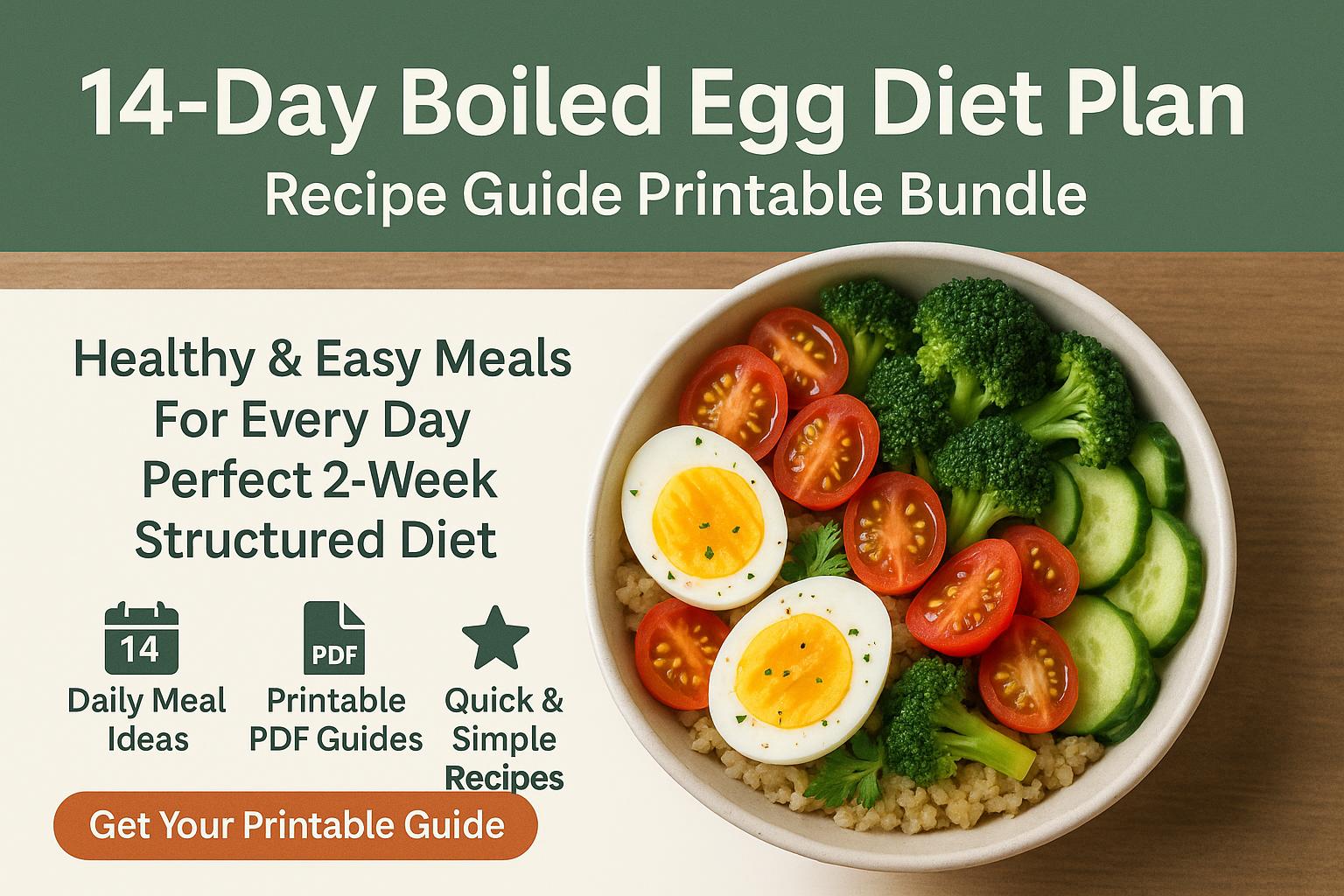
Instant Download! Start Right Away!
Vegetables, Fruits, and Condiments & Extras
Non-starchy vegetables are crucial. Spinach, broccoli, and peppers add volume and necessary fiber to your meals. This helps with digestion since the primary protein sources are low in fiber.
For fruits, opt for grapefruit or berries. They offer key nutrients without excessive sugar.
Finally, stock your pantry with simple flavor enhancers. Extra virgin olive oil and fresh lemon juice can make your plates more enjoyable without empty calories.
Foods to Strictly Avoid
Success on this plan hinges not only on the foods you eat but also on those you consciously exclude. Knowing what to leave off your grocery list protects your progress and keeps your metabolism on track.
Sticking to the guidelines means avoiding items that can spike blood sugar or add empty calories. This discipline is key for seeing results.
High-Carb, Sugary, and Processed Foods
Highly processed meats like sausage and bacon are not recommended. They often contain additives and excess sodium that don’t align with this program’s clean-eating focus.
Sugary drinks, soda, and alcohol provide empty calories with little nutritional value. They can immediately halt your weight loss momentum.
Starchy vegetables such as corn, peas, and potatoes contain high levels of carbohydrates. These can interfere with the metabolic state the regimen aims to achieve.
Ingredients That Can Sabotage Weight Loss
Grains like bread, pasta, and oatmeal are excluded from the standard guidelines. Their carbohydrate content can disrupt the low-carb nature of the eating plan.
High-sugar fruits, including mangoes and cherries, are not allowed. Focus instead on approved low-sugar options like grapefruit and berries.
“Eliminating processed, high-sugar items forces the body to utilize stored fat for energy, which is the core mechanism behind this approach,” notes a nutrition expert.
Every off-limit item represents a potential pitfall. Being aware helps you make empowered choices at the store.
| Category | Examples to Avoid | Primary Reason |
|---|---|---|
| Sugary Drinks | Soda, sweetened tea, alcohol | Empty calories that halt fat loss |
| Processed Meats | Hot dogs, bacon, sausage | Additives and preservatives |
| Starchy Vegetables | Potatoes, corn, peas | High carbohydrate content |
| Grains | Bread, pasta, oatmeal | Excluded per program rules |
This table highlights common culprits. Avoiding these foods supports the calorie and carb restrictions central to the egg diet.
How Much to Buy: 7-Day vs 14-Day Plans
Whether you commit to one week or two, calculating your purchases upfront makes the entire process smoother. Getting the quantities right prevents food waste and keeps you on track.
Your chosen timeline directly impacts what you need to buy. This guide helps you plan for both a short and a longer commitment.
Quantities for a 7-Day Meal Plan
A 7-day egg diet plan typically provides 800 to 1000 calories daily. This creates a significant deficit for rapid weight loss.
You will need at least 14 to 21 eggs. This depends on whether you eat two or three per day.
Portion your lean proteins and vegetables to match this calorie limit. Consistent protein supports your body during this period.
Planning for a 14-Day Meal Approach
The 14-day menu is often a repetition of the first week. It requires double the quantity of core items like eggs and chicken.
Buying in bulk for a full two-week cycle is smart. It helps you maintain your target calorie intake without extra store trips.
Ensure you have enough fish and other proteins for every lunch and dinner. This consistency is key for sustained results.
| Item | 7-Day Plan Quantity | 14-Day Plan Quantity |
|---|---|---|
| Eggs | 14-21 units | 28-42 units |
| Chicken Breast | 7 servings | 14 servings |
| Fish Fillets | 3-4 servings | 6-8 servings |
| Non-Starchy Vegetables | 7 large portions | 14 large portions |
This table provides a clear starting point for your grocery haul. Adjust portions based on your specific meals per day and weight loss goals.
Budget-Friendly Tips for the Egg Diet
Managing your grocery bill is a common concern, but this eating approach can be surprisingly affordable. Its focus on simple, whole ingredients is a built-in advantage for your wallet.
Cost-Cutting Strategies and Bulk Buying Ideas
Your primary protein source is also your best budget tool. Purchasing eggs by the large carton or case offers significant savings. This secures your lean protein for the entire program.
For vegetables, choose what’s in season. Spinach and broccoli are often cheaper and fresher. This keeps your food costs low while nourishing your body.
Consider frozen fish fillets or chicken breasts bought in larger bags. They are just as nutritious as fresh but cost less per serving. This simple swap helps manage your total diet expenses.
Stick to the basic ingredients listed for the most effective weight loss. Avoid trendy, expensive substitutes. Planning your meals around weekly store flyers is a smart strategy for people on a budget.
These habits make the regimen sustainable. You support your goals without financial stress.
Printable Shopping List: Download Your PDF
For many, the most powerful tool for a structured nutrition program isn’t found in the kitchen, but on a printed page.
To support your journey, we offer a free downloadable resource. This guide simplifies your weekly preparation.
A Great Way to Get Started on the Right Foot!
14-Day Boiled Egg Diet Plan
Recipe Guide Printable Bundle
Healthy, easy meals laid out for you day-by-day. A simple two-week structure you can start immediately.
- 14 Daily Meal Ideas
- Printable PDF Guides
- Quick & Simple Recipes
- Instant Download
Instant Download! Start Right Away!
Benefits of Using a Printable Guide
A physical checklist takes the guesswork out of your grocery trips. It keeps your mind focused on your wellness objectives.
This helps you stick to your weight loss plan without distraction. You navigate the store with confidence and purpose.
Our printable is specifically designed for women over 40. It addresses unique nutritional needs within this regimen’s framework.
Having everything written down prevents you from forgetting essential items. This is crucial for maintaining a strict eating structure.
It turns a complex set of rules into a clear, actionable path for your body.
Click the link below to get your free PDF. Start your journey toward better health with a solid plan today.
Additional Considerations for a Successful Boiled Egg Diet
Achieving your wellness goals with this approach requires more than just following a menu. It demands attention to nutritional balance and a safe transition afterward.
Nutritional Balance and Potential Drawbacks
Restrictive plans can sometimes lead to nutrient gaps. A systematic review in Obesity Reviews found low-carb regimens may cause deficiencies in key vitamins and minerals.
This includes iron, calcium, and magnesium. For women, maintaining muscle is crucial during weight loss.
They naturally lose 3-8% of muscle per decade. Adequate protein intake is vital to counteract this.
Listen to your body’s signals. If you experience constipation, adding a fiber supplement like psyllium husk can help your digestive system.
Transitioning Off the Diet Safely
Exiting the plan gradually is key for long-term health. Rapid weight reduction can affect hormone levels, especially for women.
Reintroduce a wide variety of foods slowly after your 14-day cycle. This supports your metabolic health and prevents rebound.
Focus on building sustainable eating habits. This ensures the progress you make sticks for good.
Conclusion
Transforming your eating habits for better wellness is an achievement that starts with a single, well-planned step. This structured egg diet can be a powerful tool for short-term weight loss when you follow its framework.
Using our comprehensive guide ensures your body receives the necessary protein and vital nutrients. This helps you stay energized and satisfied throughout your journey.
Remember, this approach is designed for short-term use. Your long-term health depends on transitioning to a balanced, sustainable way of eating afterward.
Always listen to your body’s signals. Consult with a healthcare professional if you have any concerns. We hope this resource provides the structure you need to succeed and reach your personal goals.