

You have likely heard about a popular short-term eating plan that promises rapid transformation. This plan, which gained fame from a 2018 book, centers on consuming multiple servings of a specific protein-rich food daily. Many people are drawn to it for the potential of significant, quick changes to their body composition.
While this approach can lead to a noticeable drop on the scale, the true challenge begins when the initial two-week period concludes. Health experts, including those at Healthline who gave this plan a low rating, point to its restrictive nature as a major drawback. The initial success you see is often difficult to sustain.
The critical question is not just about finishing the plan, but what comes next. Simply returning to your previous eating habits can quickly undo your hard work. This introduction focuses on the essential next steps for preserving your achievements and building a healthier lifestyle for the long term.
Key Takeaways
- The initial phase of this eating plan is designed for short-term use and is highly restrictive.
- Experts express concern about the sustainability of this method and the potential for regaining pounds.
- The real work of preserving your new physique starts once the initial period is over.
- A strategic transition is vital to avoid quickly returning to your starting point.
- Long-term success depends on adopting sustainable habits rather than extreme, temporary measures.
Overview of the Boiled Egg Diet and Its Impact
This plan operates on a principle of severe carbohydrate restriction paired with increased protein consumption. It is a highly regimented two-week program. Your daily intake is limited to three specific meals with no snacks in between.
What the Boiled Egg Diet Entails
Your day begins with a breakfast of at least two eggs. This is paired with a non-starchy vegetable like asparagus and a low-carb fruit such as grapefruit. For other meals, you choose between eggs or a small serving of another lean protein like chicken or fish.
Lunch and dinner always include non-starchy vegetables. The plan suggests having one boiled egg before your main midday and evening meals to help manage hunger. This structure aims to create a significant calorie deficit.
A Great Way to Get Started on the Right Foot!
14-Day Boiled Egg Diet Plan
Recipe Guide Printable Bundle
Healthy, easy meals laid out for you day-by-day. A simple two-week structure you can start immediately.
- 14 Daily Meal Ideas
- Printable PDF Guides
- Quick & Simple Recipes
- Instant Download
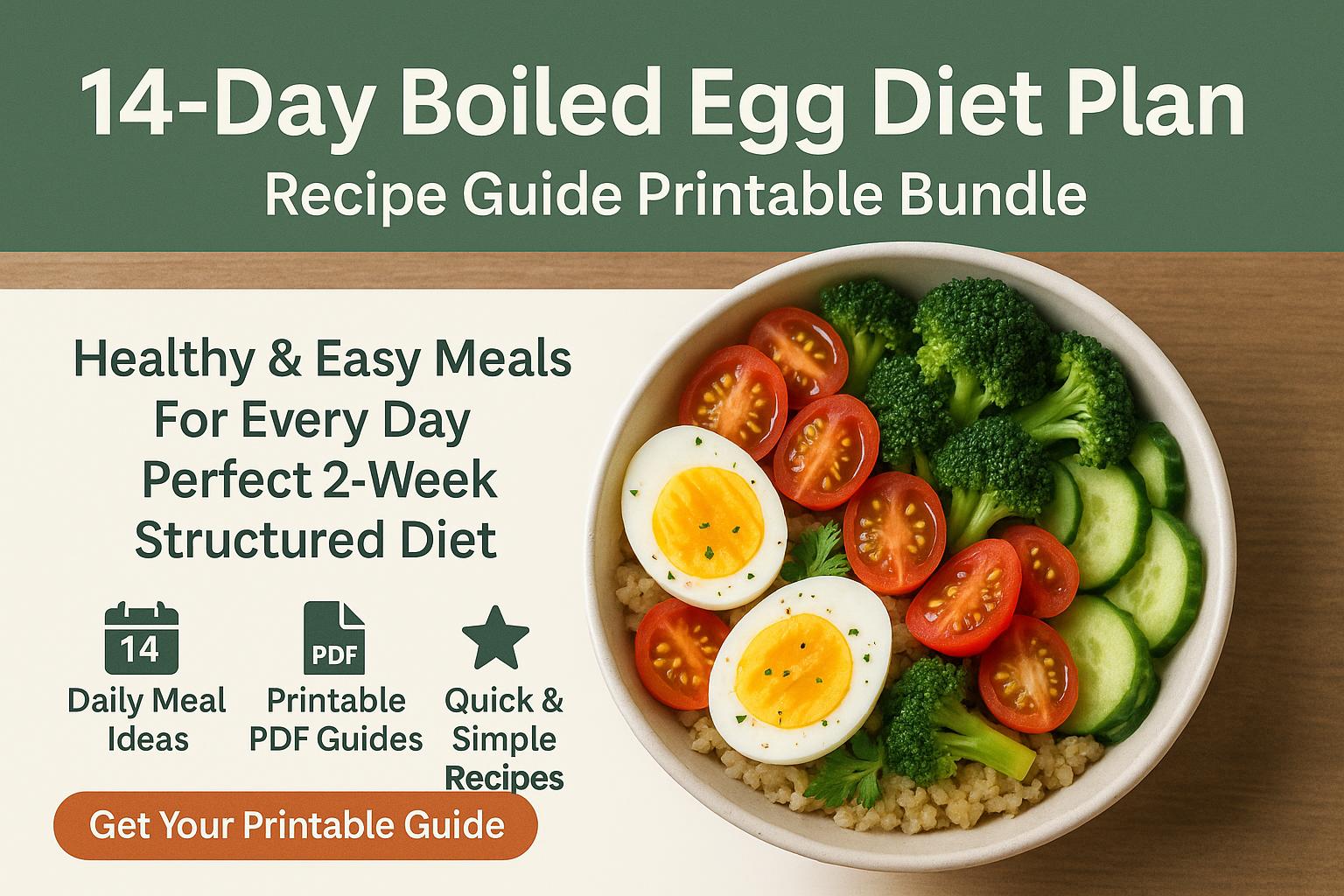
Instant Download! Start Right Away!
Key Outcomes and Short-term Weight Loss
People often see a rapid drop on the scale during this period. This is largely because the plan cuts out many high-carbohydrate foods. The initial loss is frequently water weight, not just fat.
The creator of this regimen claims substantial weight reduction is possible. However, health experts caution that these changes are often temporary. The restrictive nature of the allowed foods makes long-term adherence very challenging for most individuals.
| Allowed Foods | Restricted Foods | Meal Frequency |
|---|---|---|
| Eggs (whites & yolks) | Grains & Bread | 3 meals per day |
| Skinless Poultry, Fish | Starchy Vegetables | No snacks allowed |
| Low-carb Vegetables | Processed Foods | 2-week duration |
| Low-carb Fruits | Sugary Drinks | Fixed meal structure |
Understanding Your Achieved Results
Your recent dietary commitment has produced changes that deserve careful assessment. Looking beyond the scale reveals a complete picture of your transformation.
Identifying Success Markers
Your weight loss occurred because you consumed fewer calories than your body used. This calorie deficit is the primary driver of loss on the scale. However, some initial weight reduction was likely water loss, especially during the first week.
Research supports that short-term low-carb approaches can significantly increase weight loss. Studies show they may improve blood pressure and metabolism. One analysis of 12 studies found such diets enhance heart health markers.
Celebrate these non-scale victories:
- Clothes fitting more comfortably
- Increased energy throughout your day
- Better control over food portions
- Reduced cravings for processed items
These achievements demonstrate real progress. They show your body responding positively to improved nutrients. This foundation helps you continue to lose weight sustainably after the initial egg diet phase.
Maintaining Results After Completing the Boiled Egg Diet
When your two-week nutritional program concludes, a thoughtful approach becomes essential. A gradual transition helps your body adapt without reversing your progress.


- Cooks 10 eggs in shells to a hard, medium or soft consistency with the 600-watt heater
- Poaching tray with 4-egg capacity and omelet tray with 3-egg capacity
- Brushed stainless steel lid; blue LED indicator, audible alert and standby mode

- MULTI FUNCTIONAL EGG COOKER: The Evoloop egg boiler is ideal for a busy solitary person or family to make hard-boiled eg…
- SIX EGG CAPACITY: Save time and water by cooking up to six eggs to soft, medium, or hard-boiled firmness; this method is…
- EASY TO STORE and SAVES SPACE: The boiled egg cooker measures about 7.6 inches tall and 5.6 inches wide and 8.6 inch len…

- MAKE EGGS 6 WAYS. If you and your family love eggs, you need the world’s most versatile egg cooker in your kitchen. With…
- MAKE 4 EGG BITES, 4 POACHED EGGS OR 9 HARD-BOILED EGGS. Cook up to 4 egg bites or 4 poached eggs in about 10 minutes or …
- PREPARE OMELETS, SCRAMBLED EGGS, FRIED EGGS AND MORE. Built-in 5.25” PFAS-Free nonstick skillet for making omelets, scra…
- HALF COST, HALF TIME, DOUBLE EGGS: Cook 12 eggs at once with our upgraded evoloop egg cooker, stackable design saves spa…
- MULTI FUNCTIONAL EGG COOKER: The Evoloop egg boiler is ideal for a busy solitary person or family to make hard-boiled eg…
- EASY TO STORE and SAVES SPACE: The boiled egg cooker is easy to carry around; The 2-layer design lets you customize it f…

- HALF COST, HALF TIME, DOUBLE EGGS: Cook 12 eggs at once with our upgraded evoloop egg cooker, stackable design saves spa…
- MULTI FUNCTIONAL EGG COOKER: The Evoloop egg boiler is ideal for a busy solitary person or family to make hard-boiled eg…
- EASY TO STORE and SAVES SPACE: The boiled egg cooker is easy to carry around; The 2-layer design lets you customize it f…
Jumping back to old habits can undo your hard work. Instead, focus on sustainable changes that support long-term health.
Transition Strategies for a Smooth Shift
Reintroduce restricted food groups slowly over 7-10 days. This prevents digestive discomfort and rapid weight regain.
Start with whole grains on day one. Add legumes by day three. Monitor how your body responds to each addition.
| Day | Food Group to Add | Portion Size | Notes |
|---|---|---|---|
| 1-2 | Whole Grains | 1/2 cup serving | Brown rice or quinoa |
| 3-4 | Legumes | 1/2 cup serving | Lentils or chickpeas |
| 5-7 | Starchy Vegetables | Small potato or sweet potato | Monitor energy levels |
Building Long-Term Healthy Habits
Shift from restrictive rules to balanced choices. Include all food groups in appropriate portions.
Practice mindful eating and consistent meal timing. This creates sustainable habits beyond any short-term plan.
Address any unhealthy relationships with food that may have developed. Focus on nutrition and satisfaction rather than rigid restrictions.
Incorporating Nutrient-Dense Foods into Your Daily Routine
The foundation of lasting wellness lies in incorporating high-quality foods into your regular meals. These ingredients provide essential building blocks for your body’s daily functions.

Emphasizing Vegetables, Fruits, and Lean Proteins
Fill half your plate with colorful non-starchy vegetables like spinach, kale, and bell peppers. These foods deliver vital vitamins, minerals, and fiber without excess calories.
Eggs remain an excellent protein source rich in vitamins A, B12, and D. Include them several times weekly rather than at every meal for variety.
Diversify your protein intake with skinless chicken, fish, and lean cuts of meat. This approach ensures you receive complete amino acids and omega-3 fatty acids.
| Food Category | Key Examples | Essential Nutrients | Health Benefits |
|---|---|---|---|
| Non-Starchy Vegetables | Spinach, broccoli, bell peppers | Fiber, vitamins A, C, K | Digestive health, antioxidant support |
| Lean Proteins | Eggs, chicken, fish | Complete amino acids, B vitamins | Muscle maintenance, energy production |
| Low-Carb Fruits | Berries, citrus, melons | Vitamin C, antioxidants | Immune support, natural sweetness |
Select low-carb fruits like berries and citrus to satisfy sweet cravings naturally. These options provide antioxidants without excessive sugar.
Balancing Macros and Managing Caloric Intake
Moving beyond restrictive eating means learning to balance proteins, carbs, and fats. This approach supports your metabolism while providing adequate energy for daily activities.
Understanding Protein and Calorie Needs
Your body requires sufficient protein to preserve muscle mass during weight management. Calculate your needs based on 0.8 to 1.2 grams per kilogram of body weight.
Determine your Total Daily Energy Expenditure (TDEE) to find the right calorie intake level. This prevents metabolic slowdown that occurs with extreme restriction.
| Macronutrient | Recommended Percentage | Key Functions | Food Sources |
|---|---|---|---|
| Protein | 20-30% | Muscle repair, satiety | Lean meats, legumes, dairy |
| Carbohydrates | 45-55% | Energy, brain function | Whole grains, fruits, vegetables |
| Fats | 25-35% | Hormone production, absorption | Nuts, avocado, olive oil |
Adjusting Portions for Sustainable Living
Practice mindful portion control using smaller plates and measuring tools initially. Listen to your body’s hunger signals rather than following rigid rules.
Adjust your food portions based on activity levels. Include regular meals and planned snacks to keep your metabolism active throughout the day.
Exercise and Lifestyle Changes for Long-Term Success
Regular exercise transforms short-term weight management into lasting health improvements. While your previous eating approach didn’t mandate physical activity, movement now becomes essential for preserving your achievements.
Integrating Physical Activity into Daily Life
Start with manageable goals that fit your schedule. Health authorities recommend 150 minutes of moderate activity weekly.
This breaks down to 30 minutes per day, five days each week. Simple integration strategies make consistency achievable.

Take stairs instead of elevators. Walk during lunch breaks. Schedule sessions you genuinely enjoy like dancing or martial arts.
“Physical activity should be enjoyable rather than punishing. Find movements that bring you joy for sustainable adherence.”
Benefits of Consistent Movement and Recovery
Exercise extends far beyond calorie burning. It boosts cardiovascular function and enhances mood through natural endorphins.
Strength training twice weekly preserves muscle mass. This supports metabolism and prevents weight regain.
| Activity Type | Weekly Frequency | Duration | Primary Benefits |
|---|---|---|---|
| Moderate Aerobic | 5 days | 30 minutes | Heart health, calorie burn |
| Strength Training | 2 days | 20-30 minutes | Muscle preservation, metabolism |
| High-Intensity Interval | 1-2 days | 15-20 minutes | Efficient fitness improvement |
| Active Recovery | 1-2 days | 15-20 minutes | Muscle repair, injury prevention |
Recovery days allow your body to repair and strengthen. This prevents injury and sustains long-term commitment.
View physical activity as a lifestyle component rather than a temporary tool. This mindset shift supports your overall health journey.
A Great Way to Get Started on the Right Foot!
14-Day Boiled Egg Diet Plan
Recipe Guide Printable Bundle
Healthy, easy meals laid out for you day-by-day. A simple two-week structure you can start immediately.
- 14 Daily Meal Ideas
- Printable PDF Guides
- Quick & Simple Recipes
- Instant Download
Instant Download! Start Right Away!
Debunking Myths and Addressing Common Concerns
Separating fact from fiction is essential when evaluating any weight loss approach. Many eating plans make bold promises that require careful examination.
Some programs claim you can shed 25 pounds in just two weeks. This dramatic promise lacks scientific support and represents mostly water loss.
Separating Fad Claims from Evidence
Legitimate weight management involves sustainable calorie deficits. Fad programs often set unrealistic expectations that lead to disappointment.
While this type of eating pattern can produce short-term changes, research shows inconsistent long-term results. The initial loss you experience may not last.
Returning to regular eating habits typically reverses any progress. Sustainable approaches focus on lifestyle changes rather than extreme restrictions.
Prolonged adherence to very restrictive diets increases health risks. Nutrient deficiencies and metabolic side effects become concerns over time.
Many evidence-based programs exist that don’t eliminate entire food groups. These alternatives offer more balanced approaches to healthy living.
Recognize red flags like promises of rapid transformation and severe food limitations. True wellness comes from sustainable habits, not quick fixes.
Seeking Guidance from Health Professionals
Working with qualified professionals ensures your health journey continues safely and effectively beyond initial phases. Expert support provides personalized strategies that generic plans cannot offer.
Consulting Registered Dietitians and Experts
A registered dietitian creates an individualized eating plan based on your specific needs. They consider your food preferences, lifestyle, and any medical conditions. This personalized approach significantly improves your chances of long-term success.
These experts help determine your daily energy requirements. They calculate the right calorie deficit if you need further weight loss. They also recommend appropriate physical activity levels for your fitness.
Professional guidance is especially important for people with pre-existing health issues. Those taking medications or with disordered eating history face higher risk. A qualified nutrition expert can address these concerns safely.
Consulting a dietitian provides ongoing accountability during your transition. They help navigate challenges and adjust your meal plan as needed. This support prevents relapse into old patterns while ensuring proper nutrient intake.
Conclusion
Your journey toward lasting wellness extends far beyond any short-term nutritional approach. While this restrictive eating pattern may deliver initial changes, true success comes from building sustainable habits.
The weeks following your structured plan are critical for establishing new routines. Focus on incorporating positive principles like limiting processed foods and emphasizing lean proteins such as chicken and eggs for breakfast.
Balance is key—include previously restricted items like whole grains and bread in appropriate portions. Choose healthy oil over excessive butter to support heart health and manage cholesterol levels.
View this experience as a starting point for your overall health journey. The discipline gained can translate into lifelong practices that reduce risks like heart disease while promoting sustainable weight management.