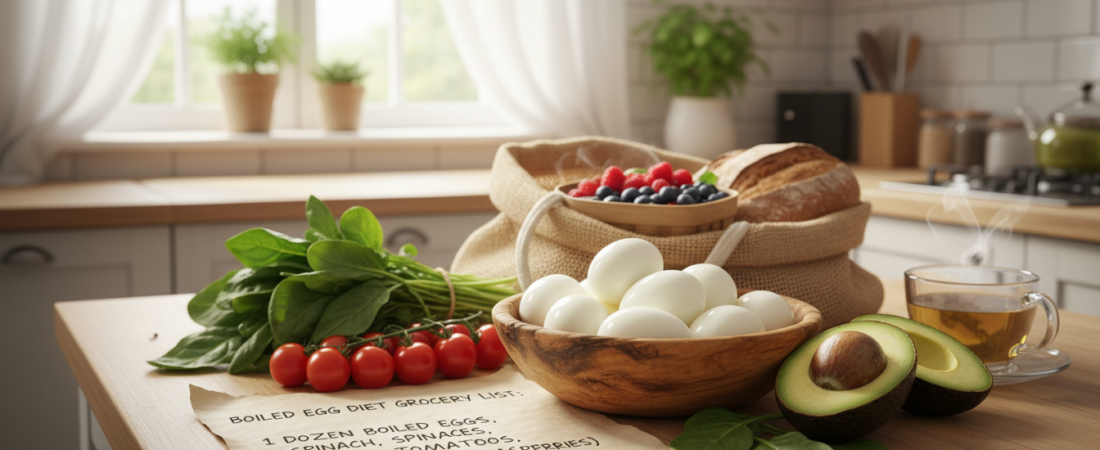
Surprising fact: a typical 14-day plan that centers on eggs and lean proteins can cut daily carbs sharply and often trims meal prep time by half.
This guide is a practical, US-friendly shopping blueprint for a strict 14-day style plan and for smart transition items afterward.
Think of this as a short-term, structured checklist to remove the “what do I eat?” stress at the store. The goal is simple: prioritize protein-forward staples, low-carb produce, and basic seasonings so meals stay filling without processed food.
What it covers: exactly what to buy for eggs, proteins, vegetables, fruits, fats and seasonings, drinks, plus useful prep tools. This helps you scan and shop fast.
Note that weight loss results vary. This section focuses on stocking your kitchen to support protein, fiber, and hydration during a more limited plan, not on guaranteed pounds lost.
If you have kidney disease, are pregnant, or have a history of disordered eating, talk with a clinician before starting a restrictive regimen.
Key Takeaways
- A clear, store-ready blueprint for a strict 14-day plan and transition items.
- Shopping emphasis: protein, low-carb produce, simple seasonings, and water.
- Designed to reduce decision fatigue and keep meals satisfying.
- Weight loss varies; the focus here is on what to buy and how to stock your kitchen.
- People with medical concerns should consult a clinician first.

Understanding the Boiled Egg Diet Before You Shop
Before you push a cart, get clear on what this short-term egg plan actually does for appetite and energy.
What this eating pattern is today
This egg diet is a structured, low-carb approach where eggs appear in most meals. Many versions use hard-cooked eggs for convenience.
Why 14 days is common
The 14-day timeframe is popular because the plan is restrictive and not meant as a long-term lifestyle for most people. It gives a clear start and stop window to test changes without permanent rules.
How protein helps control calories
High-protein meals increase fullness, so many people naturally eat fewer calories without constant snacking. Protein’s Thermic Effect of Food (TEF) uses more energy to digest than carbs or fat, slightly boosting daily metabolism.
What rapid loss usually means
Early weight loss often reflects glycogen and water reduction as carbs drop, not pure fat loss. Expect quick shifts on the scale that slow after the first week.
Safety note: people with chronic kidney disease (CKD stages 3–5), pregnancy or lactation, or a history of eating disorders should consult a clinician before starting.
Shopping correctly — stocking lean proteins, varied non-starchy produce, and hydration options — helps reduce the restrictive feel and keeps your body energized through the two-week plan.
Boiled Egg Diet Grocery List Essentials
Gather a core set of proteins, produce, and flavor boosters to keep meals varied and filling.
A Great Way to Get Started on the Right Foot!
14-Day Boiled Egg Diet Plan
Recipe Guide Printable Bundle
Healthy, easy meals laid out for you day-by-day. A simple two-week structure you can start immediately.
- 14 Daily Meal Ideas
- Printable PDF Guides
- Quick & Simple Recipes
- Instant Download
Instant Download! Start Right Away!
Eggs to buy for the week: how many, what types, and storage tips
Buy this first: eggs, two to three lean proteins, 6–10 non-starchy vegetables, 2–4 low-sugar fruits, and simple fats and seasonings for flavor.
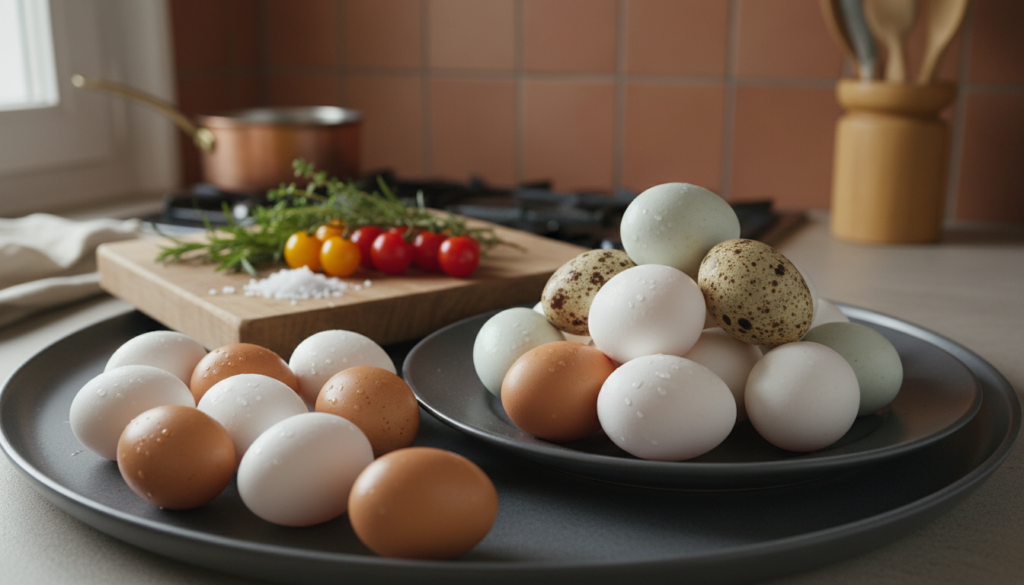
For most people, 18–30 eggs per week works well. That covers two eggs at breakfast plus a few for salads or snacks. Adjust by household size.
Choose large or extra-large based on your calorie tracking and budget. Conventional, organic, or pasture-raised are all fine—pick what fits your wallet.
Keep eggs in the original carton and store them in the main fridge shelf to preserve freshness.
Lean proteins to pair with eggs for meals
Rotate chicken, turkey, and fish (tuna, cod, salmon) so meals stay interesting. Consider tofu as a swap for plant-based versions.
Plan simple swaps: one day chicken, next day fish, then turkey. This reduces repetition and helps maintain steady protein intake.
Non-starchy vegetables to build volume, fiber, and nutrients
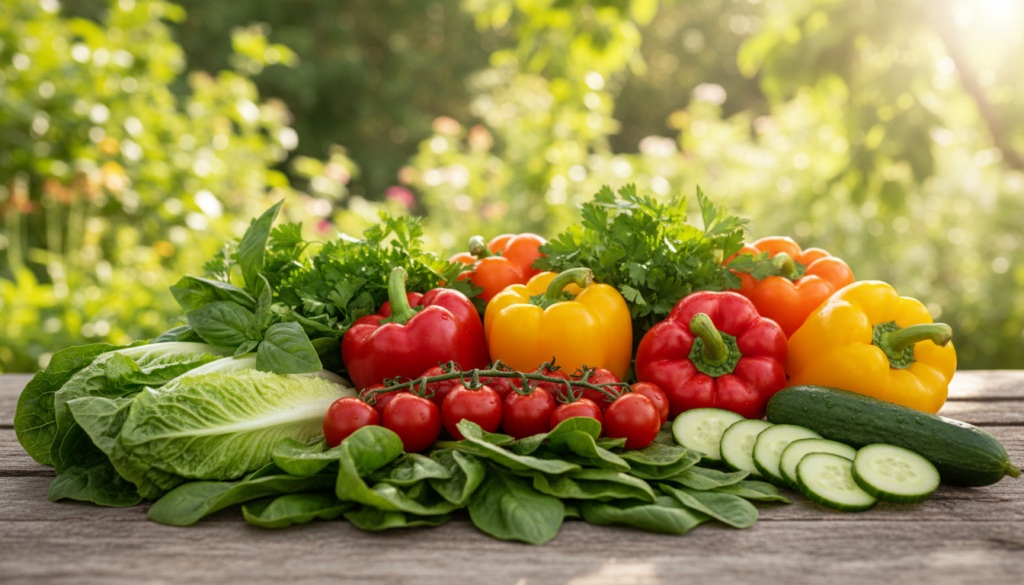
Load plates with spinach, arugula, kale, broccoli, zucchini, peppers, mushrooms, and tomatoes.
Vegetables add fiber and key nutrients while keeping carbs lower. Aim to build meals around veg, then add protein and small fats.
Low-sugar fruits and healthy fats
Choose berries, grapefruit, oranges, lemons, and avocado. Use citrus to brighten salads and berries as a small breakfast side.
Keep healthy fats measured: olive oil, a dab of butter, or a touch of coconut oil. Strong spices and fresh herbs act as “satisfaction insurance.”
| Category | Examples | Weekly Qty | Tip |
|---|---|---|---|
| Egg types | Large, Extra-large, Organic | 18–30 eggs | Store in carton on fridge shelf |
| Lean proteins | Chicken breast, Turkey, Salmon | 2–3 varieties | Rotate to avoid boredom |
| Vegetables | Spinach, Broccoli, Zucchini | 6–10 types | Build plates around veg |
| Fruits & fats | Berries, Avocado; Olive oil, Butter | 2–4 fruits; small fats | Use lemon as dressing |
Portion awareness: watch protein and fat portions so total intake stays controlled—this prevents accidental calorie creep.
Bestseller #1
- Cooks 10 eggs in shells to a hard, medium or soft consistency with the 600-watt heater
- Poaching tray with 4-egg capacity and omelet tray with 3-egg capacity
- Brushed stainless steel lid; blue LED indicator, audible alert and standby mode
$48.72Bestseller #2
- MULTI FUNCTIONAL EGG COOKER: The Evoloop egg boiler is ideal for a busy solitary person or family to make hard-boiled eg…
- SIX EGG CAPACITY: Save time and water by cooking up to six eggs to soft, medium, or hard-boiled firmness; this method is…
- EASY TO STORE and SAVES SPACE: The boiled egg cooker measures about 7.6 inches tall and 5.6 inches wide and 8.6 inch len…
$29.99Bestseller #3
- MAKE EGGS 6 WAYS. If you and your family love eggs, you need the world’s most versatile egg cooker in your kitchen. With…
- MAKE 4 EGG BITES, 4 POACHED EGGS OR 9 HARD-BOILED EGGS. Cook up to 4 egg bites or 4 poached eggs in about 10 minutes or …
- PREPARE OMELETS, SCRAMBLED EGGS, FRIED EGGS AND MORE. Built-in 5.25” PFAS-Free nonstick skillet for making omelets, scra…
$44.95Bestseller #4
- HALF COST, HALF TIME, DOUBLE EGGS: Cook 12 eggs at once with our upgraded evoloop egg cooker, stackable design saves spa…
- MULTI FUNCTIONAL EGG COOKER: The Evoloop egg boiler is ideal for a busy solitary person or family to make hard-boiled eg…
- EASY TO STORE and SAVES SPACE: The boiled egg cooker is easy to carry around; The 2-layer design lets you customize it f…
$39.99Bestseller #5
- HALF COST, HALF TIME, DOUBLE EGGS: Cook 12 eggs at once with our upgraded evoloop egg cooker, stackable design saves spa…
- MULTI FUNCTIONAL EGG COOKER: The Evoloop egg boiler is ideal for a busy solitary person or family to make hard-boiled eg…
- EASY TO STORE and SAVES SPACE: The boiled egg cooker is easy to carry around; The 2-layer design lets you customize it f…
$39.99
Proteins to Stock Up On for Simple Egg Diet Meals
Choose proteins that cook fast and store well to simplify daily meals. A tight rotation keeps eating varied and helps you avoid mono-meals that feel stale.
Poultry picks for quick meals
Buy smart: boneless skinless chicken breasts, chicken tenderloins, and 93–99% lean ground turkey. Tenderloins cook in minutes, and ground turkey makes easy bowls and wraps.
Fish choices to mix in
Canned tuna works for speedy salads, frozen cod is a lean dinner base, and portioned salmon adds variety and satiety. Keep a mix of fresh and shelf-stable options.
Lean red meat and portion control
For those who include red meat, choose sirloin, eye of round, or extra-lean ground beef. Keep portions moderate to stay within the plan’s focus on lean protein.
Plant-based swaps
Firm tofu and textured soy protein offer high-protein alternatives for vegetarian versions. Both store well and adapt to stir-fries and salads.
- Protein shopping formula: pick 2 poultry items + 2 seafood items + 1 alternate (lean beef or tofu).
- Prep tip: batch-bake chicken, keep tuna + mustard on hand, and portion proteins into containers.
| Category | Examples | Why buy |
|---|---|---|
| Poultry | Chicken breast, Tenderloins, Ground turkey | Fast cook, versatile for bowls and wraps |
| Seafood | Canned tuna, Frozen cod, Salmon fillets | Convenient, lean sources, variety of textures |
| Alternates | Sirloin, Eye of round, Firm tofu | Portion-friendly red meat or plant-based protein |
Note: pairing protein with vegetables helps you stay full longer than relying on eggs alone.
Vegetables and Greens That Keep the Plan Filling
Focus on volume and texture. Vegetables add bulk and fiber, so meals feel less restrictive while delivering essential vitamins. Pick produce that’s easy to prep and tastes good cold or warm.

- NO-COATING NONSTICK: A patented No-Coating titanium interior delivers effortless release without traditional coatings, o…
- PRO-GRADE TRI-PLY CONSTRUCTION: Stainless steel, aluminum, and titanium come together to form virtually indestructible t…
- HIGH-HEAT PERFORMANCE: Safe up to 750°F, this versatile everything pan moves from stovetop to oven for searing, roasting…
Leafy picks and how to use them
Spinach works well for quick omelet-style meals or tossed salads. Arugula brings a peppery kick for bowls. Kale holds up in make-ahead salads and reheats without turning soggy.
Core non-starchy vegetables to keep on hand
Choose broccoli (fresh or frozen), zucchini, bell peppers, mushrooms, and tomatoes. These foods sauté fast and add steady fiber and texture to plates.
Flavor builders for meal-prep
Onion and garlic add deep flavor so you skip sugar-heavy sauces. Roast a pan of broccoli and peppers, spiralize zucchini for a quick side, and pre-slice mushrooms and onions to cut evening cook time.
Tip: mix fresh and frozen greens to reduce waste and keep options ready all week.
| Use | Examples | Why buy |
|---|---|---|
| Leafy greens | Spinach, Arugula, Kale | Versatile for salads and sides; pack vitamins |
| Non-starchy veg | Broccoli, Zucchini, Peppers, Mushrooms, Tomatoes | High fiber, low carbs, easy to cook |
| Flavor | Onion, Garlic | Add satisfaction without sugar |
Fruit, Fiber, and Smart Carbs: What Fits Now vs Later
Smart fruit choices help you feel satisfied while keeping day-to-day carbs controlled.
Most versions keep fruit limited and favor lower-sugar options so total carbs stay steady. Treat fruit as a small side or flavor boost, not the main plate component.
Lower-sugar fruit buys and uses
Buy these first: berries (small portions), grapefruit or oranges for breakfast sides, lemons for dressings, and avocado as a fruit that eats like a fat.
Fruits to limit during the strict phase
Limit higher-carb picks—bananas, grapes, mangoes, and dried fruit. These raise sugar and carb totals quickly and are easier to overeat.
Simple 1–2 week rule: prioritize citrus and berries, skip dried fruit, and keep portions consistent each day.
Smart carbs to add back later
After the strict two weeks, reintroduce whole grains slowly—oats, brown rice, and quinoa—rather than jumping to refined options. Add legumes like lentils and chickpeas to restore fiber and variety.
| Phase | Recommended | Limit/Skip |
|---|---|---|
| Strict (first 1–2 weeks) | Berries, Grapefruit, Oranges, Lemons, Avocado | Bananas, Grapes, Mangoes, Dried fruit |
| Transition (after day 14) | Oats, Brown rice, Quinoa, Lentils, Chickpeas | Refined grains, Sweetened snacks, Large fruit portions |
| Why it helps | Controls sugar, adds fiber, maintains variety | Avoids carb spikes and rebound overeating |
Plan ahead: deciding how and when to reintroduce whole grains and legumes helps prevent an “on/off” cycle after the program ends.
Foods and Drinks to Avoid While Following a Strict Egg Diet
A simple rule helps: if it spikes blood sugar fast, it likely has no place in the strict phase.
Keep shopping focused by removing obvious culprits from the cart. That prevents late-night snacking and protects steady energy.
Sugary foods and sweetened beverages
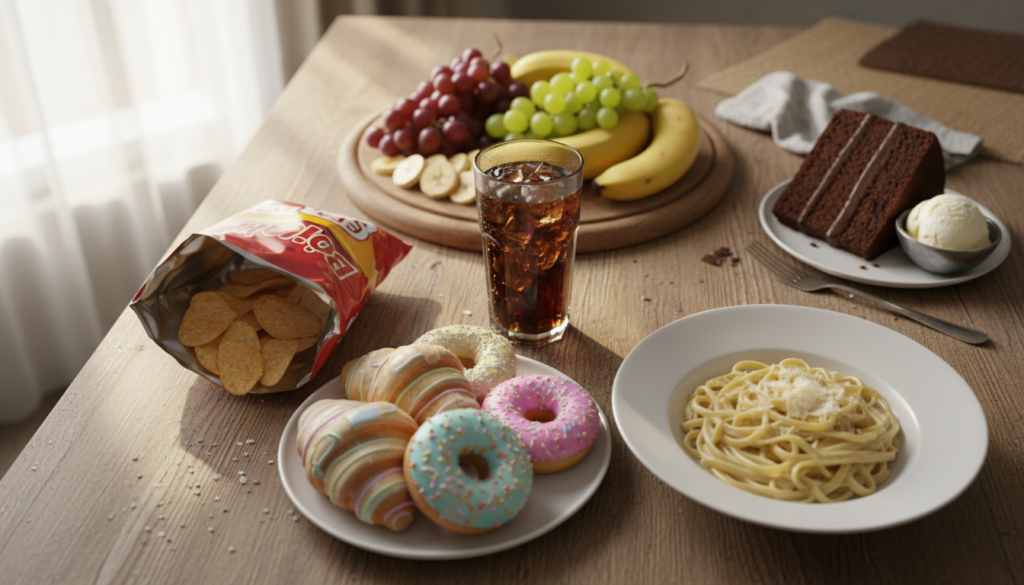
Do not buy: soda, fruit juices, candy, pastries, and sweetened yogurt. These items raise calorie intake quickly and make low-carb eating harder to sustain.
Refined grains and hidden carbs
Avoid white bread, white pasta, white rice, crackers, breaded meats, and sweet condiments. Packaged snacks often hide extra sugar and starch.
Processed meats and fast foods
Skip bacon, sausage links, hot dogs, and drive-thru meals. They can be high in sodium, additives, and calories—even when they seem protein-forward.
Starchy vegetables and tubers
Hold off on white potatoes, sweet potatoes, yams, and cassava for the first 14 days. These tubers raise carbs and can slow progress during strict eating.
Dairy and alcohol guidance
Some versions limit milk and cheese; others allow low-fat dairy. Choose according to your chosen rules.
Avoid alcohol: it adds empty calories, reduces inhibition, and can disrupt hydration goals.
A Great Way to Get Started on the Right Foot!
14-Day Boiled Egg Diet Plan
Recipe Guide Printable Bundle
Healthy, easy meals laid out for you day-by-day. A simple two-week structure you can start immediately.
- 14 Daily Meal Ideas
- Printable PDF Guides
- Quick & Simple Recipes
- Instant Download
Instant Download! Start Right Away!
Do-not-buy checklist: soda/juice, candy/pastries, white bread/pasta/rice, crackers, breaded items, bacon/sausage, fast food, white potatoes/sweet potatoes, alcohol, sugary yogurts.
| Category | Examples to avoid | Why |
|---|---|---|
| Sugary items | Soda, Fruit juice, Candy, Pastries | Raise calories and blood sugar rapidly |
| Refined grains | White bread, Pasta, Rice, Crackers | Hidden carbs; easy to overeat |
| Processed meats | Bacon, Sausage, Hot dogs, Fast-food sandwiches | High sodium, additives, extra calories |
| Starchy tubers | White potatoes, Sweet potatoes, Yams, Cassava | Dense carbs; excluded in strict phase |
| Alcohol & dairy | Beer, Wine, Mixed drinks; Full-fat milk, Sweetened cheese spreads | Empty calories; dairy may be limited per plan |
Hydration, Electrolytes, and Zero-Sugar Drinks to Add to Your Cart
Hydration is a small change that often makes the biggest difference in how you feel day to day.
Put these drinks in your cart: still water, sparkling water, unsweetened coffee, and unsweetened tea. These are the default, zero-sugar choices that support steady energy and minimal carbs.
How low-carb eating affects fluid balance
When you reduce carbs, your body sheds glycogen and the water that comes with it. That shift can cause headaches, fatigue, or dizziness for some people in the first few days.
Good hydration often eases those symptoms and keeps your metabolism and mood steadier while you adjust.
Practical intake guideline and electrolyte notes
A common benchmark to consider is about 35 ml/kg/day. Adjust up for activity, heat, or special medical needs and review with your clinician.
Electrolytes matter. Sodium and potassium losses can rise on low-carb plans. People with blood pressure concerns or kidney problems should not supplement without medical advice.
Quick grocery-friendly options to discuss with a clinician: zero-sugar electrolyte packets, mineral water with electrolytes, or a low-sodium bouillon/broth if it fits your rules. Avoid mainstream sports drinks unless they are truly zero-sugar—many hide carbs.
| What to buy | Why | How to use |
|---|---|---|
| Still water | Hydrates without calories | Sip throughout the day; set a bottle goal |
| Sparkling water | Carbonation can reduce cravings | Use as a satisfying, zero-sugar substitute |
| Unsweetened coffee/tea | Low calories; supports alertness | Drink plain or with a small amount of fat if allowed |
| Electrolyte packets/mineral water | Replaces lost sodium/potassium | Use under clinician advice for symptoms |
Meal Prep Shopping: Tools and Ingredients That Make Boiled Eggs Easy
A compact prep setup can turn repetitive eggs into quick, tasty meals all week. A few gadgets and pantry staples cut cook time and keep flavors fresh on a short plan that relies on hard-cooked protein.
Time-savers and a small kit
Must-haves: an egg timer or instant-read thermometer, a steamer insert, a slotted spoon, and airtight containers. These items speed cooking and protect texture.
Batch-cook, cool in an ice bath, label the container with the date, and refrigerate. When proteins are ready, you reach for them instead of convenience foods.
Grab-and-go add-ons to keep things interesting
Stock vinegar, mustard, hot sauce, and no-sugar spice blends. These condiments add punch without extra carbs or sweeteners.
Label-reading tip: check spice mixes and sauces for hidden sugars and starches before buying.
Salad and bowl basics
Olive oil + vinegar + lemon juice form a quick dressing base that suits most low-carb bowls. Add herbs, pepper, and a pinch of salt to make simple meals feel composed.
One practical example: chopped boiled egg with mustard and celery over greens, finished with lemon and black pepper.
| Tool / Item | Why it helps |
|---|---|
| Egg timer / Thermometer | Consistent doneness; fewer ruined batches |
| Steamer insert | Hands-off cooking; easy batch steaming |
| Airtight containers | Keep texture and extend fridge life |
| Vinegar, mustard, olive oil | Flavor without added sugar; fast dressings |
Quick workflow: cook a batch, cool quickly, label, and store. That simple habit makes weekday meals faster and keeps adherence strong.
Example Grocery Cart for a Few Days of Egg Diet Eating
Here’s a compact, copyable cart to cover three to four days of structured meals. Use it to shop once and start immediately without overthinking portions.
Breakfast set (daily): 2 eggs + grapefruit or a small cup of berries. Optional: one small container low-fat yogurt or a modest portion of fresh, low-fat cheese if your version allows dairy.
Lunch basics (build around chicken): 2–3 lb chicken breasts or tenderloins, 8–12 cups salad greens, 4 tomatoes, 2 cucumbers, 2 onions, olive oil and vinegar for dressing.
Dinner (fish-focused): 2 canned tuna packets for quick salads and one frozen cod or salmon fillet (enough for 2 meals) to cook with vegetables.
Produce for volume: 2 heads broccoli or 1 large bag frozen, 3 zucchini, 3 bell peppers, 8 oz mushrooms, plus 3 lemons for dressings and flavor.
Protein backups: extra dozen eggs, 2–3 tuna packets, or a package of pre-cooked chicken strips with clean labels to avoid takeout.
Note on dairy: Low-fat yogurt and fresh cheeses are optional and should be used only if your chosen plan permits them.
| Item | Qty (approx.) | Use |
|---|---|---|
| Eggs | 18–24 | Breakfasts & snacks |
| Chicken breasts / tenderloins | 2–3 lb | Lunches for 3–4 days |
| Canned tuna / frozen fish | 2–4 packets / 1–2 fillets | Quick dinners and salads |
| Salad greens | 8–12 cups | Daily base for meals |
| Mixed vegetables | Broccoli, zucchini, peppers, mushrooms | Sides and volume |
Quick tip: shop for clean-label proteins and plan 1–2 simple dressings so meals stay flavorful without extra carbs.
Conclusion
A tight, purchase-first approach makes daily meals less stressful and supports steady eating habits.
Buy smart: when you stock eggs, lean proteins, non-starchy vegetables, low-sugar fruit, and simple seasonings, following the plan becomes far easier day to day. Treat that cart as a guardrail to curb impulse buys and keep meals consistent.
Expect realistic results: early weight loss often reflects glycogen and water changes, not only fat loss. How many pounds you lose depends on calorie intake, starting weight, and adherence — no single cart guarantees the same outcome for everyone.
If you feel dizzy, very tired, or have headaches, check hydration and electrolytes and seek medical advice if needed. This approach is usually best kept short — measured in weeks — with a gradual reintroduction of balanced foods afterward to avoid rebound effects.
Next step: use the example cart as your baseline, repeat favorites, and rotate proteins and vegetables so eating stays varied and sustainable.