Surprising fact: people who cut excess breakfast sodium lower their blood pressure faster than those who only change dinner habits.
Dietary Approaches to Stop Hypertension focuses on fruits, vegetables, whole grains, low‑fat dairy, and lean protein. Eggs are a smart morning protein when you avoid salty shortcuts and toppings.
This short, friendly listicle will give quick ideas, simple rules, and tasty combos that keep your breakfast satisfying and protect sodium goals. Expect fast recipes like egg scrambles, yogurt smoothies, overnight oats, and avocado toast, plus label‑reading and meal‑prep tips.
Key point: eggs themselves aren’t usually the sodium culprit—packaged sides, salty seasonings, and restaurant add-ons are. Follow clinician or dietitian advice if you have high blood pressure or special needs.
Key Takeaways
- Eggs fit the plan when prepared without added salt or salty toppings.
- Focus on whole foods—produce, whole grains, and low‑fat dairy—to support blood pressure.
- Simple cooking methods (boiled, poached, scrambled) keep sodium low.
- Watch packaged sides and restaurant meals for hidden sodium.
- Quick recipes and meal prep make healthy breakfasts easy on busy mornings.
- Individual targets vary—consult a clinician or dietitian when needed.
Why DASH-friendly breakfasts matter for high blood pressure
Starting the day with the right foods can make a measurable difference in blood pressure control. Breakfast is repeatable and simple to change, so small swaps cut sodium and saturated fat without feeling limiting.
A Great Way to Get Started on the Right Foot!
14-Day Boiled Egg Diet Plan
Recipe Guide Printable Bundle
Healthy, easy meals laid out for you day-by-day. A simple two-week structure you can start immediately.
- 14 Daily Meal Ideas
- Printable PDF Guides
- Quick & Simple Recipes
- Instant Download
Instant Download! Start Right Away!
What “Dietary Approaches to Stop Hypertension” looks like at the table
Dietary approaches stop hypertension by favoring fruits, vegetables, whole grains, low-fat dairy, lean proteins, and legumes. In practice that means choosing whole-grain toast, fruit, and lower-sodium proteins over ultra-processed options.
Why potassium, fiber, and low saturated fat help
Produce-rich breakfasts add potassium, which supports healthy arteries. Foods like spinach, berries, banana, and avocado pair well with eggs and grains.
Fiber from oats, chia, and whole grains steadies energy and keeps you full. Low saturated fat choices—think low-fat dairy and olive oil—help the heart over time.
“Small breakfast changes can start to lower blood pressure in as little as a week for some people.”
High blood pressure management is multi-factorial, but these meal moves make a meaningful, easy start. The rest of the article shows where sodium hides and how to keep flavor high while keeping sodium low.
How eggs fit into the DASH diet without driving up sodium
Eggs make a reliable, low-sodium protein base when you cook them simply and pair them with whole foods. Registered dietitians and the American Heart Association support modest egg use for most healthy people, so focus on methods that keep sodium and saturated fat low.
Smart cooking methods
Boiled eggs are grab-and-go and need no salt. Poached eggs offer clean flavor without butter. Soft-scrambled eggs cook gently with minimal oil for a creamy texture.
Portion and plate balance
Many people do well with one whole egg plus extra egg whites for added protein. Pair eggs with vegetables and fruits to raise potassium and fiber levels and to keep the meal satisfying.
Choose whole-grain toast or bread instead of refined sides, but check labels—some bread has surprising sodium. Build flavor with black pepper, lemon, fresh herbs, or a light sprinkle of paprika. Note that restaurant-style eggs often use more salt and butter than necessary.
Tip:Use hard-cooked eggs for meal prep to simplify low-sodium mornings and stick with your plan.
Low-sodium breakfast rules to follow when you’re short on time
A few smart habits make low-sodium mornings easy, even on the busiest days. Keep the focus on sodium first, then build flavor and balance.
Check labels on bread, dairy, and cereal
Rule of thumb: scan for “low sodium” or “no added salt” on bread, dairy, and cereal packages. Different brands vary a lot, so compare the nutrition panel before you buy.
Choose fresh or no-salt-added produce
Make fruits and vegetables the base of your plate. Fresh or no-salt-added frozen/canned options keep sodium levels low and support the dash diet pattern.
Build flavor without salt
Use garlic in eggs, squeeze lemon on avocado, add fresh basil with tomatoes, crack black pepper, or stir cinnamon into oats or yogurt. These ingredients boost taste without extra sodium.
Watch hidden sodium in toppings
Beware of salsa, many cheeses, smoked fish, and packaged seasoning blends—these can spike sodium fast. Swap to plain yogurt, fresh salsa made at home, or unsalted nuts when possible.
Simple, repeatable moves matter more than perfection. Keep an eye on sodium levels across the day, since a low-sodium morning makes it easier to manage pressure later.

DASH Diet Breakfasts you can make in ten minutes or less
Ten minutes and a few pantry staples unlock several low-salt, protein-rich morning options. These fast recipes fit weekday routines and keep sodium in check so you can stay on target without extra effort.
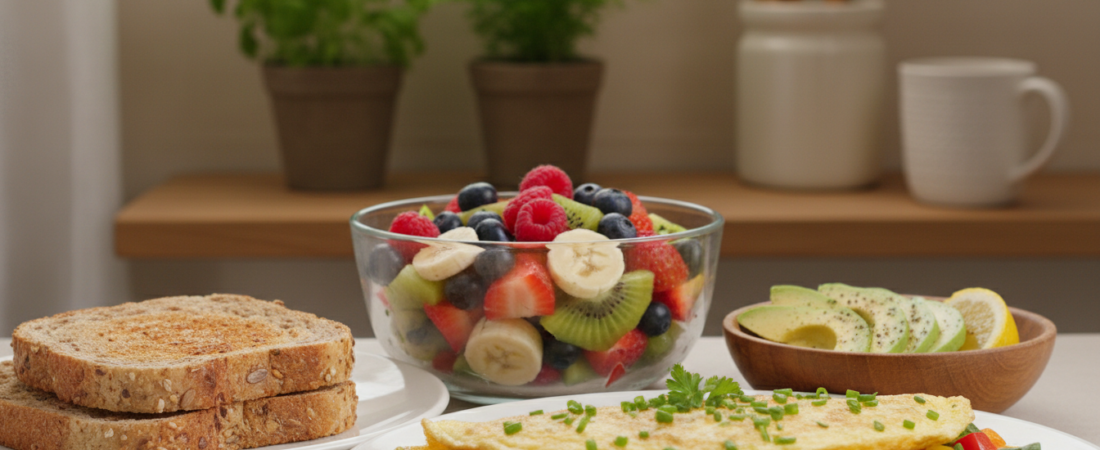
Quick egg scramble with spinach and whole-grain toast
How: Whisk one whole egg plus extra whites, sauté spinach in a teaspoon of olive oil, stir in eggs until set, and serve with one slice of whole-grain toast. Minimal salt, lots of protein and fiber.
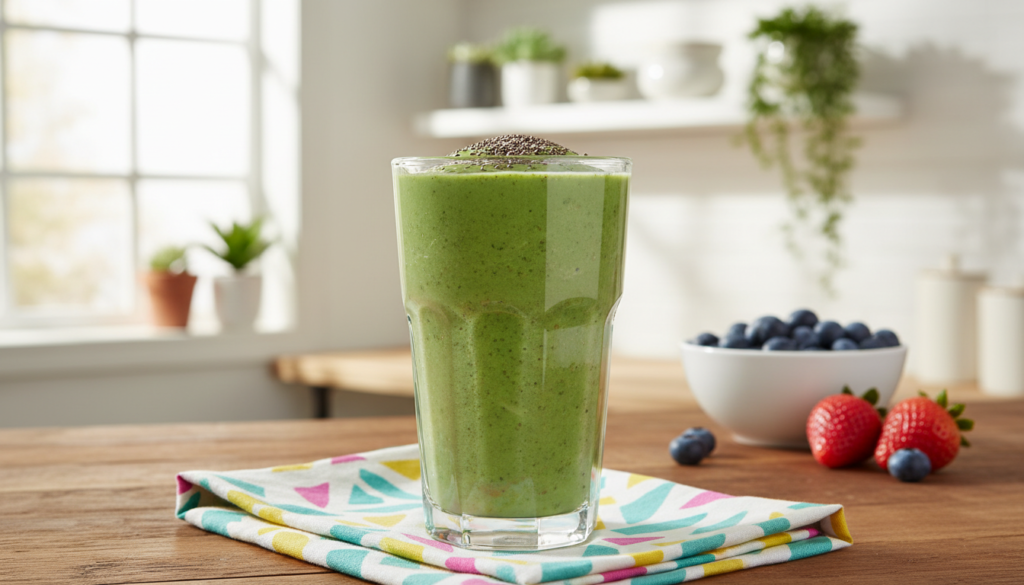
Greek yogurt, spinach, and pineapple smoothie with chia seeds
How: Blend plain Greek yogurt, a handful of spinach, frozen pineapple, and a tablespoon of chia seeds. Use ripe banana for extra sweetness and unsweetened milk if you want a thinner texture.
Three-ingredient fruit smoothie using yogurt and frozen fruit
How: Combine plain yogurt, a cup of frozen fruit, and a splash of juice or milk. Rotate fruits—berries, mango, or peach—to keep mornings fresh and satisfying.
Chocolate-banana protein smoothie ideas using low-sodium basics
How: Blend banana, unsweetened milk or soy milk, cocoa powder, and a scoop of your preferred protein. This keeps sugar and sodium low while delivering creamy, chocolate flavor.
Practical note: Watch packaged granola, flavored yogurts, and premade toppings—these can raise sodium and added sugars. Pick 2–3 go-to recipes and repeat them to support long-term success.
| Recipe | Ready in | Main protein | Key add-ins | Potential sodium risk |
|---|---|---|---|---|
| Egg scramble + toast | 8–10 min | Eggs | Spinach, whole-grain toast | Low if no added salt |
| Greek yogurt-spinach-pineapple smoothie | 5 min | Greek yogurt | Chia seeds, banana | Low with plain yogurt |
| 3-ingredient fruit smoothie | 3–5 min | Yogurt | Frozen fruit, juice/milk | Low to moderate (watch juice) |
| Chocolate-banana protein smoothie | 4–6 min | Protein powder or milk | Cocoa, banana, milk | Low if unsweetened milk & plain powder |
Spinach and egg scramble with whole-grain toast for protein and fiber
A quick spinach-and-egg scramble with hearty whole-grain bread wakes up your appetite and helps you stay full until lunch. This plate is fast to make and fits the dash diet pattern by pairing lean protein with high-fiber grain and vegetables.
Why this combo keeps you full: protein + fiber + vegetables
Core idea: scramble one whole egg plus extra whites with a handful of spinach, cook in a teaspoon of olive oil, and serve with one slice of toasted whole-grain bread.
Satiety explained: eggs supply concentrated protein while whole-grain bread adds fiber that slows digestion. Spinach and other vegetables add volume and micronutrients without extra sodium.
- Use olive oil in small amount instead of butter to lower saturated fat and support heart health.
- Add extra vegetables when possible—tomato or onion work well—and season with black pepper, garlic, or lemon, not salt.
- Make it lower sodium: skip salty cheese or choose a low-sodium variety and avoid bacon or processed sides.
- Time-saver: buy pre-washed baby spinach or wash leaves ahead so the whole meal takes under 10 minutes on busy mornings.
Tip: Repeat this scramble through the week for an easy, satisfying breakfast that helps you meet protein and fiber goals while keeping sodium in check.
Hard-boiled egg breakfast plate with avocado, spinach, and lime
A plated combo of hard-boiled eggs, ripe avocado, and fresh greens gives a flavorful, low-effort start to your day.
Why it works: Whole eggs supply concentrated protein, while avocado adds healthy fats that boost satisfaction. Spinach brings potassium and fiber to support morning energy and healthy pressure control.
A Great Way to Get Started on the Right Foot!
14-Day Boiled Egg Diet Plan
Recipe Guide Printable Bundle
Healthy, easy meals laid out for you day-by-day. A simple two-week structure you can start immediately.
- 14 Daily Meal Ideas
- Printable PDF Guides
- Quick & Simple Recipes
- Instant Download
Instant Download! Start Right Away!
How to keep it low-sodium while staying flavorful
Build taste with bright lime juice, cracked black pepper, and fresh herbs like cilantro or parsley. These lift flavor without adding sodium.
Use caution with salsa and cheeses—both can raise sodium fast. If you include them, choose low-sodium labels and keep portions small.
- Make it a quick bowl: halve eggs, slice avocado, pile baby spinach, and squeeze lime.
- Add chopped tomato or fresh fruit on the side for balance and extra fiber.
- Batch-boil eggs once weekly so assembly takes two minutes on busy mornings.
| Component | Benefit | Low-sodium tip |
|---|---|---|
| Hard-boiled eggs | Protein for staying power | Boil in advance; eat plain or with pepper |
| Avocado | Healthy fats for fullness | Use ripe avocado; season with lime |
| Spinach | Potassium and fiber | Fresh or no-salt-added frozen |
| Salsa / cheese (optional) | Flavor boost | Scan labels; use small amounts |
Vegetable-packed frittata with cottage cheese for meal-prep mornings
Make a vegetable-packed frittata once and you unlock simple, ready-to-reheat meals for busy mornings. This baked dish slices into portions that reheat in minutes and keeps protein high without extra fuss.
Best vegetables to use: pick broccoli, bell pepper, onion, and spinach for color, texture, and nutrients. These ingredients add fiber and volume while pairing well with eggs and cottage cheese.
Smart cheese and sodium tips
Cottage cheese boosts protein and adds creaminess, but dairy varies in sodium. Check labels and choose lower-sodium cottage cheese or a low-fat dairy option when possible.
Reduce added salt in the egg mix. Use a light sprinkle of reduced-sodium shredded cheese or skip the cheddar to cut levels further. Fresh herbs and black pepper add flavor without extra sodium.
- Bake, cool, and slice into 6–8 portions for easy grab-and-go meals.
- Store in the fridge up to 4 days; reheat a slice for 45–60 seconds.
- Pair a slice with fruit or a small bowl of oats for a balanced dash diet meal that steadies energy.
| Step | Why it helps | Low-sodium tip |
|---|---|---|
| Choose veggies | Adds fiber, potassium, and flavor | Use fresh or no-salt-added frozen |
| Use cottage cheese | Raises protein and creaminess | Pick lower-sodium or low-fat dairy brands |
| Limit added cheese/salt | Keeps sodium levels down | Swap herbs and pepper for taste |
Overnight oats with chia seeds and fresh fruit for a heart-healthy base
Prep a jar of oats the night before and wake to a ready, heart-friendly meal. This easy make-ahead choice is high in fiber, low in sodium, and fits well with the dash diet pattern when made from plain ingredients.
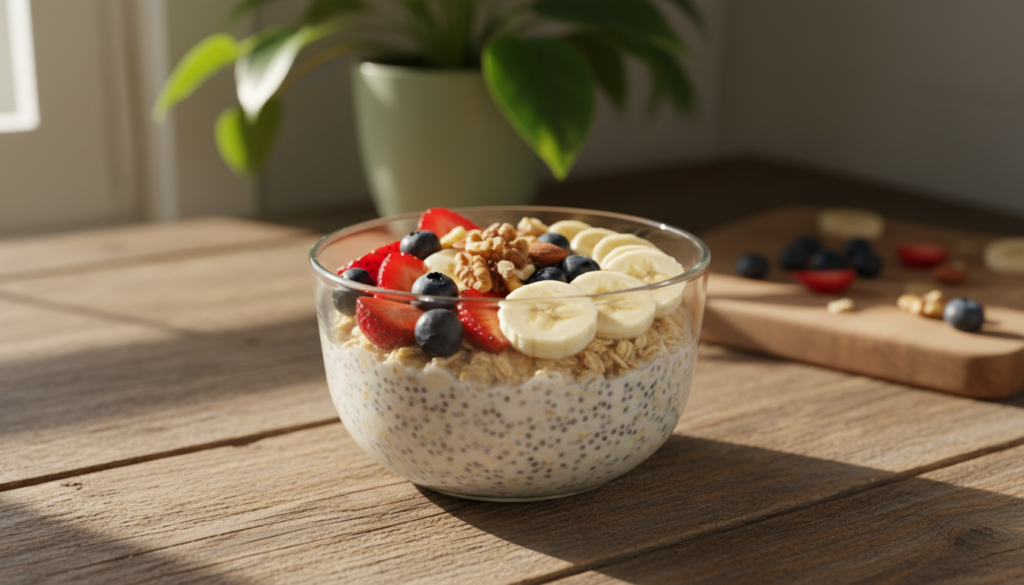
Simple formula: 1/2 cup rolled oats + 2 tbsp chia seeds + 1/2 cup almond milk + 1/4 cup water + mashed banana. Stir, refrigerate 8 hours, then top with fresh berries. Prep time: ~5 minutes. Nutrition: ~246 kcal, 44g carbs, 6.5g protein, 6g fat.
High-fiber add-ins: berries, banana, and cinnamon
Add berries and banana for natural sweetness and extra fiber. A pinch of cinnamon boosts flavor without sugar or salt.
Milk options: low-fat dairy milk vs. unsweetened almond milk
Choose low-fat dairy milk for creaminess and calcium, or unsweetened almond milk for fewer calories. Both work in this dash-friendly recipe.
Quick tips: portion into jars for grab-and-go mornings, avoid flavored instant packets, and add fresh fruit just before serving to keep texture bright.
Peanut butter banana oatmeal that supports steady morning energy
Warm bowls that combine oats, ripe banana, and a spoonful of peanut butter make mornings cozy and steady. This version cooks with water and keeps ingredients simple so sodium stays low while flavor stays high.
How oats and chia build lasting fullness
Oats and chia seeds add soluble fiber that slows digestion and steadies energy levels. That helps you feel full longer compared with low-fiber breakfast choices.
Peanut butter supplies healthy fats and a touch of protein. Choose unsalted or no-salt-added peanut butter to keep sodium minimal.
- Flavor with cinnamon and a ripe banana instead of sugar.
- Skip the pinch of salt if you manage blood pressure; cinnamon usually gives enough warmth.
- Easy upgrades: extra fruit, a spoon of plain yogurt, or a sprinkle of unsalted nuts.
| Ingredient | Amount | Why it helps |
|---|---|---|
| Rolled oats | 1/2 cup | Fiber for steady energy |
| Banana | 1 medium | Natural sweetness and potassium |
| Peanut butter (unsalted) | 1 tbsp | Healthy fats and small protein boost |
| Chia | 1/2 tbsp | Extra fiber and texture |
| Cinnamon | 1/2 tsp | Sweet, salt-free flavor |
Nutrition (per serving): ~369 kcal, 61g carbs, 11g protein, 12g fats.
Greek yogurt parfaits with berries, nuts, and a touch of maple
A layered Greek yogurt parfait is a fast way to get protein, fruit, and crunch with very little prep. These bowls work well on busy mornings because they pack protein and fiber, and you can control added sugar and sodium.
Choosing plain yogurt to reduce added sugar and sodium
Tip: pick plain Greek yogurt to keep added sugar and sodium low. Flavored varieties often add sweeteners and salt-like preservatives.
Use 1/3 cup Greek yogurt as the base and add berries or banana slices for natural sweetness. A small drizzle of maple gives a dessert-like note without overdoing sugar.
Crunch without the salt: DIY granola and unsalted nuts
Make or buy low-sodium granola and choose unsalted almonds or cashews for texture. Seeds like chia or flax add fiber and a tiny protein boost.
Layer in a jar so portions feel satisfying but not oversized. This parfait prep takes about 10 minutes.
| Component | Amount | Notes |
|---|---|---|
| Granola | 1/3 cup | Choose low-sodium or DIY |
| Greek yogurt | 1/3 cup | Plain to reduce sugar & sodium |
| Nuts (almonds, cashews) | Small handful | Unsalted for crunch |
| Berries + maple | To taste | Fresh fruit adds fiber; small maple drizzle |
- Why it fits the plan: fast, customizable, and high in protein.
- Portion guide: build layers to keep calories balanced (recipe ~444 kcal; 60g carbs; 14g protein; 17g fat).
- Label-check moment: compare granola and nut mixes — sodium and sugar vary widely across brands.
- Mix-and-match fruits: rotate berries, sliced banana, or seasonal fruit to keep mornings interesting.
Chia seed pudding bowls topped with mixed berries
Prep once, eat twice: mix 2.5 tablespoons of chia seeds with 1/2 cup unsweetened almond milk, a small splash of honey if desired, and refrigerate at least 8 hours. The result is a creamy, ready-to-eat bowl that fits the dash diet pattern because it uses simple, low-sodium ingredients.
Why it works: the seeds swell overnight, creating thick texture while adding fiber and plant-based omega-3 fats for heart health. This pudding also supplies a modest amount of protein from the seeds and milk substitute.
Top with mixed berries for natural sweetness and bright flavor. Keep added sweeteners minimal—one teaspoon of honey is enough for most people.
Texture tip: stir well before refrigerating to avoid clumps, then stir again in the morning for the creamiest result. Rotate toppings—fresh fruit, a spoonful of plain yogurt, or a few unsalted nuts—to keep variety high without changing the base.
- Nutrition (per serving): ~292 kcal, 38g carbs, 14g protein, 9g fat.
- Milk choice: unsweetened almond milk or another unsweetened milk keeps sodium and added sugars low.
- Serving idea: enjoy as a portable, satisfying breakfast that supports overall health and simple meal prep.
Avocado toast on whole-grain bread with DASH-friendly toppings
Avocado on toast can feel indulgent yet stay low in salt when you choose the right bread and toppings.
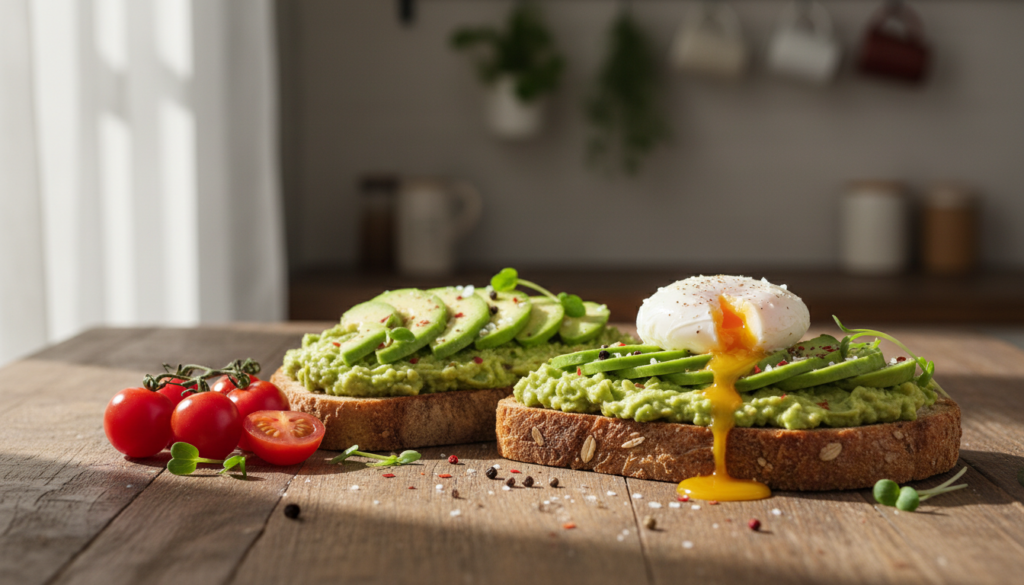
Picking lower-sodium whole wheat bread in US grocery stores
Compare labels and pick 100% whole-grain loaves with the least milligrams of salt per slice.
Many breads hide sodium in the ingredients list, so scan the nutrition facts before you buy.
Fiber boosters: white beans, seeds, and sliced tomato
Add mashed white beans for extra fiber and creaminess without extra salt.
Sprinkle a few unsalted seeds and top with sliced tomato for texture and potassium.
Flavor tip: skip or minimize added salt on avocado. Use fresh lemon or lime and cracked black pepper to lift taste.
Optional protein add-ons include a sliced hard-boiled egg. Avoid salty cheeses and packaged toppings to keep sodium low.
Quick method: toast the bread, mash avocado, add boosters, and you have a repeatable five-minute breakfast that fits the dash diet pattern.
| Step | Why it helps | Low-sodium tip |
|---|---|---|
| Choose 100% whole-grain bread | More fiber and nutrients | Compare labels; pick lowest sodium |
| Mash avocado + lemon | Healthy fats, flavor without salt | Use citrus and pepper instead of salt |
| Add white beans or egg | Boosts fiber or protein | Use plain, no-salt-added beans |
| Finish with seeds & tomato | Texture, potassium, and crunch | Choose unsalted seeds and fresh tomato |
Smoothie bowls and green smoothies with fruit, spinach, and healthy fats
Blend frozen fruit with leafy greens and a protein base for a fast, low-sodium start. A smoothie and a smoothie bowl share the same ingredients, but bowls are thicker and get crunchy toppers. Both work well with the dash diet approach when you use whole-food ingredients and minimal added salt.
Using frozen banana for creaminess without added sugar
Frozen banana adds a silky texture so you can skip sweetened yogurt or juice. It gives natural sweetness and helps achieve bowl thickness when you want crunch on top.
Omega-3 and fiber toppers: chia, flax, and nuts
Sprinkle chia seeds or ground flax for omega-3s and fiber. Add unsalted nuts for crunch and lasting fullness. These toppers keep fats healthy and add texture without sodium.
Protein boosts: Greek yogurt, soy milk, or plant-based powder
Choose plain Greek yogurt, unsweetened soy milk, or a low-sodium plant protein to raise protein in your bowl or glass. Check labels—some powders and mixes contain surprising sodium.
Prep tip: Portion smoothie packs of frozen fruits, spinach, and banana slices into freezer bags. In the morning, add your chosen protein base and blend—breakfast is ready in two minutes.
Whole-grain breakfast ideas beyond oats: pancakes, quinoa, and toast swaps
Try whole-grain pancakes, quinoa bowls, or smart toast swaps to add variety without extra sodium while still fitting the dash diet pattern.
Whole wheat pancakes done dash-style use whole-grain flour, minimal added salt, and fruit-forward toppings like mashed banana or berry compote. Skip salty syrups and keep oil light for better fat balance.
Quinoa makes a great morning bowl—use cooked quinoa with fruit, nuts, and cinnamon. This meal works sweet or savory; avoid salty mix-ins and choose fresh herbs over packaged sauces.
Swap typical bread with whole-grain English muffins or thin-sliced whole wheat for more texture. Always compare labels to find lower sodium per slice.
Watch sauces and condiments
Condiments such as soy sauce or many packaged spreads can spike sodium levels fast even when the base food looks healthy.
Practical alternatives include fresh citrus, chopped herbs, low-sodium salsa, or tiny portions of condiments. These boost flavor without pushing pressure-related sodium limits.
| Option | Why it fits | Low-sodium tip |
|---|---|---|
| Whole wheat pancakes | Comforting whole grain | Top with fruit, not syrup |
| Quinoa bowl | Protein + fiber | Pair with nuts & cinnamon |
| Toast swaps | Quick grain variety | Compare bread labels |
Meal prep strategies for DASH breakfasts all week
Batching a few core items makes it easy to mix and match quick, nourishing meals each day. A short weekend session cuts decision fatigue and helps you keep sodium levels steady without sacrificing flavor.
Make-ahead basics: overnight oats, smoothie packs, and hard-boiled eggs
Pick three go-to items: jars of oats, freezer smoothie packs, and a batch of hard-boiled eggs. These cover most mornings and speed assembly.
Overnight oats stay fresh in jars with toppings added at serving. Smoothies can be pre-blended up to one day, or make frozen packs to blend quickly. Hard-boiled eggs give grab-and-go protein.
Smart shopping and a simple rhythm
Choose 2 fruits, 2 vegetables, 1–2 proteins, and one whole grain so ingredients rotate easily. This keeps costs down and reduces waste.
Tip: buy plain bases and flavor with herbs, citrus, or unsweetened spices to keep sodium low while boosting taste.
A Great Way to Get Started on the Right Foot!
14-Day Boiled Egg Diet Plan
Recipe Guide Printable Bundle
Healthy, easy meals laid out for you day-by-day. A simple two-week structure you can start immediately.
- 14 Daily Meal Ideas
- Printable PDF Guides
- Quick & Simple Recipes
- Instant Download
Instant Download! Start Right Away!
Storage tips to keep fruit and grains fresh and prevent sogginess
Store granola separately from yogurt and keep fruit toppings in small containers. Keep oats dry until you add wet ingredients.
Label containers with dates and note freshness levels. Proper storage supports consistent, lower-sodium breakfasts that aid long-term health.
| Prep Item | Why it helps | Storage tip |
|---|---|---|
| Overnight oats | Fiber-rich, fills you up | Seal jars; add fruit at serving |
| Freezer smoothie packs | Fast, low-waste base | Portion fruit & greens; blend within 24 hours if pre-made |
| Hard-boiled eggs | Protein for satiety | Keep in shell; use within 1 week |
Conclusion
,Simple, repeatable breakfast choices can protect your blood and make healthy mornings effortless.
Key takeaway: build plates around lean protein, fiber, and healthy fats to support better blood pressure. Use whole grains like oatmeal, low-fat dairy or yogurt, fruits, vegetables, nuts, and seeds for balance.
Use eggs wisely: cook simply, skip salty sides, and pair with vegetables, fruit, or whole-grain bread. Hidden sodium—packaged toppings and restaurant add-ons—matters as much as the main recipe.
Practical next step: pick two quick recipes and one meal-prep option from this article to try this week. If you have high blood pressure, kidney disease, or medication concerns, check with a clinician or registered dietitian to confirm the best plan for your health.