
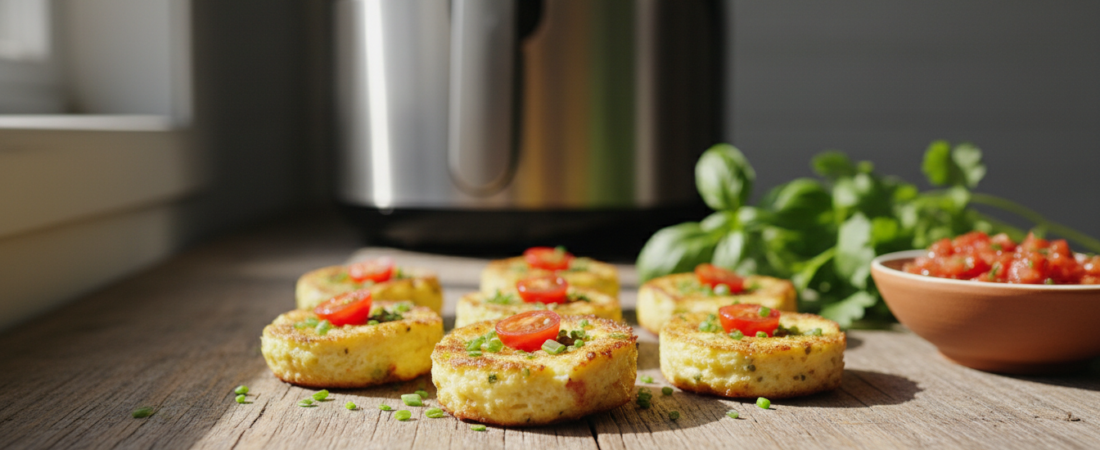
Surprising fact: you can make Starbucks copycat-style egg bites in about 15 minutes total — roughly 3 minutes of prep and 12 minutes of cook time.
These quick, protein-forward snacks work as a fast breakfast or a handy snack for busy mornings in the United States. This simple recipe uses a blender and silicone molds to create sous-vide-like centers thanks to cottage cheese, which keeps the texture moist and fluffy.
This post will show what “copycat-style” means, how the air method beats sous vide for ease, and what the finished rounds look and taste like. Expect tender centers, a coffee-shop flavor, and minimal cleanup since most of the work happens in the appliance.
We’ll cover ingredients (eggs + dairy + cheese + optional mix-ins), tools, step-by-step method, temperatures, storage, reheating, and troubleshooting so you can meal prep for the week and save precious morning minutes.
Key Takeaways
- Make copycat coffee-shop flavor at home in about 15 minutes.
- Cottage cheese yields a moist, fluffy center like sous-vide.
- The method is ideal for meal prep and quick weekday mornings.
- Simple ingredients and flexible mix-ins let you customize taste.
- Minimal cleanup: the appliance does most of the work.
Why You’ll Love These Copycat-Style Egg Bites
A simple blender and a few staples turn basic ingredients into a café-quality snack. These homemade rounds are often described as better than the coffee-shop original because they stay moister and use fewer additives.
Customize flavor with your favorite cheese and mix-ins to make every batch unique. The choice of cheese largely drives the overall taste, so swap cheddar, gruyère, or feta to vary richness and melt.
Healthy and Portable
These are high in protein and low in carbs, making them a smart, gluten-free option for many diets. One serving can provide about 6g protein per round, depending on ingredients.
Texture and Portion Control
Balancing egg with dairy keeps the centers tender rather than rubbery. That mix also helps when you prep a week of snacks—grab one for a light nibble or several for a full meal.
“Moist, fluffy, and customizable—home versions often beat the store-bought cups on texture and taste.”
Practical Uses
- Commuter breakfasts you can eat on the go
- Post-workout protein boosts
- Kid-friendly after-school snacks
| Feature | Homemade Copycat | Coffee-Shop Version |
|---|---|---|
| Moisture | Higher (cottage cheese or cream) | Varies, often drier |
| Ingredient control | Full control (cheese, salt, mix-ins) | Limited customization |
| Meal prep | Easy to batch and freeze | Single purchase only |
| Protein per piece | ~6g (varies) | ~5–7g (varies) |
Air Fryer Egg Bites Ingredients You’ll Need
Build a reliable base with a few pantry staples that guarantee consistent flavor in every round. Start with fresh eggs, a pinch of salt, and cracked pepper to make the foundation dependable and tasty every time.
Milk or cottage cheese for texture
Cottage cheese or heavy cream is the secret to tender, creamy centers. Blend the cottage cheese smooth or use a splash of cream—either option keeps results fluffy and moist like a café specialty.
Cheese choices
Pick a cheese to steer the flavor: feta for tang, cheddar for comfort, Monterey Jack for melt, or gruyère for a richer, coffee-shop-style upgrade.
Veggies and mix-ins
Use small diced spinach, onion, bell pepper, or mushrooms so vegetables add taste without making the cups wet. For protein, a little bacon, turkey bacon, ham, or sausage goes a long way.
“Small dice and modest amounts of add-ins prevent uneven cooking and keep texture perfect.”
Equipment and Prep Essentials for Success
A few smart choices in gear and technique will save time and keep the mixture consistent.
A Great Way to Get Started on the Right Foot!
14-Day Boiled Egg Diet Plan
Recipe Guide Printable Bundle
Healthy, easy meals laid out for you day-by-day. A simple two-week structure you can start immediately.
- 14 Daily Meal Ideas
- Printable PDF Guides
- Quick & Simple Recipes
- Instant Download
Instant Download! Start Right Away!
Best mold options
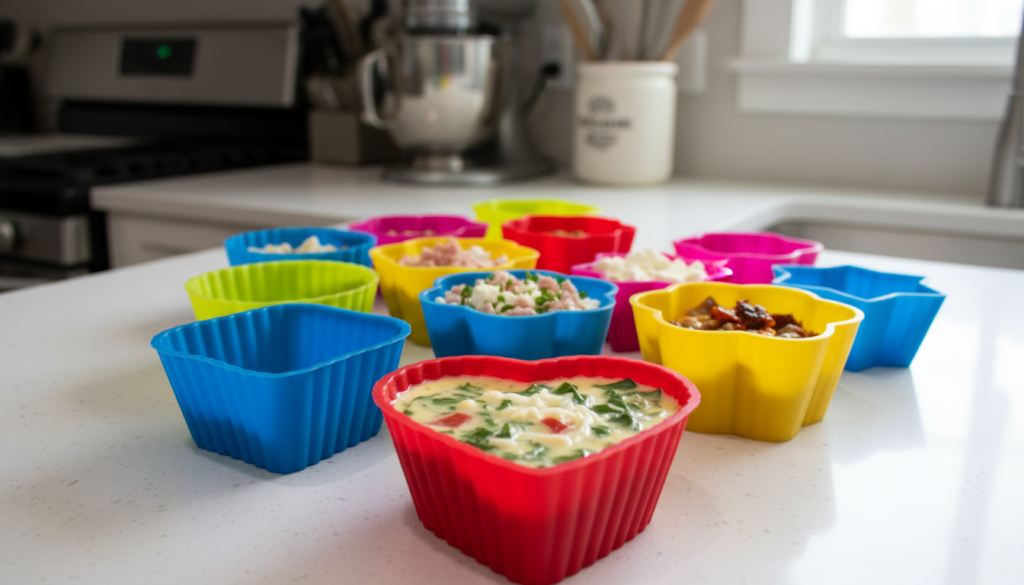
Silicone muffin cups or a dedicated egg bite mold are the easiest to use and clean. They flex for easy release and tolerate high heat without smoking or charring.
Note sizing: some baskets accept standard muffin cups, while compact units work better with smaller egg bite molds. Pick molds that fit your basket to avoid uneven cooking.
Blender vs whisk
Use a blender for about 20–30 seconds when you want a café-style, ultra-smooth texture. It purees cottage cheese and creates a silky mixture.
A whisk works fine for quick blending and when you prefer less equipment. Mix just until combined to avoid adding excess air.
Greasing and liners
Lightly oil silicone molds if your brand tends to stick. A thin spray of neutral oil or a wipe of avocado oil does the job without adding much fat.
Do not use paper muffin liners in the basket. They can scorch, collapse, or blow around during cooking and ruin the batch.
Quick checklist before you start
- Molds ready and correctly sized for your basket
- Mix-ins chopped and patted dry
- Blender or whisk on hand and measured ingredients nearby
- Light greasing option available if needed
“Match mold size to your basket and mix gently — that small prep step prevents most problems.”
| Tool | Why it helps | Tip |
|---|---|---|
| Silicone muffin cups | Easy release, simple clean-up | Fit standard baskets; flex to remove |
| Egg bite mold | Compact footprint, consistent sizing | Best for small baskets or basket-less units |
| Blender | Smooth, café-style texture | Blend 20–30 seconds; avoid over-beating |
| Whisk | Quick, low-tech mixing | Stop when combined to prevent air |
How to Make air fryer egg bites Step-by-Step
Start by organizing your tools and ingredients so each step flows without stress.
Preheat guidance: For short cook times, preheat air fryer for 3–5 minutes to ensure even heat. If your model runs hot or you’re using a large basket, you can skip preheating; add a couple of extra minutes to total cook time.
Blend or whisk the base
Combine eggs, cottage cheese, salt, and pepper in a blender for about 20–30 seconds for a silky texture. If you prefer less equipment, whisk until just smooth—avoid over-beating to prevent spongy centers.
Layer mix-ins then pour
Place chopped cheese, vegetables, and cooked protein in each mold first so every bite gets even distribution.
Fill larger cups about 3/4 full or mini molds roughly 1/2 full to allow rising. This simple fill line rule prevents spillover and uneven centers.
Cook, test, and rest
Air fry until tops are set and slightly puffed. Look for centers that no longer appear wet when tapped or checked with a fork. Typical time is shown in your appliance guide but expect roughly 10–12 minutes depending on size.
Important: Let the cups rest about 4–5 minutes after cooking. The carryover heat finishes the centers and keeps texture tender instead of rubbery.
“Resting the cups briefly yields creamier, more cafe-style results.”
Best Temperature and Timing (So They’re Not Dry or Rubbery)
Small changes in heat and minutes control texture. When you cook too hot, proteins tighten fast and squeeze out moisture. That leaves a dry, rubbery center rather than a creamy, custard-like one.
Low-and-slow: tender, Starbucks-style texture
For the softest result, try 290°F for about 12–15 minutes. This gentle method lets the mixture set slowly, producing moist, tender centers that mimic sous-vide texture.
Faster option: higher heat with close attention
If you need speed, preheat to 350°F for 5 minutes, then cook ~10–12 minutes. At 375°F plan ~10–15 minutes (shorter if preheated). Watch visual cues rather than the clock alone.
Practical doneness cues and rest time
Look for set tops, slight golden edges, and centers that are firm but not jiggly. Use these signs instead of relying only on minutes or time.
Note: Preheating shortens active cooking time because the appliance reaches steady heat faster. Models, basket size, and mold material change results, so treat times as ranges.
“Let the cups rest 4–5 minutes after cooking; residual heat finishes the center without overcooking.”
| Method | Temp | Typical Cook Minutes | Best For |
|---|---|---|---|
| Low-and-slow | 290°F | 12–15 minutes | Custardy, moist centers |
| Preheat then cook | 350°F (preheat 5 min) | 10–12 minutes | Balanced speed and texture |
| Quick, higher heat | 375°F | 10–15 minutes (preheat reduces time) | Firmer tops, quicker schedule |
| Final rest | Residual heat | 4–5 minutes | Prevents overcooking; finishes center |
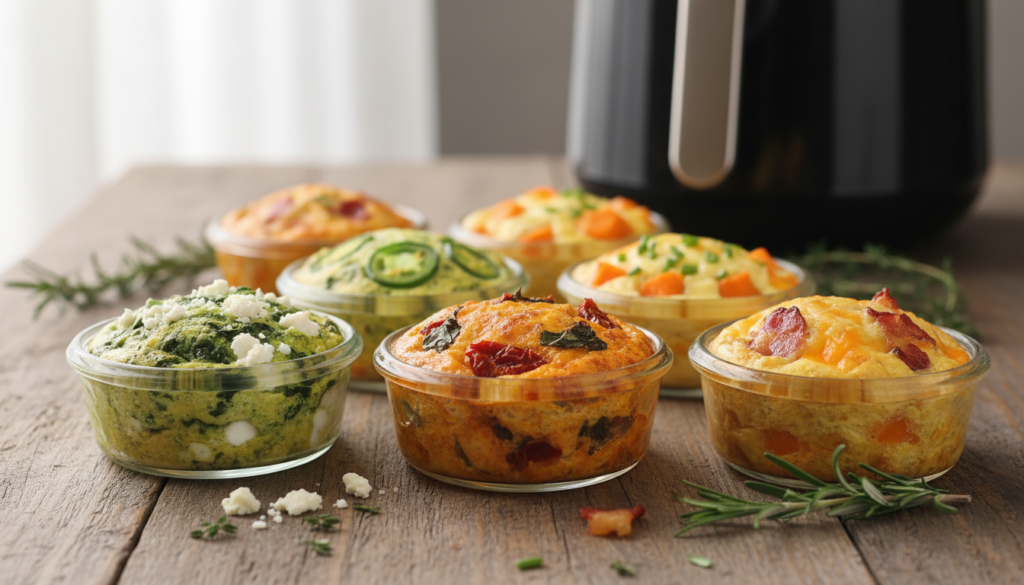
Flavor Variations to Keep Breakfast Interesting
Switching up mix-ins keeps weekday mornings fresh and stops menu fatigue. Think of these ideas as mix-and-match templates you can reuse each week.
A Great Way to Get Started on the Right Foot!
14-Day Boiled Egg Diet Plan
Recipe Guide Printable Bundle
Healthy, easy meals laid out for you day-by-day. A simple two-week structure you can start immediately.
- 14 Daily Meal Ideas
- Printable PDF Guides
- Quick & Simple Recipes
- Instant Download
Instant Download! Start Right Away!
Vegetable-forward
Use small diced zucchini, broccoli, or squash so pieces cook evenly. Pat them dry and keep chunks bite-sized to avoid excess moisture.
Adding a little cooked onion boosts flavor without sogginess and adds extra vitamin value from the greens.
Mexican-inspired
Stir in chili powder or taco seasoning and choose a melty cheese for a Tex‑Mex vibe. Add cooked bacon or black beans for heartiness.
Italian twist
Fold in chopped basil and Italian seasoning, then finish with a sprinkle of parmesan. This savory option pairs well with mild cheeses.
Classic combos and spicy picks
Try broccoli and ham with a milder cheese to balance salt. For heat, seed jalapeño or add red pepper flakes or hot sauce—control the kick by removing seeds.
“Small swaps and smart prep mean you can enjoy new flavors without extra work.”
Smart Substitutions and Dietary Options
Small ingredient changes let you tailor fat and protein to match health goals. Below are practical swaps that keep the texture creamy and the cups sturdy.
How to use egg whites (and how many you’ll need)
For an egg-white-only version, plan on about 10–12 large egg whites to replace a dozen whole eggs; sizes vary, so adjust slightly. Egg whites cook faster and can dry out, so reduce cook time by a minute or two and include a dairy moisture source.
Dairy swaps that preserve creaminess
Ricotta adds mild creaminess with lower perceived fat than heavy cream. Plain Greek yogurt brings tang and extra protein.
For richer cups, half-and-half or cream increases mouthfeel but adds fat. Keep at least one moist dairy in the mixture to avoid dry results.
Vegetarian options that still satisfy
Load the cups with extra sautéed vegetables, hearty mushrooms, or beans and add more cheese for structure and protein. Herbs, roasted peppers, and caramelized onion boost flavor without bulk.
“Test one or two swaps at a time so you can dial in the texture and taste you prefer.”
| Swap | What it changes | Tip |
|---|---|---|
| Whole eggs → egg whites | Lower fat, higher volume; cooks faster | Use 10–12 whites per 12 whole eggs; add yogurt or ricotta |
| Cottage cheese → ricotta | Milder creaminess, similar moisture | Blend briefly for smooth texture |
| Cottage cheese → Greek yogurt | More tang, extra protein, less fat | Strain if too thin; use full-fat for richness |
| Add more vegetables | Higher fiber, lower fat, more volume | Sauté and drain well to prevent sogginess |
Prevent Soggy Egg Bites with This One Simple Step
A quick sauté is the single trick that stops soggy results and brightens every batch. Moisture from raw vegetables is the #1 reason centers turn out wet instead of creamy.
Why sautéing vegetables matters
Cook vegetables first so they release and lose excess water before joining the egg bites mixture. This small step concentrates flavor and prevents steaming inside the molds.
Quick timeline you can follow:
- Sauté onion, bell pepper, and mushrooms about 5 minutes until liquid mostly evaporates.
- Add spinach and cook about 1 minute until wilted; it loses little moisture fast.
Mushrooms and peppers release a lot of water when raw. Removing that water means the final cooking sets faster and gives consistent, non-soggy centers. This takes only a few extra minutes and improves texture and flavor noticeably.
“A quick pan-sauté turns watery mix-ins into concentrated flavor—small step, big payoff.”
Meal Prep, Storage, and Freezing Tips
Plan a single weekend session to cook a large batch and solve weekday breakfasts in one go. That small bit of prep saves time and keeps mornings simple. Cool the cups completely before storing to prevent condensation and soggy texture.
Store in the fridge for the week
Once cooled, transfer rounds into an airtight container. Stack in a single layer or use parchment between layers to protect shape.
Keep the sealed container in the refrigerator up to five days. Label the container with the date and flavor so you can rotate meals and avoid boredom.
Freeze for longer storage
For longer holds, place cooled rounds into a freezer-safe bag or airtight container. Remove as much air as possible to help prevent freezer burn.
You can freeze them for up to two months. When packed, write the date and variety on the bag so you grab the oldest first.
Layering and portion tips
Parchment paper between pieces stops sticking and keeps rounds intact when you pull one out. This trick makes thawing and reheating easy.
- Meal prep plan: cook one batch, cool, portion, and label for grab-and-go mornings.
- Use a bites airtight container or bag for short-term storage and a freezer-safe option for long-term.
- Reheat until hot; discard if smell or color seems off.
“Cooling fully and storing in an airtight container keeps texture steady and makes reheating faster.”
How to Reheat Egg Bites for the Best Taste
A quick, careful reheat can restore that just-made creaminess in minutes. The method you pick changes texture, so choose speed for busy mornings or a crisp finish when you want a fresh-cooked feel.
Microwave method for a fast weekday breakfast
For the fastest option, heat a refrigerated portion about 20–30 seconds. Larger pieces may need close to one minute.
Heat in short bursts and test between intervals to avoid overcooking. A wet paper towel over the cup helps keep moisture and prevents rubbery results.
Air fryer reheat for crisp edges and fresh-cooked texture
For best texture, reheat at 350°F for about 5 minutes. This warms through and adds lightly crisp edges that mimic fresh cooking.
Check at the earlier-minute mark — models vary — and add time as needed. Serve right away for peak flavor and mouthfeel.
Oven option when reheating a larger batch
To reheat multiple rounds, use a conventional oven at 350°F for about 8 minutes. Place on a baking sheet and cover loosely if you want softer tops.
Oven heating is ideal for brunch or feeding guests because it handles quantity evenly.
From frozen: microwave about 60–90 seconds until warm, or increase oven/fryer time and check at intervals. Frozen portions need longer because they start colder.
“Reheating method changes texture—pick speed or crispness, and always serve immediately for best taste.”
| Method | Temp | Approx. Minutes | Best For |
|---|---|---|---|
| Microwave | — | 20–60 seconds | Fast weekday breakfast |
| Air fryer | 350°F | ~5 minutes | Crisp edges, fresh texture |
| Oven | 350°F | ~8 minutes | Large batches or brunch |
| From frozen (microwave) | — | 60–90 seconds | Quick thaw-and-serve |
Troubleshooting Texture: Spongy, Soggy, or Dry
When texture goes wrong, a quick diagnosis saves the whole batch. Use the short symptom → cause → fix guide below to spot problems without starting over.
Spongy centers
Symptom: airy, cake-like center after cooking.
Cause: over-whisking traps too much air in the egg mixture. That air expands and makes the cups spongy.
Fix: Gently blend until smooth, not frothy. Reduce high-speed blending time and pour mixture right away to avoid extra aeration.
Soggy results
Symptom: wet or unset middle even after the suggested time.
Causes: undercooking or using raw, watery vegetables (mushrooms, peppers).
Fix: Sauté mix-ins until dry, confirm centers set before removing, and allow a 4–5 minute rest so carryover heat finishes the center.
Dry, overcooked cups
Symptom: crumbly, firm texture with little moisture.
Causes: too many chunky add-ins or too much heat and cooking minutes.
Fix: Rebalance ratios—add cottage cheese, Greek yogurt, or cream to the egg mixture and lower temperature for a gentler cook. Log the exact minutes and settings when you find the sweet spot for consistent meal prep.
“A short rest and a small tweak often turn a problem batch into a keeper.”
Serving Ideas for Breakfast, Brunch, and Snacks
Serve these savory rounds alongside simple sides to turn a small snack into a satisfying morning plate.
A Great Way to Get Started on the Right Foot!
14-Day Boiled Egg Diet Plan
Recipe Guide Printable Bundle
Healthy, easy meals laid out for you day-by-day. A simple two-week structure you can start immediately.
- 14 Daily Meal Ideas
- Printable PDF Guides
- Quick & Simple Recipes
- Instant Download
Instant Download! Start Right Away!
Classic breakfast plate: Arrange three to four pieces with crispy bacon and golden breakfast potatoes for a hearty meal. The salty crunch of bacon pairs well with creamy centers and adds extra protein for a busy morning.
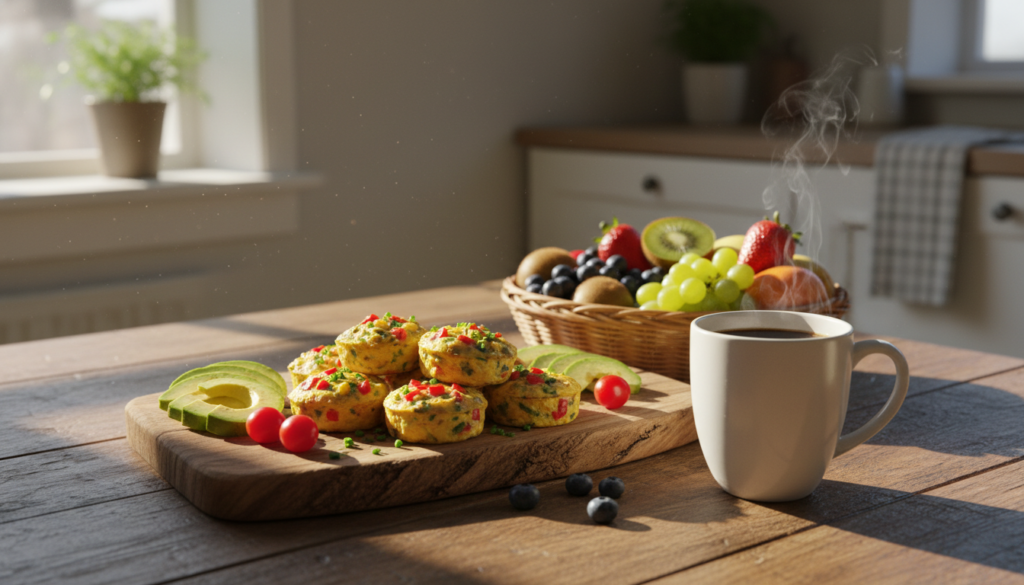
Lighter, balanced option: For a lower-calorie meal, serve two rounds with fresh fruit, sliced avocado, and a small green salad. This keeps the plate high in protein while adding fiber and vitamins.
Brunch and entertaining
Lay out a platter of different flavors so guests can sample. Offer small bowls of salsa, marinara, or a spicy yogurt dip to match regional tastes.
Portion guidance & snacks
As a snack, one or two rounds usually satisfy. For a full breakfast, plan three to four per person depending on appetite and accompanying sides.
“Serving warm improves texture and taste — a quick reheat brings back that just-made creaminess.”
| Serving Style | Suggested Pairings | Portion |
|---|---|---|
| Hearty breakfast | Bacon, breakfast potatoes, toast | 3–4 per person |
| Light morning | Fresh fruit, avocado, small salad | 2 per person |
| Brunch platter | Varied flavors, dips (salsa, marinara) | 3–6 pieces for sharing |
| Snack / appetizer | Toothpicks, dipping sauces, small sides | 1–2 per person |
Matching flavors helps the overall taste: pair Mexican-style rounds with salsa, and Italian-style cups with marinara for the best results.
Conclusion
Simple ingredients, simple wins. With basic eggs, dairy, cheese, and familiar seasonings like salt and pepper, these easy egg bites deliver café-style texture with minimal fuss.
Key takeaways: use flexible mix-ins, warm silicone cups for easy release, don’t over-blend, and avoid overcooking to keep centers tender. Choose low-and-slow heat for the creamiest results or a higher setting if you watch time closely.
Sauté onion or peppers before adding them to prevent soggy cups. Store in an airtight container up to five days or freeze for two months, then reheat quickly for a fast breakfast.
Make a batch, try one variation, and keep notes on timing for your specific air fryer — then repeat with confidence.