

Did you know that drinking water first thing can improve circulation and sharpen thinking by mid-morning? That simple step helps students avoid early fog and keeps focus steady through class.
The morning sets the tone for the whole day. A quick, colorful meal of fruits, whole grains, nuts, and seeds supports mental clarity and steady energy. Neurologist Dr. Randall Wright calls this an easy way to “eat a rainbow” to support lasting cognition.
Real gains come from simple habits: hydrate, add protein and healthy fats, and pick colorful produce. These choices cut cravings, help memory, and reduce mid-morning crashes without complicated recipes.
This guide offers practical options you can grab on rushed school mornings or use during exam week. Expect realistic tips on what to eat, what to skip, and how to build a quick grab-and-go meal that boosts performance and long-term brain health.
Key Takeaways
- Start with water to improve circulation and alertness.
- Choose colorful produce plus protein and healthy fats.
- Quick, portable options keep energy steady through the morning.
- Avoid sugary, empty meals that cause crashes.
- Simple habits support short-term focus and long-term brain health.
What Makes a Breakfast “Brain Food” for a Busy School Day
A simple morning routine tweak can keep you sharp through late-morning classes. Start with one clear goal: hydrate, balance, and add color to your plate.
Start with hydration
Drink water soon after waking. Mild dehydration cuts blood flow and makes thinking feel slow.
Tips: use a refillable bottle, drink before coffee, or add a lime slice to keep it appealing.
“A big glass of water first thing helps prevent early fog and supports circulation.”
Build a steady-energy plate
Use a simple three-part formula: protein + healthy fats + whole grains. This mix keeps energy steady and wards off hunger until lunch.
Mediterranean-style choices like olive oil, nuts, avocado, fish, legumes, and whole grains match what many neurologists recommend for brain health.
Eat the rainbow
Colorful fruits and veggies bring antioxidants and key nutrients that support memory and function.
Easy picks: berries, citrus, spinach, and peppers. Rotate them across the week to keep meals fresh.
Skip the sugar spike
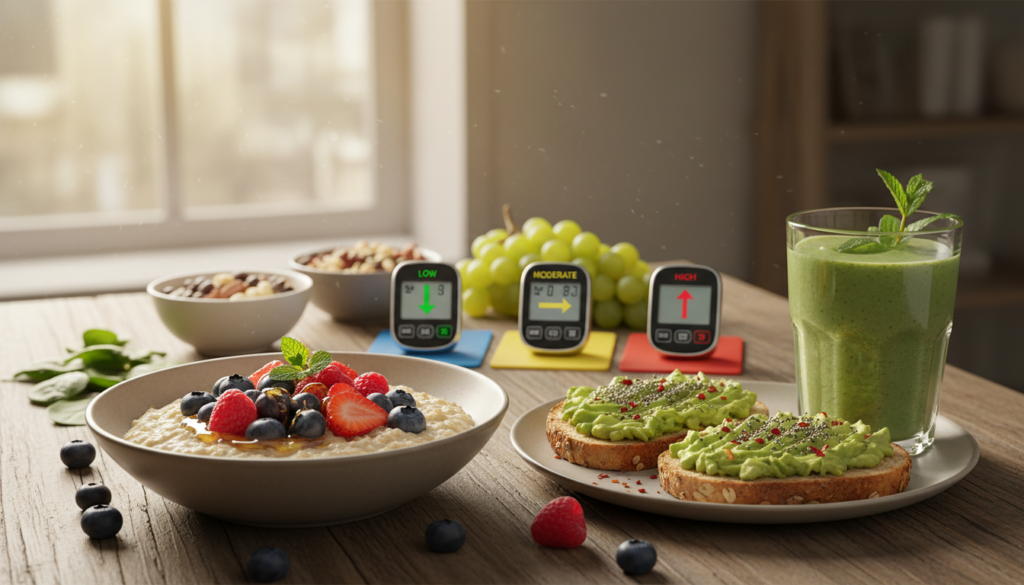
Fast sugar gives quick energy → crash → cravings. Check labels: added sugar hides in many packaged items.
Front-load your fuel
Eat earlier so your best-quality fuel supports classes, tests, and practice. Most people do better with a balanced meal than with nothing or a pastry.
A Great Way to Get Started on the Right Foot!
14-Day Boiled Egg Diet Plan
Recipe Guide Printable Bundle
Healthy, easy meals laid out for you day-by-day. A simple two-week structure you can start immediately.
- 14 Daily Meal Ideas
- Printable PDF Guides
- Quick & Simple Recipes
- Instant Download
Instant Download! Start Right Away!
| Step | What to do | Why it helps |
|---|---|---|
| Hydrate | Drink 6–8 oz water on waking | Supports blood flow and alertness |
| Balance | Protein + fats + whole grains | Steady energy and better memory |
| Color | Add berries or spinach | Provides antioxidants and nutrients |
Brain food breakfast for students: easy, delicious options to try
Start your morning with a simple plate that fuels attention and keeps energy steady. Below are quick recipes that mix protein, healthy fats, and colorful berries to help memory and function.
A Great Way to Get Started on the Right Foot!
14-Day Boiled Egg Diet Plan
Recipe Guide Printable Bundle
Healthy, easy meals laid out for you day-by-day. A simple two-week structure you can start immediately.
- 14 Daily Meal Ideas
- Printable PDF Guides
- Quick & Simple Recipes
- Instant Download
Instant Download! Start Right Away!
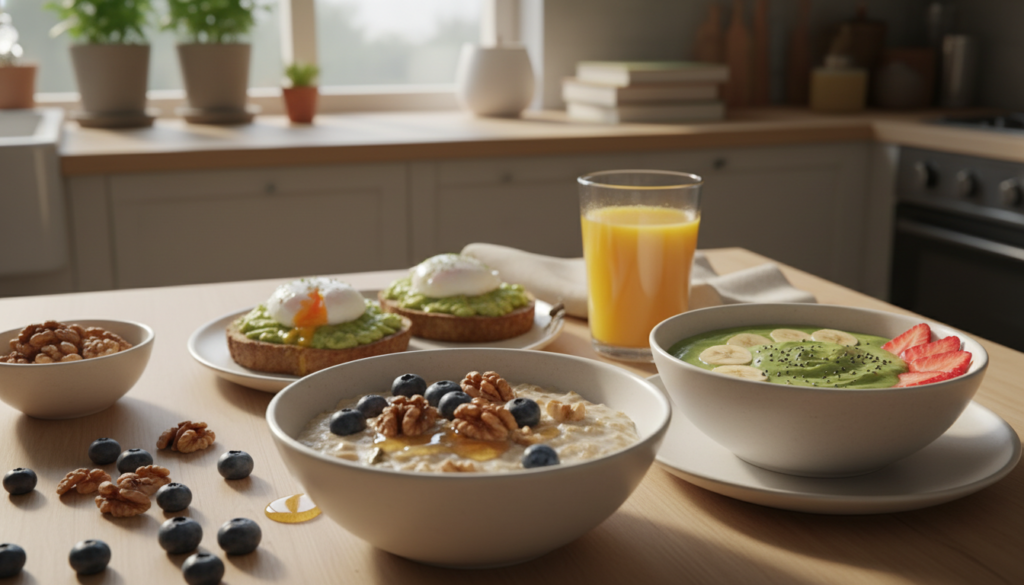
Oatmeal with berries and walnuts
Why it works: Rolled oats add fiber and slow-release energy; berries supply antioxidants and walnuts add healthy fats.
Make it student-easy: Stir oats with milk or water, top with berries and chopped walnuts. Or prep overnight oats the night before.
Plain Greek yogurt with mixed fruit and toasted nuts
Why it works: Greek yogurt gives protein and nuts supply healthy fats linked to better attention in research summaries.
Make it student-easy: Pick unsweetened yogurt, add mixed fruit and a handful of toasted almonds or walnuts to sweeten naturally.
| Option | Key benefit | Student-easy step |
|---|---|---|
| Cottage cheese + peaches | High protein, lower sugar | Top cottage cheese with sliced peaches and seeds |
| Egg & avocado toast | Healthy fats and nutrients | Use whole-grain bread; make a sandwich or wrap for grab-and-go |
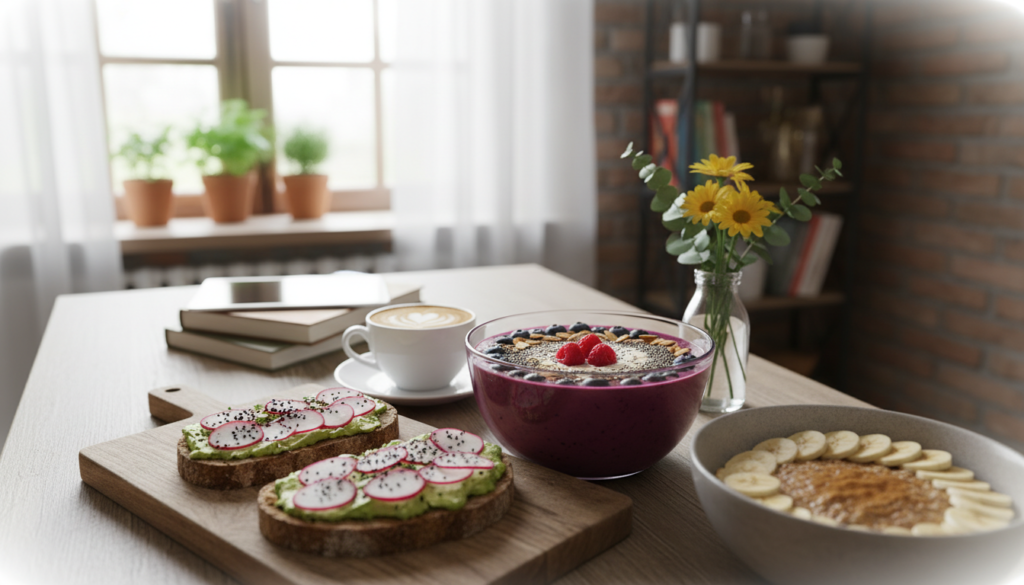
| Berry & greens smoothie | Portable antioxidants + fats | Blend berries, spinach, milk, and a spoon of nuts |
Common breakfast traps to avoid and student-friendly swaps
Sugary pastries and frosted cereals promise a quick lift but often leave energy flat before mid-morning.
What neurologists avoid:
What experts tend to skip
Neurologists warn against pastries, donuts, frosted cereals, and processed breakfast meats like bacon and sausage. These items can trigger a spike-and-crash cycle that harms memory and attention.
Spot hidden added sugar
Scan labels quickly: check the sugar line, compare brands, and watch flavored yogurt and granola. Low-fat often means higher sugar to add taste.
A Great Way to Get Started on the Right Foot!
14-Day Boiled Egg Diet Plan
Recipe Guide Printable Bundle
Healthy, easy meals laid out for you day-by-day. A simple two-week structure you can start immediately.
- 14 Daily Meal Ideas
- Printable PDF Guides
- Quick & Simple Recipes
- Instant Download
Instant Download! Start Right Away!
Coffee basics
Keep coffee moderate. Skip syrupy add-ins and whipped toppings. Pair coffee with water and a protein-rich option so blood sugar and focus stay steady.
- Easy swaps: whole-grain cereal + berries, plain yogurt with fruit, egg-based options, or a prepared protein box.
- Favor lean proteins and plant-forward choices over processed meats to support long-term brain health.
“Added sugars are snuck into many foods; read labels.”
| Trap | Why it backfires | Swap |
|---|---|---|
| Frosted cereal | Sugar spike → crash | Whole grains + berries |
| Flavored yogurt | Hidden added sugar | Plain yogurt + fresh fruit |
| Drive-thru meat sandwich | High fat, processed meat | Egg sandwich or protein box |
Conclusion
Small morning choices often have big effects on attention and test-day performance. Start with a glass of water, then pick a balanced plate: protein + healthy fats + whole grains. Add color from fruit or greens when you can.
The clear benefits are steadier energy, fewer mid-morning cravings, and better memory when you study or take exams. Pick one easy option from the list and repeat it for a week, then rotate.
Challenge: prep one grab-and-go item at night (overnight oats, a protein box, or boiled eggs) so busy mornings don’t default to sugary choices. Remember, this is one part of long-term health. Small, regular steps add up across the school year.