
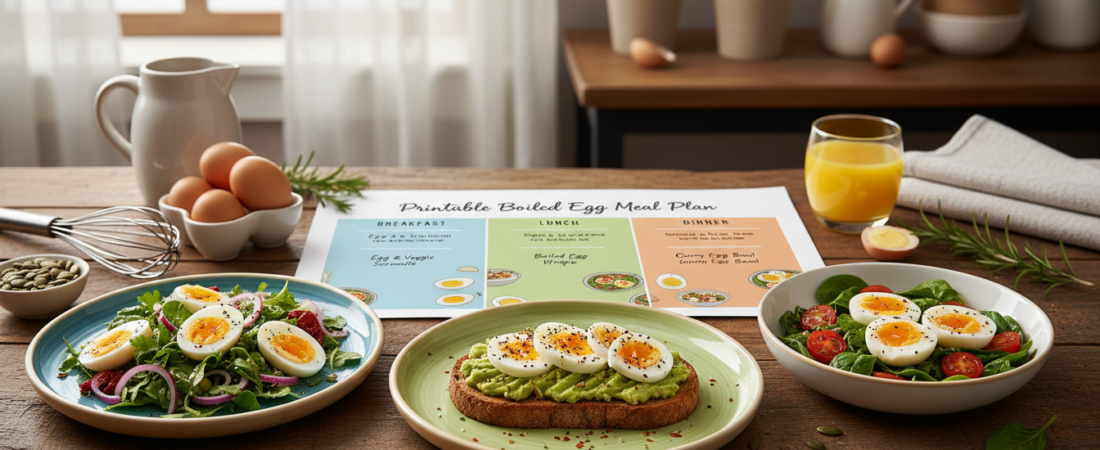
Surprising fact: studies show many short-term high-protein approaches can cut daily hunger by up to 30% in two weeks, which is why the 14-day egg diet attracts so much attention.
This guide gives you a simple, repeatable system. You’ll get a one-page daily grid, a grocery list, and a meal-prep checklist that fits on the fridge. The approach mirrors common 14-day patterns: three structured meals, limited snacks, eggs plus lean protein and low-carb vegetables.
The promise is plain: easy, small-cook recipes that help control calories without fuss. The plan is short-term and structured, not a forever lifestyle. It relies on batch-cooked eggs, repeatable lunches, and mix-and-match dinners to cut decision fatigue.
Quick safety note: restrictive diets aren’t for everyone. Read the “who should skip it” section later and remember results depend on a calorie deficit and consistent habits—not a magic egg.
Key Takeaways
- This downloadable grid + grocery list simplifies daily choices.
- The approach follows typical 14-day egg diet patterns: three meals, limited snacks.
- Meals focus on eggs, lean protein, and low-carb vegetables.
- Designed for short-term use and easy repetition, not permanent living.
- Safety first: consult guidance if you have health concerns.
- Results come from consistent calorie control, not a single food.
What a Boiled Egg Meal Plan Is and Why It’s Trending for Weight Loss
A simple, repeatable approach uses eggs as a steady protein anchor across meals. This pattern focuses on high protein and fewer carbs so people find it easier to stick with portions and reduce total calories.
How a high-protein, low-carb approach supports satiety and calorie control
Protein keeps you full. It slows hunger and helps you eat fewer calories without constant snacking. The Thermic Effect of Food (TEF) means your body burns more energy digesting protein than carbs or fat, which slightly boosts daily metabolism.
What “rapid weight loss” usually means in the first days
Early, rapid loss is often water from glycogen depletion, not pure fat loss. True fat loss needs a sustained calorie deficit over days and weeks.
| Benefit | Why it helps | What to watch |
|---|---|---|
| Satiety | High protein reduces hunger | Portions still control calories |
| Energy use | Higher TEF for protein boosts metabolism | Effects are modest |
| Quick scale changes | Glycogen and water loss in first days | Not all early loss is fat |
People may notice energy and hunger shifts fast, but results vary by starting weight and routine. Not every body or medical history is a fit for restrictive approaches, which the next section covers.
Who This Plan Is For and Who Should Skip It
A focused reset can suit people who need structure and quick wins without complex recipes. This approach often attracts adults who want a one- to two-week, low-decision reset to support weight goals. It simplifies choices and leans on higher protein to help control hunger.
When it can make sense: short, structured use for adults aiming to kickstart better habits, reduce snacks, and hold a calorie deficit with simple meals.
Who should skip it: anyone with chronic kidney disease (especially CKD stages 3–5) because higher protein loads can stress kidney function. Pregnant or breastfeeding people should avoid restrictive dieting since energy and nutrient needs are higher. Those with a history of eating disorders should not use rigid rules that may trigger unhealthy behaviors.
A Great Way to Get Started on the Right Foot!
14-Day Boiled Egg Diet Plan
Recipe Guide Printable Bundle
Healthy, easy meals laid out for you day-by-day. A simple two-week structure you can start immediately.
- 14 Daily Meal Ideas
- Printable PDF Guides
- Quick & Simple Recipes
- Instant Download
Instant Download! Start Right Away!
Medication and cholesterol notes
Talk with your clinician if you take diabetes medications—rapid changes in intake can alter blood glucose and dosing needs. If you use anticoagulants, aim for consistent vitamin K from greens and avoid sudden shifts.
| Situation | Why it matters | Action |
|---|---|---|
| Chronic kidney disease (CKD 3–5) | Higher protein and mineral load can harm kidneys | Avoid; seek nephrology guidance |
| Pregnancy & lactation | Needs higher calories and nutrient variety | Do not use; follow prenatal nutrition advice |
| Eating disorder history | Rigid rules can trigger relapse | Avoid; work with mental health and diet professionals |
| Genetic hypercholesterolemia | Some people show larger LDL rises to dietary cholesterol | Monitor blood lipids with your clinician |
| Diabetes or anticoagulant meds | Changes can affect glucose control or clotting | Consult prescriber before starting |
Bottom line: this short approach can help many adults regain control, but it is not one-size-fits-all. Use the grid as a template and customize with a registered dietitian or clinician when you have medical concerns.
Printable boiled egg meal plan: How to Download, Print, and Use It
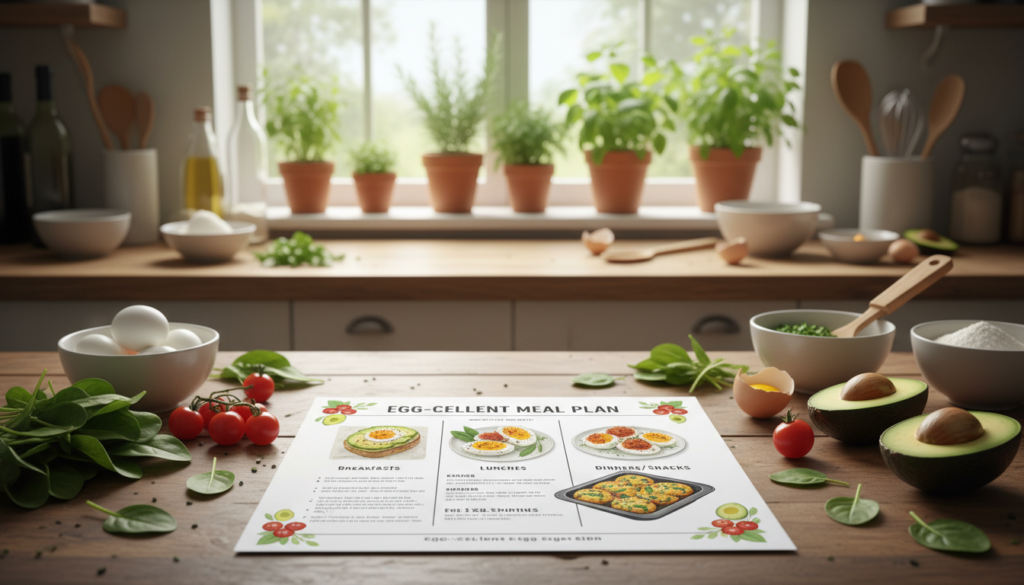
Start by downloading the one-page grid, grocery list, and prep checklist from the resources area on this page. The files are PDF ready: a 7-day menu you can repeat and a 14-day template for a focused reset.
A Great Way to Get Started on the Right Foot!
14-Day Boiled Egg Diet Plan
Recipe Guide Printable Bundle
Healthy, easy meals laid out for you day-by-day. A simple two-week structure you can start immediately.
- 14 Daily Meal Ideas
- Printable PDF Guides
- Quick & Simple Recipes
- Instant Download
Instant Download! Start Right Away!
Picking your schedule
Choose a focused 14-day reset if you want structure and measurable results. Pick a flexible one-week cycle if you prefer to repeat or rotate menus across weeks.
How to fill each meal slot
Start each slot with an egg or two, then add a lean protein or a low-carb vegetable, and include a small low-sugar fruit only when the day allows.
- Swaps: chicken for fish, spinach for arugula, berries for orange.
- Keep two default lunches to cut decisions.
Where a pre-meal protein preload fits
A single hard-boiled egg about 30 minutes before lunch or dinner can raise satiety and help reduce portions at the main meal. Time it so total daily calories stay within your target.
Track more than the scale
Use waist and hip measurements, daily hunger and energy ratings, and notes on sleep to get a fuller picture than weight alone. Early low-carb phases often change water balance, so measurement trends matter more than single weigh-ins.
| Resource | What’s Included | How to Use |
|---|---|---|
| One-page grid | 7- and 14-day templates | Print, hang on fridge, repeat weekly |
| Grocery list | Protein, greens, low-sugar fruits, staples | Shop once for the week to save time |
| Prep checklist | Batch eggs, wash greens, portion proteins | Prep on one day to reduce decision fatigue |
Practical tips: keep hard-boiled eggs visible, pre-wash greens, and watch add-ons like oils and nuts that increase calories without filling you up.
Core Guidelines for a Boiled Egg Diet Meal Plan
Use a clear daily rhythm to prevent decision fatigue and support steady progress. A reliable structure makes eating simpler and helps people stick with a short-term diet.
Typical structure: three meals per day and snack approach
Default: three meals a day built around eggs and low-carb produce, with a palm-sized lean protein at lunch and dinner as needed.
Strict versions skip snacks for 14 days. Some variations allow one small, planned protein-forward mini-meal for those who need it.
Why hard-boiled eggs are often emphasized
Hard-cooked eggs show up because they are easy to batch-cook, portable, and already portioned. They avoid added cooking fat and reduce prep time.
Keeping portions realistic so weight loss comes from a true deficit
Weight loss requires a calorie deficit; portion control still matters even with healthy foods. Too much oil, cheese, or oversized proteins can wipe out progress.
Use simple cues: a palm-sized lean protein, half the plate non-starchy vegetables, and a measured spoon of dressing or oil.
| Focus | Practical cue | Why it matters |
|---|---|---|
| Breakfast | 2 eggs + greens | High protein start reduces mid-day hunger |
| Lunch/Dinner | Palm-sized protein + veg | Keeps calories controlled and meals balanced |
| Snack | Optional protein snack (if needed) | Prevents overeating later without adding many calories |
Consistency beats extremes: steady eating across the day works better than skipping and rebounding later. The next sections list foods and prep tricks that make adherence easier than guessing.
Foods to Eat on Your Boiled Eggs Meal Plan
Pick reliable, low-carb choices that pair well with eggs and stretch across meals. These foods make it easy to meet protein targets while keeping variety high and prep simple.
Eggs and complete protein basics
Eggs are a complete protein: they supply all essential amino acids plus choline and vitamin D. A couple per serving gives predictable protein and key nutrients that support muscle and brain health.
Lean proteins to rotate in
Rotate chicken, turkey, and fish (tuna, cod, salmon) so you don’t rely on one food. This keeps meals satisfying and brings different textures and micronutrients.
Low-carb vegetables and leafy greens
Stock spinach, arugula, broccoli, and zucchini for volume and fiber. Add peppers, mushrooms, kale, or cherry tomato for flavor without many carbs.
Low-sugar fruits that fit
Choose berries and grapefruit as top options. Portion oranges or apples mindfully—half an apple or a small orange pairs well with protein.
Healthy fats and flavor boosters
Use measured olive oil, a slice of avocado, vinegar, lemon, herbs, and spices. A small amount of fat improves satiety and taste without derailing calories.
| Category | Yes List (copyable) | Quick use idea |
|---|---|---|
| Proteins | Eggs, chicken breast, turkey breast, tuna, salmon | Grill chicken; flake fish onto salads |
| Vegetables & greens | Spinach, arugula, broccoli, zucchini, peppers, mushrooms | Sauté zucchini; steam broccoli; raw greens for salad |
| Fruits | Berries, grapefruit, orange (small), apple (small) | Top yogurt with berries or add grapefruit segments |
| Flavor boosters | Olive oil (measured), lemon, vinegar, herbs, spices, avocado | Dress salad with lemon + olive oil; use herbs liberally |
Easy salad combos: greens + a palm-sized protein + lemon or vinegar dressing. Keep variety in proteins and vegetables to cover nutrients and avoid monotony.
Foods to Limit or Avoid for Better Results
Some common pantry staples can quietly add carbs and calories that slow progress. This section explains practical swaps so your short reset stays on track without moralizing choices.

A Great Way to Get Started on the Right Foot!
14-Day Boiled Egg Diet Plan
Recipe Guide Printable Bundle
Healthy, easy meals laid out for you day-by-day. A simple two-week structure you can start immediately.
- 14 Daily Meal Ideas
- Printable PDF Guides
- Quick & Simple Recipes
- Instant Download
Instant Download! Start Right Away!
Refined grains and added sugars
Why they matter: white bread, pasta, pastries, and sweet drinks spike calories fast and can undermine a low-carb approach.
Common U.S. examples: store-bought rolls, boxed cereals, soda, and sweetened coffee drinks.
Processed meats and ultra-processed foods
Skip high-sodium, high-calorie items like sausage, hot dogs, bacon, chips, and frozen pizza when possible.
They add calories and often lack the nutrients that support sustainable weight loss and healthy eating habits.
Starchy vegetables and high-carb fruits
Limit potatoes, corn, and peas on stricter days since they raise carbs quickly.
Higher-sugar fruits such as bananas, mangoes, and grapes can also add unexpected carbs; choose berries or grapefruit as lower-sugar swaps.
Alcohol and sweetened drinks
Alcohol and sugary beverages are easy ways to consume extra calories and reduce dietary adherence.
Go with water first, then unsweetened tea or black coffee as calorie-free drink options.
| Category | Examples to limit | Better choices |
|---|---|---|
| Refined carbs | White bread, pasta, pastries | Whole grains in moderation / more vegetables |
| Ultra-processed | Chips, frozen pizza, snack cakes | Whole-food snacks, nuts (measured) |
| High-carb produce | Potatoes, corn, bananas | Berries, leafy vegetables, grapefruit |
Quick clinical note: if you take blood sugar medications, discuss major diet shifts with your clinician before changing intake. That keeps dosing safe and effective.
Meal Prep the Easy Way: Boiled Eggs, Proteins, and Veggie Shortcuts
Prep once, eat simply: a short batch-cook routine makes healthy eating predictable. Set aside one hour on Sunday to cut weekday work and decision fatigue.
Sunday routine: cook a batch of boiled eggs, roast one tray of chicken, and wash or roast two large containers of vegetables like broccoli and zucchini. Portion everything so it fits the printable boxes for quick grab-and-go service.
Avoid overcooking and store safely
Time your boil: 9–10 minutes for a firm yolk, then plunge eggs into an ice bath for 5 minutes. Store peeled or unpeeled in a sealed container in the fridge for up to a week.
Fast lean proteins and simple fish ideas
Sheet-pan chicken: season with olive oil, herbs, salt, and pepper, roast once, and portion. For fish, bake salmon or cod with lemon and pepper for 12–15 minutes.
Fiber support without extra carbs
“Fiber matters.” Low fiber can cause discomfort on egg-forward approaches. Add spinach, broccoli, and zucchini to lunches and dinners, plus measured berries when desired.
| Task | Time | Why |
|---|---|---|
| Boil eggs | 15–20 min | Quick protein for breakfasts and salads |
| Roast chicken | 25–35 min | Easy portions for week |
| Prep veggies | 10–20 min | Volume and fiber to support digestion |
Sample Meal Plan Layouts You Can Print and Follow
A simple week template helps cut decision fatigue and repeat a two-week reset with ease. Use the grid to keep breakfasts and core dinners consistent while swapping proteins and vegetables for variety.
A repeatable weekly template
How to use it: follow the seven-day layout, then repeat it for a 14-day cycle. Keep breakfasts egg-forward, lunches protein + veg, and dinners as a salad or cooked vegetables with lean protein.
Three-day sample (easy to copy)
Day 1: Eggs with spinach; grilled chicken plus mixed greens for lunch; lemon-pepper fish with zucchini for dinner.
Day 2: Egg salad over arugula; turkey or chicken breast with steamed broccoli; large green salad with salmon flakes.
Day 3: Two eggs and tomatoes; grilled chicken salad with avocado; pan-seared fish and sautéed peppers.
- Optional: a small serving of low-fat yogurt or a measured portion of berries on less-strict days.
- Calorie note: keep portions consistent and measure added fats to hold daily calories steady.
| Template Item | Typical Choice | Why it works |
|---|---|---|
| Breakfast | Eggs + greens | High protein start to reduce hunger |
| Lunch | Palm-sized chicken/turkey + veg | Balanced protein and fiber for satiety |
| Dinner | Salad or cooked veg + fish | Light evening meal with nutrients |
| Snack option | Yogurt or small fruit serving | Optional energy boost without many calories |
Mix-and-match mini chart: choose 1 protein + 2 vegetables + 1 fruit serving, then season with lemon or vinegar. This makes swaps fast and keeps variety while following the rules you picked.
Reminder: the grid is a template, not medical advice. Personalize within safe boundaries and consult a clinician for medical concerns.
Nutrition Highlights: Protein, Choline, Vitamins, and What You Might Miss
Good nutrition on a short reset means more than calories — it’s about the mix of protein, key vitamins, and fiber.

A Great Way to Get Started on the Right Foot!
14-Day Boiled Egg Diet Plan
Recipe Guide Printable Bundle
Healthy, easy meals laid out for you day-by-day. A simple two-week structure you can start immediately.
- 14 Daily Meal Ideas
- Printable PDF Guides
- Quick & Simple Recipes
- Instant Download
Instant Download! Start Right Away!
Why protein helps beyond fullness
Protein raises satiety and has a higher Thermic Effect of Food, meaning digestion burns more energy and can nudge daily metabolism upward.
Key nutrients in eggs and how they matter
Eggs supply complete amino acids that support muscle and recovery. They also provide choline and vitamin D — choline links to memory and mood, and vitamin D supports bone and immune health.
Common gaps and simple fixes
Very low-carb approaches can miss fiber and other micronutrients. Low fiber may slow digestion or cause constipation.
Rotate greens, add colorful vegetables, and include measured berries or legumes on less-strict days to widen nutrient coverage. Stay attentive to digestion and tweak with more vegetables, hydration, and approved fiber-forward choices.
Reminder: short restrictive programs can work for weight goals, but long-term health needs variety. Next, we cover hydration and electrolytes to help you feel your best on low-carb days.
Hydration and Electrolytes During a Low-Carb, High-Protein Egg Plan
Glycogen loss causes the body to shed water quickly, so your fluid needs often rise early in a low-carb reset. Expect to sip more than usual and watch for subtle signs that hydration is lagging.
Why water needs increase
Glycogen stored in muscle and liver binds water. When carbohydrate intake drops, glycogen falls and that water leaves the body.
This shift explains why many people feel “dryer” and why daily water targets should increase during the first days of a diet that leans on higher protein.
Recognizing induction flu
Induction flu can include headaches, fatigue, dizziness, or lightheadedness. These symptoms often result from fluid and electrolyte changes—not failure.
If you feel unwell, pause and check hydration first. Feeling worse is a signal to adjust, slow down, or stop the approach rather than push on.
Practical hydration and electrolyte steps
- Use a reference: aim for about 35 ml per kg body weight daily as a starting point, but personalize this with your clinician.
- Drink consistently through the day; hydrating earlier often helps energy and focus.
- Don’t eliminate salt entirely; small amounts of sodium and potassium from vegetables help balance electrolytes.
- Prioritize non-starchy vegetables and plain fluids; dehydration can mimic hunger and affect weight loss progress.
- Talk to your clinician about electrolytes if you have blood pressure, kidney issues, or take medications that affect fluid balance.
Final note: short resets can work, but safety and overall health matter most. How you reintroduce foods after the reset matters as much as the days you follow it.
After the Plan: Transitioning Back to a Balanced Week Without Yo-Yo Weight Gain
Transitioning off a short reset should protect progress while reintroducing variety. Keep the habits that worked: protein-forward breakfasts, more vegetables, and fewer sugary drinks. These stay as anchors while you add back carbs slowly.
Why reintroducing complex carbs matters
Add one serving per day and watch hunger and energy for two to three days. Choose whole grains, starchy vegetables, or legumes in sensible portions to refill glycogen without overeating.
Keeping weight loss sustainable with whole foods and fiber
Focus on whole foods and higher fiber to stay full and support digestion. Include oats, quinoa, beans, fruits, and more vegetables across the week.
Activity guidance to preserve lean muscle
Prioritize resistance training about 3x per week to protect muscle and metabolic rate. Keep protein steady each day and view cardio as support, not the main tool for muscle preservation.
Expect a small, quick rise on the scale as water returns with glycogen — that is not fat. Aim for slow progress or maintenance and use one to two structured reset days per week if helpful for consistency.
Conclusion
This short, structured reset gives you a simple framework to cut decisions and focus on protein-forward days.
Core takeaway: a printable boiled egg meal plan makes eating simpler by centering breakfasts and lunches on high protein and easy swaps of lean proteins, greens, and low-sugar fruits.
Expect early scale shifts to reflect water and glycogen, not only pounds of fat. Keep portions and total calories steady and track trends rather than single weigh-ins.
Use the approach as a brief reset, not a permanent diet. Rotate proteins and vegetables, include yogurt or a small salad when your chosen version allows, and transition back to a balanced week to protect long-term health.
Health first: if you have cholesterol, kidney concerns, are pregnant, or have an eating disorder history, seek medical guidance before starting.
Next step: download the grid, prep boiled eggs, pick two lean proteins, and stock vegetables, greens, and low-sugar fruit. Track energy, hunger, and measurements so good habits last beyond the two weeks.