
Surprising fact: many people who tried very low‑calorie programs lost most of the first few pounds in the first week, often because water and carb stores shrank — not true long‑term fat loss.
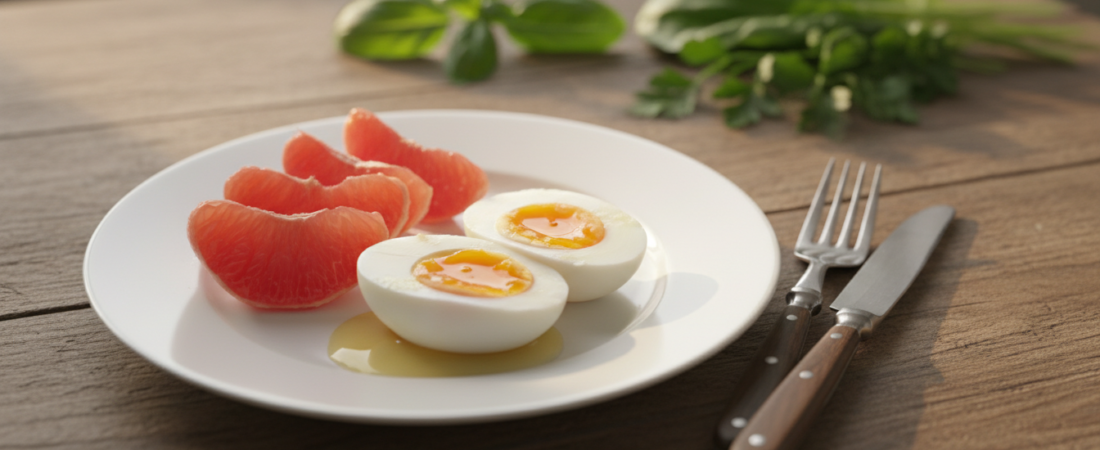
This short, restrictive plan centered on eggs, lean protein, and citrus at each meal was once nicknamed a Hollywood shortcut. It promised quick results by pairing high protein with very low calories.
What to expect: simple rules, few food choices, and repetitive meals that made the plan easy to follow but risky for vitamins and steady energy.
This guide stayed informational, not promotional. It outlined typical meals, why people tried it for weight loss, and why many experts labeled it a fad. You would get step‑by‑step instructions, sample menus, safety notes about medication interactions, and realistic outcomes.
My aim was to help readers make a clear decision, not chase rapid scale drops that rarely matched long‑term fat loss. The piece offered practical tips on when to stop and when to consult a clinician.
Key Takeaways
- The plan was short‑term and restrictive; early losses often weren’t fat.
- Its simple rules made adherence easy but raised nutrition risks.
- Expect repetitive meals focused on protein and citrus.
- Watch for grapefruit–medication interactions and low energy.
- Talk with a clinician before trying very low‑calorie programs.
What the Grapefruit Diet Is and Why It Became Popular in the U.S.
The grapefruit diet centers on eating a portion of grapefruit or its juice at every meal while pairing that fruit with lean protein and nonstarchy vegetables. It’s not a pure single-food plan; most versions still include protein and greens, which sets it apart from true mono-food approaches.
How it rose to fame: The concept dates to the 1920s–1930s, gained a “Hollywood” reputation midcentury, and reappeared in the 1970s and 1980s. Celebrity mentions and simple rules helped the plan stick in public memory.
- Claims: Supporters often promoted a special “fat‑burning” effect from the fruit.
- Reality from research: Small studies sometimes show links between grapefruit intake and lower waist measures or BMI, but association does not prove a unique metabolic effect.
- Why it can still help: The fruit is low in calories, high in fiber and vitamin C, and adds hydration—useful features within a balanced plan.
Fads spread because they are simple, promise quick loss, and get celebrity attention. Next, we’ll move from historical context to how the boiled egg and grapefruit version is typically structured today.
A Great Way to Get Started on the Right Foot!
14-Day Boiled Egg Diet Plan
Recipe Guide Printable Bundle
Healthy, easy meals laid out for you day-by-day. A simple two-week structure you can start immediately.
- 14 Daily Meal Ideas
- Printable PDF Guides
- Quick & Simple Recipes
- Instant Download
Instant Download! Start Right Away!
How the Boiled Egg and Grapefruit Diet Works
The basic approach is simple: add a portion of citrus or juice to each meal while keeping carbs low and protein high. This creates a predictable menu that many find easy to follow for a short period.
Core rules usually mean citrus or an 8 oz glass of juice at breakfast, lunch, and dinner, often paired with eggs and another lean protein. Meals limit grains and starchy sides to reduce calories and carbs.
Why protein is emphasized: high‑protein choices like eggs, chicken, fish, or turkey help curb hunger and support muscle during brief losses. Low carbs can blunt appetite for some people in the first few days.
Versions vary. Some cap calories near ~800 per day, while others are less severe but still restrictive. Common timelines are 7 days, 12 days, or 2–3 weeks. Longer stretches raise risks without clear extra benefit.
| Feature | Typical Menu | Calories | Common Length |
|---|---|---|---|
| Standard version | Citrus/8 oz juice + eggs or chicken | ~800–1,200 kcal | 7–12 days |
| Strict low‑calorie | Citrus/juice + lean protein only | ~600–800 kcal | Up to 2–3 weeks |
| Moderate version | Citrus, protein, nonstarchy veg | ~1,000–1,400 kcal | 7–14 days |
Early scale drops often show water and glycogen loss rather than fat. Repetitive menus make choices easy but can cause boredom and low energy after several days. Before trying a short plan, confirm it fits your schedule, health needs, and any medications that interact with citrus.
Before You Start: Who This Diet Plan May Not Be Right For
Very low‑calorie plans can sound quick and neat, but they carry real trade‑offs that matter for your daily life.
When very low‑calorie programs can backfire for your health
Be cautious if you have a history of disordered eating, are pregnant or breastfeeding, or need a steady intake for a medical condition. These groups face higher health risks with steep calorie cuts.
Short stretches of undereating often bring fatigue, weaker workouts, irritability, and a greater chance of rebound overeating once the plan ends.
Why cutting whole food groups affects nutrition and energy
Removing major categories like grains and many fruits can shrink your fiber variety and key micronutrients. That shift may change digestion, mood, and daily energy.
Over time, very low intake can lower resting metabolism. The body adapts by burning fewer calories at rest, which can make future weight control harder.
- Consider your schedule: heavy work, poor sleep, or intense training reduce the plan’s fit for your lifestyle.
- Medication warning: check with your clinician if you take prescriptions — citrus interactions can alter drug levels.
| Who should avoid | Why | Safer alternative |
|---|---|---|
| Pregnant or breastfeeding people | Needs higher calories and nutrients for growth and recovery | Balanced, nutrient‑dense eating with clinician support |
| History of disordered eating | Restrictive plans can trigger unhealthy behaviors | Structured support from a therapist and dietitian |
| People on certain meds | Possible drug interactions with citrus compounds | Consult pharmacist or prescriber before any change |
If you still consider a short plan, keep the horizon brief and focus on lean protein, non‑starchy vegetables, hydration, and follow‑up with your clinician.
How to Follow the boiled egg and grapefruit diet Step by Step
Use clear, small goals to keep the plan realistic and doable for the weeks you choose. Pick a version you can finish—7 days, 12 days, or a couple of weeks—and set one practical outcome, such as improving meal routine rather than chasing large scale drops.
A Great Way to Get Started on the Right Foot!
14-Day Boiled Egg Diet Plan
Recipe Guide Printable Bundle
Healthy, easy meals laid out for you day-by-day. A simple two-week structure you can start immediately.
- 14 Daily Meal Ideas
- Printable PDF Guides
- Quick & Simple Recipes
- Instant Download
Instant Download! Start Right Away!
Set a realistic goal
Choose a timeframe you can complete and list simple daily targets. Short spans lower risk and make tracking easier.
Know the shared rules
- Low calories, low carbs, high protein.
- Keep meals predictable: eggs at breakfast, salads with protein at lunch, meat or fish at dinner.
- Allow spices; measure dressings and butter to avoid hidden calories.
Grocery and meal planning
Build a list around boiled eggs, chicken, fish, and a rotation of non‑starchy vegetables. Repeat a basic lunch to cut decision fatigue.
Extras, coffee, tea, and hydration
Permit black coffee or black tea; avoid flavored creamers. Use water as the default drink and remember juice carries calories if you drink large amounts.
Accountability tip: write down meals, prep proteins ahead, and stick to a simple salad formula to finish the plan with fewer slip-ups.
What to Eat on the Plan: Foods That Fit (and Foods Commonly Cut)
A clear food list helps you follow the plan without guessing at every meal.
Protein staples
- Yes: eggs, chicken, turkey, fish, lean red meat—plain grilled or baked to keep calories low.
- Simple prep keeps meals predictable and fills you between servings of fruit or veg.
Vegetables that bulk meals
- Spinach, kale, salad greens, broccoli, zucchini, green beans, and similar non‑starchy choices.
- These vegetables add volume, fiber, and nutrients with minimal carbs.
Fruit rules
Why one citrus often appears: the plan usually limits fruits to a single option to keep sugar low. Whole fruit offers fiber; juice removes much of that benefit.
Common exclusions and the bedtime snack
Most versions cut grains, added sugar, pasta, bread, rice, and sugary snacks to lower daily carbs.
Some menus allow an evening snack: 8 oz skim milk or tomato juice as a small, protein‑light option to curb late hunger.
| Category | Allowed | Typically Cut |
|---|---|---|
| Proteins | Eggs, chicken, turkey, fish, lean beef | Fried meats, processed sausages |
| Vegetables | Spinach, kale, broccoli, zucchini, salad greens | Starchy veg: potatoes, corn |
| Fruit/Drinks | Half a citrus fruit or small glass of juice; 8 oz skim milk or tomato juice (night) | Mango, banana, large fruit juices, sugary drinks |
Sample Meal Plan Ideas for Real Life
Below is a realistic day built from commonly shared menus so you can plan meals with minimal guesswork.
A Great Way to Get Started on the Right Foot!
14-Day Boiled Egg Diet Plan
Recipe Guide Printable Bundle
Healthy, easy meals laid out for you day-by-day. A simple two-week structure you can start immediately.
- 14 Daily Meal Ideas
- Printable PDF Guides
- Quick & Simple Recipes
- Instant Download
Instant Download! Start Right Away!
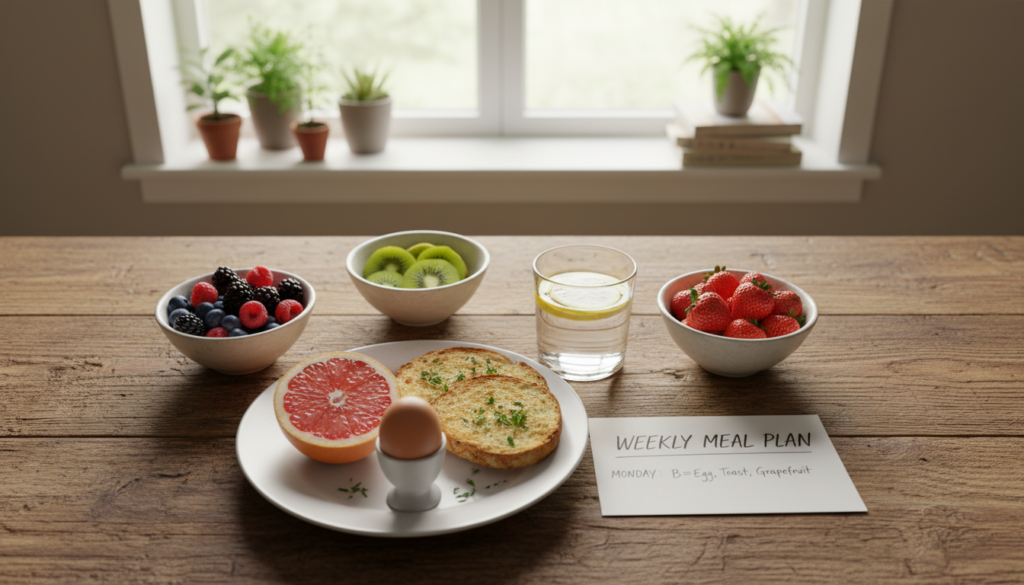
A classic day template
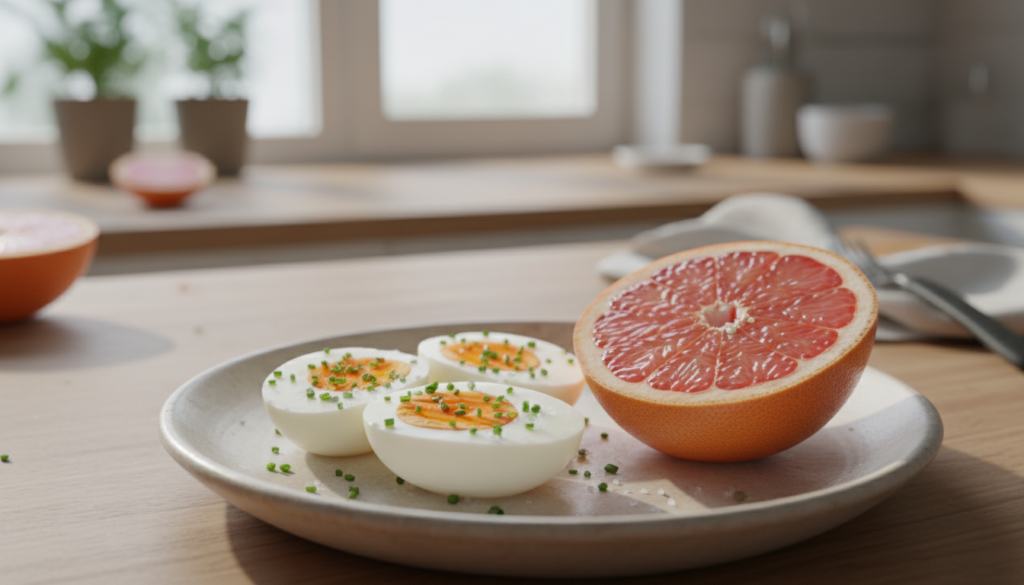
Breakfast: two boiled egg plus half grapefruit; black coffee or tea.
Lunch: salad greens with grilled chicken, measured vinaigrette, half grapefruit.
Dinner: broiled fish or lean meat with red or green vegetables and a citrus portion.
Simple breakfast options
- Two eggs plus half grapefruit; black coffee.
- Eggs, grapefruit, and a small cup of plain yogurt.
- Scrambled eggs with spinach; citrus on the side.
Lunch and dinner combos
Repeatable work lunches: salad + protein (chicken or fish) + citrus slice. Use measured dressing to control calories.
Dinner can feel normal: season meat, roast mixed vegetables, add fruit portion for balance.
Variety and prep tips
Rotate proteins, swap spinach for kale, use herbs, vinegar, lemon, and spice blends for flavor. Batch‑cook proteins, prewash greens, and portion fruit to save time.
Note: if you feel dizzy or unusually tired, reassess the plan and check with a clinician rather than pushing through.
Expected Weight Loss Results: What’s Realistic vs. What’s Hype
Certain marketing claims promise fast drops on the scale, but those numbers often mix water, glycogen, and some lean tissue—not lasting fat loss.
Why “10 pounds in 12 days” usually misleads
Short windows can show big swings because the body sheds glycogen and the water tied to it. That change looks dramatic on the scale but is not the same as burning stored fat.
For most people, losing 10 pounds of pure fat in 12 days is biologically unlikely without extreme measures that risk health.
What you’re likely losing early on
Low calories and low carbs reduce glycogen stores rapidly. Each gram of glycogen binds with water, so loss feels fast.
Reduced food volume, lower sodium, and some muscle loss can add to the initial drop. Those components often return when normal eating resumes.
Why long-term success needs more than a short phase
Sustained weight loss usually requires steady habits, not repeated short cycles. Quick fixes can lower resting metabolism if repeated often.
That slowing can make it harder to keep weight off and reduce energy for daily life and exercise.
- Reality check: early scale loss is commonly water and some lean mass, not mostly fat.
- Expectation: some regained weight is normal once carbs and sodium return.
- Reframe: use a brief plan as a short reset, not a long-term solution for weight loss.
- Track wins: focus on energy, sleep, digestion, and adherence as useful measures beyond the scale.
| Claim | Typical early change | Long-term outlook |
|---|---|---|
| “10 pounds in 12 days” | Mostly water + glycogen; small fat loss | Often partly regained without new habits |
| Rapid low-carb loss | Quick scale drop from glycogen and fluid | Fat loss needs longer, steady calorie deficit |
| Short restrictive plan | Weight falls; energy and training may drop | Metabolism can slow if cycles repeat |
Potential Benefits of Eggs and Grapefruit for Weight and Health
A modest focus on nutrient-dense fruit and protein can support short-term appetite control without extreme measures. This approach favors steady choices that help you feel full and keep calories reasonable.

A Great Way to Get Started on the Right Foot!
14-Day Boiled Egg Diet Plan
Recipe Guide Printable Bundle
Healthy, easy meals laid out for you day-by-day. A simple two-week structure you can start immediately.
- 14 Daily Meal Ideas
- Printable PDF Guides
- Quick & Simple Recipes
- Instant Download
Instant Download! Start Right Away!
Grapefruit nutrition highlights
Grapefruit supplies a large dose of vitamin C—often over 60% of daily needs—plus potassium, magnesium, and fiber. It is about 91% water, which helps with hydration and adds volume to meals.
Fiber and fullness
Fiber-rich fruit can slow stomach emptying and boost fullness after a meal. That effect can make daily calorie control easier by lowering snacking and portion creep.
Protein, satiety, and muscle
Eggs are protein-dense (about 5.5 g per medium piece) and help curb hunger between meals. Adequate protein supports muscle preservation during a calorie deficit, which matters for long-term metabolic rate.
What research suggests
Some studies link grapefruit consumption with smaller waist measures and lower BMI in certain groups. But this research shows association, not causation.
Benefits are most likely from better overall food choices, not a single “fat‑burning” effect.
| Benefit | Likely effect | Notes |
|---|---|---|
| Vitamin C | Supports immunity, antioxidant status | One fruit often gives ~60%+ DV |
| Fiber & hydration | Increases fullness, aids digestion | High water content adds volume with few calories |
| Protein from eggs | Improves satiety, helps preserve muscle | Combine with varied produce for balance |
In short, these foods offer real benefits for weight control and overall health when used within a varied, sensible eating pattern. Focus on quality, not a single ingredient, to reduce long-term risk for heart disease and keep results sustainable.
Risks, Side Effects, and Safety Warnings You Should Know
Short, very-low-calorie plans carry real risks. Common side effects can appear within days and affect daily life. Read this section before you try any quick program so you can decide safely.
Common short-term harms
Typical symptoms include fatigue, headaches, dizziness, constipation, and irritability. Nutrient gaps can show up as lightheadedness or poor concentration.
- Fatigue and low energy from too few calories.
- Headache, dizziness, and digestive changes.
- Risk of nutrient shortfalls if the plan runs for weeks.
Muscle loss and metabolism effects
Very low intake often causes some muscle loss. Losing lean tissue reduces strength and can lower resting metabolism.
Over time, persistent undereating may make you feel cold, sluggish, and less active. That change can undermine fat loss and long-term results.
Heart health and saturated fat
Some menus rely on high-sodium or high‑saturated‑fat items. Regular consumption of processed meats or heavy dressings can raise blood lipids and the risk of heart disease.
Medication interactions you must check
Ask a pharmacist or doctor before starting. Certain drugs interact with fruit compounds and can change blood levels unexpectedly.
The fruit contains furanocoumarins that interfere with gut and liver enzymes. This can raise drug concentrations and side effects for medicines such as simvastatin, nifedipine, cyclosporine, amiodarone, and others.
How to reduce harm if you try the plan
- Choose lean proteins, lots of vegetables, and limit processed meats.
- Avoid extreme calorie caps; stop if you feel dizzy or unwell.
- Tell your clinician about any medications before changing intake or juice consumption.
| Risk | What to expect | Safer choice |
|---|---|---|
| Fatigue & headaches | Low energy from very low calories | Raise calories slightly; add protein |
| Muscle loss | Reduced lean mass with strict limits | Include adequate protein and resistance activity |
| Drug interactions | Higher blood drug levels from fruit compounds | Consult pharmacist; avoid juice with meds |
| Heart disease risk | High saturated fat and sodium raise lipids | Limit bacon and heavy dressings |
Bottom line: short plans can work briefly, but check medications, protect muscle, and aim for balanced choices to lower long-term health risk.
Conclusion
Bottom line: Quick, menu‑focused programs can produce fast scale change, but much early weight loss often reflects fluid and stored carbs rather than lasting fat loss.
Research does not support a special fat‑burning enzyme in citrus; results are better explained by low calorie intake and reduced carbs. For lasting weight loss, favor protein‑forward meals plus more varied fruits, vegetables and whole grains.
After a short phase, transition to balanced meals that include eggs, citrus, lean protein, and a wider food range. Keep calories adequate, monitor how you feel, and stop if severe fatigue, dizziness, or heart symptoms occur.
Practical tip: consult your clinician about medication interactions and choose a sustainable way you can repeat without harming health or energy.