

Surprising fact: many people see a 3–7 pound drop in the first week on very low-carb plans, but much of that shift is water and glycogen, not fat.
This short guide treats the plan as a 7–14 day reset that pairs a strict high-protein, low-carb approach with simple workouts focused on strength and recovery. It explains how the boiled egg diet works, how to build safe meals, what to avoid, and how to train while calories are low.
Be realistic: you can lose weight quickly on the scale, yet true fat loss takes longer. This guide prioritizes muscle retention through strength work and sensible rest to limit fatigue and maintain performance.
Safety note: certain conditions — high cholesterol, kidney concerns, pregnancy, or diabetes medications — can make this plan risky. Talk with a clinician before starting if you have health risks.
Key Takeaways
- Treat the plan as a short, restrictive reset lasting 7–14 days.
- Expect quick scale changes; much early loss may be water weight.
- Prioritize strength training to protect muscle during fast loss.
- Build meals around lean protein and non-starchy vegetables.
- Watch for fatigue and consult a clinician if you have medical risks.
What the boiled egg diet is and why it’s trending now
The egg diet is a short, structured eating plan that uses hard-cooked eggs as the daily anchor. Meals center on lean protein, non-starchy vegetables, limited low-sugar fruit, small amounts of fat, and water or unsweetened coffee or tea.
Rules at a glance: include eggs at meals, choose chicken, fish, or lean steak, skip most snacks, and keep added fats minimal. Most guides suggest 2–3+ boiled eggs per day with other protein sources on the plate.
The trend comes from simplicity. Celeb mentions and viral posts make the plan easy to try. It promises quick results in a set number of days and needs little meal planning.
Fast weight loss usually reflects water and glycogen loss early on. The scale can drop fast, yet true fat loss takes more time. Common searches include 14-day versions and egg-plus-grapefruit mixes, but this piece stays focused on the hard-cooked approach.
Many programs recommend light activity. Later sections will show how to pair smart strength work to protect muscle and energy during a short reset.
How the boiled egg diet works in your body
Rapid scale changes often reflect short-term shifts in fluids and stored carbs, not instant fat loss. Understanding why this happens helps set realistic goals for weight loss over two weeks and beyond.

A Great Way to Get Started on the Right Foot!
14-Day Boiled Egg Diet Plan
Recipe Guide Printable Bundle
Healthy, easy meals laid out for you day-by-day. A simple two-week structure you can start immediately.
- 14 Daily Meal Ideas
- Printable PDF Guides
- Quick & Simple Recipes
- Instant Download
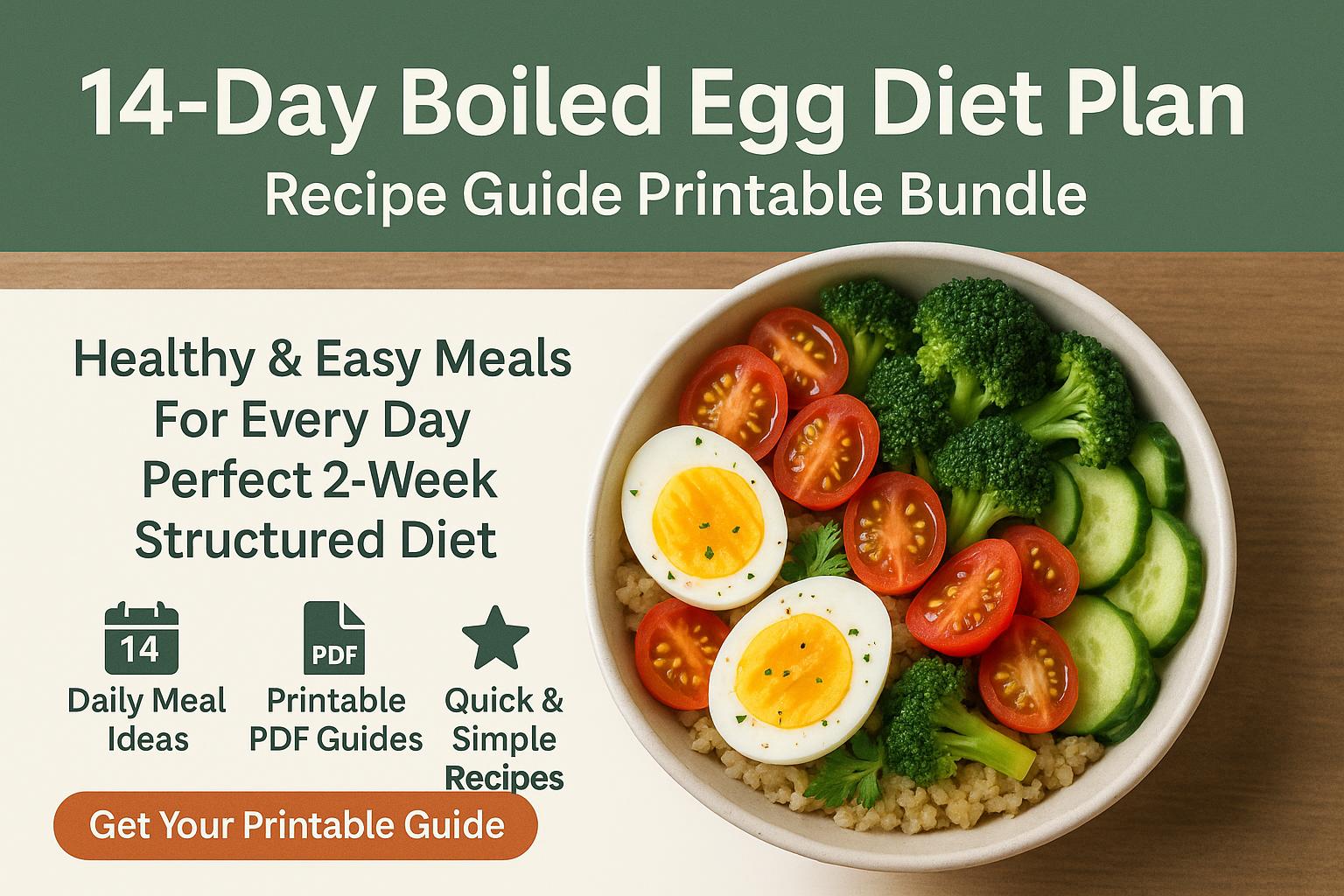
Instant Download! Start Right Away!
Calorie deficit basics
Calorie deficit means your intake is lower than what your body burns. When that gap exists, weight loss occurs regardless of the plan’s label.
Glycogen, water weight, and real fat loss
Low-carb phases burn stored glycogen. Each gram of glycogen holds water, so shedding glycogen causes quick water loss on the scale.
Don’t get discouraged: early loss often reflects fluid shifts, not permanent fat loss.
Protein, TEF, and feeling full
Protein raises the thermic effect of food (TEF). Digesting protein uses about 20–30% of its calories, which can help appetite control and slightly boost daily energy use.
This higher protein focus makes it easier to stay in a calorie deficit without constant hunger.
“Short-term results are real, but lasting change depends on diet choices after a reset.”
| Factor | Short-term effect | Long-term note |
|---|---|---|
| Calorie | Immediate scale drop | Must remain below maintenance for steady loss |
| Glycogen & water | Fast weight change | Rebounds with carbs |
| Protein & TEF | More fullness, small energy increase | Helps preserve lean mass |
Note: the egg diet may feel simpler at first, but fatigue can appear if carbs, fiber, and electrolytes fall too low. True progress depends on what happens after the 14-day window.
Who should not try this plan (and when to talk to a clinician)
Not everyone is a good fit for a rapid, high-protein reset; medical advice can prevent harm. If you have a medical condition, are pregnant, or take certain medicines, check with a clinician before starting.
Kidney function and protein load
Kidney concerns: people with chronic kidney disease (CKD stages 3–5) should avoid high-protein loads unless a nephrologist advises otherwise.
Why it matters: extra protein increases kidney work and can speed loss of function in impaired kidneys.
Cholesterol and heart risk
If you have high LDL, known familial hypercholesterolemia, or an ApoE4 variant, this plan may raise LDL more than expected. Monitor levels and limit intake as your clinician recommends.
Pregnancy, medications, and mental health
Do not restrict calories during pregnancy or lactation. Rapid limits can harm fetal growth and milk supply.
People on diabetes medicines or anticoagulants should consult a clinician — blood sugar shifts and changes in leafy-green vitamin K intake can require dose changes.
Anyone with an eating-disorder history or who avoids entire food groups should skip restrictive plans; rigid rules can worsen disordered patterns.
- Who should skip: CKD stages 3–5, familial hypercholesterolemia, pregnancy/lactation, active eating-disorder history, unstable diabetes on meds, those on anticoagulants.
- Watch for nutrient gaps: low variety raises the risk of deficiencies in key nutrients and vitamin shortfalls.
Safety first: speed is tempting, but protecting long-term health and balanced nutrition matters more than short-term change.
Boiled egg diet and exercise: how to pair workouts with the plan
When calories fall, workouts must shift—focus on strength to keep your body strong during a reset. Strength training tells your body to keep lean mass while you are in a calorie deficit. That preservation speeds real progress and supports overall health.
Strength training to preserve lean muscle during rapid weight loss
Why it matters: resistance work signals the body not to break down muscle. Aim for at least three full-body sessions across the 14‑day span.
Use compound moves like squats, rows, presses, and hinge patterns. Keep volume moderate and stop 1–2 reps before failure.
Cardio as a supplement, not the centerpiece
Cardio can help heart fitness and add steps. Make it light to moderate—walking, cycling, or steady-state sessions.
Avoid daily high-intensity sessions that raise fatigue and hurt recovery during low-carb days.
Sample weekly exercise split for a 14-day reset
| Day | Session | Focus |
|---|---|---|
| Mon | Full-body strength | Compound lifts, 3 sets each, leave 1–2 reps |
| Tue | Walk or light cardio | 30–45 min easy pace |
| Wed | Full-body strength | Moderate load, 2–3 exercises per muscle |
| Thu | Rest or active recovery | Stretching, sleep focus |
| Fri | Full-body strength | Lower volume, focus on form |
How to adjust intensity if fatigue hits during low-carb days
If energy drops, reduce load, cut a set, or swap HIIT for an incline walk. Prioritize sleep, hydration, and enough protein at meals to support recovery.
“More exercise isn’t always better during short rapid plans—consistency, recovery, and strength work protect results.”
Practical note: this modest split helps you lose weight while protecting the body. Keep sessions simple, stay consistent, and adjust by feel each day.
Foods you can eat on the boiled egg diet (and how to build meals)
Build simple plates from a few staple items to make this short plan easy to follow. Start with protein, add lots of low-carb volume, then a small amount of fat for taste and satiety.
Core foods to keep on hand
- Boiled eggs and other high-quality protein sources.
- Lean proteins such as chicken breasts and white fish.
- Non-starchy vegetables for bulk: leafy greens, zucchini, broccoli, mushrooms, tomatoes.
Building a balanced plate
Fill half the plate with vegetables, a quarter with protein, and use the remaining quarter for a small, measured fat. This sequence helps fullness and controls calorie intake.
Fruits, fats, and drinks
Choose low-sugar fruits like berries or grapefruit as an occasional add-on. Use olive oil, a pat of butter, or a teaspoon of mayo sparingly for flavor.
Drinks: water is the default. Unsweetened coffee or tea are fine. Skip sugary beverages and alcohol to stay aligned with the plan.
| Shop list | Quantity idea | Notes |
|---|---|---|
| Boiled eggs | 12–18 | Prep for 3–6 days |
| Chicken / fish | 3–5 portions | Freeze extras |
| Veggies & berries | Variety pack | Rotate weekly |
Foods to avoid to stay aligned with the plan
To stay on track, avoid high-carb staples that can quietly add calories and stall progress. This list focuses on keeping total carbs and calories low so the short plan works as intended.
A Great Way to Get Started on the Right Foot!
14-Day Boiled Egg Diet Plan
Recipe Guide Printable Bundle
Healthy, easy meals laid out for you day-by-day. A simple two-week structure you can start immediately.
- 14 Daily Meal Ideas
- Printable PDF Guides
- Quick & Simple Recipes
- Instant Download
Instant Download! Start Right Away!
Grains, pasta, and starchy vegetables
Grains and pasta are common tripwires. Bread, cereal, rice, and pasta raise carbs fast and can undo a day’s progress.
Starchy vegetables such as potatoes, corn, and peas also push totals up quickly. Limit portions or choose lower-carb veg instead.
High-sugar fruit, dairy, and processed choices
Higher-sugar fruits like bananas or mangoes can make carbs creep up when portions grow. Some versions of this plan restrict milk and cheese, so follow the specific rules you chose.
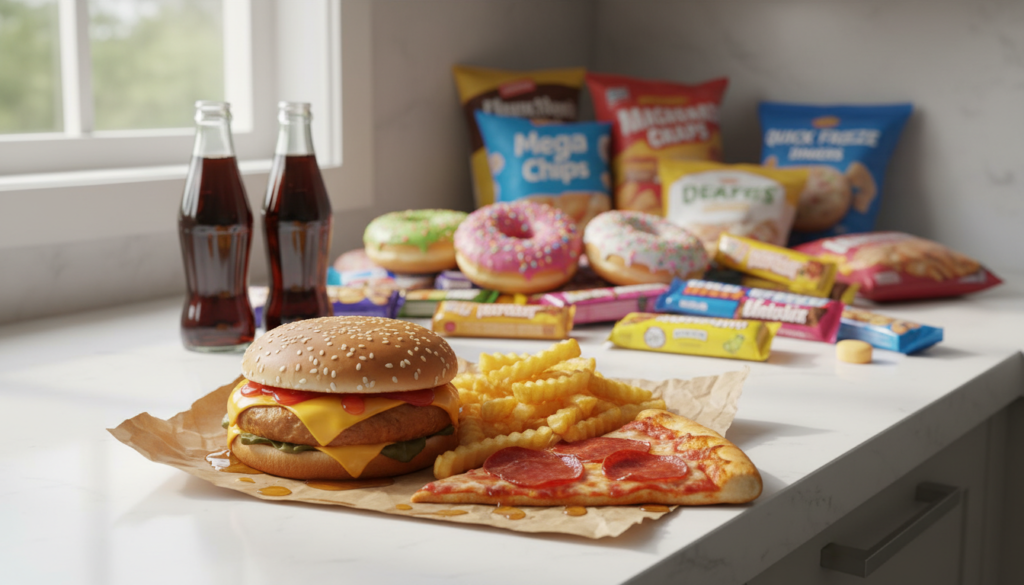
Processed foods and sugary drinks are double problems: they add calories fast and leave you less full. Packaged meats, sweets, and sodas often contain hidden sugar and fats that stall results.
Alcohol and smart swaps
Alcohol can slow fat loss, increase appetite, and harm recovery during a reset. Avoid it or limit to rare, low-carb choices.
- Swap rice for cauliflower rice.
- Use extra leafy greens instead of bread.
- Choose whole foods over processed snacks.
How to follow a simple boiled egg diet meal plan for up to 14 days
A clear daily routine helps you stick to a short reset. Aim for three planned meals, minimal snacking, and a good protein source at every plate. This keeps calorie intake predictable and hunger easier to manage.
Typical daily structure
Breakfast, lunch, and dinner—no grazing. Include protein at each meal and fill most of the plate with non-starchy vegetables.
Limit fruits to a small serving once a day to control carbs while still getting fiber and vitamins.
Example day templates
- Breakfast: 2 eggs, spinach, and black coffee.
- Lunch: Palm-sized chicken breast, mixed greens, cherry tomatoes, olive oil drizzle.
- Dinner: Grilled fish, steamed broccoli, and a small berry portion for dessert.
Portion control tips
Use your palm for protein, a plate half full of vegetables, and a thumb-sized fat. This keeps calorie intake realistic without tracking every number.
Pre-meal protein preload
Try one hard-cooked egg about 30 minutes before lunch or dinner. The small protein preload can reduce hunger and help you eat less at the next meal.
| Strategy | Quick tip | Why it helps |
|---|---|---|
| Repeat a 7‑day menu | Rotate proteins & veg weekly | Boosts adherence and reduces waste |
| Batch prep | Boil eggs, cook chicken, chop veg | Saves time and keeps choices simple |
| Adjust if needed | Raise portions if dizzy or very hungry | Protects safety and energy |
Practical note: repeat a familiar weekly pattern over 14 days if that helps you stick with the plan. If you feel unusually tired, faint, or very hungry, reassess portions, hydration, or whether this short reset suits you.
Common side effects and nutrient gaps to watch for
When your daily menu tightens, small nutrient gaps and short-term symptoms often appear. This is normal, and the plan may cause digestion changes, headaches, or tiredness at first.

A Great Way to Get Started on the Right Foot!
14-Day Boiled Egg Diet Plan
Recipe Guide Printable Bundle
Healthy, easy meals laid out for you day-by-day. A simple two-week structure you can start immediately.
- 14 Daily Meal Ideas
- Printable PDF Guides
- Quick & Simple Recipes
- Instant Download
Instant Download! Start Right Away!
Low fiber: constipation, bloating, and constant hunger
Low fiber is common. Many eggs and lean proteins have almost no fiber, and limiting whole grains or legumes reduces bulk fast.
That shift can cause constipation, bloating, or a nagging hunger. Increase leafy greens, broccoli, and other non-starchy vegetables to help digestion without adding processed foods.
Micronutrient shortfalls to monitor
Limited food variety can lead to nutrient deficiencies. Watch for low levels of vitamin C, calcium, magnesium, and potassium.
These gaps affect energy, sleep, and digestive comfort. Include a citrus wedge, yogurt if allowed, nuts, and spinach to cover key micronutrients while staying within the plan.
Electrolytes and “induction flu” symptoms
Low-carb phases can trigger an “induction flu”: headache, dizziness, and fatigue. This happens because lower insulin increases water loss and electrolyte shifts in the body.
Simple fixes often help: add a pinch of salt to food, eat potassium-rich veg like spinach or avocado, and rest when needed.
How to reduce risk without adding processed foods
Drink enough water—medical summaries suggest about 35 ml per kg of weight per day as a general guide for intake.
Practical tips: boost non-starchy vegetables, choose low-sugar fruit portions, use herbs for flavor, and add a bit more lean protein if hunger persists.
Avoid processed foods when cravings hit; whole-food swaps protect health and help the body adapt more smoothly.
How many eggs are too many and what about cholesterol?
When a single food becomes the focus, dose and duration matter for long-term heart health.
What moderation looks like for most people
Context: eggs fit into a varied eating pattern for most adults. After a short reset, return to variety and use eggs as one protein option, not the only one.
When limiting to about seven per week may be advised
High-risk groups: people with type 2 diabetes, high LDL, heart disease risk, or known genetic cholesterol issues should be cautious. Many clinicians suggest limiting intake to roughly seven per week while monitoring labs.
“Personalize choices based on blood tests and clinician advice rather than internet rules.”
| Group | Guidance | Why it matters |
|---|---|---|
| Most healthy adults | Use eggs several times weekly | Part of varied protein sources |
| Type 2 diabetes / high LDL | Limit to ~7 per week | May raise LDL in some people |
| Familial hypercholesterolemia | Individualized plan | Requires LDL monitoring |
Bottom line: short plans can help with weight loss, but long-term health relies on balanced eating, regular checks, and tailoring intake to labs and clinician guidance.
Conclusion
Conclusion
How you leave a short reset matters. The egg diet can produce fast weight loss mostly by cutting calories plus carbs, with early change often reflecting water loss rather than fat.
Pair this short eating plan with strength work to protect lean mass; make cardio supportive and lower intensity when energy falls.
After two weeks, reintroduce complex carbs like whole grains slowly. Add fruits, vegetables, lean protein, healthy fats and widen variety to refill fiber plus micronutrients lost when cutting food groups.
Next steps: keep protein steady, keep veggies high, bring back carbs in small portions, and continue resistance training for lasting results. If you have high cholesterol, kidney issues, pregnancy, medications, or an eating‑disorder history, consult a clinician first.