
Starting a new nutritional plan can feel challenging. You might wonder how to maintain your momentum and achieve your goals. This guide focuses on providing you with a clear path forward.
A well-structured approach is your greatest asset. Before you begin, understanding the core principles of this eating plan is crucial. Proper preparation helps you avoid common hurdles and builds a solid foundation for your journey.
This eating regimen can yield significant results when followed correctly. Your commitment and the strategies you employ will determine your outcome. We will explore practical methods to keep you motivated and on course.
Navigating a restrictive plan requires specific knowledge. You will learn how to manage daily routines and overcome potential obstacles. The advice here is designed to make your experience smoother and more effective.
Key Takeaways
- A clear plan is essential before starting this nutritional program.
- Preparation helps you avoid common challenges and setbacks.
- Your personal commitment is a major factor in achieving results.
- Practical strategies can help maintain motivation throughout the process.
- Understanding how to navigate the plan makes it more manageable.
- This guide offers actionable advice for a successful experience.
Introduction to the Egg Diet
This dietary approach centers on a powerful, nutrient-rich food: the egg. You build your main meals around this high-protein source. The plan combines eggs with non-starchy vegetables and lean proteins.
This creates a low-carbohydrate, low-calorie eating pattern. The goal is rapid weight loss while preserving muscle mass. You feel fuller longer due to the high protein and fiber content.
Arielle Chandler popularized this regimen. She claims it can lead to a loss of up to 12 pounds per week. It is important to note this claim lacks scientific validation. Your individual results will vary.
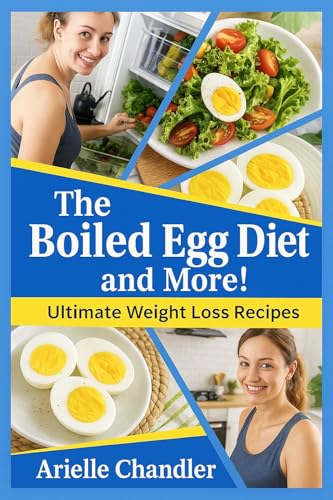
The fundamental principle is simple. You eat eggs at breakfast. Often, you include a boiled egg before lunch and dinner. This helps control hunger through increased protein and fat intake.
The diet is designed as a short-term intervention, typically lasting 3 to 14 days. It is not meant for long-term use. The plan works by creating a significant calorie deficit.
Each egg provides about 6 grams of protein. They also offer essential nutrients like vitamin D and choline. This makes them a nutritionally valuable choice for your meals.
This approach eliminates many foods. Starchy carbohydrates, processed items, and sugary foods are restricted. This maintains the low-carb, high-protein framework that drives the plan’s results.
Top Tips for Staying on Track with the Egg Diet
Maintaining momentum requires a clear set of actionable steps. Your daily routine is the engine that drives success on this plan.
Begin each morning by eating two eggs within thirty minutes of waking. Combine them with low-carb vegetables like spinach or tomatoes. This establishes a powerful, protein-rich foundation for your day.
A highly effective strategy is consuming one boiled egg before both lunch and dinner. The protein and healthy fats help control hunger. This naturally leads to smaller portion sizes during your main meals.
Prepare your eggs using healthy methods. Boiling, scrambling, or making omelets are excellent choices. Use minimal amounts of beneficial oils like olive or avocado oil.
Staying hydrated is non-negotiable. Drink only water or other zero-calorie beverages throughout the day. This supports your body’s functions and aids your weight loss efforts.
Structure your day around three meals with no snacks. This consistency helps maintain stable energy levels. It also prevents temptation from off-plan foods.
Incorporate physical activity like walking or weight training. Exercise boosts calorie burn and helps preserve lean muscle mass. This amplifies your overall results.
Preparation is your best friend. Boil several eggs at once and pre-cut vegetables. Having compliant foods ready eliminates daily decision fatigue.
Track your food intake and body measurements. This accountability allows you to see progress and make adjustments. Inform friends and family about your goals to build a supportive environment.
Finish your last meal at least three hours before bed. This gives your body time to digest and can improve sleep quality.
Meal Planning and Nutritional Guidance
Your success with this eating regimen depends heavily on thoughtful food organization. Creating balanced meals ensures you get proper nutrition while following the guidelines.
A Great Way to Get Started on the Right Foot!
14-Day Boiled Egg Diet Plan
Recipe Guide Printable Bundle
Healthy, easy meals laid out for you day-by-day. A simple two-week structure you can start immediately.
- 14 Daily Meal Ideas
- Printable PDF Guides
- Quick & Simple Recipes
- Instant Download
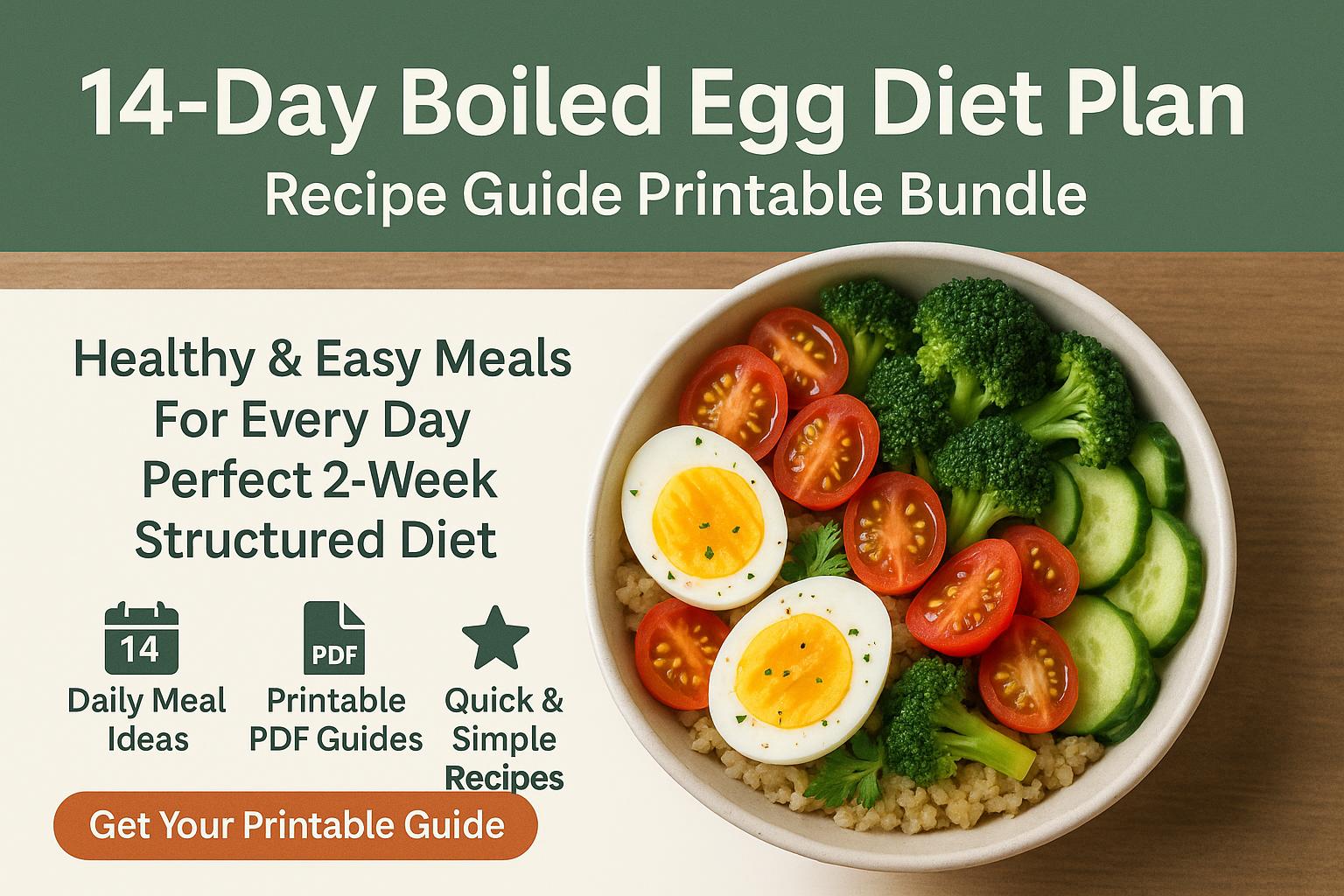
Instant Download! Start Right Away!
Sample Meal Plans and Strategies
A three-day rotation provides variety while maintaining structure. Each day includes eggs at breakfast, lunch, and dinner with complementary foods.
Day one might feature boiled eggs with avocado toast for breakfast. Lunch could include chicken with cauliflower rice and vegetables. Dinner offers an arugula salad with sliced eggs.
Day two incorporates scrambled eggs with beets for morning fuel. Fish fillet with quinoa and broccoli makes a satisfying lunch. Stuffed zucchini with chicken works well for evening meals.
Calorie and Nutrient Considerations
This approach typically creates a significant calorie deficit. Most daily intake ranges from 800-1200 calories depending on portion sizes.
While eggs provide excellent protein and vitamins, you need vegetables for fiber and minerals. Colorful produce like broccoli and carrots adds essential nutrients.
| Food Item | Protein (g) | Calories | Key Nutrients |
|---|---|---|---|
| 2 Large Eggs | 12 | 140 | Vitamin D, Choline |
| Chicken Breast (4oz) | 35 | 165 | B Vitamins, Selenium |
| Broccoli (1 cup) | 3 | 30 | Vitamin C, Fiber |
| Spinach (2 cups) | 2 | 14 | Iron, Vitamin K |
Measure oils carefully using one teaspoon per meal. This adds healthy fats without excessive calories.
Understanding Different Versions of the Egg Diet
Understanding the spectrum of available options helps you select the right fit for your needs. Various adaptations of this nutritional strategy exist, each with distinct rules and timeframes.
14-Day Version Overview
The two-week approach offers greater flexibility in your daily eating. This version includes eggs alongside lean proteins like poultry and fish.
You can also enjoy limited portions of low-carb fruits and non-starchy vegetables. Small amounts of healthy fats like coconut oil complement the plan. This balanced framework supports sustainable weight loss efforts.
3-Day and Alternative Variations
The three-day version is much more restrictive. It requires eating an egg-based meal every few hours with added healthy fats.
This short-term approach aims to induce ketosis by severely limiting carbohydrates. The egg and grapefruit combination adds citrus fruit to your meals.
Avoid the egg-only diet completely, as it lacks essential nutrients. The keto variation uses a specific egg-to-fat ratio for ketosis induction.
Choosing the right type depends on your goals and tolerance for restriction. Always consider medical guidance before starting any intensive eating plan.
Benefits and Potential Side Effects
Evaluating both the advantages and drawbacks of this nutritional strategy is crucial for making an informed decision. Understanding what you might gain and what challenges you could face helps you prepare effectively.
Potential Benefits
This eating plan offers some clear advantages. You benefit from a high intake of quality protein, which helps preserve lean muscle while you lose weight.
Eggs are packed with essential vitamins and minerals. They provide nutrients like vitamin D and selenium. The restrictive nature also creates a significant calorie deficit.
This deficit is a primary driver of short-term weight loss. It can provide the motivational boost many people need at the start of their journey.
Possible Risks and Side Effects
However, significant risk factors exist. The plan eliminates entire food groups, leading to potential nutrient deficiencies.
You may miss out on fiber from grains and calcium from dairy. This can impact your digestion and long-term bone health.
Low energy availability often causes fatigue, headaches, and mood changes. The severe restriction can slow your metabolism.
This often leads to a yo-yo effect, where lost weight is quickly regained. Individuals with heart health concerns should be cautious due to the dietary cholesterol in eggs.

- Cooks 10 eggs in shells to a hard, medium or soft consistency with the 600-watt heater
- Poaching tray with 4-egg capacity and omelet tray with 3-egg capacity
- Brushed stainless steel lid; blue LED indicator, audible alert and standby mode

- MULTI FUNCTIONAL EGG COOKER: The Evoloop egg boiler is ideal for a busy solitary person or family to make hard-boiled eg…
- SIX EGG CAPACITY: Save time and water by cooking up to six eggs to soft, medium, or hard-boiled firmness; this method is…
- EASY TO STORE and SAVES SPACE: The boiled egg cooker measures about 7.6 inches tall and 5.6 inches wide and 8.6 inch len…

- MAKE EGGS 6 WAYS. If you and your family love eggs, you need the world’s most versatile egg cooker in your kitchen. With…
- MAKE 4 EGG BITES, 4 POACHED EGGS OR 9 HARD-BOILED EGGS. Cook up to 4 egg bites or 4 poached eggs in about 10 minutes or …
- PREPARE OMELETS, SCRAMBLED EGGS, FRIED EGGS AND MORE. Built-in 5.25” PFAS-Free nonstick skillet for making omelets, scra…

- HALF COST, HALF TIME, DOUBLE EGGS: Cook 12 eggs at once with our upgraded evoloop egg cooker, stackable design saves spa…
- MULTI FUNCTIONAL EGG COOKER: The Evoloop egg boiler is ideal for a busy solitary person or family to make hard-boiled eg…
- EASY TO STORE and SAVES SPACE: The boiled egg cooker is easy to carry around; The 2-layer design lets you customize it f…

- HALF COST, HALF TIME, DOUBLE EGGS: Cook 12 eggs at once with our upgraded evoloop egg cooker, stackable design saves spa…
- MULTI FUNCTIONAL EGG COOKER: The Evoloop egg boiler is ideal for a busy solitary person or family to make hard-boiled eg…
- EASY TO STORE and SAVES SPACE: The boiled egg cooker is easy to carry around; The 2-layer design lets you customize it f…
Foods to Include and Avoid on the Egg Diet
Your food choices directly impact the effectiveness of this high-protein approach. Building meals around approved ingredients keeps you within the plan’s framework.

Understanding which items support your goals is crucial. This knowledge helps you create satisfying meals while maintaining progress.
Allowed Foods and Healthy Additions
Eggs form the foundation of your daily intake. Combine them with lean proteins like fish and poultry for balanced nutrition.
Low-carb vegetables such as spinach and broccoli add essential vitamins. They provide fiber without excess carbohydrates.
Healthy fats from olive oil and avocado oil support satiety. Use herbs and spices to enhance flavor without adding calories.
Foods to Eliminate for Success
Refined grains like white bread and pasta disrupt blood sugar levels. They offer little nutritional value for your body.
High-sugar fruits including bananas and mangoes work against the low-carb framework. Processed items like pizza and chips sabotage weight loss efforts.
Avoid all sugary drinks and alcoholic beverages. These empty calories hinder your progress and provide no health benefits.
Incorporating Healthy Fats and Protein-Rich Foods
Proper food pairing enhances both the nutritional value and satisfaction of your eating plan. Strategic combinations of protein and healthy fats create meals that support your goals effectively.
Your cooking methods significantly impact the nutritional quality of your meals. You can prepare eggs using various techniques that maintain their protein content while adding beneficial fats.
Optimal Egg Preparations
Boiling, scrambling, and making omelets offer different textures while preserving nutritional integrity. Each method provides versatility in your daily routine.
Use measured amounts of healthy oils like olive or avocado oil—about one teaspoon per meal. This adds essential fatty acids without excessive calories. The fats improve absorption of fat-soluble vitamins from your food.
Boiled eggs are particularly convenient for preparation. You can cook multiple eggs at once and store them for quick meals. This ready-to-eat protein source helps control hunger throughout your day.
Additional healthy fats like avocado slices or nuts enhance satisfaction. On specific versions like the keto approach, follow a one egg to one tablespoon fat ratio. The three-day variation requires 15 grams of butter with each egg.
Include lean protein sources beyond eggs for variety. Options like grilled chicken, fish, or tofu prevent meal monotony. These combinations stabilize blood sugar and provide sustained energy.
Combining the Egg Diet with Exercise and Lifestyle Changes
Combining exercise with your eating plan creates a powerful synergy for achieving your goals. This integration helps maximize results while supporting overall health.
Integrating Physical Activity
Moderate movement enhances your weight loss efforts. Aim for 30-60 minutes of activity three times weekly.
Choose enjoyable exercises like walking or dancing. These activities boost calorie expenditure without excessive strain.
Adjust intensity based on your energy levels. Low-calorie diets may reduce athletic performance. Listen to your body’s signals.
| Activity Type | Recommended Frequency | Intensity Level | Special Considerations |
|---|---|---|---|
| Walking/Jogging | 3-5 times weekly | Moderate | Safe for most versions |
| Weight Training | 2-3 times weekly | Light to Moderate | Preserves muscle mass |
| High-Intensity Workouts | Avoid during diet | Not Recommended | Risk of fatigue/injury |
| Restrictive Version Exercise | Minimal activity only | Very Light | Egg-only diet limitation |
Long-Term Lifestyle Adjustments
Transition to balanced eating after completing the program. Include diverse foods like fruits and whole grains.
This sustainable approach prevents weight regain. It supports lasting health improvements beyond short-term diets.
View this plan as a starting point for change. Build habits that fit your lifestyle for ongoing success.
A Great Way to Get Started on the Right Foot!
14-Day Boiled Egg Diet Plan
Recipe Guide Printable Bundle
Healthy, easy meals laid out for you day-by-day. A simple two-week structure you can start immediately.
- 14 Daily Meal Ideas
- Printable PDF Guides
- Quick & Simple Recipes
- Instant Download
Instant Download! Start Right Away!
Adjusting Your Plan Based on Individual Needs
Individual health considerations should guide your dietary choices to ensure safety and effectiveness. Your unique circumstances determine which approach works best for your goals.

Personalizing your nutrition strategy prevents potential health complications. This customization maximizes benefits while minimizing unnecessary risks.
Consult a Registered Dietitian
Before beginning any weight loss program, seek professional guidance. A registered dietitian assesses your current health status and nutritional needs.
They create personalized meal plans tailored to your body composition and lifestyle. This professional support significantly improves your chances of success.
Certain individuals should avoid this eating pattern entirely. People with kidney disease, egg allergies, or genetic cholesterol conditions face increased risk.
Pregnant women, children, and those with eating disorders should choose alternative nutrition approaches. Professional advice ensures your safety.
Monitoring Your Progress
Track multiple indicators beyond simple weight measurements. Monitor your energy levels, mood changes, and digestive health.
Realistic expectations are crucial for sustainable results. A healthy rate of weight loss is 1-2 pounds weekly.
If you experience persistent fatigue or other concerning symptoms, adjust your approach immediately. Regular assessment helps you maintain optimal health throughout your journey.
Conclusion
Your journey toward better health should prioritize long-term habits over quick fixes. The egg diet represents a restrictive approach that may deliver rapid initial results.
However, sustainable weight loss requires balanced nutrition. This plan lacks the variety needed for lasting success.
Consult healthcare professionals before starting any intensive eating regimen. Your body deserves comprehensive care rather than extreme restriction.
Focus on developing positive relationships with food. Balanced eating patterns support both physical health and emotional well-being.
True nutritional success comes from consistency and self-compassion. Choose approaches that nourish your entire being for lifelong wellness.