
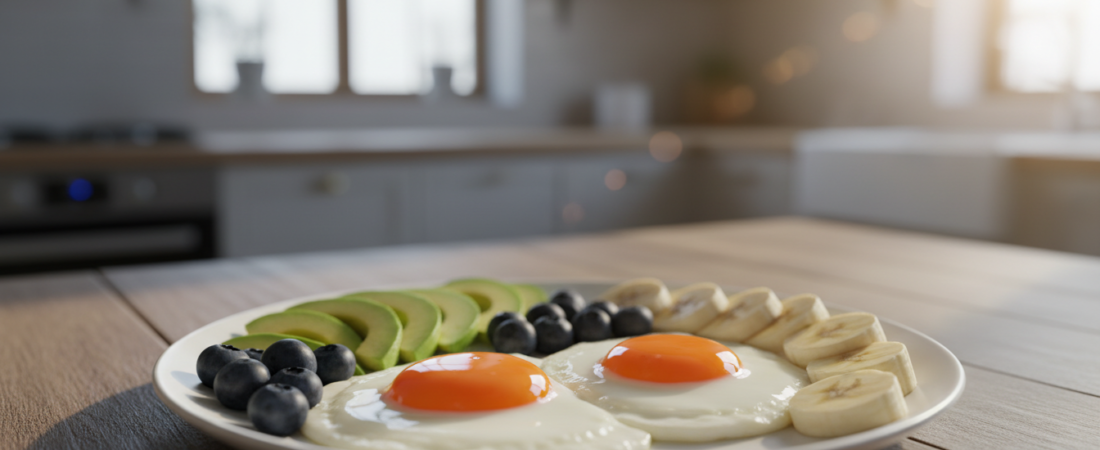
Surprising fact: studies show that small changes in diet can change daily brain chemistry enough to help energy and focus for millions of people.
Your brain needs specific nutrients to make neurotransmitters that support steady focus and emotional resilience. Protein, choline, and tryptophan play clear roles in memory, communication between cells, and serotonin production.
One simple reason certain meals recur in brain-health advice is practicality: a single, affordable item can deliver protein plus choline and tryptophan together. This makes it easy to add brain-friendly fuel to a busy American routine without fuss.
This piece is informational, food-first, not medical advice. Results usually appear gradually, not instantly. You’ll get the why behind food-feelings, top egg-based and non-egg options, what to limit, and quick meal ideas for breakfasts, snacks, and dinners that fit real life.
Key Takeaways
- Specific nutrients help the brain make neurotransmitters tied to mood and focus.
- Practical choices can support steady energy for busy US schedules.
- One affordable item can combine protein, choline, and tryptophan.
- This guide is informational and not a treatment plan.
- Expect gradual benefits from consistent, realistic diet changes.
A Great Way to Get Started on the Right Foot!
14-Day Boiled Egg Diet Plan
Recipe Guide Printable Bundle
Healthy, easy meals laid out for you day-by-day. A simple two-week structure you can start immediately.
- 14 Daily Meal Ideas
- Printable PDF Guides
- Quick & Simple Recipes
- Instant Download
Instant Download! Start Right Away!
Why what you eat can affect your mood today
What lands on your plate helps set the brain’s chemical tone for the day. Short-term choices influence energy, focus, and emotional balance because the gut and brain are in constant communication.
The gut-brain axis in plain language
The gut and brain “talk” through nerves, immune signals, and trillions of microbes. This means simple changes in diet can shape how you feel.
Eating fiber-rich meals and fermented options like yogurt supports a healthy gut. A balanced gut may help lower anxiety and steady daily feelings.
Serotonin and dopamine: how brain chemicals matter
Serotonin helps calm, steady appetite, and supports sleep—steady levels matter on stressful days.
Dopamine fuels motivation, focus, and the sense of reward when you need energy or drive.
- Keep nutrients consistent: neurotransmitters depend on steady intake and stable blood sugar.
- Set expectations: food can support better day-to-day mood, but it’s one part of sleep, activity, sunlight, and social support.
Next, we’ll look at eggs and other nutrient-dense building blocks that give the body the raw materials for healthy brain chemistry.
Eggs as a natural mood booster: nutrients that support mental well-being
A single pantry staple can pack several brain-ready nutrients in one quick serving. That mix helps support focus, energy, and steady feelings through the day.

A Great Way to Get Started on the Right Foot!
14-Day Boiled Egg Diet Plan
Recipe Guide Printable Bundle
Healthy, easy meals laid out for you day-by-day. A simple two-week structure you can start immediately.
- 14 Daily Meal Ideas
- Printable PDF Guides
- Quick & Simple Recipes
- Instant Download
Instant Download! Start Right Away!
Choline for memory and clear brain communication
Choline helps build cell membranes and supports memory and focus. Regular intake can help brain cells signal each other more efficiently, so you often feel mentally sharper.
Tryptophan for serotonin production and sleep rhythm
Tryptophan is a precursor to serotonin, which ties to mood balance and sleep timing. Better sleep rhythm often means improved emotional resilience the next day.
Vitamin B12 for energy and chemistry
Vitamin B12 supports brain chemistry linked to energy and emotional health. Low B12 is often tied to fatigue and low mood; clinicians can test levels if symptoms persist.
Protein, antioxidants, and healthy fats
High-quality protein helps steady blood sugar and limits mid-day crashes compared with sugary breakfasts. Antioxidants like lutein protect brain cells from oxidative stress. Some eggs also supply omega-3 fatty acids, though fatty fish gives a larger dose.
Top eggs and mood boosting foods to add to your diet
Building a brain-friendly plate is about mixing nutrient-rich classics with easy, everyday staples. Below are simple choices to pair with eggs for steady focus, better memory, and longer-term brain benefits.
Fatty fish for omega-3s
Salmon, trout, and similar fish supply DHA, a key fatty acid that helps build brain cells. DHA can help reduce inflammation and oxidative stress while supporting how the brain works.
Sardines and shellfish
Sardines and mussels are budget-friendly sources of vitamin B12, vitamin D (sardines), zinc, and selenium. These minerals support nerve function and nervous system health.
Greens, berries, nuts, and pantry staples
Leafy greens and crucifers give folate, vitamin K, beta carotene, and vitamin E to protect cells.
Blueberries add flavonoid antioxidants that support blood flow and may aid concentration and memory.
Nuts like walnuts and almonds supply healthy fats and vitamin E—aim for a small handful as a portion tip.
Small additions that matter
Dark chocolate (85%+) offers flavonoids; keep portions small. Coffee or green tea can boost alertness—green tea adds L-theanine for calmer focus. Use olive oil for monounsaturated fats and antioxidant protection. Seeds, quinoa, and lentils add fiber and steady energy to prevent blood sugar dips.
Mood-boosting fruits and veggies beyond the basics
Bright produce can quietly support steady energy and brain chemistry. Small swaps make it easy to add vitamins and minerals that help the body work better over time.

A Great Way to Get Started on the Right Foot!
14-Day Boiled Egg Diet Plan
Recipe Guide Printable Bundle
Healthy, easy meals laid out for you day-by-day. A simple two-week structure you can start immediately.
- 14 Daily Meal Ideas
- Printable PDF Guides
- Quick & Simple Recipes
- Instant Download
Instant Download! Start Right Away!
Bananas and avocados for steady energy and hormone balance
Bananas are a portable option for sustained energy. They supply potassium, B vitamins, and a little tryptophan—use one between meals to feel more even-keeled.
Avocados deliver monounsaturated fats that support hormone balance during stress. Try mashed avocado on toast or in a quick salad to add healthy fat and slow-release energy.
Asparagus, bell peppers, kale, and spinach for key vitamins and minerals
Asparagus gives folate, fiber, and tryptophan; roast spears or toss them into pasta salads for a fast nutrient boost.
Bell peppers are rich in vitamin C and vitamin B6, which help make neurotransmitters tied to serotonin and norepinephrine.
Kale and spinach supply minerals like magnesium, iron, zinc, and copper. Cooking kale can ease digestion and unlock nutrients for the body.
- Easy swaps: banana with breakfast, avocado on toast, sliced peppers with hummus.
- Note: these choices can help reduce low energy and support long-term health, but they aren’t a substitute for care if you have depression or anxiety.
Foods and habits that can make anxiety and low mood worse
Comfort meals that seem soothing may actually increase stress and worsen low mood for some people. Certain choices can change how you feel within hours, not weeks.
Why refined sugar and high-fat processed comfort foods can backfire
Refined sugar and highly processed, high‑fat items often cause a quick spike in blood sugar followed by a crash. That swing can heighten irritability and make depressive symptoms feel stronger.
Frequent ultra-processed eating patterns link with higher stress and anxiety levels. For some people the effect is immediate: guilty feelings, restlessness, or worsened anxiety after a big comfort meal.
Timing and portions: how caffeine and late-day chocolate affect sleep and mood
Poor sleep raises next-day stress sensitivity, cravings, and mood instability. This creates a loop that can keep depression symptoms cycling.
Caffeine from coffee helps focus, but too much or late intake may cause jitters and disrupt sleep quality. Even dark chocolate has caffeine; save larger portions for earlier in the day.
- Quick reset: pair treats with protein or fiber earlier to soften blood sugar swings and lower crash risk.
- Mindful check: notice what you eat, when you eat it, and how you feel afterward—no perfection required.
Easy ways to eat more mood-supportive foods without overthinking it
You don’t need a strict plan to eat for better brain function—simple swaps work well. Small moves deliver real nutrition quickly and save time on busy mornings.
Simple breakfast ideas featuring eggs, greens, and berries
Try scrambled eggs with spinach or kale, a side of blueberries, and optional whole-grain toast. The egg protein helps steady blood sugar while berries add antioxidants and vitamins linked to brain function.
Snack swaps that keep energy steady with nuts, seeds, and yogurt
Choose plain Greek yogurt topped with frozen berries and chia or pumpkin seeds. Keep a small pack of mixed nuts for easy portions that maintain steady energy between meals.
Dinner templates with fatty fish, olive oil, and colorful vegetables
Build dinners around grilled salmon or canned sardines for omega-3 fatty acids. Add quinoa or beans, roasted vegetables, and a drizzle of olive oil for a simple Mediterranean-style plate.
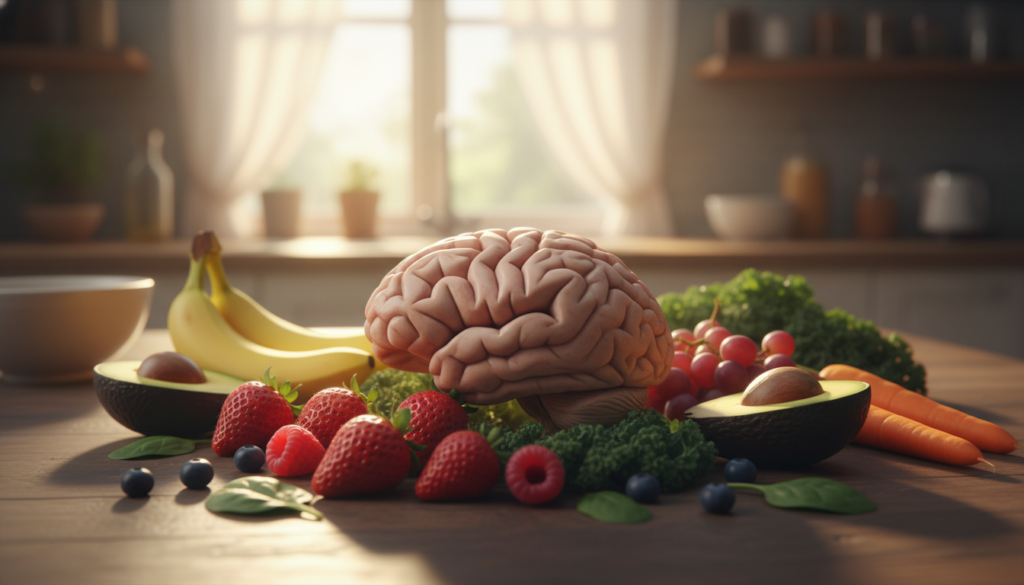
A sample day inspired by MIND and Mediterranean patterns
Breakfast: scrambled eggs + spinach + blueberries. Snack: Greek yogurt + berries. Lunch: grilled chicken salad with kale, beans, cucumbers, olive oil. Snack: mixed nuts. Dinner: baked salmon, quinoa, roasted vegetables. Dessert: dark chocolate.
A Great Way to Get Started on the Right Foot!
14-Day Boiled Egg Diet Plan
Recipe Guide Printable Bundle
Healthy, easy meals laid out for you day-by-day. A simple two-week structure you can start immediately.
- 14 Daily Meal Ideas
- Printable PDF Guides
- Quick & Simple Recipes
- Instant Download
Instant Download! Start Right Away!
What to expect over time and how to know your diet is helping
Small, steady food choices add up and can shift daily brain performance over time. Expect slow, measurable change rather than an instant fix. Consistency matters more than perfection.
Signs you may notice first
Everyday signals often come before dramatic shifts. Look for steadier energy through the afternoon, fewer crashes, clearer focus at work or school, and small gains in memory tasks like remembering names or lists.
How clinicians can track progress
Doctors can check blood levels for key nutrients, including vitamin B12, to identify deficiencies. Simple memory tests or cognitive assessments may quantify changes in thinking and function.
In persistent or unusual cases, clinicians sometimes use neuroimaging as part of broader evaluation. Researchers also track nutrient biomarkers alongside imaging in studies that explore diet–brain links.
Supplements versus whole food sources
Supplements such as omega‑3 or B12 help when a deficiency exists. Yet current research does not strongly support routine supplement use for everyone. Whole foods usually provide a wider nutrition profile and other benefits.
- Set realistic expectations: benefits tend to show up gradually with steady eating patterns.
- Watch sleep: better timing of caffeine and sweets often improves next‑day memory and emotional resilience.
- Long-term health: consistent brain-supportive nutrition may help reduce risk of cognitive decline when paired with exercise and sleep.
Conclusion
Smart eating supports steady brain chemistry. A consistent pattern of whole, nutrient-rich food helps neurotransmitters work better; this can lower reactivity to stress and ease low energy.
Keep simple staples in rotation: fatty fish for omega-3s, leafy greens and berries for antioxidants, nuts plus olive oil for healthy fats, legumes and whole grains for steady protein. Use eggs as an affordable base; vary choices across the week.
Limit ultra-processed items, added sugar, plus late caffeine or chocolate if sleep suffers. Use the meal templates here to create repeatable plates—consistency beats perfection.
If anxiety or depression persists, seek professional care; food helps, but it is not a standalone cure.