
Are you exploring popular short-term eating plans to support your health goals? This guide focuses on a regimen that uses a simple, nutrient-rich food as its cornerstone. The plan is designed for those seeking a structured approach to nutrition.
You will learn the core principles of this strategy. It combines a primary protein source with low-carb vegetables and healthy fats. This combination aims to promote a feeling of fullness while encouraging rapid results.
Whether you want to overcome a plateau or simply kickstart a healthier routine, this information provides a clear path. We cover what foods to include, what to avoid, and offer practical meal ideas. The goal is to equip you with knowledge for both short-term success and long-term maintenance.
Key Takeaways
- This plan is a short-term strategy centered on a specific protein-rich food.
- It is designed to help you manage your weight effectively.
- The approach combines key foods to maximize satiety and nutrition.
- You will receive practical advice on meal planning and food choices.
- Understanding the framework helps in achieving and maintaining results.
Introduction to the Boiled Egg Diet
Egg-based nutrition plans offer structured simplicity for those seeking clear dietary frameworks. This approach centers on a specific food known for its nutritional density and versatility.
What Is the Boiled Egg Diet?
The egg diet makes eggs your primary protein source throughout the day. You typically consume 2-6 whole eggs daily alongside lean proteins and non-starchy vegetables.
This eating pattern increases both protein and fiber intake. The combination helps control hunger while promoting weight loss through natural appetite suppression.
A Great Way to Get Started on the Right Foot!
14-Day Boiled Egg Diet Plan
Recipe Guide Printable Bundle
Healthy, easy meals laid out for you day-by-day. A simple two-week structure you can start immediately.
- 14 Daily Meal Ideas
- Printable PDF Guides
- Quick & Simple Recipes
- Instant Download
Instant Download! Start Right Away!
Key Principles and Goals
Most versions of this diet follow a low-carb approach. They reduce high-carbohydrate foods to lower total calorie consumption.
The egg fast represents a more restrictive version developed by blogger Jimmy Moore. This ketogenic variation focuses almost exclusively on eggs, cheese, and butter for 3-5 days.
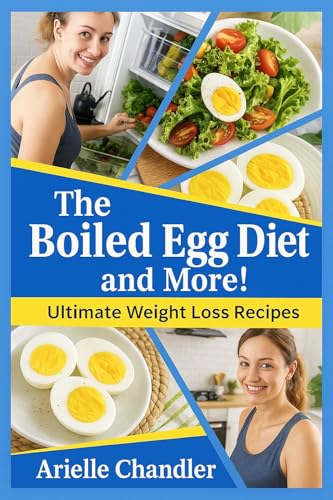
According to creator Arielle Chandler, eating eggs as your main protein could potentially help people lose up to 12 pounds weekly. Individual results vary, and scientific evidence supporting such dramatic claims remains limited.
Understanding the Science Behind the Egg Diet
Understanding the biological mechanisms behind this nutritional strategy reveals why it can be effective for specific goals. Its power comes from how specific foods influence your hormones and metabolism.
Protein, Satiety, and Weight Loss
Eggs are incredibly filling due to their high protein content. This protein intake boosts hormones that signal fullness, like peptide YY and GLP-1.
At the same time, it reduces ghrelin, the hunger hormone. This hormonal shift helps you naturally consume fewer calories, supporting weight loss.
Furthermore, eggs contain choline. This essential nutrient is vital for metabolizing fat in the liver, promoting optimal function.
Low-Carb Benefits for Effective Results
The egg fast and similar diets severely restrict carbs. This approach can push your body into ketosis, a state where it burns fat for fuel.
This metabolic shift, combined with the satiating effect of eggs, creates a powerful combination for loss of excess weight. Eating patterns like this leverage multiple mechanisms at once.
| Mechanism | Primary Effect | Contribution to Weight Loss |
|---|---|---|
| High Protein Intake | Increases satiety hormones | Reduces overall calorie consumption |
| Low Carbohydrate Restriction | Promotes ketosis | Encourages fat burning for energy |
| Essential Nutrients (Choline) | Supports liver fat metabolism | Aids in efficient energy processing |
How to Do the Boiled Egg Diet: Step-by-Step Beginner’s Guide
Launching this nutritional strategy requires careful preparation and a clear daily structure. Your initial choices determine the ease of your transition and potential results.
Select the version that aligns with your objectives. A standard plan spans about two weeks. A more intensive option lasts three to five days for breaking plateaus.
Getting Started with Your Diet Plan
Begin each day by consuming a whole egg within thirty minutes of waking. This action kickstarts your metabolism and establishes a consistent eating pattern.
Aim for a minimum of six eggs distributed throughout your day. Space your meals three to five hours apart. This maintains steady protein intake and manages hunger.


- Cooks 10 eggs in shells to a hard, medium or soft consistency with the 600-watt heater
- Poaching tray with 4-egg capacity and omelet tray with 3-egg capacity
- Brushed stainless steel lid; blue LED indicator, audible alert and standby mode

- MULTI FUNCTIONAL EGG COOKER: The Evoloop egg boiler is ideal for a busy solitary person or family to make hard-boiled eg…
- SIX EGG CAPACITY: Save time and water by cooking up to six eggs to soft, medium, or hard-boiled firmness; this method is…
- EASY TO STORE and SAVES SPACE: The boiled egg cooker measures about 7.6 inches tall and 5.6 inches wide and 8.6 inch len…

- MAKE EGGS 6 WAYS. If you and your family love eggs, you need the world’s most versatile egg cooker in your kitchen. With…
- MAKE 4 EGG BITES, 4 POACHED EGGS OR 9 HARD-BOILED EGGS. Cook up to 4 egg bites or 4 poached eggs in about 10 minutes or …
- PREPARE OMELETS, SCRAMBLED EGGS, FRIED EGGS AND MORE. Built-in 5.25” PFAS-Free nonstick skillet for making omelets, scra…
- HALF COST, HALF TIME, DOUBLE EGGS: Cook 12 eggs at once with our upgraded evoloop egg cooker, stackable design saves spa…
- MULTI FUNCTIONAL EGG COOKER: The Evoloop egg boiler is ideal for a busy solitary person or family to make hard-boiled eg…
- EASY TO STORE and SAVES SPACE: The boiled egg cooker is easy to carry around; The 2-layer design lets you customize it f…

- HALF COST, HALF TIME, DOUBLE EGGS: Cook 12 eggs at once with our upgraded evoloop egg cooker, stackable design saves spa…
- MULTI FUNCTIONAL EGG COOKER: The Evoloop egg boiler is ideal for a busy solitary person or family to make hard-boiled eg…
- EASY TO STORE and SAVES SPACE: The boiled egg cooker is easy to carry around; The 2-layer design lets you customize it f…
Pair each egg with a tablespoon of healthy fat, like butter or olive oil. Include up to one ounce of full-fat cheese. This combination ensures adequate fat intake for satiety.
Cease eating three hours before bedtime. Stay hydrated by drinking plenty of water. These habits support digestion and overall well-being.
Setting Up Your Kitchen and Ingredients
Stock your kitchen with high-quality ingredients for success. Prioritize local, pasture-raised eggs whenever possible.
Essential foods include grass-fed butter, full-fat cheeses, and approved low-carb vegetables. Think spinach, broccoli, and zucchini for variety.
Consider a low-carb eating approach for a few days prior to starting. This helps your body adapt and may reduce transition side effects.
| Rule | Frequency/Timing | Purpose |
|---|---|---|
| Eat a whole egg | Within 30 minutes of waking | Kickstart metabolism |
| Consume eggs | At least 6 per day, every 3-5 hours | Maintain protein intake |
| Add fat per egg | 1 tbsp butter/oil, 1 oz cheese | Ensure satiety |
| Stop eating | 3 hours before bedtime | Support digestion |
Allowed Foods and Meal Options
Building satisfying meals is a cornerstone of this nutritional approach. Knowing your options keeps your plan interesting and effective.
You have a wide array of foods to choose from. This variety helps you create diverse and enjoyable meal combinations daily.
Egg Variations and Cooking Techniques
Eggs are your main protein source, but they don’t have to be boring. You can prepare them in many ways to keep your palate engaged.
- Simple boiled eggs are a classic, easy option.
- Try scrambling or frying them in healthy oils like avocado or olive oil.
- Omelets and frittatas are perfect for incorporating cheese and vegetables.
- For more creativity, consider egg wraps or deviled eggs.
Complementary Low-Carb Vegetables and Fats
Pair your egg-based dishes with non-starchy vegetables. Spinach, broccoli, zucchini, and bell peppers add fiber and nutrients.
Include healthy fats for satiety. Use a tablespoon of butter or olive oil per egg. You can also add an ounce of full-fat cheese.
Lean proteins like fish or poultry can supplement your high protein intake. A simple salad with these components makes a complete meal.
Foods and Ingredients to Avoid
Success on this nutritional plan depends heavily on knowing which items to exclude from your meals. Removing specific food groups creates the metabolic conditions needed for optimal results.
Your food consumption during this period must align with low-carb principles. This means eliminating anything that could spike blood sugar or provide empty calories.
High-Carb Foods and Refined Grains
Refined grains are completely off-limits in this eating pattern. You must avoid white bread, rice, pasta, and couscous.
These foods provide little nutritional value while rapidly increasing calorie intake. They work directly against your weight management goals.
High-carb fruits present another challenge for this diet. Dried varieties like raisins and apricots contain concentrated sugar.
Fresh fruits such as bananas, grapes, and mangoes also contain too many natural sugars. Their consumption would disrupt the low-carb framework.
All forms of added sugar must be eliminated from your food choices. This includes table sugar, honey, soda, and sweetened beverages.
Processed foods like bacon, sausage, and pizza are not compatible with this approach. They typically contain hidden carbohydrates and unhealthy fats.
Starchy vegetables can sabotage your progress on these diets. Avoid white potatoes, sweet potatoes, and cassava during the program.
Alcohol consumption of any kind should be paused. Beer, wine, and liquor add empty calories and impair fat burning.
Sample Meal Plans and Recipes
Seeing exactly what to eat each day helps transform dietary principles into tangible results. These sample menus demonstrate how to structure your meals while maintaining variety and nutritional balance.

Your daily eating schedule should include at least one whole egg per meal. This ensures consistent protein intake throughout your day.
3-Day Meal Plan Example
This comprehensive schedule provides practical guidance for your first three days. Each meal combines essential nutrients with satisfying flavors.
| Day | Breakfast | Lunch | Dinner |
|---|---|---|---|
| Day 1 | 2 slices toast with avocado and sliced boiled eggs, plus strawberries | Chicken fillet with tomato sauce, cauliflower rice, mixed vegetables | Arugula salad with tomato, onion, and 2 sliced boiled eggs |
| Day 2 | 2 scrambled eggs with grated beets, green tea | Baked fish fillet with quinoa and steamed vegetables | Baked zucchini stuffed with chicken and melted cheese |
| Day 3 | 2 sliced boiled eggs on oat bread with apple | Tofu-stuffed eggplant with fresh salad | Protein-rich salad with grilled chicken, cheese, and walnuts |
Delicious Recipe Ideas
Beyond basic preparations, numerous creative options keep your meals interesting. These recipes maximize flavor while adhering to nutritional guidelines.
Try hard-boiled eggs drizzled with melted butter for a simple snack. Egg salad made with homemade mayo offers a creamy alternative.
The combination of eggs with healthy fats creates meals that are both satisfying and effective for weight management.
For more substantial dishes, consider cheese omelets cooked in butter or crustless quiche. These options provide variety while maintaining your daily egg consumption.
Each recipe should include appropriate portions of fats like olive oil or butter. Complementary proteins and vegetables complete your nutritional needs.
Potential Benefits, Risks, and Considerations
Evaluating the full picture of any eating plan requires understanding both its rewards and its risks. This approach offers several potential advantages for weight loss but also carries important considerations for your health.
Being aware of both sides helps you make an informed decision about whether this strategy fits your needs.
Health Benefits and Weight Loss Expectations
The high protein content from eating eggs provides significant appetite reduction. This natural fullness helps create the calorie deficit needed for loss of excess pounds.
Many people report losing 5-10 pounds during a 3-5 day egg fast. Your individual results depend on factors like starting weight and metabolic rate.
Beyond general weight loss, this approach may specifically target belly fat. Reducing abdominal fat can improve your body‘s insulin sensitivity.
Possible Risks and Nutritional Considerations
During the initial adaptation period, some people experience fatigue and headaches. These symptoms typically occur as your body adjusts to lower carbohydrate intake.
Restricting food groups for weeks may lead to deficiencies in essential nutrients. This is particularly important to keep in mind for long-term health.
| Potential Benefits | Associated Risks | Time Frame |
|---|---|---|
| Rapid weight loss | Nutritional deficiencies | Short-term (3-14 days) |
| Reduced appetite | Yo-yo dieting effects | Post-diet period |
| Improved insulin sensitivity | Adaptation symptoms | First few days |
Certain individuals should avoid this diet entirely or seek medical supervision. This includes those with kidney disease, egg allergies, or metabolic conditions.
Remember that any diet is a short-term tool. Maintaining results requires sustainable habits beyond the initial weeks.
A Great Way to Get Started on the Right Foot!
14-Day Boiled Egg Diet Plan
Recipe Guide Printable Bundle
Healthy, easy meals laid out for you day-by-day. A simple two-week structure you can start immediately.
- 14 Daily Meal Ideas
- Printable PDF Guides
- Quick & Simple Recipes
- Instant Download
Instant Download! Start Right Away!
Integrating Physical Activity and Lifestyle Changes
Sustainable results from your nutritional efforts extend far beyond the initial eating period. Combining movement with your diet plan creates a powerful synergy for achieving your goals.
Regular exercise boosts your metabolism while preserving muscle mass. This approach supports effective weight loss during your program.
Exercise Recommendations to Boost Results
Incorporate activities you enjoy into your routine. Weight training, swimming, or brisk walking work well.
Aim for 30-60 minutes of movement most days. Listen to your body and adjust intensity as needed.
| Time Period | Recommended Activity | Weekly Frequency |
|---|---|---|
| First Week | Light walking, stretching | 3-5 days |
| Weeks 2-3 | Moderate cardio, strength training | 4-6 days |
| Long-Term Maintenance | Mixed intensity workouts | 5-7 days |
Maintaining Long-Term Healthy Habits
Transition carefully after your egg diet concludes. Gradually reintroduce foods while monitoring your response.
“True transformation comes from sustainable habits developed over time, not short-term restrictions.”
Focus on whole foods for your meals. Colorful vegetables, lean proteins, and healthy fats support lasting health.
Most people maintain results by losing 1-2 pounds weekly. This gradual approach prevents rebound weight loss reversal.
Conclusion
Your journey toward health transformation requires understanding both immediate strategies and long-term sustainability. This egg diet offers a straightforward approach that leverages nutritional principles for rapid results.
You now possess the knowledge to implement this plan effectively. The guidelines provided help maximize benefits while minimizing potential risks associated with restrictive eating patterns.
Keep in mind that any short-term diet serves as a tool rather than a permanent solution. The true measure of success comes from transitioning to balanced habits that support lasting wellness.
Before starting any egg fast or similar program, consult healthcare professionals if you have specific health concerns. Sustainable weight loss develops over time through consistent, healthy choices.
Use this information to make informed decisions about incorporating egg-centered diets into your overall health strategy. Your long-term wellbeing remains the ultimate priority.