
Exploring a short-term eating plan focused on eggs often raises a key question about potential results. Many people seek a rapid transformation and look for plans that promise significant changes.
According to creator Arielle Chandler, this approach could lead to a drop of up to 12 pounds in a single week. However, it is crucial to understand that scientific backing for such dramatic claims is limited.
Most individuals who follow strict, egg-based nutritional protocols report more moderate outcomes. They often experience a reduction of 5 to 10 pounds within just three to five days.
Your personal results will vary based on several factors. Your starting point, metabolism, age, and gender all play a role. Adherence to the plan’s guidelines is also a major factor in the outcome.
This method is designed for quick, short-term results rather than long-term sustainability. The initial weight change includes both fat loss and a reduction in water weight.
This article will guide you through the details of this popular plan. You will learn about different variations, sample meals, and important health considerations.
Key Takeaways
- Potential weight loss on a strict egg-based plan can be rapid, but individual results vary widely.
- Reported outcomes range from 5 to 10 pounds in under a week, with some claims being higher.
- Factors like starting weight, age, and metabolism significantly influence your personal results.
- This is a short-term strategy, not designed for sustained, long-term healthy eating.
- The initial drop on the scale often includes a loss of water weight alongside fat.
- Always consider safety and consult a professional before starting any restrictive nutritional plan.
Introduction to the Egg Diet
Many individuals turn to an egg-focused eating plan when they feel stuck in their fitness journey and desire a swift reset. Its appeal lies in a powerful combination of simplicity, affordability, and the nutritional power of a familiar food.
Understanding the Diet’s Popularity
This nutritional strategy is especially popular among those already following low-carb or ketogenic patterns. It serves as a structured reset to help break through frustrating plateaus. The plan’s foundation is eating eggs as the primary source of protein, which helps control hunger effectively.
Combining eggs with low-carb vegetables increases fiber intake. This approach naturally creates a calorie deficit while providing essential nutrients. For many people, this simplicity is the key to short-term success.
A Great Way to Get Started on the Right Foot!
14-Day Boiled Egg Diet Plan
Recipe Guide Printable Bundle
Healthy, easy meals laid out for you day-by-day. A simple two-week structure you can start immediately.
- 14 Daily Meal Ideas
- Printable PDF Guides
- Quick & Simple Recipes
- Instant Download
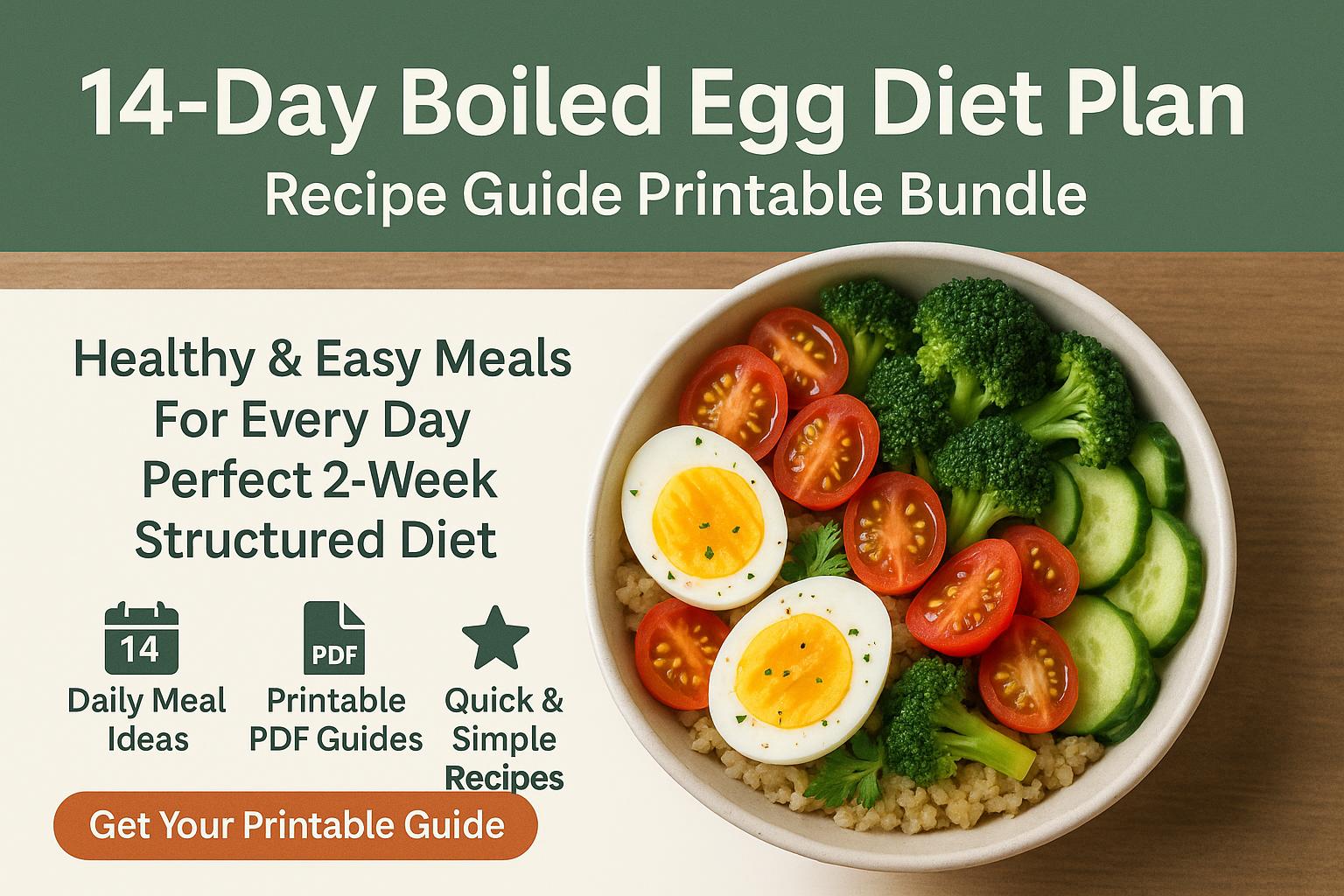
Instant Download! Start Right Away!
Overview of the 7-Day Plan
A typical egg diet lasts from three to fourteen days. The seven-day version strikes a balance between achieving noticeable results and minimizing potential health risks. The basic structure often involves consuming two to three eggs at main meals.
This plan emphasizes high protein and fat intake while drastically reducing carbohydrates. The goal is to shift your body’s primary fuel source. While success stories are common, it is vital to approach this diet with realistic expectations and proper preparation.
What is the Egg Diet?
The foundation of this dietary method lies in utilizing one of nature’s most complete protein sources as the primary fuel. This approach creates a structured framework for short-term nutritional changes.
History and Background
Blogger Jimmy Moore introduced the egg fast concept in 2010. He developed it as a restricted version of ketogenic eating protocols.
The plan evolved from traditional fasting practices into a more structured approach. It maintains the low-carb principles of keto diets while focusing specifically on eggs.
Concept and Core Principles
This eating plan revolves around consuming eggs as your main protein source throughout the day. You typically eat six or more whole eggs daily in meals spaced every three to five hours.
The framework follows a high-fat, moderate-protein, and low-carbohydrate nutritional pattern. You combine eggs with healthy fats and low-carb vegetables for balanced meals.
This strategy creates a significant calorie deficit while preserving muscle mass. The low-carb approach helps deplete glycogen stores rapidly, leading to quick initial results.
Multiple versions of this diet exist, ranging from three-day intensive plans to two-week moderate approaches. Each variation maintains the core principle of egg-centered nutrition.
Nutritional Power of Eggs
When examining the nutritional profile of eggs, their comprehensive health advantages become immediately apparent. This humble food delivers exceptional value in a compact package.


- Cooks 10 eggs in shells to a hard, medium or soft consistency with the 600-watt heater
- Poaching tray with 4-egg capacity and omelet tray with 3-egg capacity
- Brushed stainless steel lid; blue LED indicator, audible alert and standby mode

- MULTI FUNCTIONAL EGG COOKER: The Evoloop egg boiler is ideal for a busy solitary person or family to make hard-boiled eg…
- SIX EGG CAPACITY: Save time and water by cooking up to six eggs to soft, medium, or hard-boiled firmness; this method is…
- EASY TO STORE and SAVES SPACE: The boiled egg cooker measures about 7.6 inches tall and 5.6 inches wide and 8.6 inch len…

- MAKE EGGS 6 WAYS. If you and your family love eggs, you need the world’s most versatile egg cooker in your kitchen. With…
- MAKE 4 EGG BITES, 4 POACHED EGGS OR 9 HARD-BOILED EGGS. Cook up to 4 egg bites or 4 poached eggs in about 10 minutes or …
- PREPARE OMELETS, SCRAMBLED EGGS, FRIED EGGS AND MORE. Built-in 5.25” PFAS-Free nonstick skillet for making omelets, scra…
- HALF COST, HALF TIME, DOUBLE EGGS: Cook 12 eggs at once with our upgraded evoloop egg cooker, stackable design saves spa…
- MULTI FUNCTIONAL EGG COOKER: The Evoloop egg boiler is ideal for a busy solitary person or family to make hard-boiled eg…
- EASY TO STORE and SAVES SPACE: The boiled egg cooker is easy to carry around; The 2-layer design lets you customize it f…

- HALF COST, HALF TIME, DOUBLE EGGS: Cook 12 eggs at once with our upgraded evoloop egg cooker, stackable design saves spa…
- MULTI FUNCTIONAL EGG COOKER: The Evoloop egg boiler is ideal for a busy solitary person or family to make hard-boiled eg…
- EASY TO STORE and SAVES SPACE: The boiled egg cooker is easy to carry around; The 2-layer design lets you customize it f…
Complete Protein and Amino Acids
Eggs provide complete protein containing all nine essential amino acids. Your body cannot produce these on its own. They must come from food sources.
The amino acid profile supports muscle preservation during calorie restriction. This prevents the muscle loss that often accompanies rapid weight reduction.
Protein has a high thermogenic effect. Your body burns 20-30% more calories digesting protein compared to carbs or fats.
| Nutrient | Amount per Large Egg | Health Benefit |
|---|---|---|
| Calories | 78 | Energy source |
| Protein | 6.3 grams | Muscle preservation |
| Fat | 5.3 grams | Satiety and energy |
| Carbohydrates | 0 grams | Low-carb friendly |
Essential Vitamins and Minerals
Eggs contain valuable micronutrients that support overall health. Choline aids brain function and neurotransmitter production. Vitamin D strengthens bones while B12 converts food into usable energy.
“The nutrient density of eggs makes them an ideal foundation for short-term nutritional strategies.”
Egg yolks provide biotin for healthy hair and nails. They also contain lutein and zeaxanthin, antioxidants that protect vision. This combination helps maintain energy levels during dietary changes.
The impressive nutritional package ensures you receive essential vitamins and minerals even while consuming fewer total calories. This supports metabolic function throughout your dietary period.
How Much Weight Can You Lose on Egg Diet in 7 Days?
Results from a week-long commitment to this egg-centered plan depend on multiple personal factors. Your individual experience will differ from others who try the same approach.
Expected Weight Loss Outcomes
While some sources suggest dramatic results, most participants report more moderate changes. The initial drop on the scale often includes significant water weight reduction.
This occurs because the low-carb approach depletes glycogen stores quickly. Your body releases water stored with glycogen, accounting for 2-5 pounds of early loss.
True fat reduction happens more gradually. The high protein intake helps preserve muscle mass while promoting fat burning. This combination supports sustainable body composition changes.
| Factor | Impact on Results | Typical Range |
|---|---|---|
| Starting Weight | Higher initial weight often means greater initial loss | 5-12 pounds |
| Water Weight | Initial rapid loss from glycogen depletion | 2-5 pounds |
| True Fat Loss | Gradual reduction with protein preservation | 3-7 pounds |
| Individual Metabolism | Age, gender, and metabolic rate influence outcomes | Varies significantly |
User Experiences and Considerations
People who follow this nutritional strategy report varied experiences. Some achieve noticeable changes while others find the results more modest.
Your adherence to the plan guidelines significantly affects your outcome. Consistency with meal timing and portion control matters greatly. Remember that these are short-term results rather than permanent solutions.
Planning Your 7-Day Egg Diet
Your journey begins long before the first meal, with crucial steps that set the stage for success. Proper preparation ensures you can adhere to the diet plan safely and effectively, maximizing your potential results.
Meal Preparation Strategies
Before starting, consult a healthcare professional or registered dietitian. This is especially important if you have health conditions.
Batch-cooking is your best friend. Boil a dozen eggs at once and keep them in the fridge. Pre-wash and chop your low-carb vegetables like spinach and bell peppers.
Create a precise shopping list to avoid temptation. Your list should include:
- Plenty of eggs
- Low-carb vegetables (leafy greens, broccoli)
- Lean proteins like chicken breast
- Healthy fats like olive oil and avocado
This plan involves eating around 800-1000 calories per day. Each meal should center on 2-3 eggs paired with approved foods.
Setting Realistic Goals
Aim for a weight loss of 5 to 10 pounds for the week. This is a realistic target for this short-term diet.
Prepare mentally for challenges like hunger and food boredom. Also, plan your transition off the egg diet in advance. Gradually increase calories over 3-5 days to maintain your results.
Sample Egg Diet Meal Plans
Concrete meal examples transform theoretical diet concepts into practical daily routines. Having a structured approach helps you stay on track with your nutritional goals.

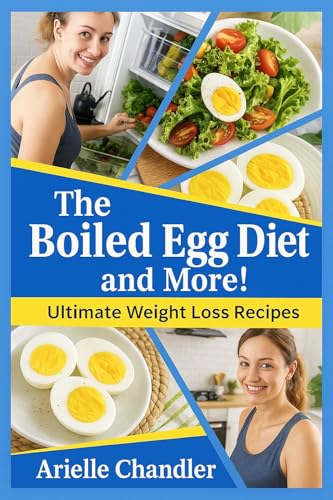
Exploring a 3-Day Sample Meal Plan
This short-term approach gives you a taste of the eating pattern. Your first breakfast might include two slices of whole wheat toast with mashed avocado and sliced boiled eggs.
For lunch, consider one boiled egg with a medium chicken fillet and cauliflower rice. Dinner could feature a substantial salad with grilled chicken breast and avocado.
Each day incorporates different cooking methods to maintain variety. This prevents meal monotony while keeping you within the plan’s guidelines.
Insights into a 7-Day Boiled Egg Diet Plan
A full-week version builds on the three-day foundation with expanded options. The plan typically starts with stricter egg-focused days before introducing more variety.
You’ll gradually incorporate proteins like fish and different vegetable combinations. This progression helps maintain interest throughout the seven-day period.
The strategic design ensures adequate protein intake while controlling total calories. Each meal supports your goals through careful portion planning.
Foods to Include and Avoid
Success on this nutritional plan depends heavily on choosing the right fuel sources. Your food selections directly impact your ability to maintain the required calorie deficit while getting essential nutrients.
Allowed Foods and Nutrient Sources
Beyond the foundation of eggs, you can incorporate various lean protein sources like fish, poultry, and tofu. These options provide variety while maintaining the high-protein foundation crucial for this diet.
Low-carb vegetables form another essential component of approved foods. You can enjoy generous portions of spinach, broccoli, zucchini, and bell peppers. These foods deliver fiber and essential vitamins without excess carbohydrates.
- Select lean proteins like chicken breast and white fish
- Include low-carb fruits such as berries and avocado in moderation
- Use healthy fats like olive oil and nuts sparingly
- Choose whole grains like quinoa only in small amounts
Foods That May Hinder Your Progress
Certain foods can sabotage your results by spiking blood sugar levels. Refined carbohydrates and sugary items prevent your body from entering optimal fat-burning states.
Even seemingly healthy choices like bananas and whole grain bread can disrupt your progress when consumed in quantity. These foods contain carbohydrates that exceed the plan’s limits.
Starchy vegetables like potatoes and corn also fall into the restricted category. Their high carb content contradicts the low-carb approach essential for this eating strategy.
Enhancing Your Diet with Healthy Fats and Vegetables
Building a balanced approach means incorporating essential supporting nutrients alongside your primary protein source. These additions significantly impact both your results and overall well-being during this nutritional period.
Importance of Healthy Oils
Following the guideline of consuming 1 tablespoon of healthy fat per egg ensures proper nutrient absorption. This rule supports hormone production and prevents gallbladder issues during rapid changes.
Olive oil provides heart-healthy monounsaturated fats that enhance vitamin absorption. Coconut oil offers quick-energy medium-chain triglycerides. Avocado oil works well for cooking due to its high smoke point.
Dietary fat doesn’t cause weight gain when consumed properly. It provides satiety and supports cell function. Small amounts of nuts and seeds add minerals that support metabolic health.
Role of Vegetables for Fiber and Nutrients
Low-carb vegetables are essential for preventing constipation during high-protein eating. They deliver fiber while remaining within your carbohydrate intake limits.
Spinach, kale, and broccoli provide folate for cell function and magnesium for nerve health. These foods support electrolyte balance through their potassium content.
The fiber content in non-starchy vegetables means you can enjoy generous portions. This approach enhances your diet without disrupting your nutritional goals. Proper nutrition supports your body throughout this eating plan.
Exercise and Lifestyle Tips on the Egg Diet
Movement and exercise play a crucial role in maximizing the benefits of this structured eating plan. While the nutritional approach creates a calorie deficit, physical activity enhances your results significantly.
Your overall well-being during this period depends on balancing food choices with smart movement strategies. This combination supports sustainable progress.
Incorporating Physical Activity
Moderate exercise works best during this specific diet. Walking, light jogging, or gentle yoga are excellent choices. Intense workouts may feel challenging due to reduced calorie intake.
Aim for 30-60 minutes of activity at least three times weekly. This routine increases your calorie deficit while supporting metabolic health. Resistance training is particularly valuable for preserving lean tissue.
Your energy levels might dip initially as your body adapts. Listen to your body and adjust intensity accordingly. This approach prevents overexertion.
Women naturally lose muscle mass at 3-8% per decade. High protein eating from eggs combined with activity helps maintain metabolic rate. This supports long-term weight management.
Beyond formal exercise, daily movement matters too. Take stairs, park farther away, or do household chores. These activities contribute to total weight loss efforts.
Lifestyle factors like sleep and hydration are equally important. Get 7-9 hours of rest nightly and drink plenty of water. Stress management through meditation also supports your diet success.
A Great Way to Get Started on the Right Foot!
14-Day Boiled Egg Diet Plan
Recipe Guide Printable Bundle
Healthy, easy meals laid out for you day-by-day. A simple two-week structure you can start immediately.
- 14 Daily Meal Ideas
- Printable PDF Guides
- Quick & Simple Recipes
- Instant Download
Instant Download! Start Right Away!
Potential Risks and Considerations
While promising rapid results, this method involves significant nutritional restrictions that pose certain risks. Your initial weight loss may come with temporary side effects as your body adapts to low carbohydrates.
Common challenges include fatigue, headaches, and mood changes. These often stem from the dramatic reduction in your carb intake.
Nutrient Deficiencies and Health Warnings
Following this plan for too long can lead to nutrient gaps. The high level of restriction may cause deficiencies in vital vitamins and minerals.
Some people should avoid this diet entirely. This includes individuals with specific health conditions.
| Health Condition | Primary Reason to Avoid | Potential Complication |
|---|---|---|
| Kidney Disease | High protein load | Strained kidney function |
| Diabetes (on medication) | Risk of hypoglycemia | Dangerously low blood sugar |
| Gallbladder Issues | High fat content | Gallstone pain or attacks |
| Eating Disorder History | Extreme restriction | Triggering unhealthy patterns |
Pregnant or breastfeeding women, children, and teenagers should not attempt this plan. The low calorie intake can disrupt healthy development.
Managing Side Effects and Challenges
If you experience the “keto flu,” increasing electrolyte intake can help. Staying very hydrated is key to preventing constipation.
Listen to your body and stop if symptoms feel severe. This diet is a short-term tool, not a lifelong eating style.
Conclusion
Sustainable health transformations rarely come from extreme short-term interventions alone. The egg diet offers rapid initial weight loss, but these results combine true fat reduction with water weight loss. Your personal outcome depends on many factors.
This diet plan works through calorie restriction and high protein from eggs. It should last no more than seven to fourteen days. Always consult a professional before starting, especially with conditions like diabetes.
Prepare a transition strategy before beginning. Gradually reintroduce foods like lean proteins and complex carbohydrates. This helps maintain your weight loss.
The ultimate goal is building habits for lifelong health. View this diet as a jump-start rather than a complete solution. Lasting change comes from consistent, balanced eating.