
Are you looking for a way to manage your weight effectively? Many people find success with a popular program built around a powerful, simple food. This plan uses eggs as its main protein source. It’s designed to help you shed pounds quickly while preserving muscle.
The core idea is a low-calorie, high-protein approach. You build at least one meal each day around this nutritious food. The plan gained significant attention online starting around 2010. It is not a rigid, one-size-fits-all book plan but a flexible framework.
You can choose from several versions of this strategy. Some are very strict, focusing almost entirely on eggs. Others are more flexible, allowing lean proteins and vegetables. This adaptability lets you tailor the program to your specific health and weight loss objectives.
Key Takeaways
- The egg diet is a high-protein, low-calorie plan centered around consuming eggs to promote rapid weight loss.
- It is not a single rigid diet but a flexible framework with multiple adaptable versions.
- Eggs serve as the primary protein source, providing essential nutrients to help preserve muscle mass.
- Different versions range from strict, egg-focused plans to more flexible approaches including other lean foods.
- The program’s popularity stems from its potential for quick results, but choosing the right variation is crucial for your goals.
- This strategy can be customized for objectives like fat loss, muscle maintenance, or improving metabolic health.
- Understanding the differences between each version helps you select the most suitable and sustainable approach for your needs.
Introduction to the Egg Diet
Embarking on a structured eating plan requires understanding its core principles and framework. This nutritional strategy centers around a specific food source while following particular guidelines.
What is the Egg Diet?
The egg diet is a high-protein, low-carbohydrate approach to eating. It focuses on eggs as the primary source of protein while restricting calories significantly.
This eating plan eliminates many common foods. You cannot consume starchy carbohydrates like potatoes, rice, or bread. Sugary items and high-calorie beverages are also prohibited.
Different versions of this strategy exist. Some are extremely restrictive, focusing almost entirely on eggs. Others allow limited additions like lean proteins and non-starchy vegetables.
A Great Way to Get Started on the Right Foot!
14-Day Boiled Egg Diet Plan
Recipe Guide Printable Bundle
Healthy, easy meals laid out for you day-by-day. A simple two-week structure you can start immediately.
- 14 Daily Meal Ideas
- Printable PDF Guides
- Quick & Simple Recipes
- Instant Download
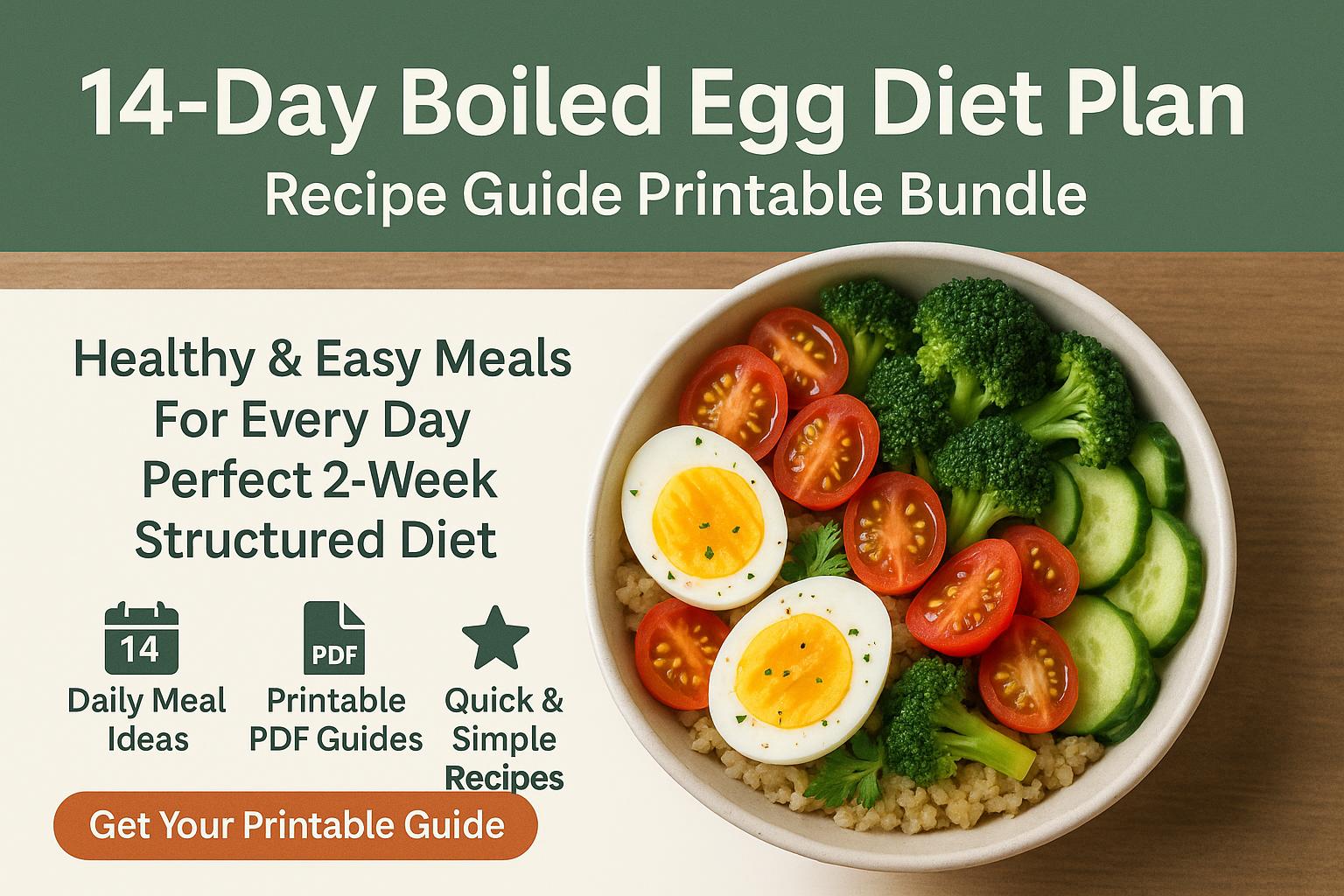
Instant Download! Start Right Away!
Fad Versus Sustainable Approaches
Many people seek quick solutions to lose weight. However, temporary fixes often lead to disappointing long-term results.
Sustainable weight management requires more than short-term restrictions; it demands lifestyle changes that you can maintain indefinitely.
Consider this comparison when evaluating any eating strategy:
| Fad Diet Characteristics | Sustainable Approach Features |
|---|---|
| Extreme calorie restriction | Moderate, manageable reductions |
| Eliminates entire food groups | Balanced nutritional intake |
| Promises rapid results | Focuses on gradual progress |
| Difficult to maintain long-term | Adaptable to daily life |
While the egg diet can help you lose weight quickly, consider whether it fits your long-term health goals. Consulting healthcare professionals before starting any new eating plan is always recommended.
Overview of Nutritional Benefits and Considerations
Eggs pack a serious nutritional punch, but relying on them heavily comes with important considerations. Understanding both the strengths and weaknesses of this food is key to using it effectively in your eating plan.
Key Nutrients Found in Eggs
A single egg delivers an impressive range of essential nutrients. It is a complete protein source, providing all nine amino acids your body needs.
You get a significant percentage of your daily intake for selenium, vitamin B12, and riboflavin from just one serving. These vitamins and minerals support everything from energy production to immune function.
Additional benefits of eating eggs include compounds like choline for brain health and lutein for eye health. This makes eggs one of the most nutrient-dense food sources available.
Common Limitations and Risks
Despite their rich profile, eggs have critical gaps. They contain zero grams of dietary fiber, which is essential for digestive health.
Another major concern is calcium. Your body requires over 1,000 milligrams daily, but a large egg provides only about 24 milligrams. This can be a risk for bone density on a restrictive plan.
It’s vital to recognize these limitations. A diet focused primarily on eggs may not provide all the nutrients you need for long-term wellness.

- Cooks 10 eggs in shells to a hard, medium or soft consistency with the 600-watt heater
- Poaching tray with 4-egg capacity and omelet tray with 3-egg capacity
- Brushed stainless steel lid; blue LED indicator, audible alert and standby mode

- MULTI FUNCTIONAL EGG COOKER: The Evoloop egg boiler is ideal for a busy solitary person or family to make hard-boiled eg…
- SIX EGG CAPACITY: Save time and water by cooking up to six eggs to soft, medium, or hard-boiled firmness; this method is…
- EASY TO STORE and SAVES SPACE: The boiled egg cooker measures about 7.6 inches tall and 5.6 inches wide and 8.6 inch len…

- MAKE EGGS 6 WAYS. If you and your family love eggs, you need the world’s most versatile egg cooker in your kitchen. With…
- MAKE 4 EGG BITES, 4 POACHED EGGS OR 9 HARD-BOILED EGGS. Cook up to 4 egg bites or 4 poached eggs in about 10 minutes or …
- PREPARE OMELETS, SCRAMBLED EGGS, FRIED EGGS AND MORE. Built-in 5.25” PFAS-Free nonstick skillet for making omelets, scra…
- HALF COST, HALF TIME, DOUBLE EGGS: Cook 12 eggs at once with our upgraded evoloop egg cooker, stackable design saves spa…
- MULTI FUNCTIONAL EGG COOKER: The Evoloop egg boiler is ideal for a busy solitary person or family to make hard-boiled eg…
- EASY TO STORE and SAVES SPACE: The boiled egg cooker is easy to carry around; The 2-layer design lets you customize it f…

- HALF COST, HALF TIME, DOUBLE EGGS: Cook 12 eggs at once with our upgraded evoloop egg cooker, stackable design saves spa…
- MULTI FUNCTIONAL EGG COOKER: The Evoloop egg boiler is ideal for a busy solitary person or family to make hard-boiled eg…
- EASY TO STORE and SAVES SPACE: The boiled egg cooker is easy to carry around; The 2-layer design lets you customize it f…
Variations of the Egg Diet for Different Goals
Choosing the right approach to an egg-based eating strategy depends heavily on your personal objectives. Each version serves distinct purposes, from rapid fat reduction to sustained wellness improvements.
Weight Loss Applications
The primary focus of most egg-centric plans is helping you lose weight quickly. These programs create a significant calorie deficit while providing ample protein.
High-protein intake helps preserve muscle mass during fat loss. Research shows this approach can prevent metabolic issues like obesity and type 2 diabetes.
Some people achieve dramatic results. Actor Adrien Brody lost 30 pounds in six weeks using eggs as his main protein source.
Customized Health Objectives
You can tailor your egg-focused plan to target specific health goals. Options range from cardiovascular improvement to blood sugar management.
Your age, sex, activity level, and current health status determine which approach works best. More restrictive versions suit short-term objectives, while flexible plans support long-term wellness.
Charles Saatchi’s extreme approach of nine eggs daily for nine months demonstrates how intensity affects outcomes. His 70-pound loss shows the potential of dedicated adherence.
Traditional Egg Diet: Structure and Expectations
The most balanced approach to egg-centric nutrition follows specific meal timing and food selection rules. This version provides a clear framework for organizing your daily eating pattern.
Meal Guidelines and Daily Structure
You follow three structured meals each day with no snacks allowed. This plan emphasizes timing and specific food combinations.
Your daily intake focuses on eggs as the primary protein source. You combine them with carefully selected lean protein options and low-carb vegetables.
| Meal | Food Components | Timing Guidelines |
|---|---|---|
| Breakfast | Two eggs + low-carb vegetable | Morning start |
| Lunch | Lean protein + green salad | Midday meal |
| Dinner | Eggs or lean protein + vegetables | 3 hours before bed |
This approach is often called the boiled egg diet. It requires hard-boiled preparation to avoid extra calories from cooking fats.
Most people follow this eating plan for three to five days initially. Some extend it to one or two weeks based on their weight loss goals.
You stop eating three hours before bedtime. This creates a natural fasting period that enhances fat burning overnight.
The plan eliminates starchy carbohydrates like pasta and bread. It allows 1-2 fruit servings daily with unlimited low-carb vegetables.
Egg and Grapefruit Diet: A Metabolic Boost
The egg and grapefruit pairing creates a unique metabolic advantage. This approach combines two powerful foods for enhanced fat burning. You follow this plan for exactly 14 days.
Each meal includes half a grapefruit with your protein source. No other fruits are allowed during this program. The citrus fruit works with eggs to accelerate results.
Role of Grapefruit in Fat Burning
Grapefruit contains natural acids and fat-burning enzymes. These compounds help your body break down stored fat more efficiently. When combined with high-protein eggs, the effect multiplies.
Your daily structure remains simple and effective. For breakfast, eat two eggs with half a grapefruit. Lunch features lean protein with vegetables like spinach plus grapefruit. Dinner follows the same pattern with fish or eggs.
This combination has historical credibility. The Hollywood diet centered on grapefruit since the 1930s. Celebrities used it for quick weight loss results.
The synergy between these foods supports your energy levels while promoting fat loss. You maintain muscle mass thanks to the protein content. This makes the approach more balanced than extreme plans.
Extreme Egg Diet: Risks and Rewards
Among all egg-focused eating strategies, there exists a version that pushes nutritional boundaries to their absolute limit. This approach represents the most restrictive form of the program, where you consume only hard-boiled eggs and water for two full weeks.

Nutrition experts consistently warn against this mono-food approach. Eating just one type of food for an extended period inevitably leads to serious nutritional deficiencies.
Nutritional Deficiencies and Safety Concerns
Your body faces significant challenges on this extreme plan. The complete absence of dietary fiber creates digestive problems and affects regularity.
Calcium deficiency becomes a major concern for bone density. This risk is particularly serious for post-menopausal women who already face higher osteoporosis risks.
The low-calorie nature of this eating pattern leaves you without enough energy for regular workouts. This can slow your metabolism and make long-term weight maintenance more difficult.
While rapid initial weight loss may occur, the severe limitations and health effects make this approach unsafe. Most nutrition professionals strongly advise against attempting this restrictive version.
Egg Diet in a Ketogenic Framework
Merging egg-based nutrition with ketogenic principles creates a powerful metabolic shift. This approach combines the high-protein benefits of eggs with the fat-burning potential of keto eating.
You fundamentally change how your body generates energy. Instead of relying on carbohydrates, your system learns to burn stored fat for fuel.
Integrating Healthy Fats for Energy
The ketogenic version follows a specific ratio for optimal results. Many people use one tablespoon of healthy fat per egg consumed.
Butter and cheese become your primary fat sources. This combination helps trigger ketone production in your body.
Your energy levels may fluctuate during the initial adaptation phase. The high-fat intake supports sustained energy once ketosis begins.
Achieving Ketosis Safely
Ketosis occurs when carbohydrate intake drops dramatically. Your body breaks down fats into ketones for energy production.
This process can benefit people with insulin-related conditions. Jimmy Moore successfully used this approach to manage hyperinsulinemia.
Be aware of potential side effects during adaptation. You might experience fatigue, headaches, or digestive changes.
Stay hydrated and monitor your protein intake. These strategies help minimize discomfort while your body adjusts to burning fat for energy.
Balancing Essential Nutrients on an Egg Diet
Your body’s nutritional needs extend beyond what any single food can provide, making supplementation essential. Even highly nutritious options like eggs cannot supply all the vitamins and minerals required for optimal function.
Current USDA dietary guidelines emphasize variety across multiple food groups. These recommendations include beans, legumes, dairy, whole fruits, grains, nuts, seeds, and diverse vegetables.
Supplementing with Vegetables and Lean Proteins
Low-carbohydrate vegetables like kale, broccoli, and spinach fill critical nutritional gaps. They provide dietary fiber that eggs completely lack, supporting digestive health.
These plant-based foods also supply additional calcium for bone strength. They offer a broader spectrum of vitamins and minerals than eggs alone can provide.
Incorporating lean proteins such as grilled chicken, fish, and turkey creates dietary variety. This approach maintains the high-protein, low-carb structure while preventing monotony.
More flexible versions of this eating strategy are significantly healthier than extreme approaches. They provide better nutritional balance while still supporting weight management goals.
Strategic supplementation reduces health risks associated with restrictive plans. It improves your chances of maintaining results without severe nutrient deficiencies.
Practical Meal Planning for Egg Diets
Putting your meal plan into action is the most crucial step for success. A clear weekly guide helps you stay on track and ensures nutritional balance.
This approach focuses on variety within the program’s rules. You avoid boredom while maintaining the required protein and vegetable intake.
Sample Menus and Daily Meal Ideas
Your weekly plan includes three meals per day. Each features a lean protein source and low-carb vegetables.
For example, Day 1 breakfast could be two eggs with grapefruit and asparagus. Lunch might be baked fish with broccoli. Dinner could be chicken with mushrooms and spinach.
You eat at least one egg-based meal each day. The other meals use options like fish, turkey, or lean beef.

Vary your egg preparation methods. Try boiled, poached, or scrambled styles. This keeps your eating experience fresh and enjoyable.
Always add generous portions of approved vegetables. Options like broccoli, kale, and asparagus add volume and nutrients.
A Great Way to Get Started on the Right Foot!
14-Day Boiled Egg Diet Plan
Recipe Guide Printable Bundle
Healthy, easy meals laid out for you day-by-day. A simple two-week structure you can start immediately.
- 14 Daily Meal Ideas
- Printable PDF Guides
- Quick & Simple Recipes
- Instant Download
Instant Download! Start Right Away!
Meal Timing Strategies
Eat your three meals at regular intervals. Do not snack between these scheduled meal times.
Your first meal of the day, breakfast, is important. It often features two eggs to start your day with high-quality protein.
Finish your last meal at least three hours before bedtime. This creates a natural overnight fasting period.
This timing strategy helps enhance fat burning while you sleep. It is a key part of the plan for maximizing results.
Prepare foods using healthy methods. Steaming, grilling, and baking help keep calories low. Plan your meals ahead to make sticking to the diet easier.
Lifestyle Factors for Effective Dieting
Achieving lasting success with any nutritional strategy involves more than just what you put on your plate. Your overall health and ability to maintain weight loss are deeply influenced by other daily habits.
Exercise, sleep, and stress management are crucial pillars. They work together with your eating plan to determine your long-term results.
Importance of Exercise
Physical activity is vital when you are trying to lose weight. It helps your body burn fat more efficiently.
Exercise preserves precious muscle mass during weight loss. This prevents your metabolism from slowing down.
Regular movement ensures the loss comes from fat stores, not lean tissue. This is key for a toned appearance and sustained energy.
Long-term Sustainability Strategies
Many diets produce quick results but are hard to follow over time. This risk of regaining weight is high when people return to old habits.
The best diet is always the one that is balanced and fits your lifestyle.
For lasting health, consider transitioning to flexible patterns like the Mediterranean diet. Focus on sustainable changes: eat more fruits and vegetables, and reduce processed foods.
This approach builds a positive relationship with food. It supports both your physical and mental well-being for a lifetime.
Conclusion
Sustainable wellness emerges from balanced eating patterns rather than extreme limitations. While restrictive approaches may offer quick weight loss, they rarely provide lasting results for most people.
Eggs deliver excellent protein and support heart health, but they work best within a varied diet. Incorporating lean proteins and diverse vegetables creates nutritional balance that supports long-term wellbeing.
The most effective plan for your health focuses on sustainable habits. Consult healthcare providers before starting any new eating strategy to ensure it meets your individual needs.