
Mornings can feel rushed when you have a packed schedule. Preparing nutritious food often gets pushed aside. But what if you could start your day with a satisfying breakfast that fuels your body and saves time?
This approach centers around a powerful protein source that’s both versatile and budget-friendly. You can create multiple servings in one session. Then enjoy them throughout your week without daily cooking.
Our guide shows you practical strategies for people with demanding lives. You’ll learn proper storage methods and quick reheating techniques. These methods preserve both flavor and nutritional benefits.
Implementing these techniques brings multiple advantages. You reduce morning stress and minimize food waste. You also save money by avoiding expensive takeout options. Most importantly, you ensure consistent access to wholesome nourishment.
Key Takeaways
- Transform hectic mornings with efficient preparation methods
- Leverage affordable protein sources for nutritional benefits
- Prepare multiple servings during one cooking session
- Master proper storage and quick reheating techniques
- Reduce food waste and save money on takeout meals
- Maintain consistency with health goals despite busy schedules
- Enjoy versatile options for different times of day
Introduction: Simplify Your Nutrition with Egg-Based Meal Preps
Nutrition shouldn’t be complicated, especially when time is limited. You can transform your approach to morning nourishment by embracing preparation strategies that deliver complete protein and essential nutrients.
A single medium boiled option contains approximately 5.5 grams of protein. This contributes about 10-12% of your daily recommended intake. It also provides vital vitamins and minerals like vitamin D, lutein, and choline.
This food source contains all nine essential amino acids, making it a complete protein for muscle maintenance and energy production. The flexibility of preparation allows you to create batches during free periods.
| Nutrient | Amount per Medium Serving | Daily Value % | Key Benefits |
|---|---|---|---|
| Protein | 5.5 grams | 10-12% | Muscle maintenance |
| Vitamin D | 41 IU | 6% | Bone health |
| Choline | 147 mg | 27% | Brain function |
| Lutein | 252 mcg | N/A | Eye health |
Dedicate just one or two hours on weekends to preparation. You’ll eliminate daily cooking stress while ensuring balanced nourishment. These options keep you fuller longer than carbohydrate-heavy alternatives.
You maintain steady energy levels and avoid mid-morning crashes. The portability and quick reheating make these solutions ideal for demanding schedules. Customization accommodates various dietary preferences effortlessly.
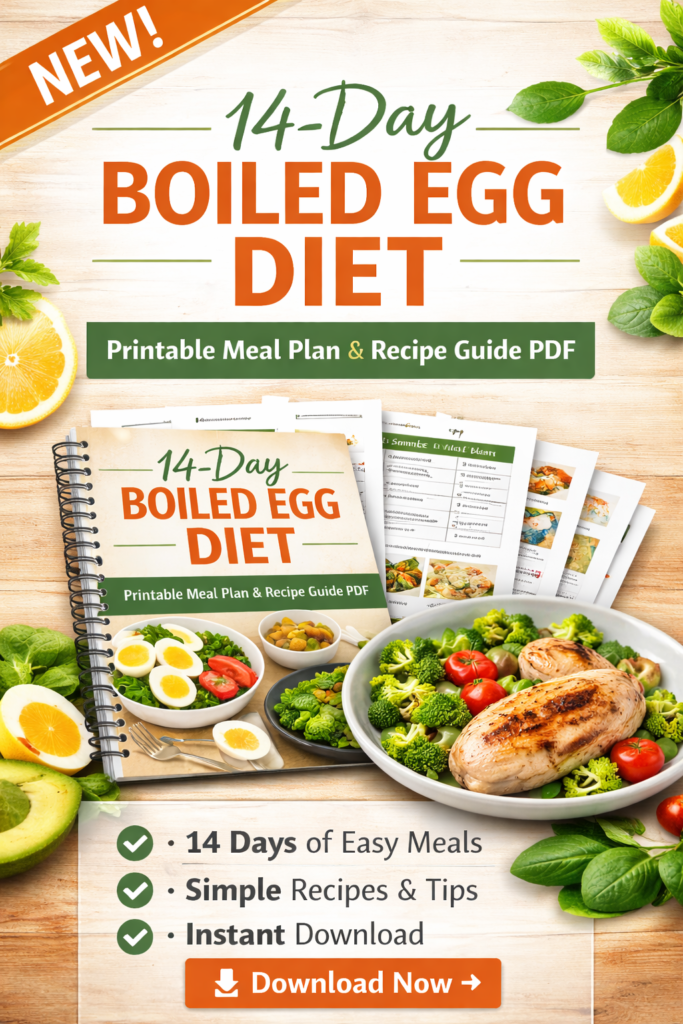
14-Day Boiled Egg Diet Plan + Recipe Guide | Printable Meal Planner, Grocery List, Recipe Cards, Weight Loss PDF Bundle
Benefits of the Egg Diet for Busy Individuals
Maintaining nutritional consistency becomes simpler when you center your approach around versatile ingredients. This strategy offers multiple advantages for those with demanding schedules.
The high protein content helps you feel full for extended periods. This reduces the need for frequent snacks throughout your day. You can focus on your tasks without constant food interruptions.
Research demonstrates impressive body composition benefits. A 2018 study showed consuming three eggs daily for 12 weeks helped people lose weight while preserving lean muscle. This is crucial when exercise time is limited.
Combining these protein-rich foods with fiber-packed vegetables creates balanced meals. They stabilize blood sugar levels and provide sustained energy. Antioxidants from colorful produce support overall health.
This approach simplifies your nutrition without complicated tracking. You save both time and money compared to specialty diet plans. The natural calorie reduction occurs without leaving you hungry.
Following this pattern ensures adequate protein intake every day. This supports hormone production, tissue repair, and cognitive function. You maintain your health goals despite a packed schedule.
How to Prepare Egg-Based Meals for Breakfast
Starting your day with a prepared breakfast can completely change your morning routine. Batch cooking on the weekend gives you grab-and-go options all week long. You save precious minutes every morning while still enjoying a nutritious start.
These methods are simple and highly adaptable. You can use whatever ingredients you have on hand.
Customizable Egg Muffin Cups and Veggie-Packed Egg Bake
Whisk together a dozen of your main ingredient with a splash of milk. Pour the mixture into a greased muffin tin. Add your favorite chopped veggies, cheese, or pre-cooked chicken.
Bake them for about 20 minutes. These muffin cups are perfect for a quick, protein-rich breakfast. They store beautifully in the fridge for days.
For a heartier option, try a veggie-packed bake. Use a large baking dish for this recipe. Combine your base with plenty of colorful vegetables and a protein source like turkey sausage.
Bake until set. This dish reheats wonderfully without losing moisture. It provides a balanced meal with plenty of fiber.
Sheet Pan Breakfast Hash and Egg Fried Rice Bowls
A sheet pan hash simplifies cleanup. Chop potatoes, onions, and bell peppers. Toss them with oil and roast until tender.
Then, crack your key ingredient directly over the veggies. Return the pan to the oven for a few more minutes. You get a complete meal on one tray.
For a different twist, make a breakfast fried rice. Use day-old rice or quinoa for a fiber boost. Sauté onions, carrots, and peas.
Scramble in your protein source and season lightly. This savory bowl is a satisfying and unique morning option. All these recipes offer maximum flexibility for your weekly plan.
Quick and Easy Egg Meal Prep Recipes
Efficient meal preparation doesn’t require complex recipes or lengthy ingredient lists. You can create satisfying breakfast options using straightforward methods that deliver excellent results.
Focus on recipes that work with what you already have in your kitchen. This approach saves both time and money while ensuring nutritional consistency.
Minimal Ingredients, Maximum Nutrition
Simple combinations often yield the best results. Combine your main ingredient with colorful vegetables and lean protein sources.
Choose nutrient-dense additions like spinach, bell peppers, and mushrooms. These complement the complete protein profile beautifully. You get balanced nutrition from just 5-7 core components.
Time-Saving Cooking Techniques
Master a few basic methods to streamline your preparation. Baking, scrambling, and sheet pan roasting work wonderfully for batch cooking.
Prepare vegetables in advance and use pre-cooked proteins when available. Cook multiple recipes simultaneously to maximize efficiency. These techniques transform your meal prep from hours to minutes.
The adaptability of these recipes allows for easy substitutions. You can customize based on seasonal availability without compromising quality.
Egg Diet Meal Prep Ideas for Busy Individuals
Creating a sustainable morning routine starts with practical preparation strategies. Select two or three core recipes that you genuinely enjoy eating. Prepare these in bulk during your least busy day each week.
Rotate your selections weekly to maintain variety without overwhelming your schedule. This approach prevents breakfast boredom while keeping your nutrition consistent.
The most successful preparations focus on recipes that scale well and store properly. Choose options that maintain their texture after reheating. Some dishes can be eaten at various temperatures depending on your circumstances.
Consider preparing a combination of portable choices. Include hearty casseroles and versatile components that work in different meals. This gives you flexibility throughout your week.
Your specific daily routine should guide your selections. If you eat at your desk, focus on one-handed options. When microwave access is available, you can prepare more elaborate dishes.
Successful preparation includes making base components separately. Cook vegetables, boil your main ingredient, and prepare protein sources in advance. Then mix and match for different flavor combinations throughout the week.
The best preparations fit seamlessly into your existing kitchen workflow. They use equipment you already own without requiring new cooking techniques. This makes the process feel natural rather than complicated.
Start with just one or two simple ideas. Gradually expand your repertoire as you gain confidence. You’ll build a sustainable healthy breakfast routine without feeling overwhelmed.
Mediterranean Egg Wraps: A Global Twist
Mediterranean-inspired wraps bring restaurant-quality sophistication to your morning meal prep. This flavorful breakfast option combines scrambled eggs with vibrant ingredients like spinach, cherry tomatoes, and briny olives.
The addition of feta cheese creates a perfect balance of creamy and salty flavors. You can use whole-grain or low-carb tortillas based on your nutritional preferences. This versatile recipe adapts easily to what you have available.
These wraps deliver impressive nutritional benefits in every bite. You get healthy fats from olives and complete protein from the combination of eggs and cheese. The fiber content helps maintain steady energy throughout your morning.
Preparation is straightforward and efficient for weekly planning. Simply scramble your base ingredient with the vegetables and cheese. Fill tortillas tightly and optionally grill them for extra texture.
Make several wraps in advance wrapped in foil or parchment paper. They store beautifully in the refrigerator for quick reheating. This grab-and-go solution works for breakfast, lunch, or dinner.
The Mediterranean flavor profile offers a refreshing change from routine options. It introduces beneficial ingredients many people don’t regularly consume. These wraps ensure you have a sophisticated choice available even on hectic days.
Sweet Potato and Egg Breakfast Tacos for a Colorful Start
Brighten your daybreak with a colorful combination that combines the natural sweetness of roasted tubers with protein-rich scrambled fillings. These vibrant tacos deliver visual appeal and substantial nourishment to kickstart your day effectively.
Prepare this satisfying breakfast by roasting diced sweet potatoes with olive oil, cumin, and paprika until tender. Scramble eggs separately, then layer both components onto small corn tortillas. Add optional toppings like avocado slices, salsa, or shredded cheese for extra flavor.
The nutritional profile of this recipe provides excellent balance. Sweet potatoes offer complex carbohydrates for sustained energy throughout your morning. They’re exceptionally high in vitamin A, supporting immune function and vision health.
| Component | Key Nutrient | Health Benefit | Preparation Tip |
|---|---|---|---|
| Sweet Potatoes | Vitamin A | Immune support | Roast with spices |
| Eggs | Complete Protein | Muscle maintenance | Scramble separately |
| Corn Tortillas | Fiber | Digestive health | Warm before serving |
| Avocado | Healthy Fats | Heart health | Add fresh before eating |
Store components separately to maintain texture and freshness. This prevents tortillas from becoming soggy while allowing quick assembly each morning. The recipe scales beautifully for weekly preparation.
These naturally gluten-free tacos accommodate various dietary needs while providing a perfect macronutrient balance. They ensure you begin your day with both visual appeal and nutritional excellence.
Using Egg Whites for a Healthier Option
Making smart ingredient swaps can transform your favorite recipes into healthier versions without sacrificing satisfaction. This approach allows you to maintain high protein levels while reducing certain nutritional components.
Balancing Flavor and Nutrition
When using only egg whites, you gain the benefit of reduced fat and cholesterol content. However, yolks contain valuable nutrients like vitamins A, D, E, and choline.
A balanced approach combines whole eggs with additional egg whites. This maintains creamy texture and rich flavor while lightening the dish. The combination preserves nutritional benefits from both components.
Substituting Whole Eggs with Egg Whites
For most preparations, use two egg whites to replace one whole egg. This substitution works well in recipes with flavorful additions like vegetables and seasonings.
When making muffin cups, try using six whole eggs plus four egg whites instead of ten whole eggs. This reduces fat by approximately 30% while maintaining protein content.
This flexible option lets you customize any recipe to meet your specific health goals. You create dishes that support cardiovascular wellness without compromising taste.
Incorporating Protein-Rich Sausage and Cheese in Egg Dishes
Savory ingredients like sausage and cheese offer a powerful way to boost both flavor and staying power in your breakfast preparations. These additions transform simple dishes into satisfying morning feasts that keep you energized for hours.
Choosing Lean Meats and Low-Fat Cheese
When selecting sausage for your dishes, opt for lean options like turkey or chicken varieties. These choices provide excellent protein content with significantly less saturated fat than traditional pork sausage. Turkey sausage typically delivers 6-8 grams of protein per link.
Cook and crumble your sausage thoroughly before adding it to egg mixtures. This allows you to drain excess fat and ensures even distribution throughout your preparation. The technique works perfectly for bakes, muffin cups, and scrambles.
For cheese selections, consider reduced-fat cheddar, part-skim mozzarella, or feta. These options provide calcium and additional protein without excessive calories. Use cheese as a flavor accent rather than a primary ingredient.
| Protein Option | Protein Content | Fat Content | Best Preparation Method |
|---|---|---|---|
| Turkey Sausage | 6-8g per link | Low | Cook and crumble |
| Chicken Sausage | 7-9g per link | Low | Slice and sauté |
| Reduced-Fat Cheddar | 7g per ounce | Reduced | Shred and sprinkle |
| Part-Skim Mozzarella | 6g per ounce | Reduced | Cube or shred |
The combination creates restaurant-quality breakfasts you can prepare in bulk. For vegetarian options, substitute plant-based sausage alternatives or add black beans. These provide both protein and fiber while complementing the other ingredients beautifully.
Adding Vegetables and Fiber to Your Egg Meals
Elevating your breakfast’s nutritional profile is simple when you focus on incorporating vibrant vegetables. These additions bring essential fiber, vitamins, and antioxidants to your plate. They create more satisfying and balanced meals.
This approach helps stabilize your energy levels throughout the morning. The combination of protein and fiber works together to prevent blood sugar spikes. You feel fuller for longer without adding many calories.

Integrating Spinach, Broccoli, and Peppers
Spinach is a fantastic choice for your dishes. It provides iron and vitamin K while wilting perfectly during cooking. Always squeeze frozen spinach dry to avoid excess moisture.
Chopped broccoli adds a great crunch and valuable nutrients. Pre-cook it slightly for even distribution in bakes and frittatas. This vegetable is packed with vitamin C and beneficial plant compounds.
Colorful bell peppers offer sweetness and a firm texture. They contribute vitamin A and antioxidants to your foods. Their bright colors make your meals visually appealing.
For the best results, sauté watery veggies like mushrooms before adding them. This step prevents your final dish from becoming soggy. You maintain perfect texture after reheating.
Combining these veggies creates a powerful nutritional synergy. A mix of spinach, broccoli, and peppers covers a wide range of health benefits. Your breakfast becomes a true powerhouse of nourishment.
Meal Prepping Strategies: Save Time in Minutes
A well-executed strategy transforms cooking from a daily chore into a weekly victory. You can save significant time by dedicating just one day per week to preparing multiple servings. This approach provides nutritious foods for your entire week.
Effective Batch Cooking Tips
Maximize your efficiency by preparing similar items simultaneously. While a casserole bakes, you can prepare muffin cups for the second oven rack. Complete all your chopping first, then move through cooking processes systematically.
This organized plan ensures you use your time wisely. You avoid completing one recipe entirely before starting another. The result is a full breakfast lineup ready in a single session.
Proper Storage for Long-Lasting Freshness
Correct storage is critical for maintaining quality and safety. Your prepared meal items should be stored in airtight containers in the fridge. Consume them within five to six days for optimal freshness.
Always allow cooked foods to cool completely before sealing containers. This prevents steam buildup that can create sogginess. For longer storage, many items freeze beautifully for up to a month.
| Storage Method | Recommended Duration | Key Consideration | Best For |
|---|---|---|---|
| Refrigeration | 5-6 days | Cool completely first | Weekly plan |
| Freezing | Up to 1 month | Use freezer-safe containers | Emergency breakfast options |
| Portable Containers | N/A | Label with preparation day | Taking meal to work |
Labeling containers with dates helps you track freshness. Invest in quality containers with secure lids. This simple step ensures you always enjoy your foods at their peak.
Combining Eggs with Other Protein Sources
Building complete protein profiles in your breakfast dishes becomes effortless when you combine different sources strategically. This approach enhances both flavor and nutritional value.
You can create more substantial, satisfying dishes by pairing your base ingredient with additional protein choices. This increases total protein content and adds variety to your routine.
Chicken, Fish, and Alternative Proteins
Cooked chicken breast works exceptionally well in various preparations. You can dice leftover rotisserie chicken or prepare grilled chicken specifically for your weekly plan.
Fish options like smoked salmon or canned tuna provide omega-3 fatty acids along with protein. These create nutritionally superior dishes that support heart health.
Turkey, pork tenderloin, and sirloin are lean meat options that complement your dishes beautifully. Avoid heavily processed meats when following stricter versions.
Plant-based alternatives like black beans or tofu deliver complete protein profiles with substantial fiber. This vegetarian option ensures diverse nutrients from different sources.
By varying your protein additions throughout the week, you prevent monotony while ensuring nutritional diversity. The combination typically provides 25-35 grams of protein per serving.
Nutritional Breakdown and Health Benefits
Understanding the nutritional composition of your breakfast choices reveals powerful health advantages that support your daily energy needs. Each serving provides substantial protein content ranging from 14-20 grams, with calorie counts typically between 170-250.
Your muffin cup option contains approximately 188 calories and 14 grams of protein. It offers only 4 grams of carbohydrates with 3 grams of natural sugars and 1 gram of fiber. This creates an excellent low-carb option.
Veggie-packed bakes deliver about 179 calories and 17 grams of protein per piece. They contain 8 grams of carbohydrates including 2 grams of sugars and 1 gram of fiber. This balanced nutrition supports stable blood sugar throughout your morning.
The naturally low sugar content makes these preparations ideal for managing blood sugar issues. When you add vegetables, you increase the fiber content to 3-5 grams per serving. This combination provides sustained energy without spikes.
Recent research shows dietary cholesterol has minimal impact on blood cholesterol for most people. The overall nutritional profile outweighs any concerns. By consuming these preparations each day, you ensure consistent protein intake that supports muscle maintenance and stable energy levels.
Creative Variations to Keep Your Meals Exciting
The secret to long-term success with any eating plan lies in preventing flavor fatigue through smart variations. You can transform your standard preparations into exciting new creations with simple ingredient swaps and international flavors.
Try themed weeks focusing on different cuisines. Mediterranean flavors might include feta and olives. Mexican week could feature salsa and avocado. Italian versions work well with marinara and mozzarella.
Various eating patterns exist, from grapefruit combinations to more restrictive approaches. Most nutrition experts recommend balanced versions incorporating vegetables and whole foods.
Sweet breakfast options provide delightful alternatives. Consider pancakes or French toast preparations using your base ingredient. Custard-style bakes with cinnamon offer satisfying variety.
| Variation Method | Key Ingredients | Preparation Time | Flavor Profile |
|---|---|---|---|
| Themed Cuisine Week | International spices, cheeses | Same as standard | Global tastes |
| Sweet Alternatives | Cinnamon, natural sweeteners | 5 minutes extra | Dessert-inspired |
| Topping Rotation | Hot sauce, pesto, salsa | Instant variety | Daily changes |
| Cooking Method Switch | Different pans, vessels | Varies slightly | Texture variations |
Experiment with different cooking vessels for texture variety. Muffin tins create individual portions. Sheet pans allow one-dish preparations. Slow cookers can work overnight.
Many people find success preparing a plain base mixture. Divide it into containers with different mix-ins. This creates multiple flavor combinations from one cooking session.
Creative variations don’t need complexity. Changing vegetable combinations or alternating cheese varieties keeps things interesting. Simple herb and spice rotations work wonderfully.
Adapting Recipes for Every Meal: Breakfast, Lunch, and Dinner
Transform your entire day’s nutrition with versatile dishes that work for any occasion. The same preparation can serve multiple purposes with simple adjustments. This approach maximizes your cooking efficiency throughout the week.
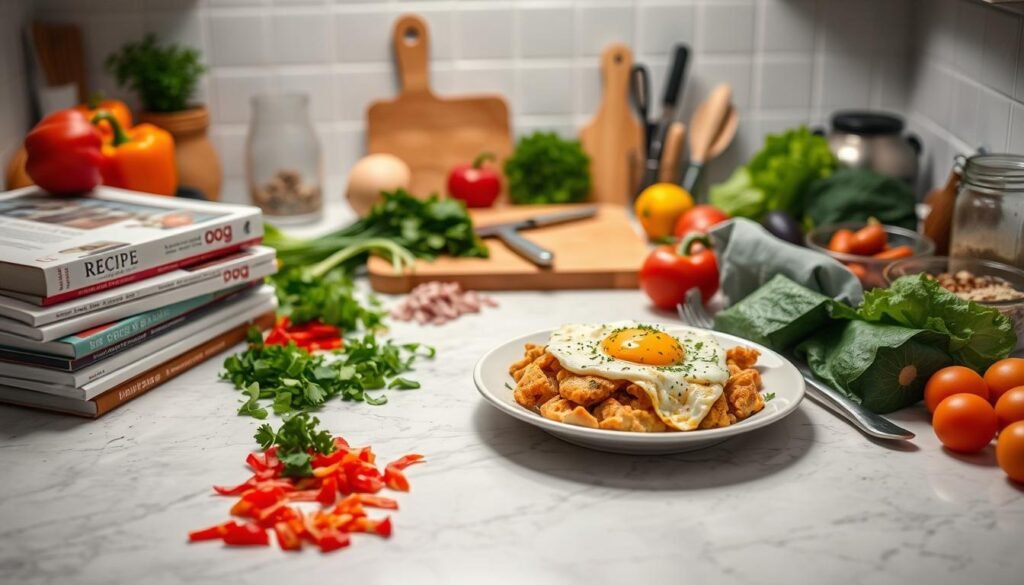
Your veggie-packed bake becomes a perfect foundation for all three main meals. Serve it with fresh fruit to start your day strong. For lunch, pair it with a crisp side salad. At dinner, accompany it with roasted vegetables or quinoa.
Using Leftovers Creatively
Yesterday’s preparation becomes today’s new creation. Transform leftover bake into taco fillings or sandwich components. Crumble it over salads for instant protein boost.
This strategy prevents food waste while providing convenient options. Your meal plan becomes more flexible and economical.
Simple Adjustments for Different Meal Times
Portion sizes and accompaniments make the difference. Increase servings for lunch by adding complex carbohydrates. For dinner, focus on larger vegetable portions.
Sheet pan hash adapts beautifully across meal times. Eat it as a hearty breakfast to fuel your morning. Pack it for lunch at work. Serve it as an easy dinner when time is limited.
| Meal Time | Portion Adjustment | Recommended Sides | Serving Style |
|---|---|---|---|
| Breakfast | Standard portion | Fresh fruit | Plate or bowl |
| Lunch | Larger serving | Whole grains, salad | Container with compartments |
| Dinner | Standard portion | Roasted vegetables | Family-style platter |
Changing sauces or serving vessels creates variety. The same base meal feels fresh at different times. This one strategy supports your entire meal plan.
Build a comprehensive approach using versatile recipes as anchors. You reduce overall preparation burden while ensuring consistent nutrition. Your breakfast, lunch and dinner needs are covered efficiently.
Conclusion
You’ve just discovered a powerful system for simplifying your nutrition while maintaining high protein intake. This approach transforms hectic mornings into organized starts with satisfying options ready to enjoy.
Whether you choose muffin cups, veggie bakes, or wraps, each version delivers essential nutrients. Your entire family can benefit from these adaptable preparations. They work for people at any life stage.
Start with one simple plan that fits your schedule. Master it before expanding your repertoire. This gradual approach builds sustainable habits without overwhelming your time.
Your healthy breakfast routine now supports consistent energy and nutrition. You save valuable minutes each day while ensuring quality nourishment. This practical strategy makes proper eating effortless for busy lives.