Meal prep for the boiled egg diet doesn’t have to consume your entire weekend. Most people waste hours every week trying to figure out what to eat. They stand in grocery stores, confused about quantities. They boil eggs one day at a time.
The boiled egg diet meal prep system changes everything. You’ll spend just two hours preparing your entire week. Your meals will be ready when hunger strikes. No more last-minute decisions that derail your weight loss goals.
This guide walks you through the exact process. You’ll get specific grocery lists. You’ll learn proven batch cooking methods. You’ll discover how to store boiled eggs safely for maximum freshness.
Ready to simplify your boiled egg diet? Our complete 14-day printable plan includes exact meal schedules, shopping lists, and prep instructions. Everything is organized for you.
Understanding the Boiled Egg Diet for Weight Loss
The boiled egg diet is a protein low carb eating plan. It focuses on eggs as the main protein source. This diet helps people achieve rapid weight loss when followed correctly.
Boiled eggs provide high-quality protein without extra calories from oil. Each egg contains about six grams of protein. This nutrient keeps you full longer than carbohydrates.
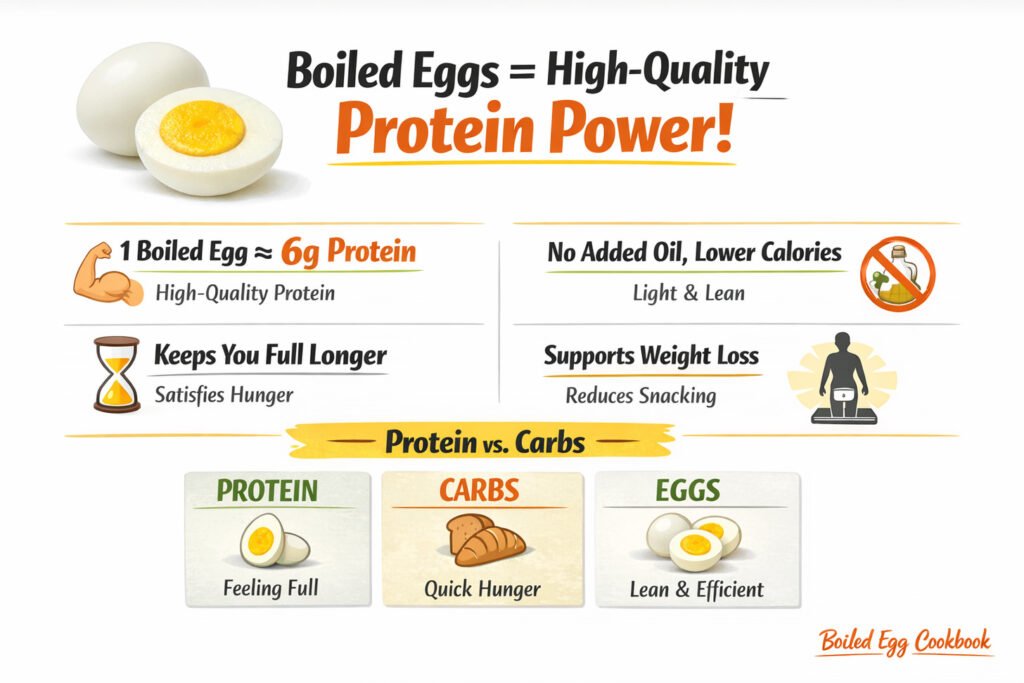
The diet plan combines eggs with lean proteins, vegetables, and limited whole grains. You avoid processed foods and sugary items. This approach supports steady weight loss over two weeks.
How Many Eggs Per Day on This Diet
Most egg diet plans recommend eating two to four eggs per day. The exact number depends on your specific meal plan. Some days you might eat eggs for breakfast and lunch.
A typical 14-day boiled egg diet includes eggs at nearly every meal. You’ll consume between 28 and 56 eggs per week. This might seem like a lot, but it’s spread across all your meals.
Your body can process this amount of protein effectively. The key is balancing eggs with vegetables and other nutrient-rich foods. This combination provides essential vitamins your body needs.
Is the Egg Diet Safe for Everyone
The egg diet safe question depends on your individual health status. People with high cholesterol should consult their doctor first. Those with egg allergies obviously cannot follow this plan.
Most healthy adults can safely follow the boiled egg diet for two weeks. The diet provides adequate nutrition when properly planned. However, it’s not designed as a long-term eating solution.
Important: Always speak with a healthcare provider before starting any restrictive diet. This is especially important if you have existing health conditions or take medications.
Pregnant women and people with certain medical conditions should avoid this diet. Children and teenagers need more varied nutrition for growth. The plan works best for adults seeking short-term weight loss.
Complete Boiled Egg Diet Grocery List for 14 Days
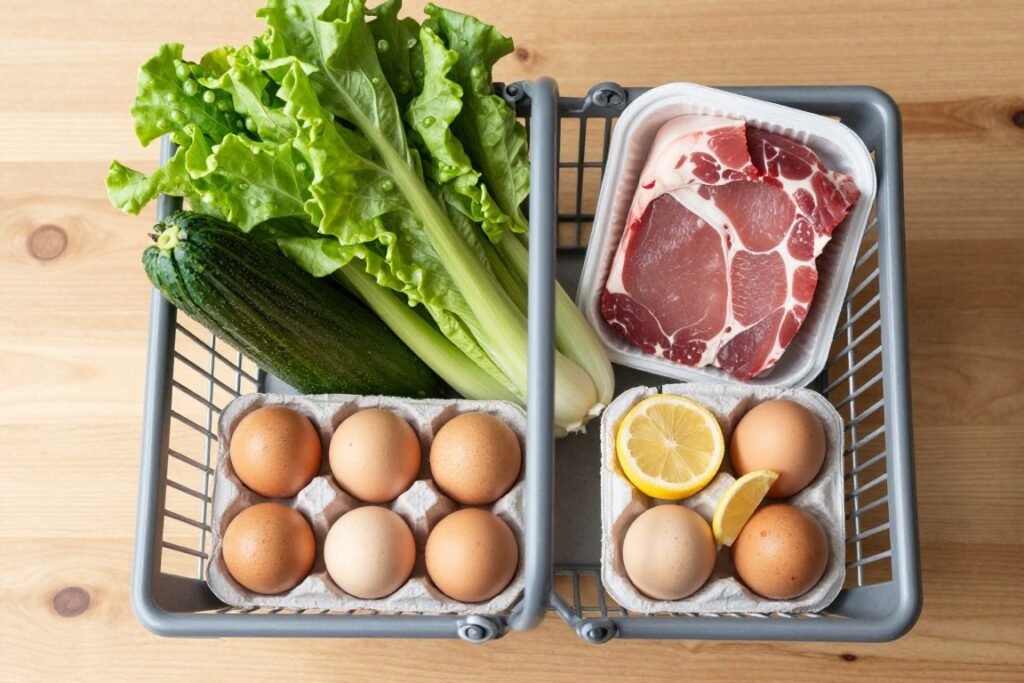
Shopping for your boiled egg diet meal prep requires careful planning. The right grocery list saves time and money. It also ensures you have everything needed for success.
Protein Sources
Eggs form the foundation of your meal plan. Buy at least 60 large eggs for a full two-week plan. This ensures you have enough for every day.
Main Proteins
- 60 large eggs (minimum)
- 2 pounds boneless chicken breast
- 1 pound lean ground turkey
- 2 pounds white fish fillets
- 1 pound lean beef (optional)
Dairy Products
- 16 oz plain Greek yogurt
- 8 oz cottage cheese (low-fat)
- 4 oz feta cheese
- Unsweetened almond milk (32 oz)
Vegetables and Greens
Fresh vegetables provide essential vitamins and fiber. They keep your digestive system healthy during the diet. Choose a variety of colors for maximum nutrition.
- 3 heads of romaine lettuce
- 2 large bags of spinach
- 4 cups of broccoli florets
- 6 medium tomatoes
- 4 cucumbers
- 2 bell peppers (any color)
- 1 bag of baby carrots
- 2 medium zucchini
- 1 head of cauliflower
- 2 bunches of asparagus
- 1 bag of mixed salad greens
Fruits (Limited Portions)
The diet includes some fruit for nutrients and natural sweetness. Keep portions controlled to maintain low carb intake. Choose fruits with lower sugar content.
- 6 medium apples
- 4 oranges or grapefruits
- 2 cups of berries (strawberries or blueberries)
- 3 small pears
Healthy Fats and Condiments
Healthy fats support nutrition and add flavor to meals. They help your body absorb vitamins from vegetables. Use them in moderate amounts.
Fats and Oils
- Extra virgin olive oil (16 oz)
- Coconut oil (8 oz)
- 2 medium avocados
- Raw almonds (8 oz)
Seasonings
- Sea salt
- Black pepper
- Garlic powder
- Paprika
- Fresh herbs (basil, cilantro)
- Lemon juice
Optional Whole Grains
Some versions of the egg diet plan include limited whole grains. These provide energy and fiber. Include them only if your specific plan allows.
- 1 package of quinoa (12 oz)
- Brown rice (16 oz)
- Whole grain bread (1 small loaf, optional)
- Oatmeal (steel-cut, 16 oz, optional)
Get Your Complete Printable Shopping Lists
Stop guessing at quantities. Our 14-day plan includes detailed shopping lists organized by store section. Print it and check off items as you shop.
Batch Cooking Boiled Eggs: Methods and Storage
Batch cooking eggs saves enormous amounts of time. You can prepare dozens of eggs at once. The right method ensures perfect results every time.
Stovetop Boiling Method
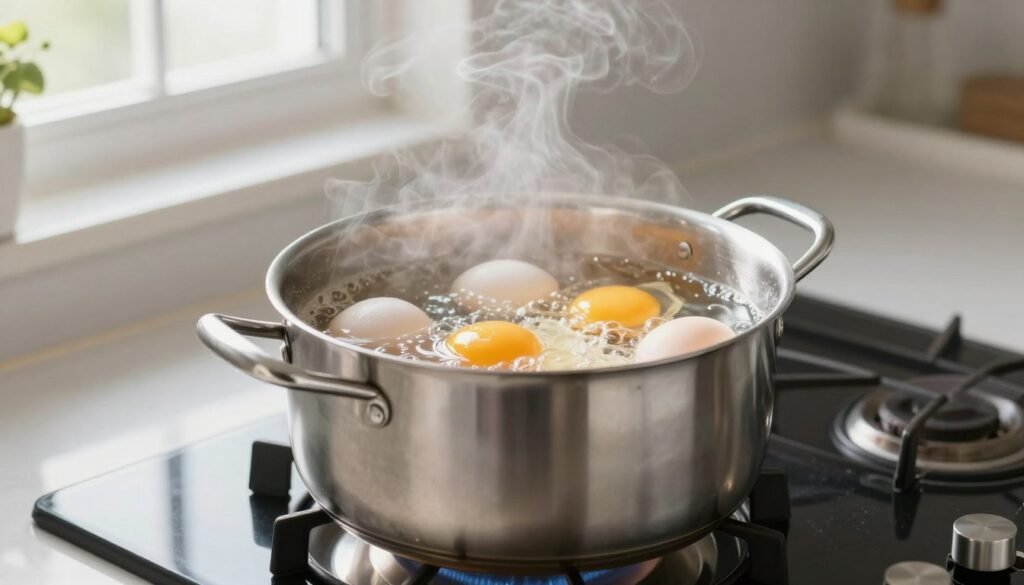
The stovetop method is the most traditional way to cook boiled eggs. It gives you complete control over the process. You can cook up to 12 eggs at once in a large pot.
- Place eggs in a single layer at the bottom of your pot
- Cover eggs with cold water by one inch
- Add a pinch of salt to prevent cracking
- Bring water to a rolling boil over high heat
- Remove pot from heat and cover with a lid
- Let eggs sit for 12 minutes for hard-boiled
- Transfer eggs to an ice bath immediately
- Let them cool for at least 5 minutes
The ice bath stops the cooking process instantly. This prevents the green ring around the yolk. Your eggs will peel easier after cooling completely.
Instant Pot Pressure Cooking
An Instant Pot cooks perfect eggs with minimal effort. You can prepare 18 to 24 eggs simultaneously. This method works great for large batch cooking sessions.
- Pour one cup of water into the Instant Pot
- Place steamer rack inside the pot
- Arrange eggs on the rack (don’t stack too high)
- Close lid and set valve to sealing
- Cook on high pressure for 5 minutes
- Allow natural release for 5 minutes
- Quick release remaining pressure
- Transfer to ice bath immediately
Oven-Baked Hard-Boiled Eggs
Baking eggs in the oven allows massive batch preparation. You can cook up to 48 eggs at once using muffin tins. This method is perfect for serious meal preppers.
- Preheat your oven to 325°F
- Place one egg in each muffin tin cup
- Bake for exactly 30 minutes
- Prepare a large ice bath while eggs cook
- Remove eggs carefully (they’re hot)
- Place directly into ice water
- Cool for 10 minutes minimum
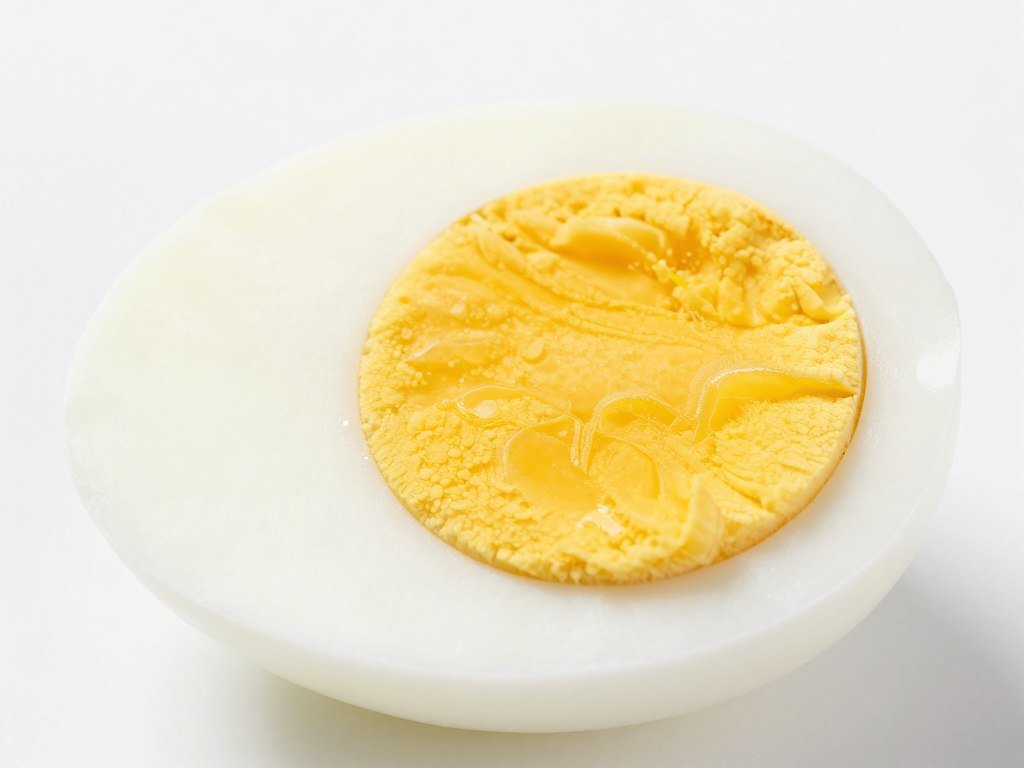
Note that oven-baked eggs may have small brown spots. These are harmless and don’t affect taste. The spots come from direct heat contact with the metal.
How to Store Boiled Eggs Properly
Proper storage keeps your boiled eggs fresh and safe. The right conditions prevent bacteria growth. Your meal prep stays effective all week long.
Store hard-boiled eggs in their shells for maximum freshness. The shell protects the egg from absorbing odors. It also prevents the white from drying out.
With Shell On
- Keep refrigerated at 40°F or below
- Store in original carton or sealed container
- Use within 7 days for best quality
- Label with cooking date
- Keep away from strong-smelling foods
Peeled Eggs
- Store in airtight container
- Cover with damp paper towel
- Use within 3-5 days maximum
- Keep submerged in water (change daily)
- Check for sliminess before eating
Signs Your Boiled Eggs Have Gone Bad
Always check eggs before eating them. Spoiled eggs have distinct warning signs. Trust your senses to avoid food safety issues.
Discard eggs if you notice: Sulfur or rotten smell, slimy texture on the white, unusual discoloration, powdery or dry appearance, or if they’ve been stored longer than 7 days.
Freezing Cooked Eggs
Whole hard-boiled eggs don’t freeze well. The whites become rubbery and watery when thawed. However, you can freeze just the yolks successfully.
Separate cooked yolks from whites if you want to freeze them. Mash the yolks and store in freezer bags. They’ll keep for up to three months frozen.
Best Meal Prep Containers for the Egg Diet
The right containers make or break your meal prep success. Good containers keep food fresh longer. They also make portion control automatic.
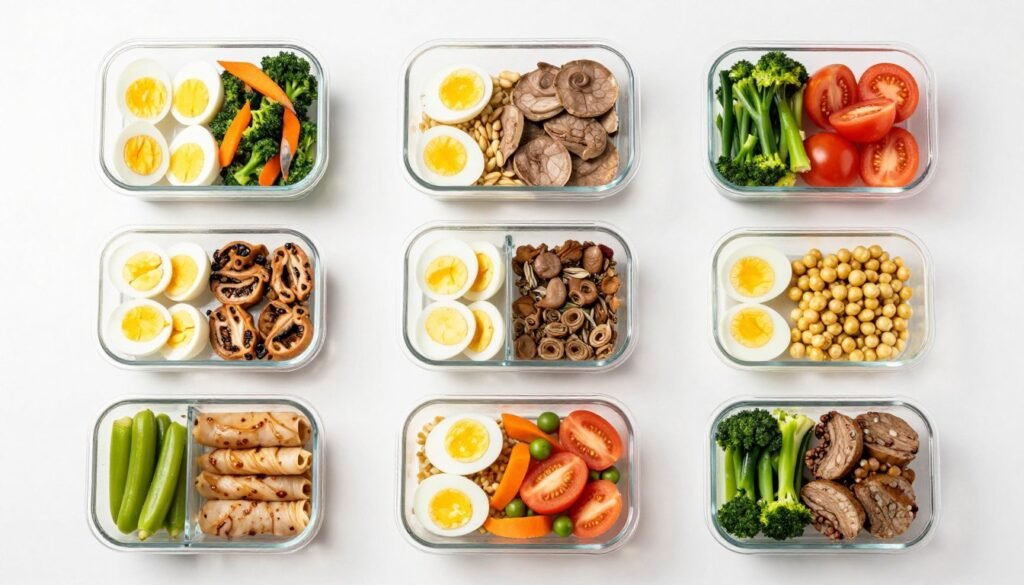
Glass Container Benefits
Glass containers offer the best storage for meal prep. They don’t absorb odors or stains from food. You can see exactly what’s inside each container.
These containers go from fridge to microwave safely. The glass won’t leach chemicals into your food. They last for years with proper care.
Recommended Glass Container Features
- Snap-lock lids that seal completely
- Multiple compartment options for variety
- Microwave and dishwasher safe
- Stackable design to save fridge space
- Size range from 2 to 4 cup capacity
BPA-Free Plastic Options
Quality plastic containers work well for lighter meals. They’re more affordable than glass options. Choose BPA-free plastic to avoid chemical exposure.
Plastic containers weigh less for portable meals. They won’t break if dropped accidentally. Many people use them for salads and cold foods.
Container Organization System
Organize your containers by meal type and day. This system speeds up your morning routine. You’ll grab the right container without thinking.
Breakfast Containers
Use smaller 2-cup containers for morning meals. These hold your boiled eggs, yogurt, and fruit portions perfectly.
Lunch Containers
Choose 3-cup containers with dividers. Separate your protein, salad, and any whole grains into distinct sections.
Snack Containers
Small 1-cup containers work for between-meal snacks. Store pre-portioned veggies, nuts, or extra boiled eggs.
Labeling Your Meal Prep
Labels prevent confusion and waste. Mark each container with the day and meal type. Include the date you prepared the food.
Use masking tape and permanent marker for quick labeling. You can also buy reusable labels designed for containers. This small step keeps your system organized.
2-Hour Weekly Meal Prep Schedule
A proper schedule transforms meal prep from overwhelming to manageable. This timeline shows you exactly what to do. Follow these steps and you’ll finish in two hours.
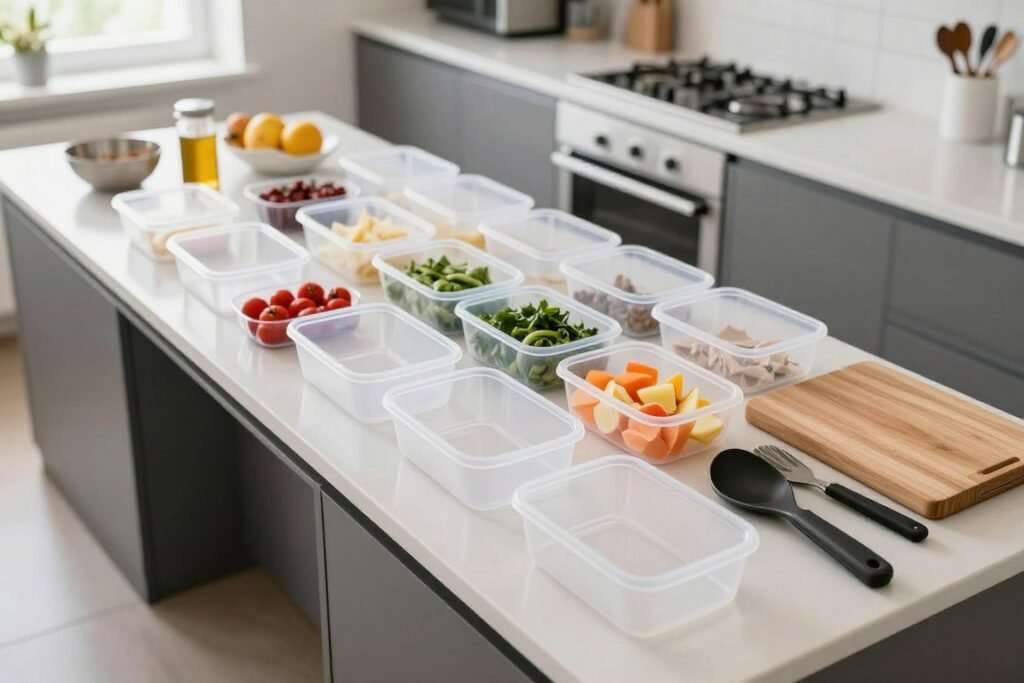
Preparation Phase (15 Minutes)
Start by setting up your workspace efficiently. Clean your counters and gather all tools. This preparation prevents mid-cooking scrambling.
- Lay out all containers and lids
- Set up cooking stations (stovetop, cutting board, sink)
- Take out all groceries you’ll need
- Fill a large pot with water for eggs
- Preheat oven to 400°F for vegetables
Batch Cooking Phase (60 Minutes)
This phase handles all your cooking simultaneously. You’ll multitask to maximize efficiency. Everything cooks while you prep the next item.
| Time | Task | Details |
| 0:00-0:15 | Start boiling eggs | Cook 24 eggs using your preferred method while you work on other tasks |
| 0:05-0:20 | Prep vegetables | Wash and chop all vegetables for the week, place in separate bowls |
| 0:20-0:35 | Roast vegetables | Season and roast broccoli, cauliflower, asparagus on sheet pans |
| 0:25-0:45 | Cook chicken breasts | Bake seasoned chicken or use stovetop while eggs finish and vegetables roast |
| 0:45-0:60 | Prepare salad bases | Wash, dry, and portion lettuce and spinach into containers |
Assembly Phase (35 Minutes)
Now you’ll assemble complete meals in containers. Work assembly-line style for speed. Group similar meals together.
- Let all cooked items cool for 5 minutes
- Peel and portion boiled eggs (3-4 per container)
- Add proteins to designated lunch containers
- Fill containers with roasted vegetables
- Layer salad components (dressing separate)
- Add fruit portions to breakfast containers
- Portion any whole grains if using
Storage and Cleanup (10 Minutes)
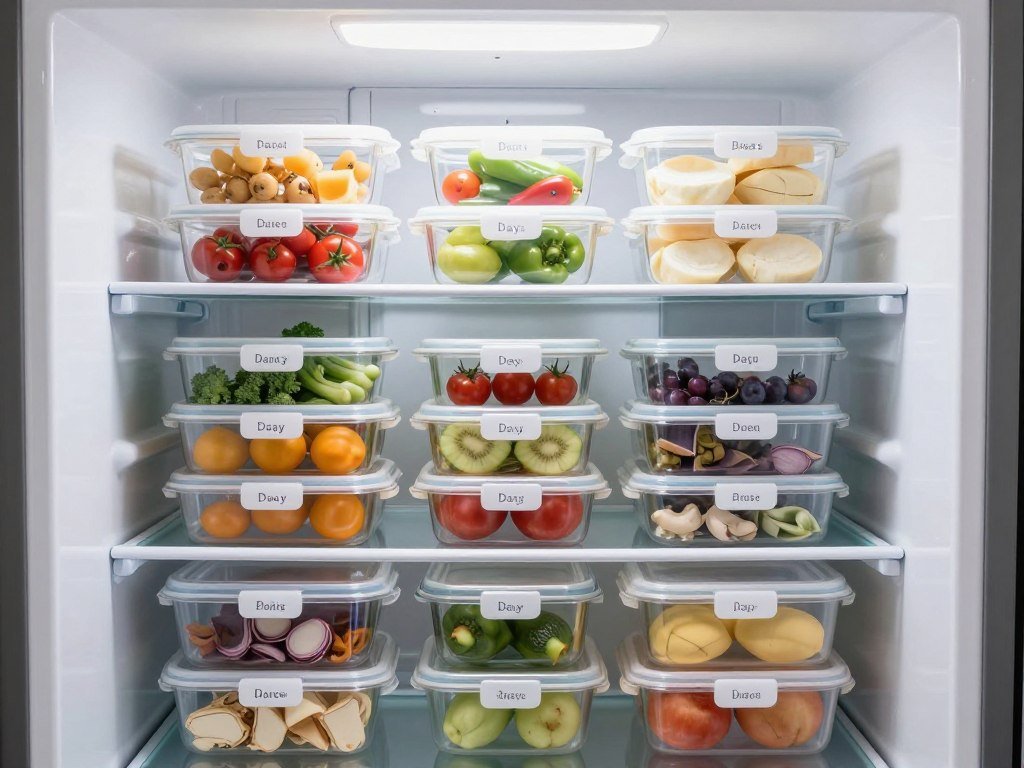
Proper storage extends food freshness significantly. Stack containers logically in your refrigerator. Clean as you go for faster finishing.
- Label each container with day and meal
- Stack containers by day in refrigerator
- Store extra eggs in their carton
- Wash all prep dishes and cutting boards
- Wipe down all cooking surfaces
- Take inventory of completed meals
Want a Done-For-You Prep Schedule?
Our 14-day plan includes detailed prep schedules with exact timing. No guesswork. Just follow the step-by-step instructions and you’re done.
Sample 7-Day Egg Diet Plan Breakdown
Understanding what you’ll eat each day helps with planning. This sample week shows variety within the diet structure. Rotate these patterns for your full 14 days.
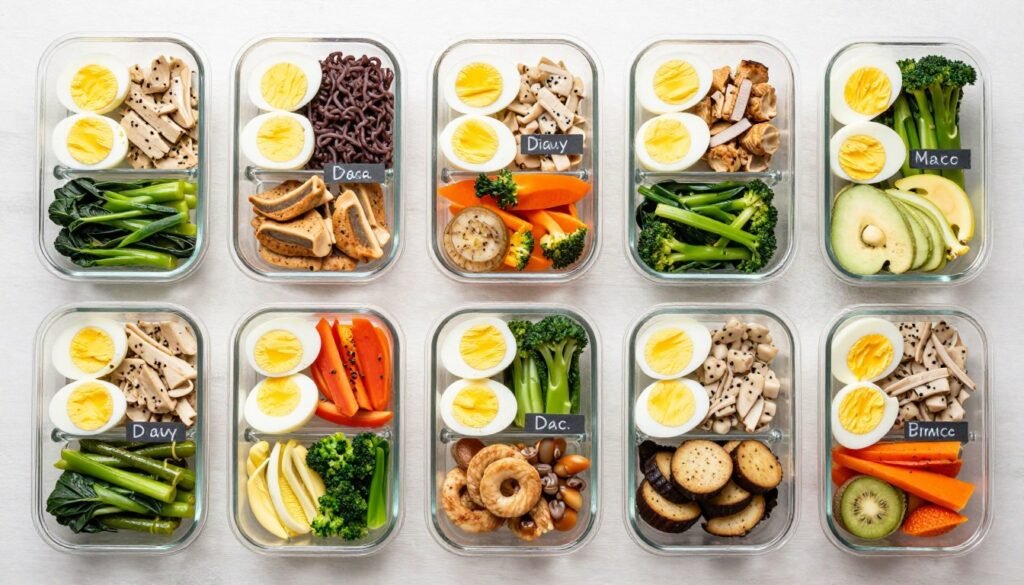
Day 1: Foundation Day
- Breakfast: 2 boiled eggs, 1 orange, black coffee or tea
- Lunch: 2 boiled eggs, mixed green salad with olive oil, 1 grapefruit
- Dinner: Grilled chicken breast, steamed broccoli, small salad
- Snack: 1 boiled egg, cucumber slices
Day 2: Protein Focus
- Breakfast: 2 boiled eggs, 1/2 grapefruit, green tea
- Lunch: Grilled fish, spinach salad with lemon dressing
- Dinner: 2 boiled eggs, steamed asparagus, tomato salad
- Snack: Plain Greek yogurt with berries
Day 3: Vegetable Variety
- Breakfast: 2 boiled eggs, 1 apple, herbal tea
- Lunch: Chicken salad with mixed greens and boiled egg
- Dinner: 2 boiled eggs, roasted vegetables (zucchini, bell peppers)
- Snack: Celery sticks, 1 boiled egg
Day 4: Lean Protein Day
- Breakfast: 2 boiled eggs, 1/2 grapefruit, water with lemon
- Lunch: Turkey breast, cucumber and tomato salad
- Dinner: 2 boiled eggs, steamed cauliflower, small green salad
- Snack: 1 boiled egg, baby carrots
Day 5: Mid-Week Boost
- Breakfast: 2 boiled eggs, 1 orange, coffee
- Lunch: Grilled chicken, large mixed salad with avocado
- Dinner: 2 boiled eggs, roasted broccoli and carrots
- Snack: Cottage cheese with cucumber
Day 6: Variety Day
- Breakfast: 2 boiled eggs, berries, green tea
- Lunch: Baked fish, spinach salad, 1 boiled egg
- Dinner: Chicken breast, steamed vegetables, side salad
- Snack: 1 boiled egg, bell pepper slices
Day 7: Week Complete
- Breakfast: 2 boiled eggs, 1 apple, herbal tea
- Lunch: 2 boiled eggs, large mixed green salad
- Dinner: Grilled lean beef (small portion), steamed vegetables
- Snack: Plain yogurt, handful of almonds
Meal Plan Flexibility
You can swap similar foods within categories. Replace chicken with turkey or fish. Switch vegetables based on your preferences.
The key is maintaining the protein low carb balance. Keep your egg consumption consistent every day. This consistency supports steady weight loss.
14-Day Boiled Egg Diet Cost Breakdown
Knowing the cost helps you budget effectively. The boiled egg diet is surprisingly affordable. Most people spend less than eating their normal way.
Core Protein Costs
Eggs provide the most affordable protein available. A dozen eggs costs between two to five dollars depending on quality. Organic eggs cost more but aren’t necessary for the diet.
| Item | Quantity | Average Cost |
| Eggs (regular large) | 60 eggs (5 dozen) | $15-25 |
| Chicken breast | 2 pounds | $8-12 |
| Ground turkey | 1 pound | $4-6 |
| White fish | 2 pounds | $10-16 |
| Lean beef | 1 pound (optional) | $6-9 |
Produce and Vegetable Costs
Fresh vegetables make up the second largest expense. Buying in season reduces costs significantly. Frozen vegetables work equally well and cost less.
| Category | Items | Estimated Cost |
| Leafy greens | Lettuce, spinach, mixed greens | $10-15 |
| Fresh vegetables | Broccoli, tomatoes, cucumbers, peppers | $15-22 |
| Fruits | Apples, oranges, berries, grapefruit | $12-18 |
| Healthy fats | Avocado, olive oil, nuts | $12-16 |
Total 14-Day Investment
The complete two-week boiled egg diet costs between 80 and 125 dollars for one person. This breaks down to roughly six to nine dollars per day. That’s less than most single restaurant meals.
Budget Comparison: The average American spends about $12-15 per day on food. The boiled egg diet meal prep costs 40-50% less while providing complete nutrition for weight loss.
Money-Saving Tips
Smart shopping cuts costs even further. These strategies help you stay within budget. Many people save over fifty dollars compared to their normal eating.
- Buy eggs in bulk when on sale (check expiration dates)
- Choose frozen vegetables for items you’ll cook
- Purchase store-brand proteins instead of name brands
- Shop seasonal produce for better prices
- Use whole chickens and portion yourself
- Buy in-season fruits or choose frozen berries
- Compare unit prices, not package prices
- Check discount grocery stores first
Time-Saving Meal Prep Hacks for the Egg Diet
Efficiency tricks transform your meal prep experience. These hacks save you 30 to 45 minutes each session. Small improvements add up to significant time savings.
Pre-Prep Sunday Strategy
Dedicate 30 minutes on Sunday evening for light prep. This makes your main meal prep session faster. You’ll have ingredients ready to cook.
- Wash all produce as soon as you get home
- Pre-portion proteins into cooking-size pieces
- Chop vegetables that won’t brown (peppers, carrots)
- Mix salad dressings in advance
- Measure out seasonings into small containers
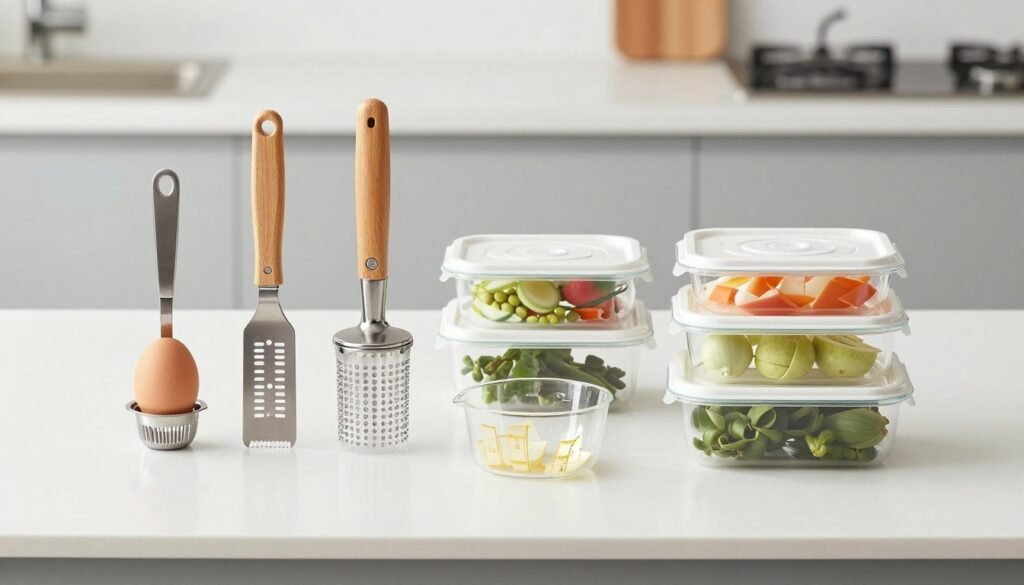
Equipment Investments That Save Time
The right tools speed up repetitive tasks dramatically. These items pay for themselves in saved time. Consider them investments in your health journey.
Essential Time-Savers
- Egg cooker (perfect eggs every time)
- Food processor (quick vegetable chopping)
- Instant Pot (batch cooking multiple items)
- Sharp chef’s knife (faster, safer cutting)
- Salad spinner (dry greens instantly)
Nice-to-Have Tools
- Egg slicer (uniform slices quickly)
- Vegetable steamer basket
- Digital kitchen scale
- Multiple cutting boards
- Sheet pan sets
Simultaneous Cooking Techniques
Cooking multiple items at once maximizes your oven and stovetop. This approach cuts your total cooking time in half. Plan your cooking order strategically.
- Roast vegetables while eggs boil on stovetop
- Bake chicken breasts alongside vegetable sheet pans
- Steam greens while proteins cool
- Use multiple burners for different tasks
- Prep salad ingredients during oven cook times
Assembly Line Method
Set up your assembly like a restaurant kitchen. This method reduces movement and thinking. You’ll portion meals much faster.
- Line up all containers in rows
- Place one ingredient bowl at each station
- Move down the line adding each component
- Complete one meal type before starting another
- Stack finished containers as you go
Pre-Made Component Strategy
Prepare base components that work across multiple meals. Store them separately and combine as needed. This flexibility prevents meal boredom.
Protein Base
Cook all proteins plain with basic seasoning. Add different sauces or spices when you eat the meal.
Vegetable Mix
Roast large batches of mixed vegetables. Portion them differently each day for variety.
Salad Foundation
Wash and dry all greens at once. Store in containers with paper towels to absorb moisture.
Quick Cleanup System
Cleaning as you cook prevents overwhelming post-prep messes. A clean workspace helps you stay organized. Follow this simple system.
- Fill your sink with hot soapy water before starting
- Drop used utensils in immediately after use
- Wipe cutting boards between ingredients
- Run dishwasher while food cools
- Use trash bowl next to prep area
- Clean one appliance while another cooks
Ready to Master Meal Prep Efficiency?
Our complete 14-day plan includes all these time-saving strategies plus detailed recipes and prep schedules. Get the exact system that makes meal prep effortless.
Weight Loss Expectations and Tips
Understanding realistic weight loss helps you stay motivated. The boiled egg diet can produce rapid weight loss when followed correctly. Results vary based on individual factors.
Expected Weight Loss Pounds
Most people lose between 10 to 20 pounds during a 14-day cycle. The first week typically shows more dramatic results. Your body releases water weight initially.
Week one often brings weight loss of 6 to 12 pounds. Week two produces another 4 to 8 pounds of loss. Individual results depend on starting weight and metabolism.
What Supports Success
- Following meal plan exactly as written
- Drinking adequate water every day
- Getting sufficient sleep each night
- Avoiding processed foods completely
- Adding light exercise or walking
- Tracking your meals and progress
What Slows Progress
- Skipping meals or eggs
- Adding unauthorized foods or snacks
- Insufficient water intake
- Poor sleep quality
- High stress levels
- Not measuring portions accurately
Staying Hydrated for Weight Loss
Water plays a crucial role in the egg diet success. Proper hydration supports your metabolism. It also helps flush out toxins during weight loss.
Drink at least eight glasses of water every day. More is better, especially during hot weather. Water helps prevent constipation from high protein eating.
Hydration Tips
- Drink one glass of water upon waking
- Have water before each meal
- Carry a refillable bottle with you
- Set phone reminders to drink regularly
- Add lemon or cucumber for flavor
- Drink extra water after exercise
Managing Hunger and Cravings
Hunger is natural during the first few days. Your body adjusts to the new eating pattern. Most people find hunger decreases by day four.
Protein from eggs keeps you fuller than carbohydrates. The diet’s structure prevents blood sugar crashes. These factors reduce cravings over time.
Craving Control: When hunger strikes between meals, drink a large glass of water first. Wait 15 minutes. Often what feels like hunger is actually thirst. If still hungry, eat raw vegetables or one boiled egg.
Common Side Effects and Solutions
Some people experience minor side effects initially. These typically resolve within a few days. Understanding them helps you prepare mentally.
| Side Effect | Why It Happens | Solution |
| Fatigue | Body adjusting to lower carbs | Increase sleep, add light exercise, ensure adequate calories |
| Constipation | High protein, lower fiber intake | Drink more water, eat more vegetables, add fiber supplement if needed |
| Bad breath | Ketosis from low carb eating | Increase water intake, chew sugar-free gum, practice good oral hygiene |
| Headaches | Dehydration or carb withdrawal | Drink more water, ensure adequate salt intake, rest more |
Combining Exercise With the Diet
Light to moderate exercise enhances weight loss results. Avoid intense workouts during the first week. Your body needs energy for adjustment.
Walking is the perfect exercise for this diet. Aim for 30 minutes of walking daily. This supports weight loss without exhausting you.
Recommended Activities
- Brisk walking (30-45 minutes daily)
- Light yoga or stretching
- Swimming at moderate pace
- Casual bike riding
- Light strength training (bodyweight exercises)
Transitioning After 14 Days
The two-week mark is not the end of your journey. Proper transition prevents rapid weight regain. A smart exit strategy maintains your results.
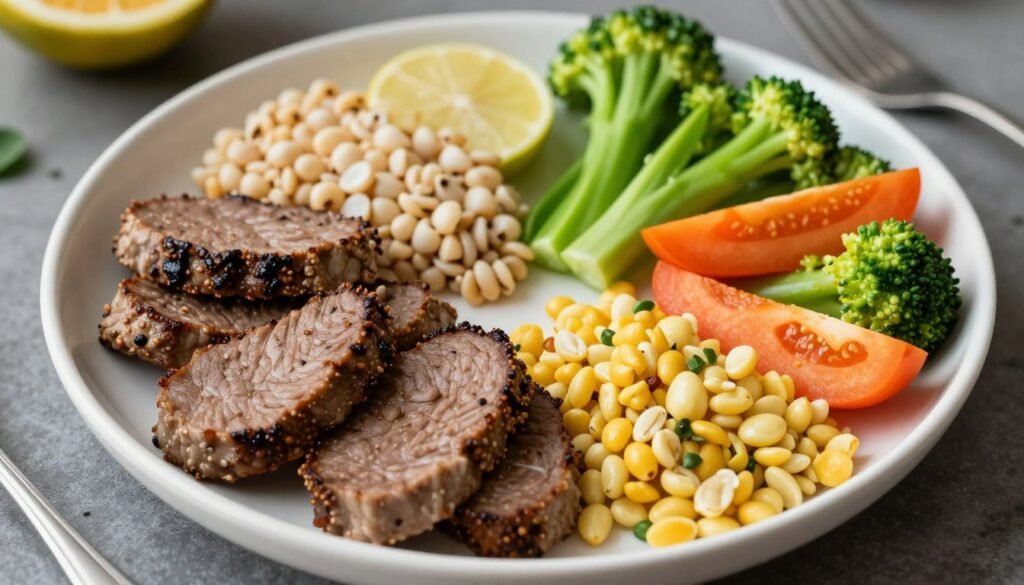
Gradual Food Reintroduction
Don’t return to old eating habits immediately. Slowly add foods back over two weeks. This approach prevents shocking your system.
- Week 3: Add small portions of whole grains to lunch
- Week 3: Increase fruit variety and portions slightly
- Week 4: Reintroduce healthy complex carbohydrates
- Week 4: Add more variety to protein sources
- Week 5: Return to balanced, healthy eating pattern
Long-Term Eating Patterns
Use your boiled egg diet experience as a foundation. You’ve learned portion control and meal planning. These skills support lifelong health.
Continue eating boiled eggs regularly for convenient protein. Maintain your meal prep habit for continued success. Keep emphasizing vegetables and lean proteins.
Sustainable Lifestyle Changes
- Continue meal prep on a less strict schedule
- Keep sugar and processed foods minimal
- Maintain high protein breakfast habit
- Eat vegetables with every meal
- Practice portion control learned during diet
- Stay hydrated with water as primary beverage
Preventing Weight Regain
Weight regain happens when people return to old habits. Your new knowledge prevents this common problem. Implement these maintenance strategies.
Continue These Habits
- Weekly meal planning and prep
- Regular physical activity
- Drinking adequate water daily
- Eating protein at each meal
- Prioritizing vegetables
Avoid These Pitfalls
- Returning to processed foods
- Skipping meals regularly
- Emotional eating patterns
- Excessive portion sizes
- Abandoning meal prep entirely
Repeating the Diet Safely
You can repeat the boiled egg diet after a break. Allow at least four weeks between cycles. This gives your body time to normalize.
Some people use the diet quarterly for maintenance. Others prefer doing it once yearly. Listen to your body and consult health professionals.
Frequently Asked Questions
Can I eat the egg yolks or just whites?
Eat the whole egg including the yolk. The yolk contains essential nutrients like vitamin D, B vitamins, and healthy fats. These nutrients support your overall health during weight loss. The yolk also provides satiety, helping you feel full longer.
What if I don’t like certain vegetables on the plan?
Substitute vegetables within the same category. Replace one leafy green with another. Swap one cruciferous vegetable for a different one. Maintain similar nutritional profiles and keep vegetables as the foundation of your meals.
Can I drink coffee on the boiled egg diet?
Yes, black coffee is allowed and encouraged. Avoid adding sugar, cream, or flavored syrups. Black coffee contains zero calories and may boost metabolism slightly. Green tea and herbal teas are also excellent choices.
How do I handle social events during the diet?
Plan ahead by eating before events if necessary. Choose protein and vegetable options when available. Bring your own prepared food if appropriate. Remember that two weeks is temporary, and your health goals matter.
Is the boiled egg diet suitable for vegetarians?
Vegetarians who eat eggs can follow this plan. However, vegans cannot since eggs are the primary protein source. Vegetarians may substitute some animal proteins with plant-based options like tofu or tempeh while keeping eggs as the main focus.
What happens if I miss a meal or eat something not on the plan?
Don’t give up completely if you make a mistake. Simply return to the plan at your next meal. One deviation won’t ruin your progress. However, frequent deviations will slow your weight loss results significantly.
Should I take vitamins or supplements during the diet?
A basic multivitamin can help ensure adequate nutrition. Consider a fiber supplement if you experience constipation. Omega-3 supplements support overall health. Always consult with a healthcare provider before starting new supplements.
Can I do the boiled egg diet if I have high cholesterol?
Consult your doctor before starting if you have high cholesterol. Recent research shows dietary cholesterol has less impact than previously thought. However, individual health conditions vary, and medical guidance is essential for safety.
Start Your Boiled Egg Diet Journey Today
You now have everything needed for successful boiled egg diet meal prep. The strategies in this guide eliminate guesswork and confusion. Your two-hour prep system is ready to implement.
Meal prep transforms the diet from overwhelming to manageable. You’ll save time every single day. Your organized system supports consistent weight loss over 14 days.

The grocery lists ensure you buy exactly what you need. The batch cooking methods save hours of kitchen time. The storage strategies keep your food fresh and safe.
Remember that preparation is the key to diet success. Most people fail because they lack a system. You now have a proven system that works.
Start with one prep session this weekend. Follow the two-hour timeline exactly. You’ll be amazed at how simple the process becomes.
Get Your Complete 14-Day Boiled Egg Diet System
Stop planning and start doing. Our printable PDF includes detailed meal plans, exact recipes, shopping lists organized by store section, and step-by-step prep schedules. Everything is done for you. Just download, print, and follow the system.
Instant access. Printable format. Complete meal prep system in your hands today.
Your weight loss journey doesn’t have to be complicated. Simple systems produce the best results. The boiled egg diet meal prep approach gives you that simplicity.
Take action now while your motivation is high. Every day you delay is another day away from your goals. Your future self will thank you for starting today.
Plan, Results & Recipes
Now that your meals are prepped, use these pages to stay consistent:
- Follow the complete 14-day plan
- Track your expected results
- Use recipes to avoid boredom
- Compare with other diets
All-in-one guide: Boiled Egg Diet Resource Center