The boiled egg diet has captured attention as one of the most talked-about weight loss approaches in recent years. This high-protein eating plan promises rapid results through a simple, structured meal strategy centered around eggs.
Many people struggle with complicated diet plans that require expensive ingredients or time-consuming meal preparation. The egg diet offers a refreshing alternative with its straightforward approach.
This comprehensive guide walks you through everything you need to know about the boiled egg diet. You’ll discover its origins, understand how it works scientifically, and receive a complete 14-day plan to follow.
Whether you’re looking to lose weight quickly for an upcoming event or jumpstart a longer-term health journey, this guide provides the tools and knowledge necessary for success.
What Is the Boiled Egg Diet
The boiled egg diet is a structured eating plan that emphasizes high protein intake through eggs as the primary food source. This diet restricts calorie intake while providing essential nutrients through carefully selected lean proteins, vegetables, and fruits.

Origins and History of the Diet
The boiled egg diet emerged in the 1970s, gaining popularity through various iterations over the decades. Some attribute its creation to British chemist Margaret Thatcher’s personal diet plan, though this connection remains disputed among nutrition historians.
The diet experienced renewed interest in the 2010s through social media and celebrity endorsements. Modern versions have evolved from the original concept, incorporating more balanced nutritional approaches.
Various cultures have long recognized eggs as a valuable protein source for weight management. The formalized diet plan, however, represents a Western approach to rapid weight loss through protein manipulation.
Core Principles of the Diet
The diet operates on several fundamental principles designed to create weight loss conditions in the body. Understanding these principles helps explain why the plan may produce results.
High Protein Foundation
Eggs serve as the primary protein source, providing essential amino acids needed for body functions.
- Each egg contains approximately six grams of complete protein
- Protein helps preserve muscle mass during calorie restriction
- Eggs provide vitamin D, B12, and choline
- The diet typically includes three to four eggs daily
Calorie Restriction
The plan significantly reduces daily calorie intake to create an energy deficit.
- Most versions limit intake to 800-1200 calories per day
- This deficit forces the body to use stored fat for energy
- Careful portion control ensures adequate nutrition
- The restriction period typically lasts 14 days maximum
Low Carbohydrate Approach
The diet minimizes carbohydrate intake to encourage fat burning and reduce hunger.
- Processed foods and refined sugars are eliminated
- Complex carbohydrates are limited to specific portions
- This approach may induce mild ketosis in some individuals
- Vegetables provide necessary fiber and nutrients
Nutrient Timing
Meal timing and structure play important roles in the diet’s effectiveness.
- Three meals per day with no snacking between
- Breakfast always includes eggs as the protein source
- Dinner is typically the lightest meal of the day
- Consistent meal times help regulate hunger hormones
Different Versions of the Egg Diet
Several variations of the egg diet have emerged over the years. Each version modifies the original concept to address different goals or preferences.
The traditional egg diet allows only eggs, water, and zero-calorie beverages. This extreme version is not recommended for more than three days due to nutritional limitations.
The egg and grapefruit diet combines eggs with grapefruit at every meal. Proponents claim grapefruit enhances fat burning, though scientific evidence remains limited.
The egg-only diet represents the most restrictive version, allowing nothing but eggs and water. Medical professionals strongly discourage this approach due to severe nutrient deficiencies it creates.
The modified egg diet, which this guide focuses on, incorporates lean proteins, vegetables, and fruits alongside eggs. This balanced approach provides better nutrition while still promoting weight loss.
How the Boiled Egg Diet Works
Understanding the science behind the boiled egg diet helps explain its potential effectiveness for weight loss. The plan leverages several physiological mechanisms to create fat loss conditions.
The Role of Protein in Weight Loss
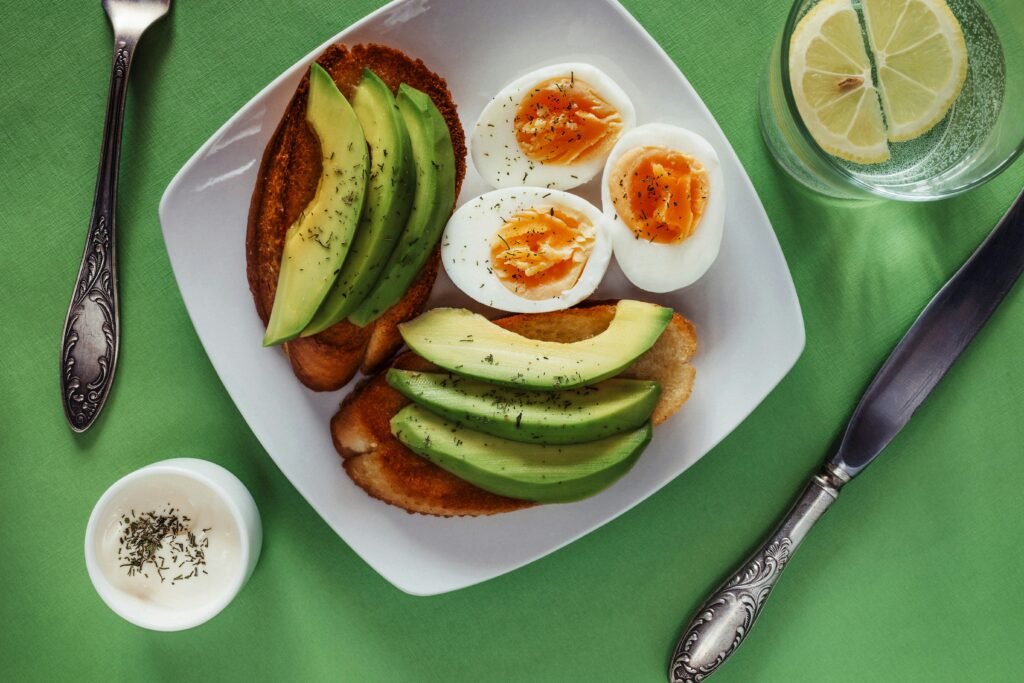
Protein plays a central role in the diet’s weight loss mechanism. Eggs provide high-quality protein that affects multiple body systems involved in weight management.
The body requires more energy to digest protein compared to fats or carbohydrates. This phenomenon, called the thermic effect of food, means you burn more calories simply processing protein-rich meals.
Protein significantly increases satiety compared to other macronutrients. Studies show that high-protein meals reduce hunger hormones and increase fullness signals, leading to naturally reduced calorie intake throughout the day.
During weight loss, the body may break down muscle tissue for energy. Adequate protein intake helps preserve lean muscle mass, ensuring that weight loss comes primarily from fat stores rather than muscle.
Thermic Effect of Food Explained
The thermic effect represents the energy your body expends digesting, absorbing, and processing nutrients. Different macronutrients require different amounts of energy for processing.
| Macronutrient | Thermic Effect | Calories Burned | Diet Impact |
| Protein | 20-30% | 20-30 per 100 calories | Highest metabolic boost |
| Carbohydrates | 5-10% | 5-10 per 100 calories | Moderate effect |
| Fats | 0-3% | 0-3 per 100 calories | Minimal metabolic impact |
| Mixed Meal | 10-15% | 10-15 per 100 calories | Depends on composition |
The egg diet capitalizes on protein’s high thermic effect. By centering meals around eggs and lean protein, your body naturally burns more calories during digestion.
Fat Loss Mechanisms
Multiple mechanisms work together to create the fat loss conditions that make the boiled egg diet effective for many people.
The severe calorie restriction creates an immediate energy deficit. Your body must access stored fat to meet its daily energy needs when food intake drops significantly below maintenance levels.
Reduced carbohydrate intake lowers insulin levels in the blood. Lower insulin allows the body to more easily access fat stores for energy, as insulin typically signals the body to store rather than burn fat.
The high protein content helps maintain metabolic rate during calorie restriction. While most diets cause metabolic slowdown, adequate protein intake helps preserve the calorie-burning capacity of lean muscle tissue.
Increased satiety from protein and fiber reduces overall food intake. People naturally consume fewer calories when they feel fuller from their meals, creating additional calorie deficit beyond the structured plan.
Metabolic Adaptations During the Diet
Your body undergoes several adaptations when following the boiled egg diet. Understanding these changes helps set realistic expectations for results.
Water weight drops rapidly in the first three to five days. This occurs because reduced carbohydrate intake depletes glycogen stores, and each gram of glycogen holds approximately three grams of water.
The body may enter mild ketosis after several days of low carbohydrate intake. Ketosis occurs when the body shifts to using fat and ketones as primary fuel sources instead of glucose from carbohydrates.
Hunger hormones adjust within the first week. Ghrelin, the hunger hormone, typically decreases while leptin sensitivity may improve, making it easier to stick with the reduced calorie intake.
Metabolic rate may decrease slightly as the body adapts to lower calorie intake. This natural protective mechanism slows but doesn’t stop weight loss if you maintain the calorie deficit.
Complete 14-Day Boiled Egg Diet Plan
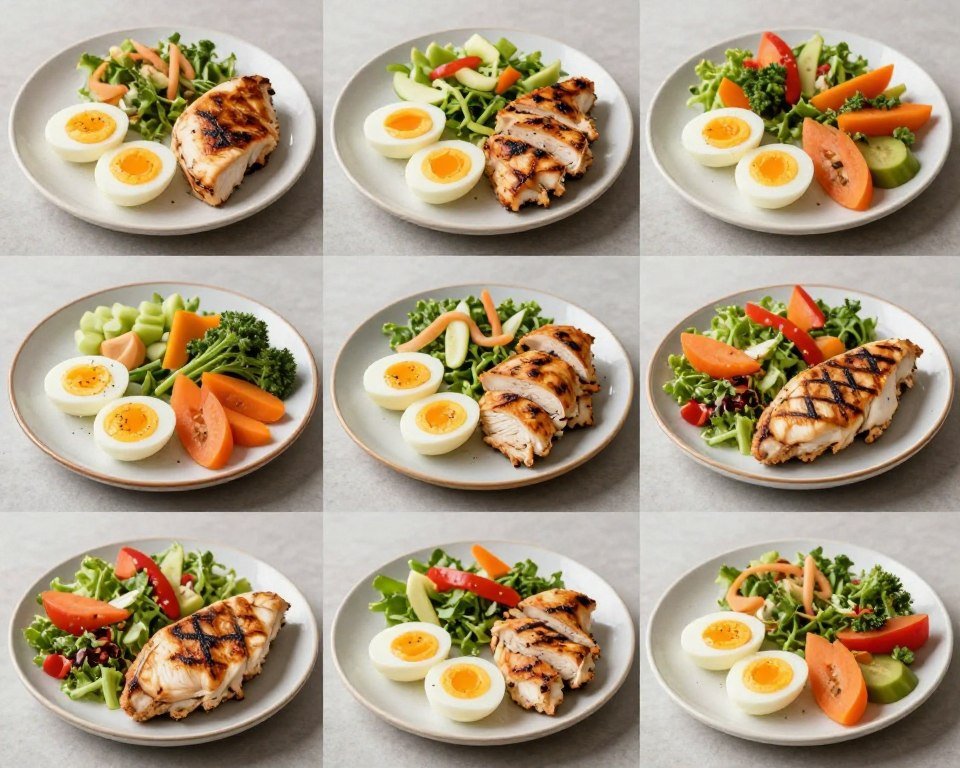
This comprehensive 14-day plan provides specific meal guidance for each day. The plan balances nutrition while maintaining the calorie deficit necessary for weight loss.

Week One: Days 1-7
Day 1
Breakfast: Two boiled eggs with half a grapefruit and black coffee or green tea. This combination provides approximately 200 calories and starts your metabolism with quality protein.
Lunch: Two boiled eggs with a large mixed green salad dressed with lemon juice. Add cucumber, tomatoes, and leafy greens for approximately 250 calories total.
Dinner: Grilled chicken breast (4 ounces) with steamed broccoli and green beans. This meal delivers lean protein and fiber while keeping calories around 300.
Day 2
Breakfast: Two boiled eggs with one slice of whole grain toast and half an orange. The complex carbohydrates provide sustained energy for morning activities.
Lunch: Grilled chicken salad with mixed greens, cherry tomatoes, and balsamic vinegar. Include one boiled egg for additional protein and nutrients.
Dinner: Baked fish (cod or tilapia) with steamed asparagus and a small portion of roasted bell peppers. Fish provides omega-3 fatty acids and keeps dinner light.
Day 3
Breakfast: Two boiled eggs with fresh spinach sautéed in minimal olive oil. Add a small apple for natural sweetness and additional fiber.
Lunch: Tuna salad made with water-packed tuna, diced celery, and lemon juice on a bed of mixed greens. No mayonnaise to keep calories controlled.
Dinner: Turkey breast (4 ounces) with roasted zucchini and yellow squash. Season with herbs instead of heavy sauces or butter.
Day 4
Breakfast: Vegetable omelet using two eggs with diced tomatoes, onions, and mushrooms. Pair with black coffee or herbal tea.
Lunch: Two boiled eggs with steamed green beans and a small portion of cottage cheese. This combination provides calcium and protein.
Dinner: Grilled chicken breast with a large portion of mixed vegetables including broccoli, carrots, and cauliflower. Light seasoning with garlic and herbs.
Day 5
Breakfast: Two boiled eggs with half a grapefruit and a cup of fresh strawberries. The fruit provides vitamin C and antioxidants.
Lunch: Chicken and vegetable soup (homemade, low sodium) with a side salad. The warm soup increases satiety while keeping calories low.
Dinner: Baked salmon (4 ounces) with roasted Brussels sprouts and a small green salad. Salmon provides healthy fats essential for hormone production.
Day 6
Breakfast: Two boiled eggs with sautéed kale and a small orange. The dark leafy greens provide iron and other essential minerals.
Lunch: Grilled turkey burger (no bun) with sliced tomatoes, lettuce, and pickles. Serve on a bed of mixed greens instead of bread.
Dinner: Stir-fried chicken with bok choy, snap peas, and bean sprouts. Use minimal oil and season with ginger and garlic.
Day 7
Breakfast: Two boiled eggs with fresh berries (blueberries and raspberries) and unsweetened almond milk. This provides antioxidants and low-calorie hydration.
Lunch: Shrimp salad with mixed greens, cucumber, and lemon dressing. Shrimp offers high protein with very low calorie content.
Dinner: Grilled chicken breast with roasted eggplant and tomatoes. Season with Italian herbs for flavor without added calories.
Week Two: Days 8-14
Day 8
Breakfast: Two boiled eggs with half a grapefruit and green tea. Starting week two with the same foundational breakfast maintains consistency.
Lunch: Chicken Caesar salad without croutons or heavy dressing. Use one boiled egg and light lemon-based dressing for flavor.
Dinner: Baked cod with steamed broccoli and cauliflower. The white fish provides lean protein perfect for an evening meal.
Day 9
Breakfast: Scrambled eggs (two eggs) with diced bell peppers and onions. Pair with a small portion of fresh melon.
Lunch: Tuna-stuffed tomatoes with a side of mixed greens. This creative presentation makes lunch more enjoyable while maintaining low calories.
Dinner: Grilled turkey breast with roasted asparagus and a small cucumber salad. Light and satisfying for evening consumption.
Day 10
Breakfast: Two boiled eggs with spinach smoothie (spinach, water, ice, small apple). The smoothie provides nutrients in an easily digestible form.
Lunch: Grilled chicken with a large Greek salad (no feta, light olive oil and lemon dressing). Mediterranean flavors make this lunch satisfying.
Dinner: Baked tilapia with steamed green beans and sliced tomatoes. Simple preparation highlights natural food flavors.
Day 11
Breakfast: Egg white omelet (using three egg whites) with mushrooms and tomatoes. Egg whites reduce calorie intake while maintaining protein.
Lunch: Two boiled eggs with vegetable soup (low sodium, homemade). The warm soup provides comfort while supporting weight loss goals.
Dinner: Grilled chicken breast with mixed roasted vegetables including zucchini, bell peppers, and onions. Roasting brings out natural vegetable sweetness.
Day 12
Breakfast: Two boiled eggs with half a grapefruit and a handful of almonds (approximately 10). The healthy fats from almonds support hormone production.
Lunch: Shrimp and avocado salad on mixed greens with lime dressing. The avocado provides essential healthy fats in controlled portions.
Dinner: Turkey meatballs (made with ground turkey, no breadcrumbs) with marinara sauce and sautéed spinach. Protein-rich and satisfying dinner option.
Day 13
Breakfast: Two boiled eggs with fresh berries and a cup of green tea. The antioxidants in berries and tea support overall health during the diet.
Lunch: Chicken and vegetable stir-fry with minimal oil. Include bok choy, snow peas, and carrots for variety and nutrients.
Dinner: Baked salmon with roasted Brussels sprouts and a small mixed greens salad. The omega-3s in salmon provide anti-inflammatory benefits.
Day 14
Breakfast: Two boiled eggs with sautéed kale and half an orange. Ending the two weeks with nutrient-dense foods sets up healthy eating habits.
Lunch: Grilled chicken salad with mixed vegetables and lemon vinaigrette. A light but satisfying midday meal for the final day.
Dinner: Grilled white fish with steamed asparagus and cherry tomatoes. A clean, simple meal to complete the 14-day plan successfully.

Get Your Complete 14-Day Plan Now
Download our printable PDF guide with detailed meal plans, recipes, and shopping lists. Everything you need to succeed with the boiled egg diet in one convenient package.
Printable Meal Plan Section
Having a physical meal plan makes following the boiled egg diet significantly easier. This printable section provides a quick reference guide you can keep in your kitchen.
Weekly Meal Overview
The meal plan follows a consistent pattern designed to simplify shopping and preparation. Each day includes approximately 800-1000 calories distributed across three meals.
| Meal | Typical Components | Calories | Protein |
| Breakfast | 2 boiled eggs, fruit, beverage | 200-250 | 12-14g |
| Lunch | Lean protein, large salad, vegetables | 300-350 | 25-30g |
| Dinner | Grilled protein, steamed vegetables | 300-400 | 30-35g |
Quick Reference Meal Templates
These templates provide flexible frameworks you can customize based on available ingredients while maintaining the diet’s core principles.
Breakfast Template
Base: Two boiled eggs (140 calories)
Plus one of:
- Half grapefruit (40 calories)
- Small orange (45 calories)
- Cup of berries (50 calories)
- Small apple (55 calories)
Beverage: Black coffee, green tea, or herbal tea
Lunch Template
Protein (choose one):
- 4 oz grilled chicken (140 calories)
- 2 boiled eggs (140 calories)
- 4 oz fish (120 calories)
- 4 oz turkey (120 calories)
Plus: Large mixed salad with lemon dressing (80-100 calories)
Dinner Template
Protein (choose one):
- 4 oz grilled chicken (140 calories)
- 4 oz fish (120 calories)
- 4 oz turkey (120 calories)
- 4 oz lean beef (160 calories)
Plus: Two cups steamed vegetables (80-100 calories)
Meal Prep Tips for Success
Preparation makes following the egg diet much easier. These strategies help you stay consistent throughout the 14 days.
Boil eggs in bulk at the beginning of each week. Cook 14-20 eggs on Sunday, storing them in the refrigerator for quick breakfast preparation throughout the week.
Pre-portion protein servings in advance. Grill multiple chicken breasts or fish fillets at once, dividing them into four-ounce portions for easy meal assembly.
Wash and chop vegetables ahead of time. Store pre-cut vegetables in airtight containers to make salad preparation quick and convenient.
Prepare dressings and marinades in small batches. Make a week’s worth of lemon vinaigrette or herb marinade to add flavor without added preparation time.
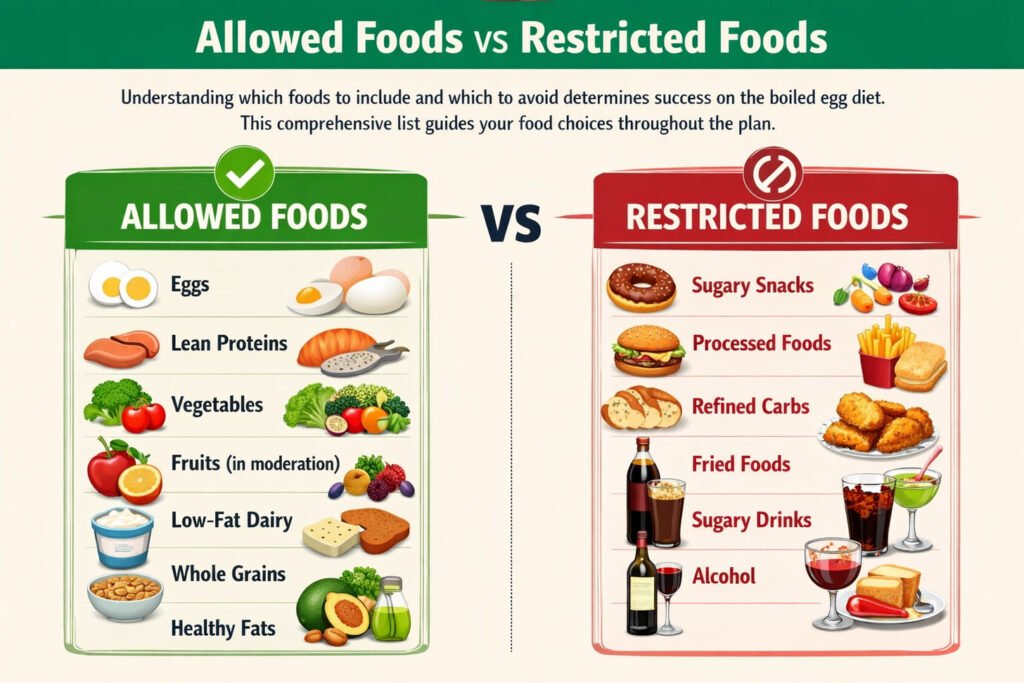
Allowed Foods vs Restricted Foods
Understanding which foods to include and which to avoid determines success on the boiled egg diet. This comprehensive list guides your food choices throughout the plan.
Allowed Foods List
These foods form the foundation of your daily meals. They provide essential nutrients while supporting weight loss goals through their nutritional profiles.
Protein Sources
Lean proteins provide the building blocks your body needs while keeping calorie intake controlled. Focus on these high-quality protein options throughout the diet.
- Eggs (boiled, poached, or scrambled with minimal oil)
- Chicken breast (skinless, grilled or baked)
- Turkey breast (lean cuts only)
- White fish (cod, tilapia, halibut)
- Salmon (rich in omega-3 fatty acids)
- Tuna (water-packed, no oil)
- Shrimp and other shellfish
- Lean beef (95% lean, limited portions)
Vegetables
Vegetables provide essential vitamins, minerals, and fiber while adding volume to meals with minimal calories. Eat vegetables freely in recommended portions.
Leafy Greens:
- Spinach
- Kale
- Lettuce (all varieties)
- Arugula
- Swiss chard
- Collard greens
Cruciferous Vegetables:
- Broccoli
- Cauliflower
- Brussels sprouts
- Cabbage
- Bok choy
Other Vegetables:
- Tomatoes
- Cucumbers
- Bell peppers
- Zucchini
- Asparagus
- Green beans
- Mushrooms
- Onions
Limited Starchy Vegetables:
- Small portions of carrots
- Limited beets
- Minimal winter squash
Note: Starchy vegetables should be eaten in smaller quantities due to higher carbohydrate content.
Fruits
Fruits provide natural sweetness along with vitamins and antioxidants. Choose lower-sugar options and watch portion sizes to maintain the diet’s effectiveness.
- Grapefruit (half serving)
- Berries (strawberries, blueberries, raspberries)
- Apples (small to medium)
- Oranges (small to medium)
- Melons (limited portions)
- Lemons and limes (for flavoring)
Beverages
Proper hydration supports weight loss and overall health. Stick to zero-calorie beverages to avoid adding unnecessary calories.
- Water (drink at least eight glasses daily)
- Black coffee (no cream or sugar)
- Green tea (unsweetened)
- Herbal tea (unsweetened)
- Sparkling water (unflavored)
Healthy Fats (Limited)
Small amounts of healthy fats support hormone production and vitamin absorption. Use sparingly to keep calories controlled.
- Olive oil (for cooking, minimal amounts)
- Avocado (small portions, not daily)
- Nuts (very limited, 10-12 pieces maximum)
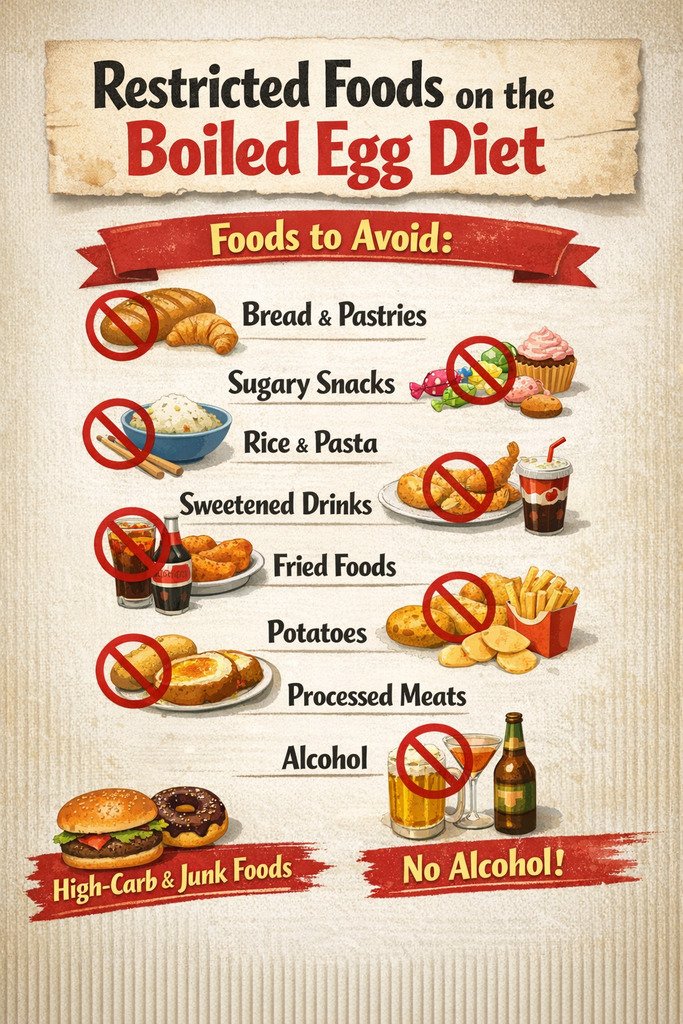
Restricted Foods List
Avoiding these foods creates the calorie deficit and metabolic conditions necessary for the diet’s success. Eliminating these items removes empty calories and reduces hunger-inducing processed foods.
Grains and Starches
Most grains and starchy foods are eliminated to reduce carbohydrate intake and maintain the diet’s low-calorie structure.
- Bread (all types including whole grain)
- Pasta and noodles
- Rice (white and brown)
- Quinoa and other whole grains
- Oatmeal and breakfast cereals
- Crackers and chips
- Potatoes (white and sweet)
- Corn and corn products
Sugars and Sweets
All forms of added sugar must be eliminated. These foods provide empty calories that sabotage weight loss efforts.
- White sugar and brown sugar
- Honey and maple syrup
- Candy and chocolate
- Cookies, cakes, and pastries
- Ice cream and frozen desserts
- Sweetened yogurt
- Jam and jelly
Processed Foods
Processed foods contain hidden sugars, unhealthy fats, and excessive sodium that interfere with weight loss and overall health.
- Fast food and restaurant meals
- Frozen dinners and convenience meals
- Deli meats with added sugars
- Packaged snack foods
- Canned soups (high sodium)
- Salad dressings with added sugar
- Condiments high in sugar
Beverages to Avoid
Liquid calories add up quickly without providing satiety. Eliminate all caloric beverages during the diet period.
- Soda and soft drinks
- Fruit juices
- Sweetened coffee drinks
- Energy drinks
- Alcoholic beverages
- Sweetened tea
- Flavored water with added sugar
- Milk (even skim milk)
High-Fat Foods
While some healthy fats are allowed in small amounts, high-fat foods must be avoided to maintain appropriate calorie levels.
- Butter and margarine
- Cream and half-and-half
- Cheese (all types)
- Fatty cuts of meat
- Bacon and sausage
- Fried foods
- Mayonnaise
- Creamy sauces and gravies
Reading Food Labels
Understanding food labels helps you identify hidden sugars and unnecessary additives in packaged foods. Even seemingly healthy items may contain ingredients that conflict with diet goals.
Check the ingredients list for added sugars under various names. Sugar appears as dextrose, maltose, corn syrup, cane juice, and many other terms designed to disguise its presence.
Examine serving sizes carefully to understand true calorie content. Many packages contain multiple servings, making it easy to underestimate calorie intake if you consume the entire package.
Watch for hidden carbohydrates in processed meats and condiments. Many products add fillers and sweeteners that increase carbohydrate content beyond what you would expect.
Complete Grocery Shopping List
This comprehensive shopping list contains everything needed for the full 14-day boiled egg diet plan. Organize your shopping trip by category for maximum efficiency.

Protein Section
Purchase high-quality protein sources that will serve as meal foundations. Buy appropriate quantities to last the full two weeks.
Essential Proteins
- 3-4 dozen eggs (large, fresh)
- 2-3 pounds boneless, skinless chicken breast
- 1-2 pounds turkey breast
- 2 pounds white fish fillets (cod, tilapia)
- 1 pound salmon fillets
- 2-3 cans water-packed tuna
- 1 pound shrimp (fresh or frozen)
Optional Proteins
- 1 pound lean ground turkey
- 1 pound lean beef (95% lean)
- Additional fish varieties for diversity
Produce Section
Fresh vegetables and fruits form the bulk of your shopping cart. Choose a variety of colors to ensure diverse nutrient intake.
Leafy Greens and Salad Vegetables
- 3-4 heads of romaine lettuce
- 2 containers of mixed salad greens
- 2 bunches of spinach
- 1 bunch of kale
- 2 bunches of arugula
- 3-4 cucumbers
- 2 pounds cherry tomatoes
- 6-8 large tomatoes
Other Vegetables
- 3-4 heads of broccoli
- 2 heads of cauliflower
- 2 pounds green beans
- 2 bunches asparagus
- 3-4 bell peppers (variety of colors)
- 4-5 zucchini
- 2 pounds Brussels sprouts
- 1 pound mushrooms
- 3-4 onions
- 1 head garlic
- 1 bunch celery
- 2-3 eggplants
Fruits
- 6-8 grapefruits
- 6-8 oranges
- 6-8 apples
- 2 containers strawberries
- 2 containers blueberries
- 1 container raspberries
- 1 small melon
- 4-5 lemons
- 3-4 limes
Pantry Essentials
Stock these shelf-stable items to add flavor and variety to your meals without adding significant calories.
- Extra virgin olive oil (small bottle)
- Balsamic vinegar
- Apple cider vinegar
- Low-sodium chicken broth
- Low-sodium vegetable broth
- Dried herbs (basil, oregano, thyme, rosemary)
- Black pepper
- Garlic powder
- Onion powder
- Red pepper flakes
- Mustard (yellow and Dijon)
Beverage Section
Stay hydrated with zero-calorie beverages that support your weight loss goals and overall health.
- Coffee (if you drink it)
- Green tea bags
- Herbal tea variety pack
- Sparkling water (unflavored)
Shopping Tips
Smart shopping strategies help you stay within budget while ensuring you have everything needed for diet success.
Shop the perimeter of the grocery store first. Fresh produce, meats, and eggs typically line the outer edges, while processed foods occupy center aisles.
Buy eggs and proteins on sale when possible. Stock up if your store offers discounts, as both eggs and frozen proteins store well for extended periods.
Choose seasonal produce for better prices and flavor. Seasonal vegetables and fruits cost less and taste better than out-of-season alternatives.
Consider frozen vegetables as convenient alternatives. Frozen vegetables offer similar nutritional value to fresh options and reduce food waste from spoilage.
Bring reusable bags to carry your groceries. Many stores offer small discounts for bringing your own bags, and they are better for the environment.
Get Your Complete 14-Day Plan Now
Download our printable PDF guide with detailed meal plans, recipes, and shopping lists. Everything you need to succeed with the boiled egg diet in one convenient package.
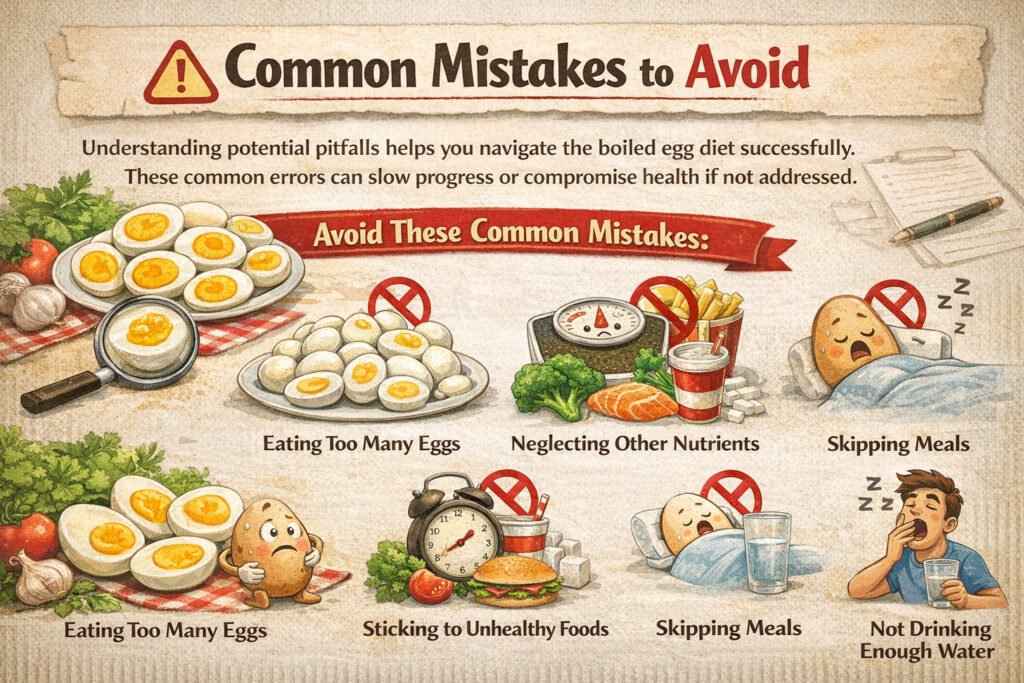
Common Mistakes to Avoid
Understanding potential pitfalls helps you navigate the boiled egg diet successfully. These common errors can slow progress or compromise health if not addressed.
Nutrition-Related Mistakes
Proper nutrition within the diet’s framework ensures you lose weight safely while maintaining energy and health.
Not Drinking Enough Water
Inadequate water intake represents one of the most common and easily avoidable mistakes. Your body needs extra water during weight loss to flush out toxins and support metabolic processes.
Dehydration can mimic hunger signals, leading to unnecessary snacking or larger portions. Many people mistake thirst for hunger, especially during calorie restriction.
Aim for at least eight to ten glasses of water daily. Increase intake if you exercise or live in a hot climate where perspiration increases fluid needs.
Set reminders on your phone to drink water throughout the day. Carry a reusable water bottle to make hydration convenient wherever you go.
Skipping Meals
Missing planned meals disrupts blood sugar levels and increases the likelihood of overeating later. The diet’s three-meal structure supports stable energy throughout the day.
Skipping breakfast particularly affects weight loss success. Research consistently shows that breakfast eaters tend to lose more weight and maintain better eating habits throughout the day.
Plan meals in advance to avoid situations where you have nothing prepared. Meal prep on weekends ensures you always have compliant options available.
Eating Too Few Calories
Consuming fewer calories than the plan recommends seems like it would accelerate weight loss, but it actually backfires by slowing metabolism and causing muscle loss.
Severely restricted calorie intake triggers the body’s starvation response. This protective mechanism slows metabolic rate to conserve energy, making further weight loss increasingly difficult.
Follow the meal plan as written without cutting portions further. The calorie levels are already quite low and calculated to maximize fat loss while preserving health.
Not Getting Enough Variety
Eating the exact same meals every day increases the risk of nutrient deficiencies and makes the diet harder to sustain psychologically.
Rotate through different vegetables, proteins, and fruits to ensure diverse nutrient intake. Each food provides unique vitamins, minerals, and beneficial compounds.
Experiment with different herbs and spices to keep meals interesting. Flavor variety helps prevent boredom without adding calories or forbidden ingredients.
Preparation and Planning Mistakes
Success on any diet requires proper planning and preparation. These organizational errors undermine even the best intentions.
Not Preparing Enough Food
Running out of prepared ingredients forces last-minute decisions that often lead to non-compliant food choices. Always have boiled eggs and pre-portioned proteins ready.
Dedicate time each Sunday to meal preparation for the upcoming week. Batch cooking saves time and removes daily decision-making that can lead to poor choices.
Keep backup options available for unexpected schedule changes. Canned tuna and pre-washed salad greens provide quick meal solutions when time is limited.
Ignoring Portion Sizes
Even healthy foods contribute calories that can exceed your daily targets if portions grow too large. Measure proteins and monitor fruit servings carefully.
Use a food scale initially to understand proper portion sizes. After a few days, you’ll develop better intuitive understanding of appropriate amounts.
Remember that the plan specifies four-ounce protein portions at lunch and dinner. This amount provides adequate protein without excessive calories.
Not Reading Labels
Many seemingly simple foods contain hidden sugars, oils, or additives that conflict with diet goals. Always check ingredient lists on packaged items.
Pre-packaged salads often include sugary dressings and toppings. Buy plain greens and make your own lemon-based dressings to control ingredients.
Some canned tuna contains added oils or broths with sugar. Always choose water-packed varieties with no additional ingredients beyond fish and water.
Behavioral and Mindset Mistakes
Your mental approach to the diet significantly impacts your success. These psychological pitfalls can sabotage even perfect meal adherence.
Having Unrealistic Expectations
Expecting to lose excessive amounts of weight in 14 days sets you up for disappointment. Healthy, sustainable weight loss occurs at moderate rates.
Most people lose between 8-15 pounds during the two-week period, with significant individual variation. Factors like starting weight, age, activity level, and gender all influence results.
Focus on non-scale victories like improved energy, better sleep, and clothing fitting differently. These changes often appear before significant scale movement.
Not Managing Social Situations
Social events and restaurant meals present challenges that require advance planning. Having a strategy prevents impulsive decisions that derail progress.
Communicate your dietary goals to friends and family who might otherwise pressure you to eat off-plan foods. Most people respect health goals when clearly explained.
If attending social events, eat a compliant meal before arrival to reduce hunger and temptation. Bring a dish to share that fits your diet plan.
At restaurants, request simple grilled proteins with steamed vegetables. Most establishments accommodate reasonable modifications to menu items.
Giving Up After One Slip
Perfection is not required for success. One off-plan meal does not ruin your entire effort or require starting over from day one.
If you eat something not on the plan, simply return to compliant eating at your next meal. The all-or-nothing mentality causes more damage than the actual slip itself.
Learn from mistakes rather than using them as excuses to quit. Identify what triggered the off-plan choice and develop strategies to handle similar situations better.
Not Planning for After the Diet
The boiled egg diet is designed as a short-term intervention, not a permanent eating style. Failing to plan for maintenance leads to rapid weight regain.
Gradually increase calorie intake after completing the 14 days. Sudden returns to previous eating habits cause quick weight regain and potential metabolic issues.
Use the diet as a reset and learning experience to develop better long-term eating habits. Incorporate lessons about portion control, vegetable intake, and processed food avoidance into your regular diet.
Before and After Expectations
Setting realistic expectations about the boiled egg diet helps you evaluate its appropriateness for your goals and avoid disappointment with normal results.

Typical Weight Loss Results
Weight loss varies significantly between individuals based on multiple factors. Understanding this variation helps you set appropriate personal goals.
Most people lose between 8 and 15 pounds during the 14-day period. This range accounts for differences in starting weight, metabolic rate, activity level, and adherence to the plan.
The first week typically shows more dramatic results than the second week. Initial rapid loss comes primarily from water weight as your body depletes glycogen stores.
Actual fat loss occurs more gradually at approximately one to two pounds per week. This rate represents healthy, sustainable fat loss that’s more likely to stay off long-term.
| Week | Expected Loss | Primary Source | Notes |
| Week 1 | 5-10 pounds | Water weight, some fat | Dramatic initial drop normal |
| Week 2 | 3-5 pounds | Primarily fat loss | Slower but more sustainable |
| Total | 8-15 pounds | Mixed | Individual variation normal |
Factors Affecting Individual Results
Your personal results depend on multiple variables beyond simple calorie restriction. Understanding these factors helps explain why outcomes differ between people.
Starting Weight and Body Composition
People with more weight to lose typically experience faster initial results. A person starting at 250 pounds will likely lose more than someone starting at 150 pounds.
Body composition affects metabolic rate and weight loss speed. Individuals with more muscle mass burn more calories at rest, potentially accelerating fat loss.
Age influences metabolic rate and hormone levels. Younger individuals often lose weight faster than older adults due to higher baseline metabolic rates.
Activity Level
Physical activity increases total daily calorie expenditure, creating a larger deficit. However, the diet’s low calorie intake may limit energy for intense exercise.
Light to moderate activity like walking supports the diet without requiring additional calories. Aim for 20-30 minutes of walking daily if energy permits.
Avoid starting new intense exercise programs while following the boiled egg diet. The calorie restriction may not provide adequate fuel for demanding workouts.
Adherence and Consistency
Perfect adherence to the plan produces better results than frequent deviations. Every off-plan choice slows progress toward your weight loss goal.
Consistency matters more than perfection. Following the plan 90-95% of the time still produces good results compared to erratic adherence.
Hormonal Factors
Thyroid function significantly impacts metabolic rate and weight loss capacity. Individuals with undiagnosed thyroid issues may experience slower than expected results.
Women may notice fluctuations related to menstrual cycles. Water retention during certain cycle phases can temporarily mask fat loss on the scale.
Stress and cortisol levels affect weight loss through multiple mechanisms. High stress can slow results by promoting water retention and affecting eating habits.
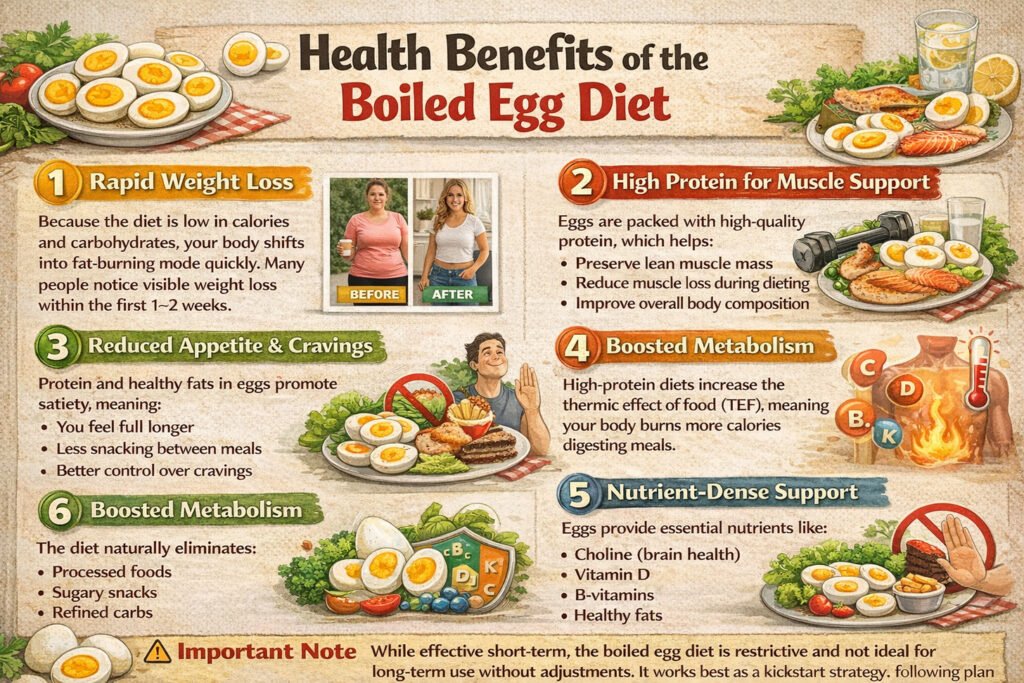
Non-Scale Changes to Expect
The scale tells only part of the story. Many positive changes occur that don’t show up as pounds lost but significantly improve health and appearance.
Physical Changes
- Reduced bloating and water retention within the first few days
- Improved digestion and more regular bowel movements
- Clearer skin as processed foods are eliminated
- Reduced inflammation throughout the body
- Better sleep quality due to stabilized blood sugar
- Increased energy levels as you adapt to the eating pattern
Body Measurements
Take measurements before starting the diet to track changes beyond the scale. Inches lost often precede or exceed pounds lost.
Measure waist, hips, thighs, and arms before beginning. Re-measure at day seven and day 14 to track progress in body composition.
Clothes fit differently even when the scale shows modest changes. Pay attention to how your clothing feels rather than focusing solely on the number.
Mental and Emotional Changes
- Improved mental clarity as blood sugar stabilizes
- Better mood due to reduced inflammation and stable energy
- Increased confidence from successfully following a structured plan
- Greater awareness of hunger versus habit-based eating
- Enhanced appreciation for whole, unprocessed foods
What Happens After the 14 Days
The period immediately following the diet determines whether you maintain your results or quickly regain lost weight. Planning this transition is crucial for long-term success.
Gradually increase calorie intake over one to two weeks following the diet. Add approximately 100-200 calories every few days rather than immediately returning to previous eating levels.
Continue emphasizing protein and vegetables while slowly reintroducing whole grains and complex carbohydrates. This gradual approach prevents rapid weight regain.
Maintain lessons learned about portion control and processed food avoidance. These habits serve you well beyond the 14-day period.
Some water weight regain is normal and expected when you increase carbohydrate intake. Don’t panic if the scale rises a few pounds in the first week after completing the diet.
Long-Term Maintenance Strategies
Use the boiled egg diet as a starting point for sustainable healthy eating rather than a quick fix followed by old habits.
Continue eating protein at every meal to maintain satiety and preserve muscle mass. You don’t need to eat eggs daily, but include quality protein sources.
Keep processed foods and added sugars minimal in your regular diet. These foods contributed to weight gain initially and will do so again if reintroduced freely.
Fill half your plate with vegetables at lunch and dinner. This simple rule from the diet applies to healthy eating permanently.
Monitor your weight weekly and take action if you notice upward trends. Catching regain early makes correction much easier than waiting until you’ve regained significant weight.
Frequently Asked Questions
These common questions address concerns and confusion about the boiled egg diet. Understanding these points helps you make informed decisions about whether this plan suits your needs.

Is the boiled egg diet safe for everyone?
The boiled egg diet is not appropriate for everyone. Pregnant or nursing women should not follow this restrictive plan due to increased nutritional needs during these periods.
People with diabetes or other blood sugar regulation issues should consult their healthcare provider before starting. The diet’s low carbohydrate content can affect medication requirements and blood sugar levels.
Individuals with a history of eating disorders should avoid restrictive diets that may trigger unhealthy eating patterns. Those with kidney disease should also consult a doctor due to the high protein content.
Anyone taking medications or managing chronic health conditions should discuss the diet with their healthcare provider before beginning.
Can I exercise while on the boiled egg diet?
Light to moderate exercise is acceptable and even beneficial during the diet. Walking, gentle yoga, and light stretching support weight loss without requiring excessive energy.
Avoid starting new intense exercise programs or increasing training volume while following the plan. The calorie restriction may not provide adequate fuel for demanding workouts or heavy strength training.
Listen to your body and reduce exercise intensity if you feel unusually fatigued or weak. Rest is more important than maintaining previous workout schedules during this short-term diet.
If you already follow a regular exercise routine, you may need to slightly reduce intensity or duration during the diet period.
Will I gain all the weight back after the diet?
Weight regain depends entirely on your eating habits after completing the 14 days. Returning to previous eating patterns that caused weight gain will naturally lead to regaining lost weight.
Gradual calorie increase and maintaining emphasis on protein and vegetables help preserve results. Some water weight regain is normal when you reintroduce carbohydrates, but this isn’t fat regain.
Use the diet as a reset and learning experience to develop better long-term habits. The lessons about portion control and whole food choices should continue beyond the two weeks.
Maintaining weight loss requires permanent changes to eating habits and activity levels, not returning to behaviors that caused weight gain initially.
Can I follow the diet for longer than 14 days?
Extending the diet beyond 14 days is not recommended without medical supervision. The plan’s restrictive nature makes it unsuitable for long-term following due to potential nutrient deficiencies.
Two weeks provides enough time to achieve significant results while limiting exposure to the diet’s nutritional limitations. Longer periods increase the risk of micronutrient deficiencies and metabolic adaptation.
If you want to continue losing weight after completing the 14 days, transition to a less restrictive but still calorie-controlled eating plan. This approach is healthier and more sustainable for extended weight loss.
Consult with a registered dietitian if you need ongoing structured meal planning for additional weight loss beyond the initial two weeks.
What if I don’t like eggs?
If you dislike eggs or have egg allergies, this particular diet is not appropriate for you. The boiled egg diet specifically centers around eggs as the primary breakfast protein source.
Consider alternative high-protein diets that don’t focus on eggs. Many other eating plans emphasize protein without requiring egg consumption at every breakfast.
Other protein sources like chicken, fish, or Greek yogurt can form the foundation of different diet approaches with similar weight loss potential.
Will I feel hungry all the time?
The first two to three days typically involve adjustment as your body adapts to reduced calories and carbohydrates. Initial hunger is normal and usually decreases as ketosis begins and hunger hormones adjust.
The high protein content helps reduce hunger compared to other very low-calorie diets. Protein increases satiety hormones and decreases ghrelin, the hunger hormone.
Drinking adequate water significantly reduces hunger sensations. Many people mistake thirst for hunger, especially during calorie restriction.
If hunger remains severe beyond the first few days, you may need to slightly increase vegetable portions while maintaining protein and keeping overall calories controlled.
Can I drink alcohol on this diet?
Alcohol is not permitted during the boiled egg diet. Alcoholic beverages provide empty calories without nutritional value, interfering with the calorie deficit necessary for weight loss.
Alcohol affects blood sugar regulation and can increase hunger and poor food choices. It also impairs fat burning as the body prioritizes metabolizing alcohol over burning fat stores.
Wait until after completing the 14-day plan to reintroduce alcohol if desired. Even then, moderate consumption supports better weight maintenance than frequent drinking.
What if I have high cholesterol?
Eggs contain dietary cholesterol, raising concerns for some people. However, dietary cholesterol has less impact on blood cholesterol than previously thought for most individuals.
People with familial hypercholesterolemia or those who respond strongly to dietary cholesterol should consult their doctor before starting an egg-heavy diet.
Recent research suggests that for most people, saturated fat affects cholesterol levels more than dietary cholesterol from eggs. The diet’s low saturated fat content may partially offset egg cholesterol concerns.
If you have cholesterol concerns, request blood work before starting and four weeks after completing the diet to monitor any changes.
Can vegetarians or vegans follow this diet?
Vegetarians who eat eggs can follow a modified version substituting plant-based proteins for meat and fish. Replace chicken and fish with tofu, tempeh, or additional eggs while maintaining similar calorie and protein targets.
Vegans cannot follow this diet as written since eggs are the central component. Plant-based high-protein diets exist that achieve similar weight loss without animal products.
Any modifications to accommodate vegetarian or vegan preferences should maintain similar protein and calorie levels to preserve the diet’s effectiveness.
Why do I need to avoid fruit juice if fruit is allowed?
Fruit juice removes fiber while concentrating natural sugars, making it easier to consume excessive calories quickly. One glass of orange juice contains the sugar from multiple oranges without the filling fiber.
Whole fruits provide fiber that slows sugar absorption, increases satiety, and supports digestive health. The chewing process also increases satisfaction compared to drinking calories.
Liquid calories don’t trigger the same fullness response as solid foods. Studies consistently show that beverages provide less satiety than equivalent calories from solid food.
The small portions of whole fruit allowed on the diet provide vitamins and fiber while keeping sugar and calorie intake controlled.
Conclusion
The boiled egg diet offers a structured approach to rapid weight loss through high protein intake and calorie restriction. This 14-day plan provides specific meal guidance that removes decision-making stress while creating conditions for significant fat loss.
Success with this diet requires commitment, preparation, and realistic expectations. Most people lose between 8 and 15 pounds over the two-week period, with results varying based on individual factors like starting weight, activity level, and adherence.
The diet works by leveraging protein’s thermic effect, creating substantial calorie deficits, and reducing carbohydrate intake to encourage fat burning. While effective for short-term weight loss, the plan is not designed for permanent following.
Use this experience to develop better long-term eating habits rather than viewing it as a quick fix. The lessons about portion control, whole food choices, and processed food avoidance benefit you well beyond the 14 days.
Remember that sustainable weight management requires permanent lifestyle changes. The boiled egg diet can jumpstart your journey, but lasting results come from maintaining healthier eating habits and regular physical activity over time.
Start Your Transformation Today
Download our comprehensive 14-day boiled egg diet plan with printable meal plans, delicious recipes, and complete shopping lists. Everything you need for success in one convenient PDF guide.
Explore More Boiled Egg Diet Resources
Want to go deeper? Use these guides to stay on track and maximize your results:
- See real boiled egg diet results and timelines
- Browse 50+ boiled egg diet recipes
- Learn how to meal prep the boiled egg diet
- Compare the boiled egg diet vs keto and fasting
Or start here: Boiled Egg Diet Complete Resource Center