
The boiled egg diet has captured attention across social media and health forums. People share dramatic transformation photos and impressive weight loss numbers. But what results can you realistically expect?
This comprehensive guide examines real boiled egg diet results. You’ll discover week-by-week timelines, understand the difference between fat loss and water weight, and explore actual case studies. We break down expectations for different age groups and body types.
Whether you’re considering this diet or already started, knowing realistic outcomes helps you stay motivated. The boiled egg diet combines lean protein with controlled portions. This approach can deliver noticeable results when followed properly.
Let’s explore what happens to your body during each phase of this eating plan. You’ll learn the science behind the weight loss and discover strategies to maximize your success.
Ready to Start Your Transformation?
Get our complete 14-day boiled egg diet plan with printable meal schedules, recipes, and shopping lists. See what thousands have used to achieve their weight loss goals.
Understanding the Boiled Egg Diet Approach
The boiled egg diet is a short-term eating plan focused on high protein intake and low carbohydrate consumption. Hard-boiled eggs serve as the primary source of lean protein throughout the day. This diet typically lasts between 14 to 28 days.
Most versions allow unlimited eggs per day, though many people consume two eggs at breakfast and lunch. The diet also includes lean protein sources like chicken, fish, and turkey. Vegetables, particularly leafy greens, make up a significant portion of each meal.
The plan restricts several food groups. You’ll avoid whole grains, processed foods, sugary drinks, and most fruits. This creates a calorie deficit while maintaining adequate protein intake. The high protein content helps preserve muscle mass during weight loss.

The boiled egg diet works through multiple mechanisms. Protein requires more energy to digest than carbohydrates or fats. This thermogenic effect slightly increases your daily calorie burn. Eggs also provide essential nutrients including vitamin B12, selenium, and choline.
Different versions of this diet exist. Some allow small amounts of fruit, while others permit specific whole grains. The traditional version remains the most restrictive. Understanding which version you’re following affects your expected results.
This eating plan isn’t designed for long-term use. Most nutritionists recommend treating it as a short-term weight loss jumpstart. The restrictive nature makes it challenging to maintain beyond a few weeks. Many people transition to a more balanced eating plan after completing the initial phase.
Day 3 Results: What Happens in the First 72 Hours
The first three days bring the most dramatic changes. Your body depletes glycogen stores during this initial phase. Each gram of glycogen binds with approximately three grams of water. As glycogen levels drop, water weight decreases rapidly.
Most people notice 2-4 pounds of weight loss by day three. This number varies based on starting weight and previous eating habits. Someone transitioning from a high-carbohydrate diet will see more initial weight loss. The scale movement feels encouraging but represents mostly water weight.
Common Day 3 Experiences
- Reduced bloating and water retention
- Increased energy after initial adjustment
- Less hunger between meals
- Clearer mental focus
- Flatter stomach appearance
Potential Challenges
- Mild headaches from carb reduction
- Initial fatigue during adaptation
- Digestive system adjustments
- Food cravings for restricted items
- Social eating situations become difficult
Your appetite changes noticeably during these first days. High protein intake promotes satiety hormones like peptide YY and GLP-1. These hormones signal fullness to your brain. You’ll likely feel satisfied with smaller portions than usual.
Some people experience mild side effects during the first 72 hours. Headaches occur as your body adjusts to lower carbohydrate intake. Drinking adequate water helps minimize these symptoms. Aim for at least eight glasses daily to support the transition.
Energy levels may fluctuate initially. Some people report feeling sluggish on day two or three. This temporary dip happens as your metabolism shifts fuel sources. By day four, most people notice their energy stabilizing or even increasing.
Physical changes become visible quickly. Reduced bloating creates a flatter stomach appearance. Clothes may fit slightly looser around the waist. These changes motivate many people to continue beyond the challenging first days.
Week 1 Results: First Seven Days Breakdown
The first week produces the most impressive scale numbers. Average weight loss ranges from 5-10 pounds during this initial period. Individual results depend on starting weight, gender, age, and adherence level. Heavier individuals typically lose more weight initially.
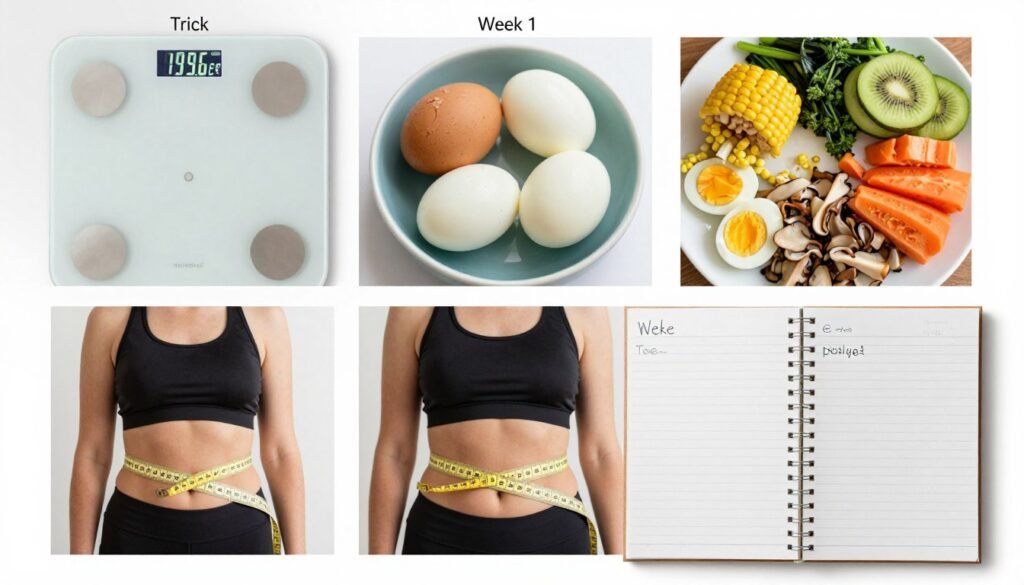
Understanding the composition of this weight loss matters. Approximately 60-70% represents water weight during week one. The remaining 30-40% comes from actual fat loss and reduced digestive system content. Your body continues burning through glycogen stores while adapting to the new eating pattern.
Fat loss during the first week typically ranges from 1.5-3 pounds for most people. This aligns with safe, sustainable weight loss recommendations. The high protein intake helps preserve lean muscle mass while your body burns stored fat for energy.
| Day | Average Weight Change | Primary Loss Type | Common Experience |
| Day 1-2 | 1-2 lbs | Water weight | Initial adjustment, possible hunger |
| Day 3-4 | 2-3 lbs | Water and glycogen | Energy dip, reduced cravings |
| Day 5-7 | 2-4 lbs | Mixed water and fat | Stabilized energy, visible changes |
Physical changes extend beyond the scale. Many people notice improved digestion by the end of week one. The diet eliminates common inflammatory foods and processed items. This reduction often decreases bloating and digestive discomfort.
Skin appearance may improve during this first week. Increased water intake and reduced sugar consumption benefit skin health. Some people report clearer complexion and reduced puffiness, especially around the face and eyes.
Mental clarity often improves as the week progresses. After the initial adjustment period, stable blood sugar levels support consistent energy. The absence of sugar crashes and carbohydrate-induced fatigue creates better focus throughout the day.
Clothing fits noticeably different by day seven. The combination of reduced water retention and actual fat loss creates visible changes. Waistbands feel looser, and fitted clothing shows the difference. These tangible results encourage continued adherence.
Experience These Results Yourself
Our proven 14-day meal plan includes everything you need: daily menus, portion guides, recipe cards, and grocery lists. Start seeing changes within the first week.
2 Week Egg Diet Results: The Complete First Phase
Two weeks marks a significant milestone on the boiled egg diet. Most people lose between 8-15 pounds by day 14. This range reflects different body types, starting weights, and adherence levels. The weight loss rate typically slows slightly during the second week compared to the first.
Fat loss becomes more prominent during weeks two. Your body has adapted to the eating pattern and efficiently burns stored fat. Average fat loss reaches 3-5 pounds during this period. The remaining weight loss comes from continued water balance adjustments and reduced inflammation.

Body composition changes become more apparent at the two-week mark. Muscle definition improves, particularly in the abdominal area. The high protein intake supports muscle preservation while fat decreases. This creates a leaner, more toned appearance even beyond the scale numbers.
Energy levels stabilize significantly by week two. Your metabolism has adjusted to the lower carbohydrate intake. Many people report feeling more energetic than before starting the diet. Stable blood sugar throughout the day eliminates energy crashes and mid-afternoon fatigue.
- Sustained appetite control with reduced cravings
- Improved sleep quality and morning alertness
- Noticeable reduction in waist circumference
- Better fitting clothes, often down one size
- Enhanced mood and mental clarity
- Reduced joint inflammation and discomfort
- Healthier skin tone and texture
Measurements provide better insight than scale weight alone. Take waist, hip, and thigh measurements at the two-week point. Most people see 1-3 inches lost from the waist circumference. Hip measurements typically decrease 0.5-2 inches during this period.
Blood sugar regulation improves notably by day 14. People with insulin resistance often experience better glucose control. This benefit extends beyond weight loss, potentially reducing long-term risk of metabolic health issues. However, anyone with diabetes should consult their doctor before starting.
The psychological impact at two weeks proves significant. Visible results and improved well-being boost motivation. Many people feel empowered by their success and more confident in their ability to maintain healthy habits. This mental shift often matters more than the physical changes.
Fat Loss vs Water Weight: Understanding the Difference
Distinguishing between fat loss and water weight helps set realistic expectations. Water weight fluctuates quickly, sometimes changing 2-5 pounds within 24 hours. True fat loss occurs gradually, averaging 1-2 pounds per week when following a healthy deficit.
Your body stores carbohydrates as glycogen in muscles and the liver. Each gram of glycogen binds with approximately three grams of water. When you reduce carbohydrate intake, glycogen stores deplete. The bound water releases, creating rapid weight loss on the scale.
Water Weight Characteristics
Water weight changes happen rapidly and fluctuate frequently. You might lose 3-4 pounds in two days, then gain 2 pounds overnight. These variations don’t reflect fat gain or loss.
- Fluctuates daily based on sodium intake
- Changes with carbohydrate consumption
- Affected by hormonal cycles in women
- Responds to hydration levels
- Influenced by exercise intensity
True Fat Loss Indicators
Fat loss shows consistent downward trends over weeks. Measurements decrease steadily, and clothing fits progressively better. Physical changes appear gradually but remain stable.
- Steady weekly weight decrease
- Consistent measurement reductions
- Improved body composition
- Visible muscle definition
- Sustained results over time
Tracking methods help differentiate between the two types of weight loss. Weigh yourself at the same time daily, preferably first thing in the morning. Track the weekly average rather than daily fluctuations. This approach reveals true fat loss trends beneath water weight variations.
Body measurements provide more accurate fat loss tracking. Use a cloth measuring tape to record waist, hip, thigh, and arm circumference weekly. Fat loss shows through decreasing measurements even when the scale stalls. Progress photos taken every seven days reveal changes that numbers miss.
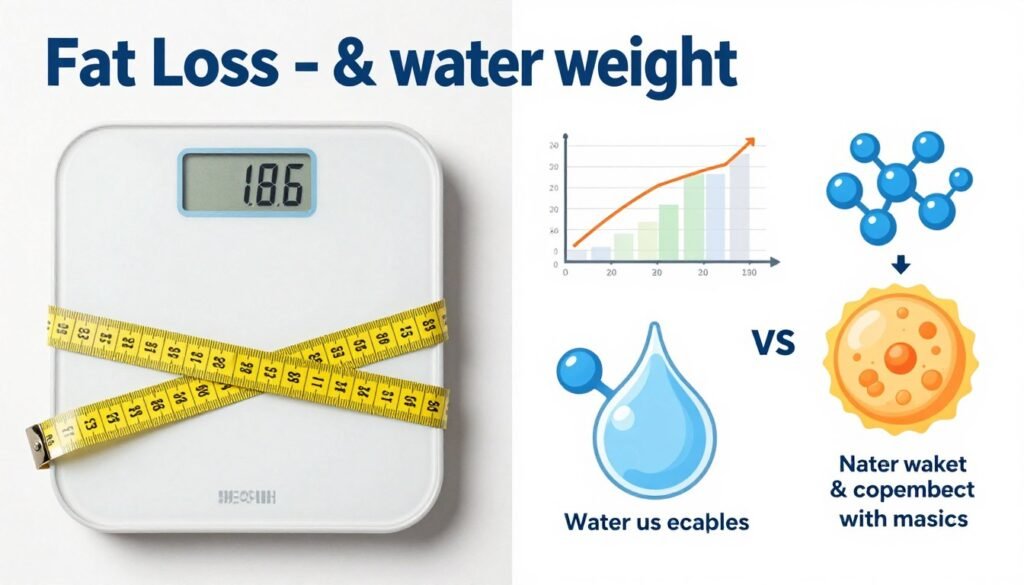
The boiled egg diet creates both water weight and fat loss. The first week shows more water weight reduction. Subsequent weeks demonstrate higher proportions of actual fat loss. Understanding this pattern prevents discouragement when weight loss slows after the initial rapid drop.
Body fat percentage measurements offer the most accurate assessment. While home scales with body fat features aren’t perfectly precise, they track relative changes well. Professional body composition testing through DEXA scans or hydrostatic weighing provides exact measurements but costs more.
Clothing fit serves as an excellent practical indicator. A pair of fitted jeans or a specific dress reveals true body composition changes. When clothes fit better despite a scale plateau, you’re losing fat while possibly retaining some water for recovery or hormonal reasons.
Real Case Studies: Before and After Transformations
Examining realistic case studies helps understand expected outcomes. These examples represent typical results based on different demographics and starting points. Individual experiences vary, but these scenarios reflect common patterns.
Case Study 1: Female, Age 32, Moderate Starting Weight

Starting Stats: Sarah, 32 years old, 5’6″ tall, starting weight 165 pounds, sedentary office job, previous diet experience including calorie counting and low-fat diets.
Week 1 Results: Lost 7 pounds (mostly water weight), waist decreased 1.5 inches, experienced mild headaches days 2-3, energy improved by day 5, reduced bloating and better digestion.
Week 2 Results: Lost additional 5 pounds (total 12 pounds), waist down another 1 inch, increased energy and mental clarity, better sleep quality, clothes fitting noticeably looser, no significant hunger or cravings.
Challenges Faced: Social situations at work lunches proved difficult, missed variety in foods by day 10, weekend meal planning required extra preparation, family dinners needed modifications.
Key Success Factors: Meal prepping on Sundays, drinking herbal tea for variety, joining online support group, taking daily progress photos, focusing on non-scale victories like energy levels.
Case Study 2: Male, Age 45, Higher Starting Weight
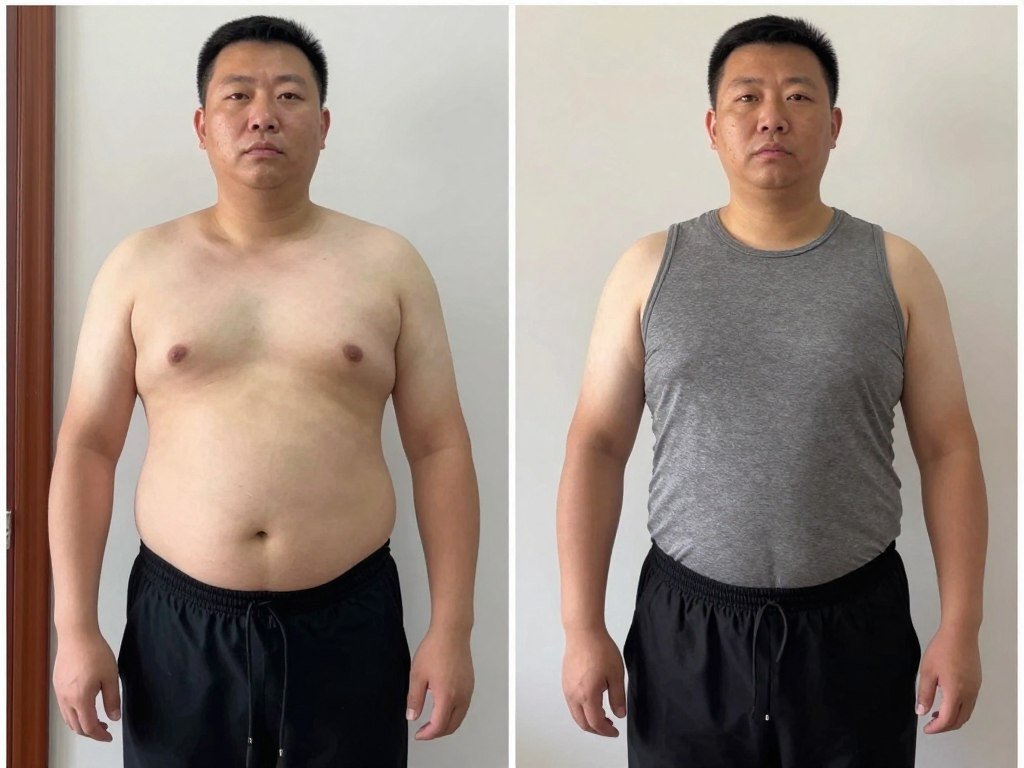
Starting Stats: Michael, 45 years old, 6’0″ tall, starting weight 230 pounds, moderately active with occasional gym visits, history of yo-yo dieting, high stress corporate job.
Week 1 Results: Lost 11 pounds (significant water weight due to higher carb baseline), waist measurement decreased 2 inches, initial energy dip followed by improvement, reduced inflammation in joints, better morning alertness.
Week 2 Results: Lost additional 7 pounds (total 18 pounds), waist down another 1.5 inches, consistent energy throughout workday, improved workout performance, blood pressure slightly decreased, overall sense of well-being.
Challenges Faced: Business dinners and client meetings complicated adherence, initial workout fatigue during adaptation, family skepticism about the restrictive approach, managing hunger during longer workdays.
Key Success Factors: Planning ahead for business meals, communicating goals with family, incorporating light walking daily, tracking macros to ensure adequate protein, using apps for meal tracking and accountability.
Case Study 3: Female, Age 52, Perimenopausal
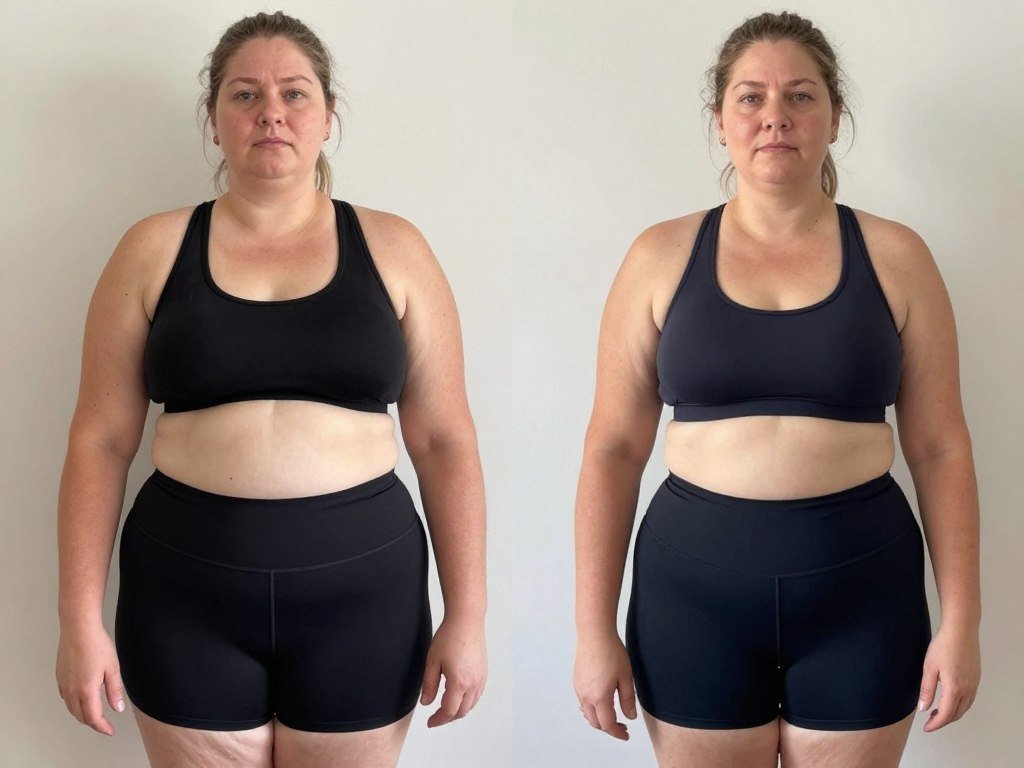
Starting Stats: Jennifer, 52 years old, 5’4″ tall, starting weight 172 pounds, experiencing perimenopause symptoms, previous unsuccessful diet attempts, concerned about age-related metabolism changes.
Week 1 Results: Lost 5 pounds (slower than younger dieters but consistent), waist decreased 1 inch, reduced hot flashes and night sweats, improved sleep despite hormonal challenges, less bloating and water retention.
Week 2 Results: Lost additional 4 pounds (total 9 pounds), waist down another 0.75 inches, stable energy without afternoon crashes, better mood regulation, reduced joint pain, improved skin appearance and hydration.
Challenges Faced: Slower metabolism required strict adherence, hormonal fluctuations affected water retention and scale readings, adjusting to food restrictions took longer, balancing diet with family meals.
Key Success Factors: Focusing on measurements rather than just scale weight, incorporating gentle yoga for stress management, drinking extra water during hot flashes, celebrating non-scale victories, joining age-specific support community.
These case studies demonstrate common patterns across different demographics. Men typically lose weight faster due to higher muscle mass and metabolic rate. Younger individuals often see quicker initial results. Women over 40 may experience slower but steady progress.
All three cases show significant results within two weeks. The absolute numbers differ, but the relative improvements prove substantial. Each person lost 5-8% of their starting body weight, a medically significant achievement in just 14 days.
Join Thousands Who Transformed Their Health
Get the exact meal plan these case studies followed. Includes customizable options for different calorie needs, allergies, and preferences. Printable PDFs with complete recipes,shopping guides, printable work sheets, meal plans, and more!
Before/After Expectations by Demographics
Weight loss results vary significantly based on individual factors. Understanding these differences helps set realistic expectations. Your age, gender, starting weight, and activity level all influence outcomes.
Male vs Female Results Differences
Men typically lose weight faster than women on the same diet. Higher testosterone levels support greater muscle mass, which burns more calories at rest. Men’s baseline metabolic rate averages 5-10% higher than women of similar size and age.
| Factor | Male Results | Female Results |
| Week 1 Average Loss | 8-12 pounds | 5-8 pounds |
| Week 2 Average Loss | 5-8 pounds | 3-5 pounds |
| Total 2-Week Average | 13-20 pounds | 8-13 pounds |
| Primary Challenge | Social eating pressure | Hormonal fluctuations |
Women face additional variables affecting weight loss. Hormonal fluctuations during the menstrual cycle cause water retention. This can mask fat loss on the scale, particularly during the luteal phase. Tracking measurements alongside weight provides better insight for women.
Over 40 Age Group Considerations
Metabolism naturally slows with age, decreasing approximately 2-4% per decade after age 30. Muscle mass declines without resistance training, further reducing metabolic rate. These factors mean people over 40 often lose weight more slowly than younger individuals.

The boiled egg diet still produces significant results for people over 40. Expected weight loss averages 6-12 pounds over two weeks for this age group. The high protein content helps preserve muscle mass, which becomes increasingly important with age.
- Focus on measurements and body composition rather than scale weight alone
- Expect 15-25% slower weight loss compared to people in their 20s
- Pay special attention to adequate protein intake for muscle preservation
- Consider light resistance training to support metabolic health
- Allow extra time for adaptation and energy stabilization
- Monitor for any medication interactions or health considerations
- Celebrate consistent progress rather than comparing to younger dieters
Starting Weight Impact on Results
Initial body weight significantly influences the rate of weight loss. People with more weight to lose typically see faster initial results. Someone starting at 250 pounds will likely lose more pounds per week than someone starting at 150 pounds.
However, percentage of body weight lost often remains similar across starting weights. A person losing 15 pounds from 200 pounds achieves 7.5% body weight loss. Someone losing 8 pounds from 140 pounds also reaches approximately 5.7% loss. Both represent significant achievements.
Heavier individuals carry more water weight initially. The reduction in glycogen stores and inflammation creates more dramatic scale movement during the first week. This doesn’t diminish the achievement but explains why absolute numbers differ.
| Starting Weight Range | Expected 2-Week Loss | Percentage Lost | Primary Benefits |
| 130-160 lbs | 6-10 lbs | 4-7% | Better muscle definition, reduced bloating |
| 160-190 lbs | 8-13 lbs | 5-8% | Noticeable size reduction, improved energy |
| 190-220 lbs | 10-16 lbs | 5-8% | Significant measurements decrease, health markers improve |
| 220+ lbs | 12-20 lbs | 5-9% | Dramatic visible changes, mobility improvements |
Setting appropriate expectations based on your demographic prevents discouragement. Compare your progress to realistic benchmarks rather than generalized claims. Track your individual journey rather than comparing to others with different starting points.
Understanding and Breaking Through Plateaus
Weight loss plateaus frustrate many dieters. Your scale stops moving despite continued adherence to the plan. Understanding why plateaus happen helps you navigate them successfully. Most people experience a plateau around weeks 2-3 of the boiled egg diet.
Your body adapts to calorie restriction through metabolic adaptation. As you lose weight, your body requires fewer calories to maintain basic functions. A person weighing 200 pounds burns more calories at rest than the same person at 185 pounds. This natural adjustment slows weight loss over time.
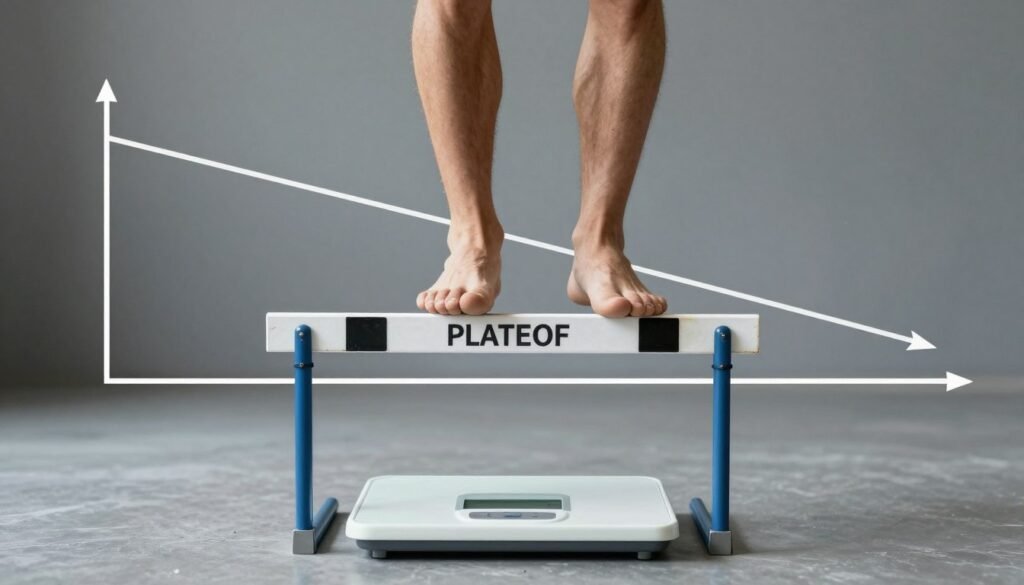
Water retention often masks continued fat loss during plateaus. Increased cortisol from stress or intense exercise causes temporary water retention. Women experience this particularly during certain menstrual cycle phases. The scale may not move for 5-7 days while fat loss continues underneath.
Common Plateau Triggers
- Metabolic adaptation to reduced calorie intake
- Hormonal changes affecting water balance
- Inadequate sleep disrupting hunger hormones
- Stress-induced cortisol elevation
- Decreased non-exercise activity thermogenesis
- Insufficient protein intake affecting muscle retention
- Hidden calories from condiments or beverages
Strategies to Break Through Plateaus
Several evidence-based strategies help overcome weight loss plateaus. The key involves changing your approach slightly to stimulate continued progress. Small adjustments often produce better results than drastic changes.
Dietary Adjustments
Recalculate your calorie needs based on current weight. As you lose pounds, your body requires fewer calories. Ensure you’re eating enough protein to preserve muscle mass.
- Increase vegetable intake for volume without calories
- Verify portion sizes haven’t gradually increased
- Eliminate any hidden calorie sources
- Consider a refeed day with slightly higher calories
Lifestyle Modifications
Focus on factors beyond diet that influence weight loss. Sleep quality, stress management, and daily movement all affect results significantly.
- Prioritize 7-9 hours of quality sleep nightly
- Increase daily steps by 2,000-3,000
- Add resistance training to preserve muscle
- Practice stress reduction techniques
Patience proves essential during plateaus. True plateaus last 3-4 weeks, not just a few days. Short-term scale fluctuations don’t represent actual plateaus. Continue tracking measurements and progress photos to identify continued fat loss the scale might miss.
Sometimes the best strategy involves maintaining your current approach. If you’re following the plan correctly and feeling good, trust the process. Your body may need time to consolidate weight loss before continuing. Avoid making drastic changes out of frustration.
Consider transitioning to a more moderate approach if the plateau extends beyond four weeks. The boiled egg diet works best as a short-term intervention. Moving to a sustainable eating plan with slightly more food variety might reignite progress while supporting long-term success.
How to Maximize Your Boiled Egg Diet Results
Optimizing your approach to the boiled egg diet significantly impacts results. Small strategic adjustments enhance fat loss while improving overall health. These evidence-based strategies help you achieve the best possible outcomes.
Hydration Fundamentals
Proper hydration supports every aspect of weight loss. Water helps transport nutrients, remove waste products, and regulate body temperature. Adequate fluid intake also reduces water retention by signaling your body to release stored fluids.

Aim for minimum eight glasses of water daily, more if you exercise or live in hot climates. Thirst often masquerades as hunger on restrictive diets. Drinking a glass of water before meals naturally reduces appetite and portion sizes. Herbal tea and sparkling water count toward daily hydration goals.
Exercise Recommendations
Physical activity enhances results but requires strategic implementation. The boiled egg diet provides limited carbohydrates, so extremely intense exercise may feel challenging initially. Focus on sustainable movement that supports rather than hinders your progress.
Recommended Activities
- Brisk walking 30-45 minutes daily
- Light resistance training 2-3 times weekly
- Gentle yoga or stretching
- Swimming or water aerobics
- Cycling at moderate pace
- Bodyweight exercises
Activities to Modify
- High-intensity interval training (reduce volume)
- Long-distance running (shorten distances)
- Heavy strength training (maintain but don’t increase)
- Two-a-day workout sessions
- Prolonged endurance activities
- New intense exercise programs
Resistance training proves particularly valuable during weight loss. Lifting weights or doing bodyweight exercises signals your body to preserve muscle mass. This maintains metabolic rate and improves body composition beyond simple weight loss.
Sleep Importance
Quality sleep dramatically affects weight loss success. Poor sleep disrupts hunger hormones ghrelin and leptin. Sleep deprivation increases ghrelin, which stimulates appetite, while decreasing leptin, which signals fullness. This hormonal imbalance makes adherence much harder.
Aim for seven to nine hours of quality sleep nightly. Establish a consistent sleep schedule, even on weekends. Create a dark, cool sleeping environment. Avoid screens for at least one hour before bedtime. The blue light from devices suppresses melatonin production and delays sleep onset.
Stress Management
Chronic stress sabotages weight loss through elevated cortisol levels. High cortisol promotes fat storage, particularly around the midsection. It also increases cravings for high-calorie comfort foods. Managing stress proves as important as following the meal plan.
- Practice daily meditation or deep breathing exercises for 10-15 minutes
- Engage in enjoyable activities that promote relaxation and joy
- Maintain social connections and support systems throughout the diet
- Spend time outdoors in nature when possible for natural stress reduction
- Consider journaling to process emotions and track non-scale victories
- Set boundaries around work and personal time to prevent burnout
- Seek professional support if stress becomes overwhelming or unmanageable
Common Mistakes to Avoid
Understanding frequent pitfalls helps you sidestep them. Many people unknowingly sabotage their results through small but significant errors. Awareness allows you to maintain optimal practices throughout the diet period.
| Common Mistake | Why It’s Problematic | Better Approach |
| Insufficient protein intake | Causes muscle loss and slows metabolism | Eat at least two eggs per meal plus other lean protein |
| Skipping meals | Triggers excessive hunger and potential overeating | Eat three balanced meals daily at consistent times |
| Neglecting vegetables | Reduces fiber, vitamins, and satiety | Fill half your plate with non-starchy vegetables |
| Inadequate water intake | Causes false hunger, water retention, fatigue | Drink minimum 8 glasses daily, more during exercise |
| Over-exercising | Increases stress, raises cortisol, depletes energy | Moderate activity with focus on consistency |
| Weighing daily without context | Normal fluctuations cause unnecessary discouragement | Track weekly averages and take measurements |
Meal timing consistency supports better results. Eating at similar times daily regulates hunger hormones and stabilizes blood sugar. This pattern makes adherence easier and reduces decision fatigue around food choices. Plan your meals in advance to eliminate guesswork.
Tracking progress through multiple methods provides comprehensive insight. Use a combination of scale weight, body measurements, progress photos, and how clothes fit. This multifaceted approach reveals continued progress even when one metric temporarily plateaus. Celebrate all victories, not just scale numbers.
Get Everything You Need to Succeed
Download our comprehensive 14-day plan with meal schedules, portion guides, 50+ recipes, complete shopping lists, and progress tracking tools. Everything is printable and ready to use.
Health Benefits Beyond Weight Loss
The boiled egg diet offers numerous health benefits extending beyond simple weight loss. Understanding these additional advantages provides extra motivation. The high-quality nutrition from eggs and vegetables supports overall health in multiple ways.
Cardiovascular Health Impact
Contrary to outdated concerns, eggs don’t negatively impact heart health for most people. Research shows dietary cholesterol has minimal effect on blood cholesterol levels for the majority of individuals. The diet’s emphasis on lean protein and vegetables may actually improve cardiovascular risk factors.

Weight loss itself significantly reduces risk factors for heart disease. Losing even 5-10% of body weight improves blood pressure, cholesterol levels, and inflammatory markers. The boiled egg diet’s elimination of processed foods removes trans fats and excess sodium that harm heart health.
Blood Sugar Regulation
The low-carbohydrate nature of this diet stabilizes blood sugar levels. Without the spikes and crashes from refined carbohydrates, energy remains consistent throughout the day. This benefit proves particularly valuable for people with insulin resistance or prediabetes.
Eggs provide high-quality protein that slows glucose absorption. The combination of protein with vegetables creates balanced meals that don’t trigger insulin surges. Many people report improved focus and reduced cravings as blood sugar stabilizes.
Nutrient Density Advantages
Hard-boiled eggs rank among the most nutrient-dense foods available. One egg provides vitamin B12, selenium, phosphorus, and choline. These nutrients support brain function, thyroid health, bone strength, and cellular metabolism. The diet’s emphasis on vegetables adds vitamins A, C, K, and folate.
Key Nutrients from Eggs
- Complete protein with all essential amino acids
- Vitamin B12 for energy and neurological function
- Selenium supporting thyroid and immune health
- Choline crucial for brain and liver function
- Vitamin D for bone health and immunity
- Lutein and zeaxanthin protecting eye health
Benefits from Vegetables
- Fiber promoting digestive health and satiety
- Antioxidants reducing inflammation and disease risk
- Vitamin C supporting immune function and skin health
- Vitamin K essential for blood clotting and bones
- Folate important for cell division and DNA
- Potassium regulating blood pressure and fluid balance
Potential Side Effects and Precautions
While generally safe for healthy adults, the boiled egg diet isn’t appropriate for everyone. Certain populations should avoid this restrictive approach. Understanding contraindications and potential side effects ensures safe implementation.
People with kidney disease should consult their doctor before starting. High protein intake increases kidney workload, potentially problematic for compromised kidney function. Those with liver disease also need medical clearance due to increased protein metabolism demands.
- Pregnant or breastfeeding women need more varied nutrition for fetal development
- People with eating disorder history may find restrictive diets triggering
- Those taking diabetes medication require medical supervision for blood sugar changes
- Individuals with high cholesterol should monitor levels if concerned about eggs
- People with digestive issues may need gradual protein increase to avoid discomfort
- Anyone with chronic health conditions should consult healthcare provider first
Common side effects typically remain mild and temporary. Constipation occasionally occurs due to reduced fiber from eliminating whole grains. Increasing vegetable intake and staying well-hydrated usually resolves this issue. Some people experience mild fatigue during the first few days of adaptation.
The restrictive nature means this diet lacks variety for long-term sustainability. Most nutrition experts recommend limiting the boiled egg diet to two weeks maximum. Transitioning to a more balanced eating plan prevents nutrient deficiencies while maintaining weight loss results.
Maintaining Results After the Diet Ends
Successfully maintaining weight loss requires planning beyond the initial diet period. Many people regain weight after restrictive diets end. Understanding transition strategies helps preserve your hard-earned results while establishing sustainable habits.

Gradually reintroduce foods rather than immediately returning to previous eating patterns. Add one food group back every few days while monitoring your response. Start with whole grains in small portions, then fruits, then other healthy foods you eliminated. This measured approach prevents digestive upset and rapid weight regain.
Sustainable Eating Principles
The lessons learned during the boiled egg diet can inform long-term healthy eating. You’ve proven you can control portions and prioritize protein. These skills translate to any eating plan. Focus on maintaining the positive habits while adding back nutritional variety.
- Continue prioritizing lean protein at every meal for satiety and muscle preservation
- Fill half your plate with vegetables, maintaining the high vegetable intake
- Add whole grains in moderate portions for sustained energy and fiber
- Include healthy fats from sources like avocados, nuts, and olive oil
- Limit processed foods and added sugars that were eliminated during the diet
- Practice mindful eating and portion control techniques learned during the diet
- Stay hydrated with water as your primary beverage throughout each day
Monitoring and Adjusting
Continue tracking your weight and measurements even after transitioning off the strict diet. Weigh yourself weekly at the same time under consistent conditions. If you notice a 3-5 pound increase, reassess your eating patterns before the gain becomes larger.
Many successful maintainers use a “flexible framework” approach. They eat nutritiously most of the time while allowing occasional treats. The 80/20 rule works well for maintenance. If 80% of your food choices support your health goals, the remaining 20% provides flexibility for social situations and enjoyment.
Red Flags Indicating Course Correction Needed
- Steady weight increase over two weeks
- Clothes fitting tighter consistently
- Returning to old eating patterns frequently
- Skipping regular physical activity
- Increased stress eating or emotional eating
- Abandoning meal planning and preparation
Positive Maintenance Indicators
- Weight staying within 3-5 pound range
- Maintaining increased energy levels
- Consistent exercise routine established
- Vegetables remain diet foundation
- Mindful eating practices continue
- Healthy relationship with food developing
Physical activity becomes even more important during maintenance. Regular exercise helps regulate appetite, preserves muscle mass, and burns additional calories. Find activities you genuinely enjoy to ensure consistency. The best exercise program is the one you’ll actually follow long-term.
Consider periodic returns to the boiled egg diet if weight starts creeping up. Some people successfully use it as a “reset” every few months. A brief return to the structured plan helps eliminate gradual habit drift. This strategy works better than allowing significant regain before taking action.
Your Path Forward: Realistic Expectations and Success
The boiled egg diet produces significant results when followed correctly. Most people lose between 8-15 pounds over two weeks, with variations based on individual factors. Understanding the timeline, differentiating fat loss from water weight, and setting demographic-appropriate expectations ensures success.
You’ve learned what happens during each phase of the diet. Day three brings initial changes primarily from water weight. Week one shows impressive scale movement with a mix of water and fat loss. Two weeks marks substantial progress with noticeable physical changes and improved energy.
The case studies demonstrate realistic outcomes across different demographics. Men typically lose weight faster than women. People over 40 may see slower but steady progress. Starting weight influences absolute numbers but percentage loss remains comparable across groups.

Plateaus represent normal parts of the weight loss journey. They don’t indicate failure but rather your body adapting to change. Understanding plateau triggers and having strategies to address them prevents discouragement. Patience and consistency eventually break through these temporary stalls.
Maximizing results requires attention beyond just food choices. Proper hydration, appropriate exercise, quality sleep, and stress management all contribute significantly. Avoiding common mistakes like insufficient protein or over-exercising protects your progress and overall health.
The health benefits extend beyond weight loss. Improved blood sugar regulation, better cardiovascular risk factors, and enhanced nutrient intake support overall well-being. These improvements often motivate continued healthy habits even after the diet ends.
Remember that the boiled egg diet serves as a short-term intervention, not a permanent lifestyle. Use it as a catalyst for change and motivation booster. The real success comes from transitioning to sustainable eating patterns that maintain your results long-term.
Your journey starts with realistic expectations and proper preparation. Armed with knowledge about timelines, potential challenges, and effective strategies, you’re equipped for success. The transformation you seek is possible with commitment, patience, and the right approach.
Ready to See Your Own Results?
Don’t leave your success to chance. Get our proven 14-day boiled egg diet plan with complete meal schedules, delicious recipes, shopping lists, and tracking tools. Join thousands who have transformed their health with this exact system.
Build Your Boiled Egg Diet Plan
Now that you’ve seen the results, here’s how to follow the plan step-by-step:
- Start with the full 14-day boiled egg diet plan
- Find recipes to stay consistent
- Set up your meal prep system
- See how it compares to other diets
Explore everything: Boiled Egg Diet Resource Center