Choosing the right weight loss plan can feel overwhelming. You want results that last, not another failed attempt. The boiled egg diet vs keto debate represents just one piece of a larger puzzle that includes Mediterranean eating and intermittent fasting approaches.
Each method promises weight loss, but they work differently. Your body responds uniquely to various eating patterns. Understanding how these diets compare helps you make an informed choice that fits your lifestyle.
This comprehensive guide examines four popular approaches side by side. We’ll explore what makes each diet work, who benefits most, and which delivers the fastest results. By the end, you’ll know exactly which path suits your weight loss goals.
Ready to Start Your Weight Loss Journey?
Get instant access to our complete 14-day boiled egg diet plan with printable meal plans, delicious recipes, and shopping lists. Everything you need to start losing weight today.
Understanding the Four Major Diet Approaches

Each diet operates on different principles. These fundamental differences affect how quickly you lose weight and whether you can sustain the plan long-term. Let’s examine what makes each approach unique and how it impacts your body.
Understanding these core mechanisms helps you predict which diet aligns with your preferences. Some people thrive on structure, while others need flexibility. Your success depends on matching the right approach to your personality and lifestyle.
The Boiled Egg Diet Explained

The boiled egg diet centers on high protein intake with dramatically reduced calories. You eat eggs as your primary protein source while adding lean meats and vegetables. This approach typically restricts your daily calorie intake to around 1000-1200 calories per day.
Most versions last between 14 and 28 days. You consume multiple eggs per day, usually three to four, paired with non-starchy vegetables and small portions of lean protein. The diet eliminates sugar, refined carbs, and most fats except those naturally present in eggs.
How the Egg Diet Works
Eggs provide complete protein with all essential amino acids. When you eat protein-rich foods, your body burns more energy during digestion compared to processing carbs or fat. This thermic effect helps create the calorie deficit needed for weight loss.
The diet keeps you feeling fuller longer. Protein signals satiety hormones in your body. Each egg contains about six grams of protein and only 70 calories. This combination makes eggs an efficient food for weight control.

Typical Daily Structure
Your morning starts with two boiled eggs and half a grapefruit. Lunch consists of lean protein like chicken or fish with steamed vegetables. Dinner mirrors lunch with similar portions. Snacks are minimal, typically limited to low-sugar fruits like berries.
You eliminate bread, pasta, rice, and starchy vegetables completely. Many people find this restrictive approach challenging after the first week. The monotony becomes the biggest obstacle to adherence.
Nutritional Profile
Protein Content
The diet delivers extremely high protein ratios. You typically consume 40-50 percent of calories from protein. This far exceeds standard dietary recommendations but creates powerful satiety effects.
- Multiple eggs per day provide 18-24g protein
- Additional lean meats add 30-40g protein
- Total daily protein often exceeds 100g
- Supports muscle preservation during weight loss
Carbohydrate Restriction
Carbs drop to very low levels on this plan. You consume mainly fiber from vegetables with minimal digestible carbohydrates. This shift depletes glycogen stores and promotes water weight loss initially.
- Daily carbs limited to 20-50g
- Only from non-starchy vegetables
- No grains, legumes, or starchy foods
- Eliminates sugar and processed carbs entirely
Fat Intake
Fat comes primarily from egg yolks and small amounts in lean meats. The diet maintains moderate fat levels, neither very high nor very low. This differs significantly from ketogenic approaches.
- Egg yolks provide healthy fats and cholesterol
- Total fat typically 20-30% of calories
- Focuses on naturally occurring fats
- Avoids added oils and butter in most versions
Micronutrients
Eggs contain numerous essential nutrients. They provide vitamin D, B vitamins, selenium, and choline. However, the restricted food variety may create some nutrient gaps over time.
- Rich in vitamin B12 and riboflavin
- Contains selenium and phosphorus
- May lack sufficient vitamin C without careful planning
- Limited calcium unless dairy is included

Ketogenic Diet Fundamentals
The keto diet shifts your metabolism into ketosis. Your body burns fat for fuel instead of glucose. This metabolic state occurs when carbohydrate intake drops below 50 grams per day and typically below 20-30 grams for optimal results.
Unlike the egg diet’s temporary approach, many people adopt keto as a long-term lifestyle. The diet emphasizes fat consumption at 70-80 percent of total calories. Protein remains moderate at 15-20 percent, while carbs stay under 10 percent.
The Science of Ketosis
When you drastically reduce carbs, your liver converts fat into ketone bodies. These molecules become your brain and body’s alternative energy source. The transition typically takes three to seven days. During this period, many people experience fatigue and headaches called “keto flu.”
Ketosis provides steady energy without blood sugar spikes. Many followers report improved mental clarity and reduced hunger. The diet stabilizes insulin levels, which helps control appetite and reduce fat storage signals.
What You Eat on Keto
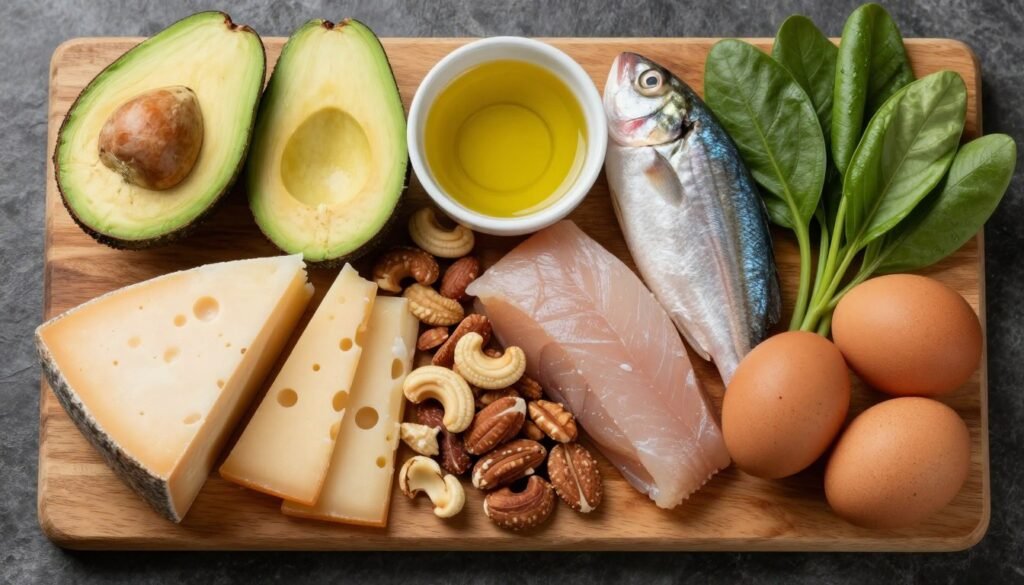
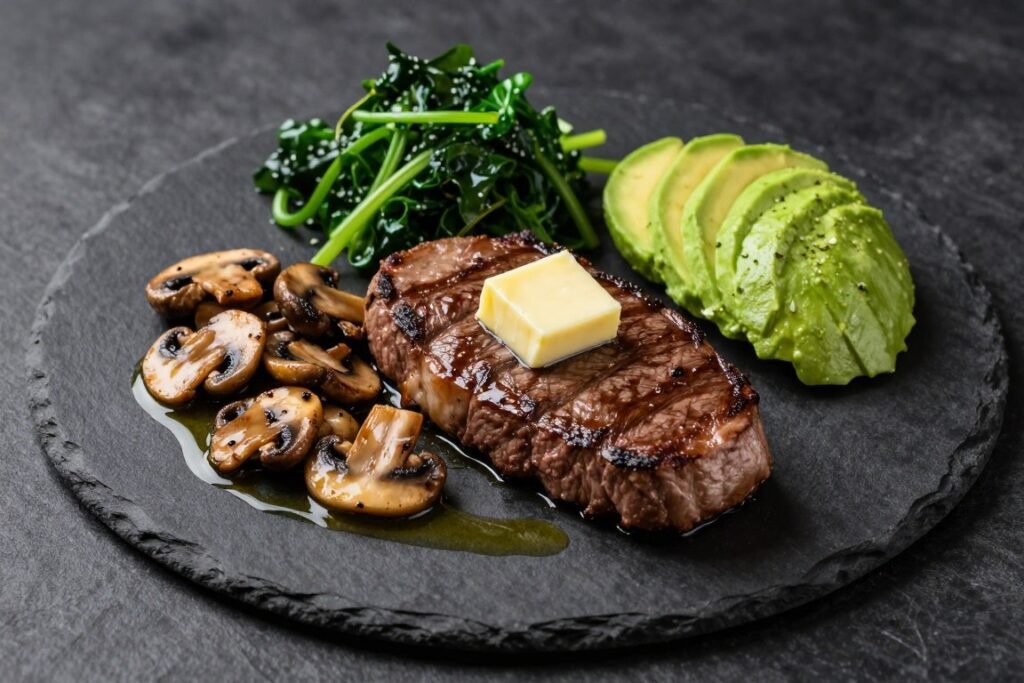
Healthy fats dominate every meal. You consume avocados, olive oil, coconut oil, butter, and fatty cuts of meat. Nuts provide both fat and protein. Cheese becomes a staple food rather than an occasional treat.
Protein sources include fatty fish, beef, pork, and chicken with skin. Many people find the keto diet more satisfying than other weight loss plans because fat provides lasting satiety. You can eat until comfortably full without calorie counting in most cases.
Foods to Avoid
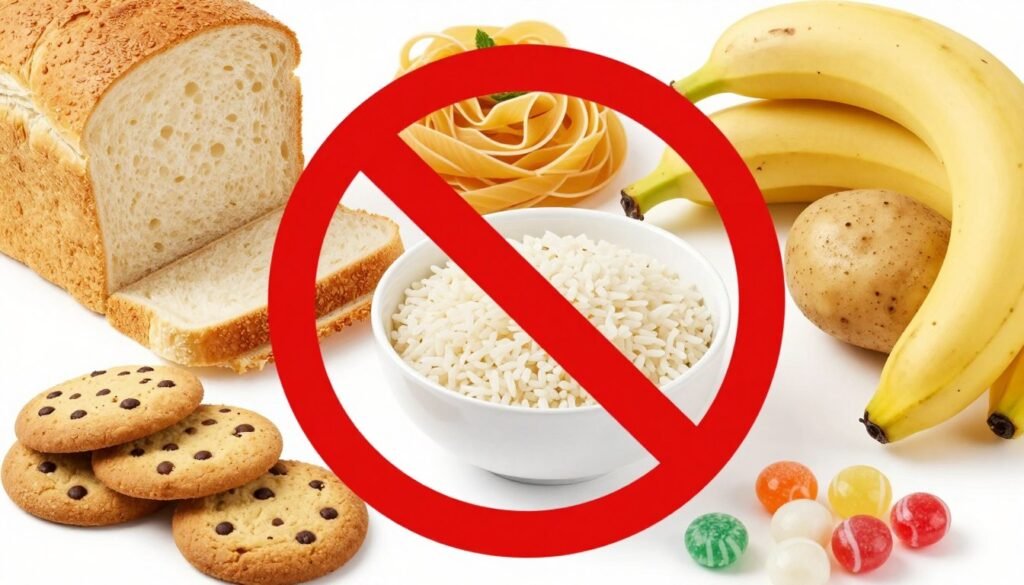
All grains disappear from your diet. Bread, pasta, rice, and oatmeal contain too many carbs. Most fruits exceed carb limits except small portions of berries. Starchy vegetables like potatoes, corn, and peas are eliminated.
Sugar in all forms is prohibited. This includes honey, maple syrup, and agave. Even healthy whole grains like quinoa and brown rice don’t fit the keto macros. Most people struggle initially with these eliminations but adapt over time.
Keto Diet Variations
Standard keto maintains consistent low-carb intake daily. Cyclical keto includes higher-carb days once or twice per week. Targeted keto allows additional carbs around workouts for athletic performance.
Some people practice “lazy keto” where they limit carbs but don’t track other macros precisely. Others follow “clean keto” emphasizing whole foods over processed keto products. The variation you choose affects both results and sustainability.
Mediterranean Diet Overview

The Mediterranean diet differs fundamentally from restrictive approaches. This eating pattern emphasizes food quality over macronutrient restriction. You focus on whole, minimally processed foods that people in Mediterranean regions have eaten for centuries.
Research consistently shows Mediterranean eating reduces heart disease risk. Weight loss occurs more gradually compared to extreme diets. The approach prioritizes long-term health over rapid results.
Core Principles
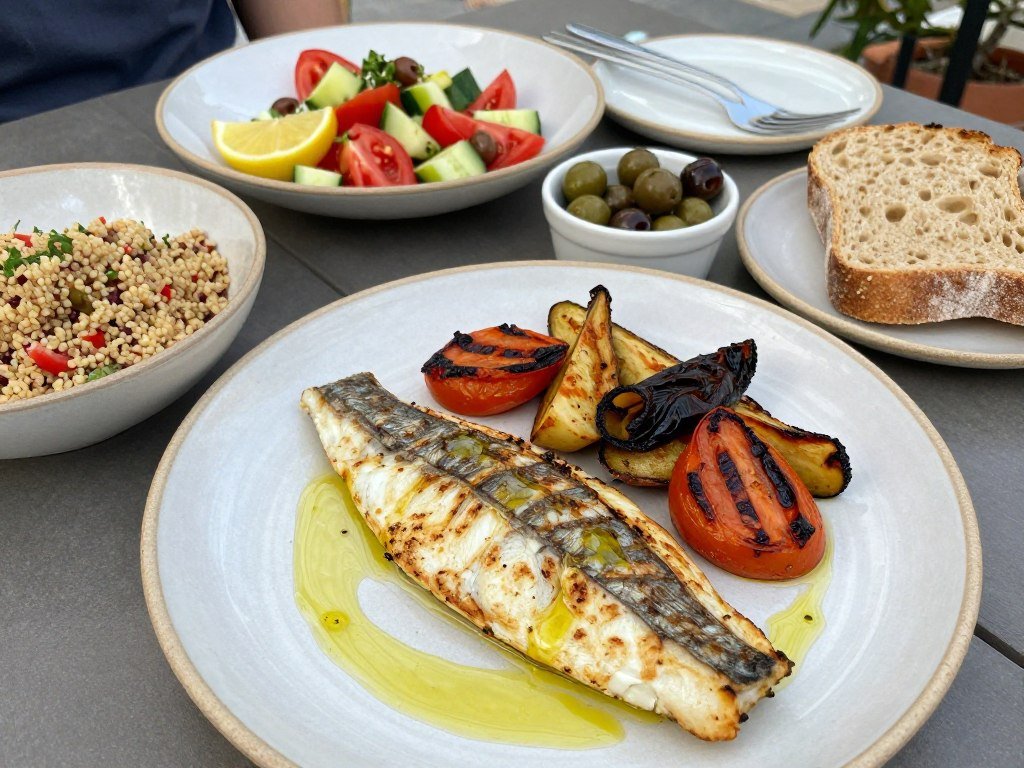
Olive oil serves as the primary fat source. You consume it liberally on vegetables, salads, and cooked foods. This monounsaturated fat supports cardiovascular health while providing satisfaction.
Plant foods form the foundation. You eat vegetables at every meal, fruits daily, and legumes several times per week. Whole grains provide fiber and sustained energy. Nuts and seeds offer protein, healthy fats, and micronutrients.
Protein Sources
Fish and seafood appear two to three times per week. These provide omega-3 fatty acids that reduce inflammation. Poultry and eggs serve as moderate protein sources, eaten several times weekly.
Red meat consumption stays minimal. Most versions limit red meat to a few times per month. This reduces saturated fat intake while maintaining adequate protein. Legumes like chickpeas and lentils supplement protein needs.
What Makes It Different
No foods are strictly forbidden. The diet uses a frequency approach rather than elimination. You can enjoy small amounts of sweets and red wine in moderation. This flexibility makes the diet more sustainable for many people.
The Mediterranean approach emphasizes enjoyment and social connection around food. Meals are meant to be savored slowly with family and friends. This cultural component contributes to better adherence and psychological satisfaction.

Health Benefits Beyond Weight Loss
Studies link Mediterranean eating to reduced inflammation throughout the body. This pattern lowers cholesterol levels and improves blood pressure. Type diabetes risk decreases significantly among regular followers.
Brain health benefits include reduced dementia risk. The combination of omega-3 fats, antioxidants, and anti-inflammatory compounds protects cognitive function. Many people report improved energy levels and better digestion.
Intermittent Fasting Methods

Intermittent fasting focuses on when you eat rather than what you eat. You cycle between periods of eating and fasting. This approach works independently or combined with other dietary patterns like keto or Mediterranean eating.
The method doesn’t restrict specific foods. Instead, you compress your eating into a specific time window. This naturally reduces calorie intake for most people while providing metabolic benefits beyond simple calorie restriction.
Popular Fasting Protocols
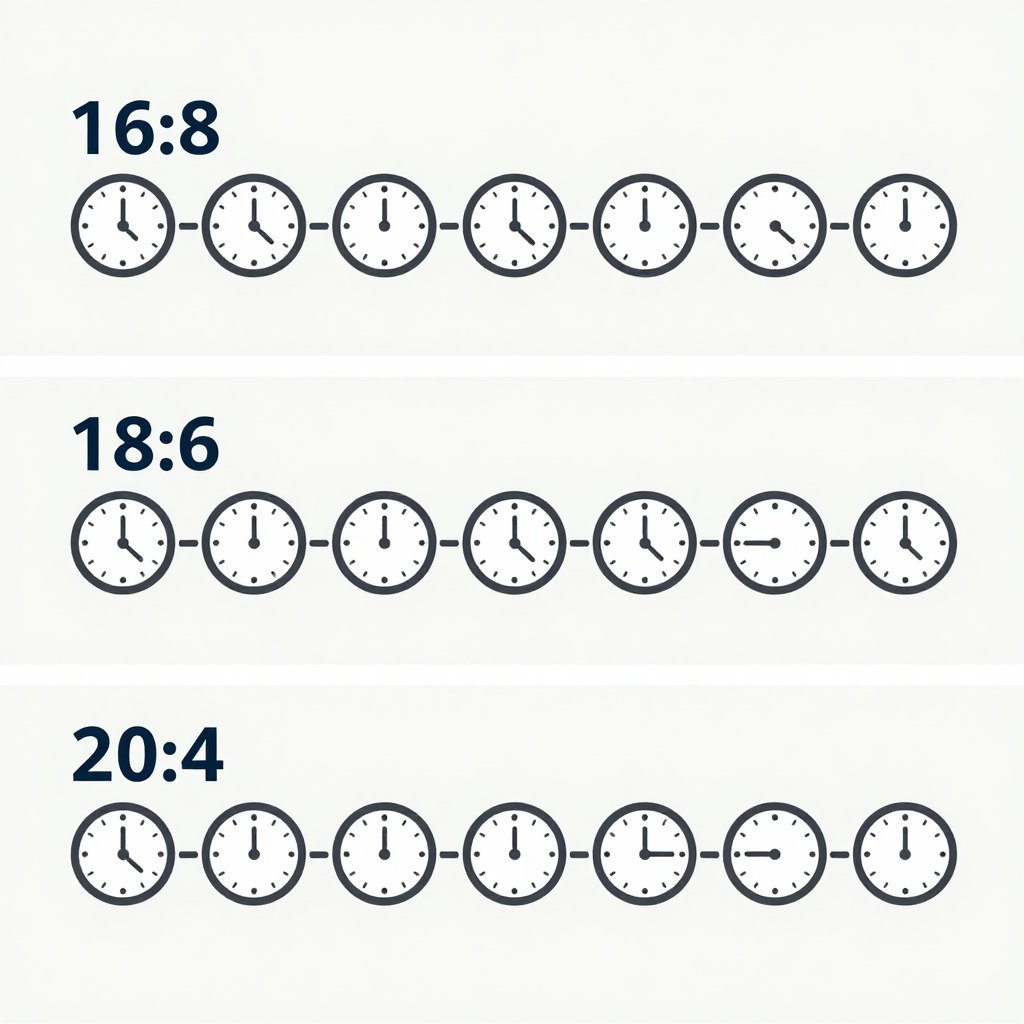
The sixteen-eight method remains most common. You fast for 16 hours and eat during an eight-hour window. Most people skip breakfast, eating their first meal at noon and finishing dinner by eight in the evening.
The five-two approach involves normal eating five days per week. On two non-consecutive days, you limit intake to 500-600 calories. This provides flexibility while still creating a weekly calorie deficit.
How Fasting Affects Your Body
After several hours without food, insulin levels drop significantly. This allows your body to access stored fat for energy more easily. Growth hormone levels increase, supporting muscle maintenance and fat burning.
Cellular repair processes activate during extended fasting periods. Your body initiates autophagy, removing damaged cell components. This process may contribute to longevity and disease prevention beyond weight management.
What to Eat During Eating Windows
Food quality matters tremendously. You could technically eat anything during your eating window, but whole foods optimize results. Focus on protein, healthy fats, and fiber-rich carbohydrates to maintain satiety between fasting periods.
Many people combine intermittent fasting with keto for enhanced fat burning. Others pair it with Mediterranean eating for balanced nutrition. The flexibility allows personalization based on your preferences and goals.

Common Challenges
Initial hunger during fasting periods poses the biggest obstacle. Most people adapt within one to two weeks as hormones adjust. Drinking water, black coffee, and tea helps manage appetite without breaking the fast.
Social situations create complications. Evening events may fall outside your eating window. You need to plan ahead or adjust your schedule temporarily. This requires more flexibility than diets that focus solely on food choices.
Some people experience headaches or irritability initially. These side effects typically resolve as your body adapts to using fat for fuel. Starting with a twelve-hour fast and gradually extending the fasting window can ease the transition.
Comprehensive Diet Comparison

Each diet operates through different mechanisms. Understanding these differences helps predict which approach suits your body and lifestyle best. We’ll examine key factors that determine success for most people.
This comparison table breaks down essential elements. You can see at a glance how each diet stacks up across critical dimensions that affect both results and your ability to stick with the plan long-term.
| Factor | Boiled Egg Diet | Ketogenic Diet | Mediterranean Diet | Intermittent Fasting |
| Primary Mechanism | Severe calorie restriction with high protein | Metabolic shift to fat burning through ketosis | Balanced whole foods with moderate portions | Time-restricted eating with metabolic benefits |
| Daily Calories | 1000-1200 calories | Variable, often 1500-2000 calories | 1800-2200 calories | Variable based on eating pattern |
| Carbohydrate Intake | Very low, 20-50g per day | Extremely low, under 20-30g per day | Moderate, 150-250g per day from whole grains | Unrestricted during eating windows |
| Protein Level | Very high, 40-50% of calories | Moderate, 15-20% of calories | Moderate, 15-20% of calories | Variable based on food choices |
| Fat Content | Moderate, from eggs and lean meats | Very high, 70-80% of calories | Moderate to high, primarily from olive oil | Variable based on food choices |
| Initial Water Loss | Significant in first week | Very significant in first week | Minimal initial water loss | Moderate in first week |
| Hunger Management | Good initially, challenging after week two | Excellent after adaptation period | Good with fiber-rich foods | Challenging initially, improves with adaptation |
| Meal Variety | Very limited food choices | Moderate variety within keto foods | Extensive variety and food options | Unrestricted food variety |
| Social Flexibility | Very difficult in social situations | Challenging but manageable | Highly compatible with social eating | Moderate, requires schedule adjustment |
| Nutrient Completeness | Some nutrient gaps without supplementation | Adequate with careful food selection | Excellent nutrient variety | Depends on food choices during eating window |
| Energy Levels | Often reduced due to low calories | Stable after adaptation period | Generally stable and sustained | May dip during fasting, stable when adapted |
| Exercise Compatibility | Limited due to calorie restriction | Good for endurance, challenging for high intensity | Excellent for all exercise types | Good once adapted, timing matters |
Macronutrient Breakdown
The macronutrient ratios differ dramatically between approaches. The boiled egg diet emphasizes protein above all else. Keto prioritizes fat while minimizing carbs and moderating protein. Mediterranean eating balances all three macros with emphasis on quality.
These different ratios affect how your body processes food. High protein increases calorie burn through digestion. High fat provides lasting satiety. Balanced macros support diverse metabolic processes and overall health.
Pros and Cons of Each Diet

Every diet brings advantages and drawbacks. Understanding both sides helps you make realistic expectations. No single approach works perfectly for everyone in every situation.
Consider these factors in relation to your current lifestyle. A diet with impressive benefits might not work if the drawbacks conflict with your daily reality. Honest assessment prevents wasted time and frustration.
Boiled Egg Diet
Advantages
- Extremely rapid initial weight loss creates motivation
- Simple rules require minimal decision-making
- High protein preserves muscle mass during calorie deficit
- Eggs are affordable and widely available
- Short duration makes restriction more tolerable
- Clear structure eliminates confusion about allowed foods
Disadvantages
- Extremely restrictive and monotonous food selection
- Not sustainable as long-term lifestyle
- May cause side effects like fatigue and constipation
- Social situations become very challenging
- Risk of nutrient deficiencies with extended use
- Weight often returns quickly after resuming normal eating

Ketogenic Diet
Advantages
- Powerful appetite suppression after adaptation
- Steady energy without blood sugar crashes
- Can be maintained long-term as lifestyle
- Many people report improved mental clarity
- Effective for managing type diabetes and insulin resistance
- Satisfying foods reduce feelings of deprivation
Disadvantages
- Initial “keto flu” causes uncomfortable symptoms
- Requires careful tracking of macros for best results
- Eliminates many beloved foods permanently
- Can increase cholesterol levels in some people
- Dining out requires careful menu navigation
- May not suit high-intensity athletic performance

Mediterranean Diet
Advantages
- Highly sustainable with flexible food choices
- Extensive research supports cardiovascular health benefits
- Naturally anti-inflammatory food selection
- Compatible with social dining and cultural traditions
- Emphasizes enjoyment and quality of life
- Provides excellent nutrient variety for overall health
Disadvantages
- Weight loss occurs more slowly than restrictive diets
- Requires portion awareness to prevent overeating
- Quality olive oil and fresh fish can be expensive
- Less structured approach may challenge some people
- Results take longer to become visible
- Requires learning new cooking methods and recipes

Intermittent Fasting
Advantages
- Flexible approach compatible with various diets
- No foods are forbidden during eating windows
- Simplifies meal planning and preparation
- May provide cellular health benefits beyond weight loss
- Can reduce overall calorie intake without counting
- Saves time and money by eating fewer meals
Disadvantages
- Initial hunger and irritability during adaptation
- May conflict with work schedules and social events
- Can lead to overeating during eating windows
- Not suitable for people with certain health conditions
- Results vary widely based on food quality
- May trigger disordered eating patterns in susceptible individuals

Weight Loss Speed Comparison
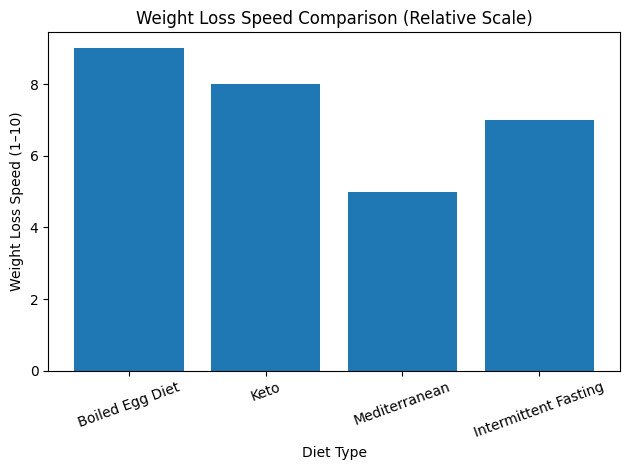
Weight loss speed varies dramatically between these approaches. Your urgency affects which diet makes sense. Faster isn’t always better if you can’t sustain the approach or if you sacrifice health.
Initial weight loss often includes significant water weight. This especially applies to low-carb diets. Understanding this prevents disappointment when loss slows after the first week or two.
First Week Results
The boiled egg diet typically produces the most dramatic first-week results. Many people lose weight between five and eight pounds initially. However, most of this represents water loss from depleted glycogen stores rather than pure fat loss.
Keto also creates substantial early weight loss. You might see four to seven pounds disappear in week one. The ketogenic diet drains glycogen stores similarly to the egg diet, releasing stored water.
Mediterranean eating produces modest initial results. Expect one to two pounds in the first week. This slower pace reflects actual fat loss rather than water fluctuation. The sustainable nature offsets the slower start.
Intermittent fasting results depend heavily on your eating window choices. Most people lose weight between two and four pounds in week one. This middle-ground approach balances speed with sustainability.
| Time Period | Boiled Egg Diet | Ketogenic Diet | Mediterranean Diet | Intermittent Fasting |
| Week 1 | 5-8 pounds | 4-7 pounds | 1-2 pounds | 2-4 pounds |
| Weeks 2-4 | 2-3 pounds per week | 2-3 pounds per week | 1-2 pounds per week | 1.5-2.5 pounds per week |
| Month 2-3 | Not recommended beyond 4 weeks | 1.5-2 pounds per week | 1-1.5 pounds per week | 1-2 pounds per week |
| Long-term (3+ months) | Must transition to maintenance plan | 0.5-1.5 pounds per week | 0.5-1 pound per week | 0.5-1.5 pounds per week |
| Total 12-Week Potential | 15-20 pounds (4 weeks max) | 25-35 pounds | 15-20 pounds | 18-28 pounds |

Sustainable Loss Rates
Health experts recommend losing one to two pounds per week for sustainable results. This rate allows your body to adapt while preserving muscle mass. Faster loss often leads to metabolic adaptation that makes future weight loss harder.
The Mediterranean approach naturally aligns with these recommendations. You lose weight steadily without extreme measures. This prevents the metabolic slowdown that occurs with very low-calorie diets.
Keto and intermittent fasting can both sustain moderate loss rates long-term. Once adapted, your body burns fat efficiently. The key is maintaining consistency and not using fasting as permission to overeat during eating windows.
Plateau Considerations
Every diet eventually hits plateaus. Your body adapts to reduced calorie intake by lowering metabolic rate slightly. Breaking plateaus requires adjusting your approach.
Extremely restrictive diets like the boiled egg plan often plateau quickly. Your metabolism slows dramatically with such low calories. This is why the diet should only be used short-term.
Keto dieters can break plateaus by adjusting fat intake or incorporating carb cycling. Mediterranean followers might need to reduce portion sizes or increase physical activity. Intermittent fasting practitioners can extend fasting windows or combine with other strategies.
Choose Your Path to Weight Loss Success
Now that you’ve compared all four approaches, start your journey with our comprehensive 14-day boiled egg diet plan. Get instant access to printable meal plans, shopping lists, and delicious recipes designed for maximum weight loss results.
Sustainability Assessment

Sustainability determines long-term success more than initial weight loss speed. A diet you can follow for months produces better results than one you abandon after two weeks. Your lifestyle compatibility matters enormously.
Consider your personality type. Some people thrive with strict rules and clear boundaries. Others need flexibility and variety to stay motivated. Matching your approach to your personality increases adherence dramatically.
Short-Term vs Long-Term Approaches
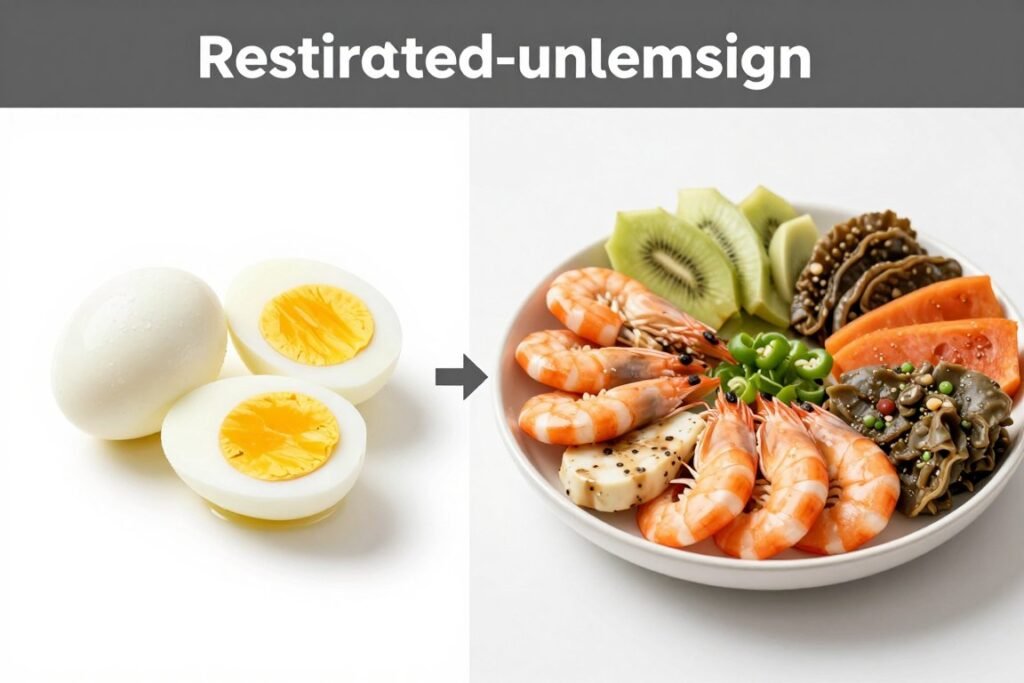
The boiled egg diet functions as a short-term intervention. Most experts recommend no more than two to four weeks maximum. This gives you a kickstart but requires transitioning to a sustainable maintenance plan.
Using the egg diet as a reset can work well. You might follow it for two weeks to break bad habits and see rapid results. Then transition to Mediterranean eating or intermittent fasting for long-term maintenance.
Lifestyle Integration
Mediterranean eating integrates seamlessly into most lifestyles. You can dine at restaurants, attend social events, and travel without major disruptions. The variety prevents boredom and the flexibility accommodates special occasions.
Keto requires more planning but many people sustain it successfully. Restaurants now offer keto-friendly options widely. You learn to navigate menus and make substitutions. The appetite suppression helps you resist temptation.
Intermittent fasting adapts well to busy schedules. Skipping breakfast saves time in the morning. You can adjust eating windows around social events by shifting your schedule temporarily. This flexibility supports long-term adherence.
Family and Social Factors
Preparing separate meals for yourself strains family dynamics. Mediterranean eating works for the whole family. Children and non-dieting adults can enjoy the same meals. This reduces stress and cooking time.
The boiled egg diet creates social isolation. You can’t participate normally in family dinners or restaurant outings. This makes the diet impractical for anyone with regular social commitments.
Keto and intermittent fasting fall somewhere between. You can often find suitable options at social events. Family members might not understand initially but usually adapt over time.

Budget Considerations
Eggs remain one of the most affordable protein sources. The boiled egg diet costs less than most alternatives. However, the limited variety might lead to waste if you can’t finish all the eggs before they spoil.
Keto can become expensive. Quality fats, grass-fed meats, and specialty keto products add up quickly. You can practice keto on a budget by focusing on eggs, cheaper fatty cuts of meat, and seasonal vegetables.
Mediterranean eating costs vary by location. Fresh fish and olive oil represent larger expenses. Balancing expensive items with affordable beans, seasonal produce, and whole grains keeps costs reasonable.
Intermittent fasting actually reduces food costs. Eating fewer meals means buying less food overall. This financial benefit makes the approach attractive for budget-conscious individuals.
Who Should Use Each Diet

Individual factors determine which diet works best. Your current health status, lifestyle demands, food preferences, and weight loss goals all matter. What works brilliantly for your friend might fail miserably for you.
Consider your relationship with food honestly. Do you eat for comfort? Do you struggle with hunger or with boredom eating? Understanding your patterns helps select an approach that addresses your specific challenges.
Best Candidates for Boiled Egg Diet
This diet suits people needing rapid short-term results for a specific event. You might have a wedding, reunion, or vacation approaching. The quick results provide motivation even though the approach isn’t sustainable.
Individuals who prefer extreme simplicity benefit from the rigid structure. If decision fatigue around food causes problems, having zero choices eliminates that stress temporarily. Just understand you’ll need a transition plan afterward.
Ideal Candidates
- People seeking rapid kickstart before transitioning to sustainable plan
- Individuals with upcoming special events requiring quick results
- Those who respond well to strict structure and rules
- People without significant social dining obligations for 2-4 weeks
- Individuals with no history of eating disorders
- Those who enjoy eggs and can tolerate eating them frequently
Who Should Avoid
- Anyone with high cholesterol concerns without medical supervision
- People with history of disordered eating patterns
- Individuals requiring sustained energy for demanding physical work
- Those with egg allergies or sensitivities
- People seeking long-term sustainable weight management
- Anyone with certain medical conditions without doctor approval

Best Candidates for Ketogenic Diet
Keto works exceptionally well for people with insulin resistance or type diabetes. The dramatic carb reduction improves blood sugar control significantly. Many people reduce or eliminate diabetes medications under medical supervision.
Individuals who struggle with constant hunger benefit from keto’s appetite-suppressing effects. Once adapted, many people naturally eat less without feeling deprived. The steady energy appeals to people who experience blood sugar crashes on higher-carb diets.
Ideal Candidates
- People with type diabetes or prediabetes
- Individuals with insulin resistance or metabolic syndrome
- Those who love rich, fatty foods and find them satisfying
- People who can commit to tracking macros initially
- Individuals who don’t mind giving up bread, pasta, and sugar permanently
- Those seeking mental clarity and stable energy levels
Who Should Avoid
- People with certain liver or pancreatic conditions
- Individuals with history of kidney stones
- Those who engage heavily in high-intensity exercise
- People who can’t tolerate high-fat foods
- Anyone unwilling to give up favorite carb-heavy foods
- Those with certain genetic conditions affecting fat metabolism

Best Candidates for Mediterranean Diet
The Mediterranean approach suits people prioritizing long-term health over rapid weight loss. If you value quality of life and food enjoyment equally with losing weight, this pattern aligns perfectly.
Families benefit tremendously from Mediterranean eating. The whole family can eat the same meals. Children develop healthy relationships with food while adults lose weight gradually. This shared approach creates sustainable habits.
Ideal Candidates
- People seeking sustainable lifestyle change over quick fixes
- Individuals who enjoy cooking and trying new recipes
- Those with heart health concerns or family history
- People who want to include whole family in healthy eating
- Individuals who appreciate food variety and cultural cuisine
- Those comfortable with gradual, steady weight loss
Who Should Avoid
- People seeking very rapid weight loss for upcoming events
- Individuals who struggle with portion control on flexible diets
- Those requiring strict structure and clear boundaries
- People who dislike fish and seafood
- Anyone unwilling to use olive oil as primary fat source
- Those with severe time constraints for meal preparation

Best Candidates for Intermittent Fasting
Busy professionals often thrive with intermittent fasting. The time savings and simplified meal planning fit hectic schedules. You can maintain the pattern while traveling or during stressful work periods.
People who naturally skip breakfast find this approach effortless. If you’ve never been hungry in the morning, formalizing your natural pattern creates structure. You might already be doing a form of intermittent fasting without realizing it.
Ideal Candidates
- Busy professionals with limited meal prep time
- People who naturally prefer fewer larger meals
- Individuals seeking flexibility in food choices
- Those who respond well to structure around timing
- People wanting to combine with other eating approaches
- Individuals comfortable with temporary hunger sensations
Who Should Avoid
- Pregnant or breastfeeding women
- People with history of eating disorders
- Individuals with certain medical conditions like diabetes
- Those who experience severe hunger-related mood issues
- People whose work requires steady energy for physical labor
- Anyone taking medications requiring food at specific times

Combining Approaches for Maximum Results

You don’t have to choose just one approach exclusively. Many successful dieters combine elements from multiple strategies. This hybrid approach often provides better results than following any single diet rigidly.
The most effective combinations leverage the strengths of each approach while minimizing weaknesses. You create a personalized eating pattern that fits your unique needs and preferences.
Keto Plus Intermittent Fasting
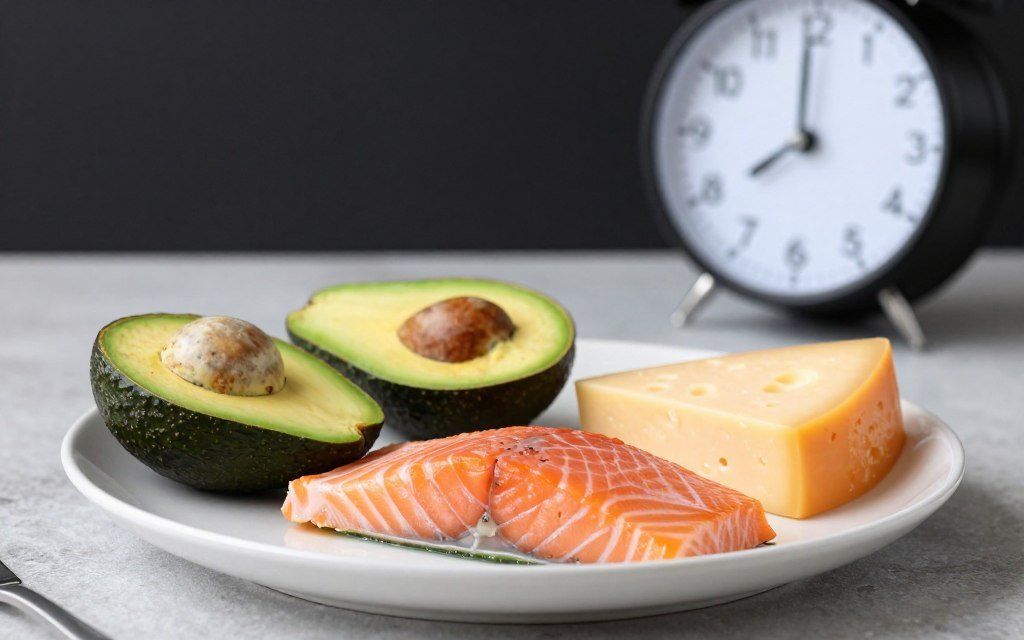
This powerful combination accelerates fat burning significantly. Keto already puts your body in fat-burning mode. Adding intermittent fasting extends the time you spend burning fat rather than digesting food.
Many people find this pairing easier than keto alone. The appetite suppression from keto makes fasting periods more comfortable. You naturally feel less hungry during fasting windows once you’re keto-adapted.
Start with keto first for two to four weeks. Once you’re fat-adapted and experiencing reduced hunger, introduce intermittent fasting gradually. Begin with a twelve-hour fast and extend it as comfortable.
Mediterranean Diet with Intermittent Fasting
This combination provides excellent nutrient variety within a time-restricted window. You get the health benefits of Mediterranean eating with the metabolic advantages of fasting. The pairing feels less restrictive than other combinations.
The Mediterranean approach naturally provides foods that keep you satisfied during eating windows. Healthy fats from olive oil and nuts, combined with fiber from vegetables and whole grains, prevent excessive hunger.
Use a sixteen-eight fasting schedule while following Mediterranean food guidelines during your eating window. This maintains dietary flexibility while still creating calorie restriction naturally.
Egg Diet Kickstart to Keto
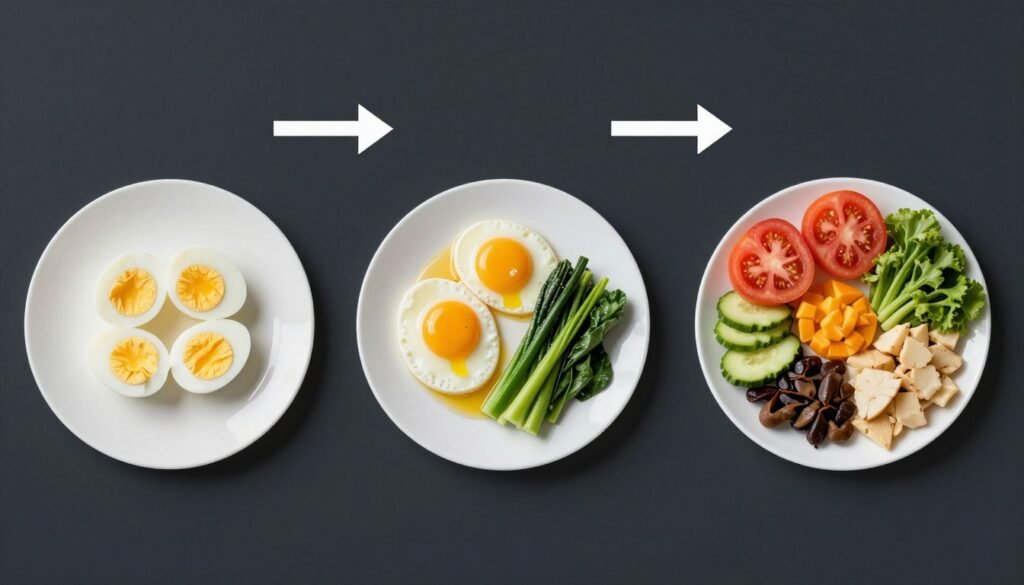
Starting with two weeks of the boiled egg diet can transition you into keto effectively. The egg diet depletes glycogen stores and begins the metabolic shift. Your body starts producing ketones by week two.
Transitioning from eggs to full keto feels natural. You’re already adapted to low-carb eating. Simply expand your food variety to include more fats and keto-approved vegetables while maintaining low carbs.
This progression prevents the worst keto flu symptoms. You’ve already adapted to burning fat when you transition to keto. The two-week egg phase serves as a structured entry point.
Cycling Strategies
Some people cycle between strict and flexible approaches. You might follow keto or egg diet during weekdays, then practice Mediterranean eating on weekends. This provides psychological relief while maintaining progress.
Others cycle based on goals. Use strict approaches for two to four weeks when you need rapid loss. Transition to Mediterranean or intermittent fasting for maintenance. Switch back to strict mode if weight creeps up.
Cycling prevents metabolic adaptation. Your body doesn’t fully adjust to any single approach. This can help break plateaus and maintain higher metabolic rates long-term.
Practical Tips for Implementation

Success requires more than choosing the right diet. Implementation details often determine whether you stick with your plan. These practical strategies help you overcome common obstacles before they derail your progress.
Preparation prevents failure. Spending time upfront to set up your environment and routines pays dividends throughout your weight loss journey. Small systems create big results over time.
Meal Planning Essentials
Plan your week of meals every Sunday. Write out exactly what you’ll eat for each meal. This eliminates decision fatigue when you’re tired and hungry. You simply follow your plan instead of making impulsive choices.
Batch cook when possible. Prepare multiple servings of boiled eggs, keto casseroles, or Mediterranean grain bowls. Store portions in containers for grab-and-go convenience throughout the week.
- Boil two dozen eggs at once for the week
- Pre-chop vegetables for easy side dishes
- Grill multiple chicken breasts to pair with eggs
- Portion out allowed fruits into daily servings
Egg Diet Meal Prep
- Make keto casseroles in large batches
- Portion nuts and cheese into snack-size containers
- Prepare fat bombs for quick energy boosts
- Cook fatty meats that reheat well
Keto Meal Prep
- Cook whole grains like quinoa and farro in bulk
- Roast large trays of vegetables with olive oil
- Prepare homemade hummus and tzatziki
- Marinate proteins for quick cooking later
Mediterranean Meal Prep

Managing Social Situations
Communicate your goals to friends and family in advance. Let them know you’re following a specific eating plan. Most people support your health efforts once they understand your commitment.
Eat before social events if necessary. Arriving satisfied reduces temptation. You can still enjoy the social aspects without feeling deprived or pressured to eat foods outside your plan.
For restaurant dining, review menus online beforehand. Choose your meal in advance so you’re not making decisions while hungry. Most restaurants accommodate special requests for preparation methods.
Tracking Progress Effectively
Weigh yourself consistently at the same time. Morning weight after using the bathroom provides the most accurate comparison. Daily fluctuations are normal, so focus on weekly trends rather than day-to-day changes.
Take measurements and progress photos. The scale doesn’t tell the whole story. You might lose inches while weight stays stable as body composition improves. Photos reveal changes you can’t see in the mirror daily.
Track non-scale victories too. Notice improved energy, better sleep, looser clothing, and enhanced mood. These improvements matter as much as the number on the scale.

Handling Setbacks
Expect occasional slip-ups. One meal off-plan doesn’t ruin everything. The key is returning to your plan immediately rather than turning one mistake into a three-day binge.
Analyze what triggered the setback without judgment. Were you overly hungry? Stressed? Bored? Understanding triggers helps you plan preventive strategies for next time.
Adjust your approach if you’re struggling consistently. No diet works if you can’t stick with it. Finding a sustainable pattern matters more than following someone else’s ideal plan perfectly.
Supplementation Considerations
Consider a multivitamin on restrictive diets like the boiled egg plan. This insurance policy covers potential nutrient gaps from limited food variety.
Electrolyte supplementation helps during keto adaptation. Sodium, potassium, and magnesium supplements prevent keto flu symptoms. Many people find these essential for feeling good while adapting.
Omega-3 supplements benefit people who don’t eat fish regularly. Mediterranean dieters who consume fatty fish two to three times weekly likely don’t need supplementation. Others should consider fish oil or algae-based omega-3s.

Potential Health Considerations

Any significant dietary change affects your body. Understanding potential health impacts helps you make informed decisions. Some effects are normal adaptations, while others signal problems requiring attention.
Always consult your doctor before starting a new diet, especially if you have existing health conditions or take medications. What works safely for one person might create problems for another.
Cholesterol Concerns with Egg-Heavy Diets
Eating multiple eggs per day raises cholesterol concerns for some people. Research shows dietary cholesterol affects blood cholesterol less than previously thought. However, individual responses vary significantly.
Most people can consume several eggs per day without adverse effects on cholesterol levels. Some individuals, termed “hyper-responders,” experience significant increases. If you have high cholesterol or heart disease history, monitor levels with blood tests.
The egg diet’s temporary nature limits this concern. Short-term elevation in cholesterol likely poses minimal risk. Still, people with existing cardiovascular disease should choose different approaches or use medical supervision.

Digestive Side Effects
Constipation frequently occurs on low-carb, low-fiber diets. The boiled egg diet and keto both reduce fiber intake significantly. Drinking plenty of water and including non-starchy vegetables helps prevent this issue.
Some people experience the opposite problem initially. Increased fat intake from keto can cause loose stools until your body adapts. This typically resolves within one to two weeks as your digestive system adjusts.
Mediterranean eating rarely causes digestive issues. The high fiber from vegetables, fruits, and whole grains supports healthy digestion. This represents another advantage for people with sensitive digestive systems.
Energy and Performance
Very low-calorie diets like the egg diet often reduce energy levels. This makes sense—you’re eating significantly fewer calories than your body needs. Plan for reduced workout intensity during this period.
Keto adaptation creates temporary fatigue. The first one to two weeks often feel challenging as your body learns to burn fat efficiently. Once adapted, many people report energy levels equal to or better than before keto.
High-intensity exercise performance may suffer on keto. Your body prefers carbs for explosive movements. Endurance activities adapt well to keto, but sprinting and heavy lifting might feel harder.

Hormonal Impacts
Severe calorie restriction affects hormones, particularly in women. Extremely low-calorie diets can disrupt menstrual cycles. The egg diet’s short duration minimizes this risk, but awareness matters.
Some women find keto affects their cycles initially. This typically normalizes after two to three months. Others experience improved hormonal balance, especially those with polycystic ovary syndrome.
Intermittent fasting impacts hunger hormones. Ghrelin (hunger hormone) decreases over time, making fasting easier. Leptin (satiety hormone) becomes more effective. These adaptations help with long-term appetite control.
When to Seek Medical Advice
Stop any diet if you experience severe symptoms. Extreme fatigue, dizziness, rapid heartbeat, or confusion warrant immediate medical attention. These could indicate electrolyte imbalances or other serious issues.
People taking diabetes medications need close medical monitoring. Both keto and intermittent fasting can lower blood sugar significantly. Medication adjustments often become necessary to prevent dangerous hypoglycemia.
Anyone with liver, kidney, or pancreatic conditions should only attempt these diets under medical supervision. These organs play crucial roles in processing the nutrients emphasized in each approach.
Start Your Transformation Today
You’ve learned how these four diets compare. Now it’s time to take action. Download our complete 14-day boiled egg diet plan with everything you need: detailed meal plans, delicious recipes, shopping lists, and success tips. Start losing weight this week with a proven plan designed for maximum results.
Making Your Final Decision

You now understand how each diet works and what it requires. Your decision should balance effectiveness with sustainability. The best diet for fast weight loss is the one you can actually follow consistently.
Consider your timeline first. If you need results for an event in three weeks, the boiled egg diet delivers fastest results. For long-term health transformation, Mediterranean eating or intermittent fasting works better.
Assess Your Personal Factors
Your current eating habits matter significantly. If you already eat few carbs, transitioning to keto feels easier. If you currently skip breakfast, intermittent fasting might feel natural.
Think about your cooking skills and time availability. The Mediterranean diet requires more cooking knowledge. The egg diet needs minimal cooking but offers little variety. Keto falls somewhere between, requiring moderate cooking ability.
Evaluate your support system honestly. Does your family support your health goals? Can you prepare separate meals if needed? Social support dramatically improves adherence rates.
Quick Decision Guide: Choose the boiled egg diet for rapid short-term results before transitioning to a sustainable plan. Choose keto if you have insulin resistance and can commit to low-carb eating long-term. Choose Mediterranean eating if you prioritize health and sustainability over speed. Choose intermittent fasting if you want flexibility in food choices with time-based structure.

Setting Realistic Expectations
No diet produces miracles. Sustainable weight loss takes time regardless of method. Rapid initial losses often include water weight that returns partially when you resume normal eating.
Expect to lose weight at one to two pounds per week on average for sustainable results. Faster loss is possible short-term but rarely maintains over months. Focus on progress, not perfection.
Plan for plateaus and setbacks. Everyone experiences periods where weight loss stalls. This doesn’t mean failure—it means your body is adjusting. Persistence through plateaus separates successful dieters from those who quit.
Creating Your Action Plan
Start with a specific start date. Don’t begin “tomorrow” indefinitely. Choose a day this week and commit. Mondays work well psychologically for many people, but any day works if you commit.
Clear your kitchen of tempting foods before starting. This removes obstacles when willpower runs low. Stock your kitchen with foods that support your chosen approach.
Tell someone about your commitment. Accountability increases success rates significantly. Find a friend, join an online community, or work with a health coach for support.

Long-Term Success Mindset
View your diet as the beginning of lifestyle change, not a temporary fix. Weight lost through extreme restriction typically returns unless you establish new sustainable habits.
Plan your transition strategy before starting. If you choose the boiled egg diet, decide now what you’ll eat in week five. This prevents panic when the diet ends and helps maintain results.
Focus on building habits that outlast any specific diet. Drinking enough water, eating vegetables with meals, and managing portions matter regardless of which eating pattern you follow.
Celebrate non-scale victories as much as weight loss. Better sleep, improved energy, and increased confidence matter enormously. These improvements often motivate continued effort when the scale temporarily stalls.
Your Path Forward

The boiled egg diet vs keto debate, along with Mediterranean and intermittent fasting options, shows that multiple paths lead to weight loss success. Each approach works through different mechanisms and suits different people.
You’ve examined the science behind each diet. You understand the pros and cons. You know which diet matches your goals, lifestyle, and preferences. Now the only step remaining is taking action.
Remember that starting imperfectly beats waiting for perfect conditions. You can adjust your approach as you learn what works for your body. The best diet is always the one you can sustain while achieving your health goals.
Your weight loss journey starts with a single decision followed by consistent daily actions. Whether you choose the rapid results of the egg diet, the metabolic shift of keto, the balanced sustainability of Mediterranean eating, or the flexibility of intermittent fasting, commitment matters more than perfection.
Take that first step today. Your future self will thank you for the decision you make right now to prioritize your health and wellbeing.
Start the Boiled Egg Diet the Right Way
If you’re choosing the boiled egg diet, use these guides to get the best results:
- Follow the full 14-day boiled egg diet plan
- See real results and timelines
- Find meals you’ll enjoy
- Prep your meals in advance
Main resource hub: Boiled Egg Diet Complete Guide